
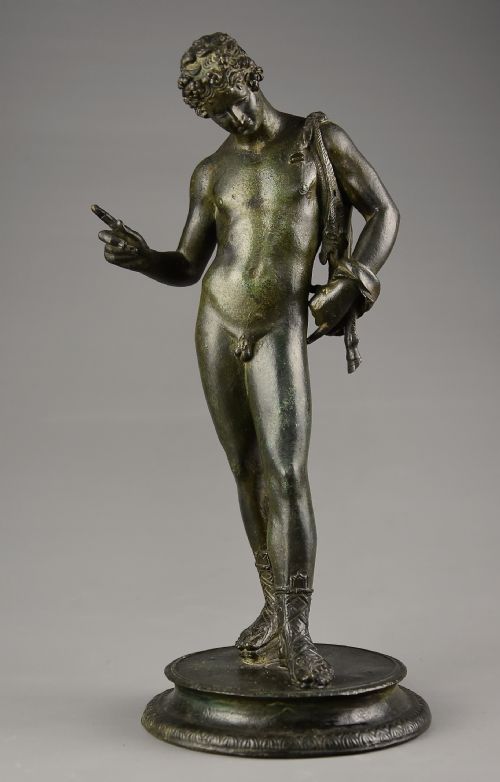


Bronze Figurine Stand
A bronze figurine stand supports small sculptural works, elevating figures of humans, animals and deities across Victorian, Art Nouveau and Art Deco periods.
Bronze Figurine Stand
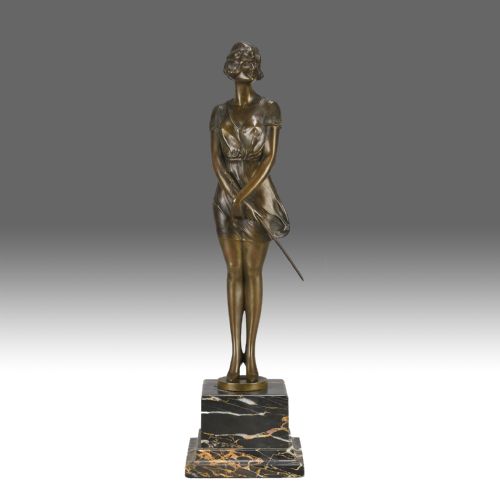
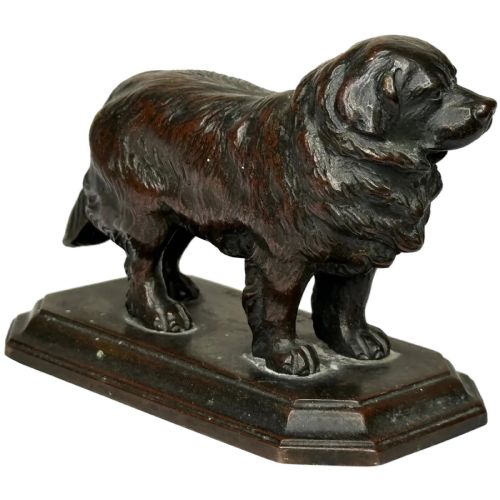
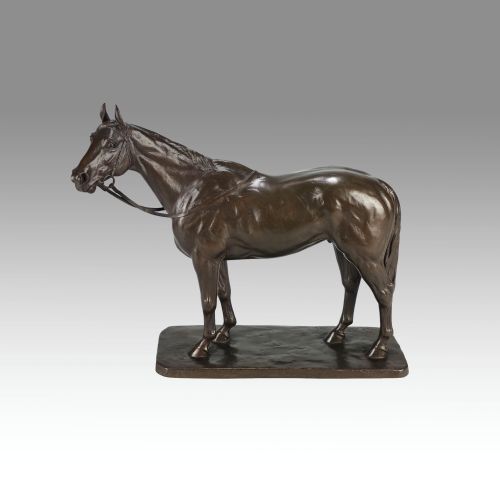
A bronze figurine stand brings together cast metal sculptures and their integral or paired bases, ranging from nineteenth-century animalier studies to twentieth-century Viennese miniatures. The selections seen here span Victorian works through to Art Deco pieces, often incorporating materials like marble plinths or wood components.
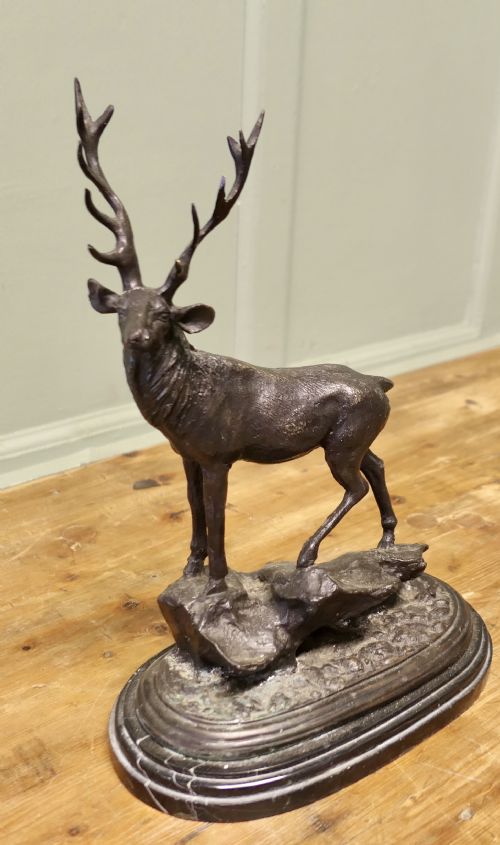
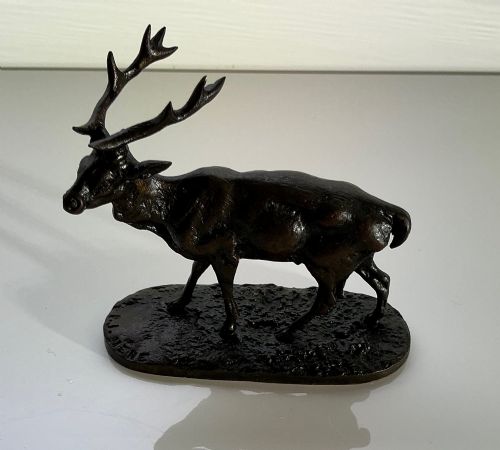
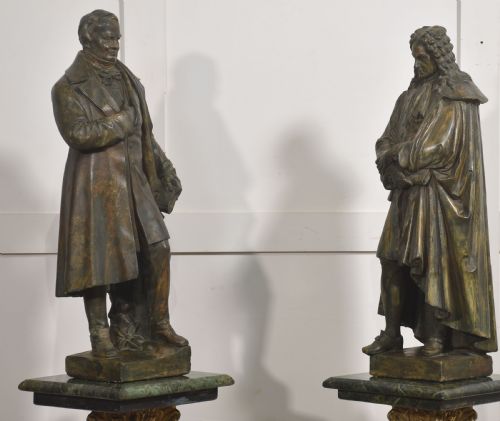
Collectors encounter figures of standing stags, human portraits, and mythological subjects mounted on stone or metal supports. Many examples combine cast bronze with cold-painted finishes or patinated surfaces to emphasise sculptural detail.
Materials and casting methods
The pieces rely primarily on cast bronze, supplemented by brass, ormolu, and patinated finishes applied over metal. Cold-painted surfaces appear frequently on Austrian animal bronzes, where polychrome details were added to the warm metal base.
Foundries utilised traditional casting techniques, often pairing the metal figures with marble plinths, enamel accents, or carved wooden desk stands. Founders and artists marked many works with foundry stamps or signature incisions.
Listings feature works from the sixteenth century up to the Art Deco era, utilising bronze, marble, and cold paint.
Assessing quality in bronze figures
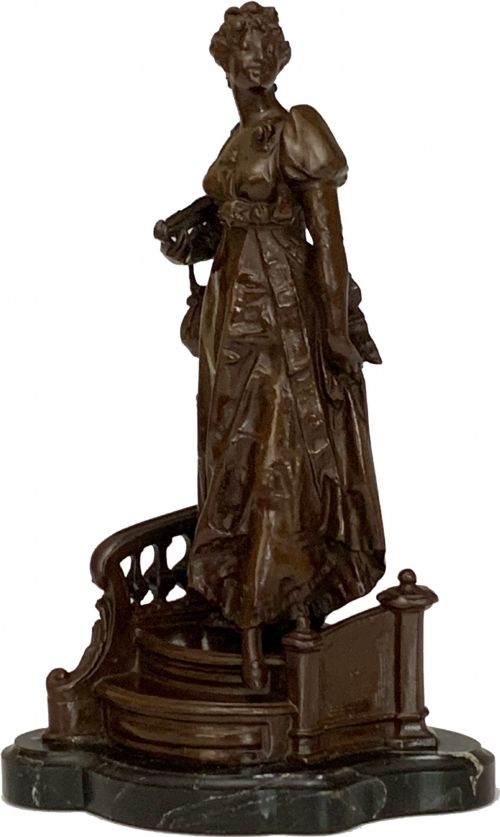
The integration between the bronze figure and its stone or marble stand also marks the distinction, as superior pieces feature custom-fitted mounts rather than generic replacements.
Bruno Zach·Kunio Itô·Franz Bergman·Barbedienne·Pierre le Faguays
The Bronze Figurine Stand Glossary
- Patina
- The surface coloration and sheen developed naturally over time or applied chemically by the foundry. This finish protects the metal and defines the sculptural contours.
- Cold-painted
- A technique where oil paint is applied to a cold bronze object without subsequent firing. This method is particularly characteristic of Viennese animalier workshops.
- Animalier
- A nineteenth-century artistic movement focused on the realistic portrayal of animals. Sculptors in this genre studied anatomy closely to capture creatures in active postures.
- Grand Tour
- A cultural journey undertaken by wealthy young Europeans in the eighteenth and nineteenth centuries. Travellers collected small bronzes, often depicting classical statues, as souvenirs of their travels.
- Ormolu
- Finely ground high-carat gold applied to a bronze object through a mercury amalgam process. This technique creates a rich golden finish seen on decorative mounts and bases.
Bronze Figurine Stand: Frequently Asked Questions
How do I clean a bronze figurine stand?
Dust the surface gently with a soft, dry brush to prevent the accumulation of dirt within the crevices. Avoid chemical cleaners or water, which can strip away the historical patina and damage cold-painted finishes.
Apply a very thin layer of microcrystalline wax if the bare metal requires protection against atmospheric moisture. Buff the wax off thoroughly with a clean cloth to maintain a natural, subdued sheen.
Are marble plinths original to the bronzes?
Many nineteenth and twentieth-century sculptures were cast specifically to be mounted on fitted marble plinths or slate bases. The weight of the stone provides stability for taller or top-heavy figures.
Inspect the joinery between the metal feet and the stone surface to check for secure fastening bolts or historical pins. Replacement bases typically show modern screw fittings or mismatched dimensions.
What is cold-painted bronze?
Cold-painted bronze refers to metal figures decorated with layers of oil-based paint that dried without heat baking. This technique flourished in Vienna during the late nineteenth and early twentieth centuries.
Because the paint sits on the unheated metal surface, it remains susceptible to flaking if handled roughly. Preserved examples retain their bright polychrome details across bird and human figures.
How do I distinguish animalier bronzes?
Animalier bronzes depict animals in naturalistic settings, often captured mid-movement on rocky terrain bases. The style gained prominence in France through the efforts of dedicated sculptors observing wildlife.
Look for signature incisions along the base edge and evidence of quality chasing work in the fur or plumage. These pieces reflect a nineteenth-century scientific interest in animal anatomy.