



Bronze Figure Desk Lamp
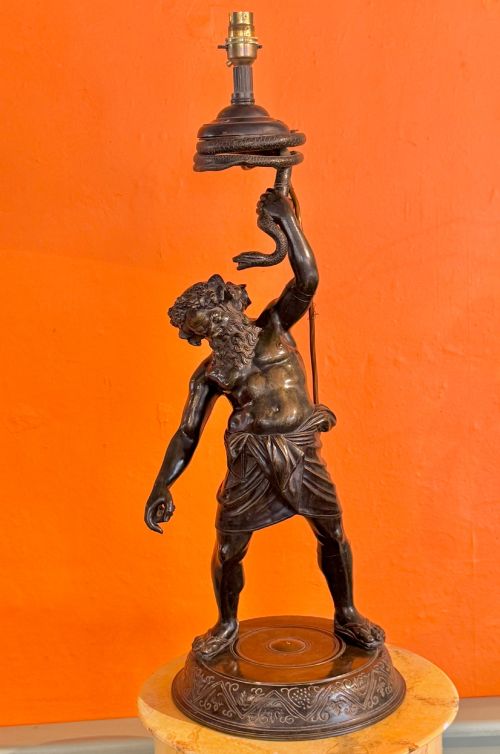
A bronze figure desk lamp brings sculptural presence and period character to a workspace, combining classical mythology or decorative figures with functional illumination.
Bronze Figure Desk Lamp
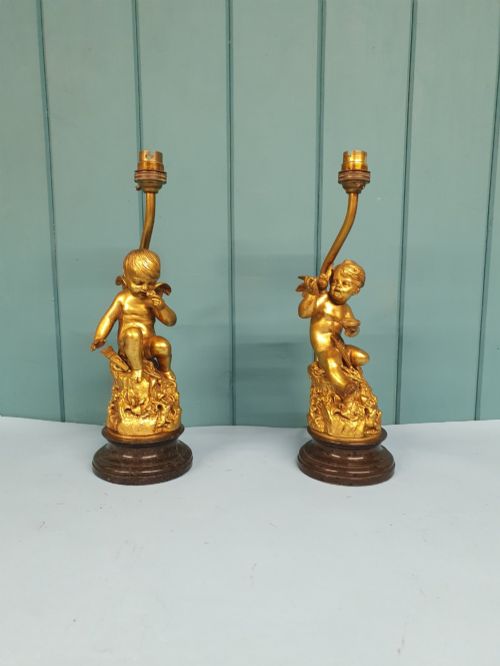
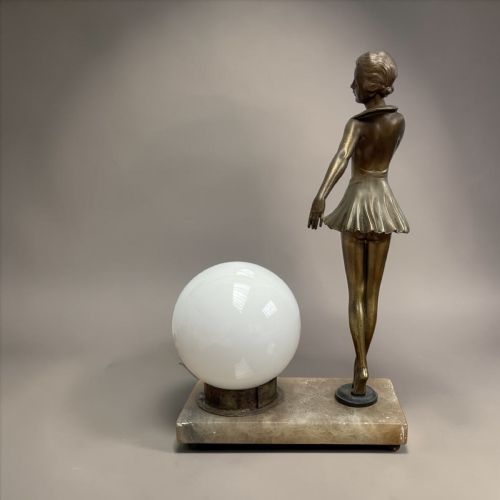
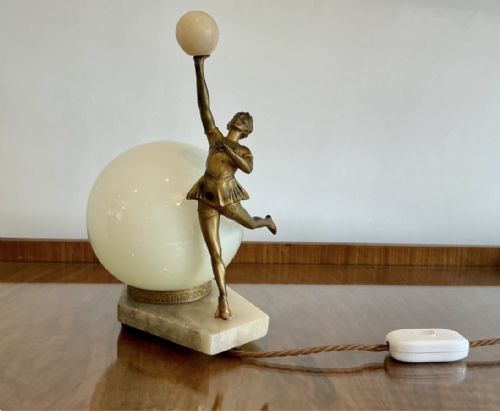
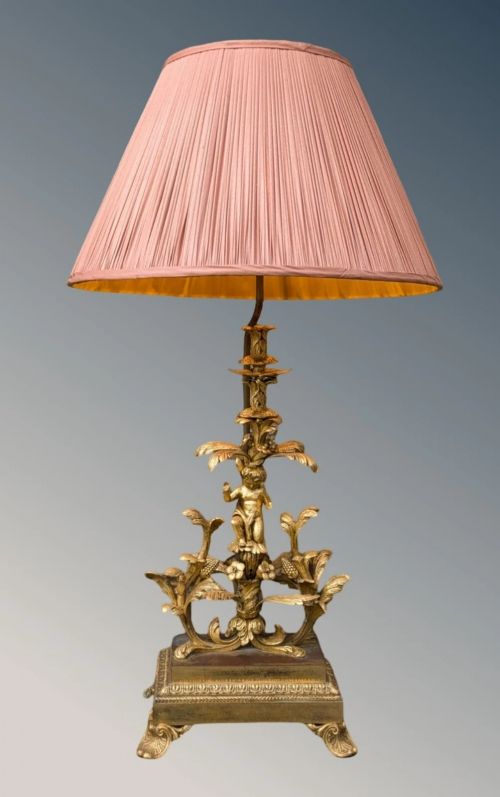
When searching for a bronze figure desk lamp, buyers encounter a diverse selection of figural lighting spanning the Victorian era through the Art Deco period. These pieces transform statuettes of mythological subjects, cherubs, and human figures into functional lighting, often incorporating bases made of marble or brass.
The most common examples on this page date from the nineteenth century and the early twentieth century, reflecting French Neoclassical, Art Nouveau, and Art Deco styles. Figures range from cast bronze and patinated metal to spelter, paired with glass or fabric elements to diffuse light across a desk or table.
Materials and Construction Techniques
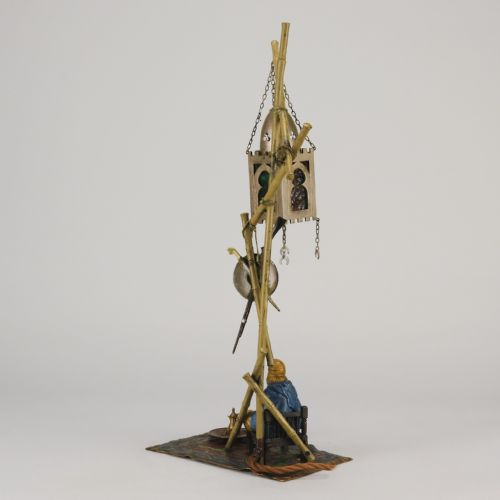
Construction relies heavily on traditional metal casting methods, utilising bronze, gilt bronze, or ormolu alongside alternative metals like spelter and brass. Cold-painting techniques frequently add realistic polychrome detail to figurative elements.
Many bases incorporate marble plinths, rock crystal columns, or opaline and frosted glass shades to complement the metallic figures. Converted statuary forms demonstrate how sculptured metal objects were adapted to house electrical or oil lighting mechanisms.
Listings span periods from the Victorian era through Art Deco, featuring bronze, spelter, marble, and opaline glass.
Distinctions in Quality and Execution
The selection of base materials, such as heavy veined marble versus simpler plinths, and the integrity of the original patination dictate the overall stature of an individual lamp.
G. Amodio Naples·Franz Bergman·L & F Moreau·Emile Picault·Aug. Moreau·Adrien Gaudez·P.Sega
The Bronze Figure Desk Lamp Glossary
- Spelter
- A zinc alloy frequently used as a cost-effective substitute for bronze in nineteenth and early twentieth-century figural casting. It typically receives a bronze-like finish or cold-painted decoration.
- Ormolu
- Gilt bronze produced by applying a finely ground high-carat gold-mercury amalgam to a bronze object before firing. This technique creates a rich, durable golden surface seen on high-status decorative pieces.
- Cold-painted bronze
- A method where paint is applied to a cold bronze object without subsequent kiln firing. This technique allows for intricate, colourful details on figural subjects.
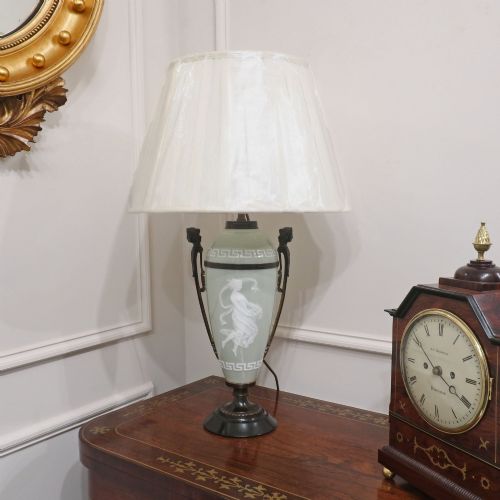
- Pate sur pate
- A ceramic decoration method meaning paste on paste, where layers of liquid white porcelain slip are built up on a coloured clay body to create a low relief cameo effect.
- Grand tour
- A cultural journey undertaken by wealthy young Europeans in the eighteenth and nineteenth centuries, often resulting in the acquisition of small bronze sculptures and antiquities.
Bronze Figure Desk Lamp: Frequently Asked Questions
Are these lamps converted from old statues?
Many examples began life as decorative cabinet bronzes or statuettes before being adapted into lamps. This conversion process often occurred decades after the initial casting.
Evidence from the listings shows numerous instances where nineteenth-century statuettes were purposefully altered to accommodate wiring or oil fittings.
What is the difference between bronze and spelter?
Bronze is a durable copper alloy valued for its weight and capacity to hold sharp cast details. Spelter is a softer zinc-based metal that was widely used for decorative figures during the Art Deco and late Victorian periods.
Items cast in spelter are lighter than bronze and often display a painted finish rather than a chemical patina.
How do I identify an Art Deco piece?
Art Deco lamps on this page typically feature stylized female figures, streamlined silhouettes, and geometric motifs. These pieces are predominantly dated around nineteen thirty.
The aesthetic emphasises sleek lines and modern interpretations of the human form compared to earlier nineteenth-century romantic styles.
Can these lamps be used on a working desk?
These lamps provide functional illumination, though their original purpose often varied between task lighting and decorative night lights. Consideration should be given to their physical proportions relative to modern desk space.
Many incorporate heavy marble bases that ensure stability when placed on a writing surface.