


Bronze Figural Group Sculpture
A bronze figural group sculpture brings multiple figures together in metal, capturing classical myth, maternal love or lively dance.
Bronze Figural Group Sculpture
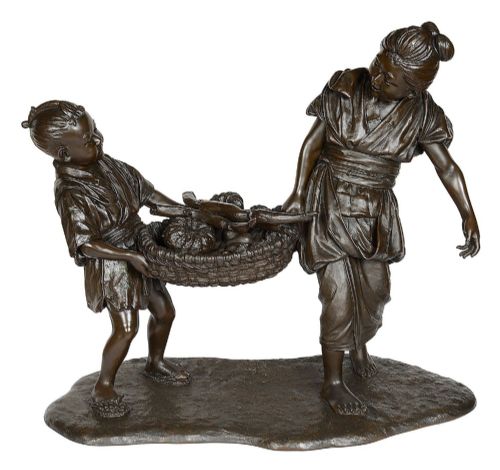
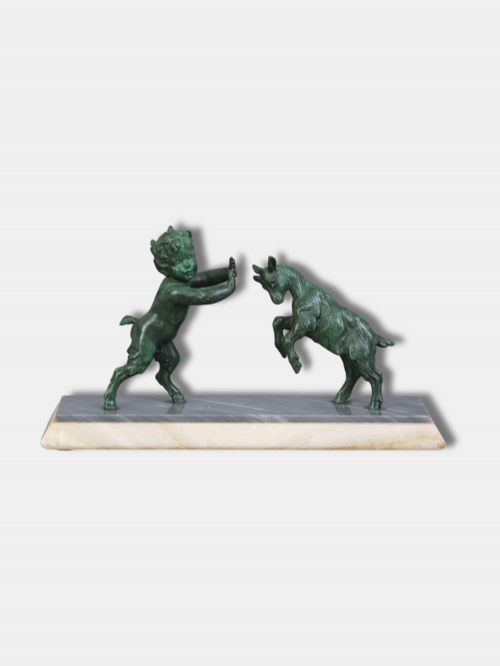
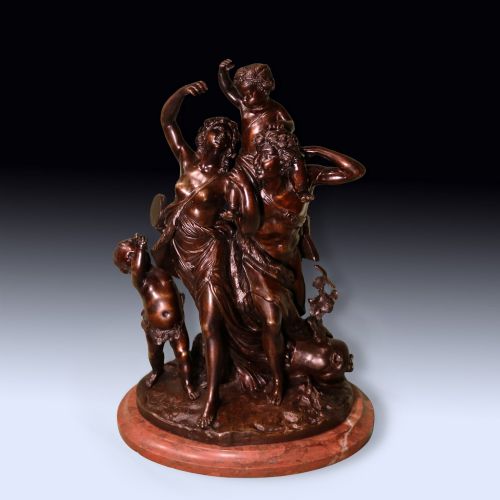
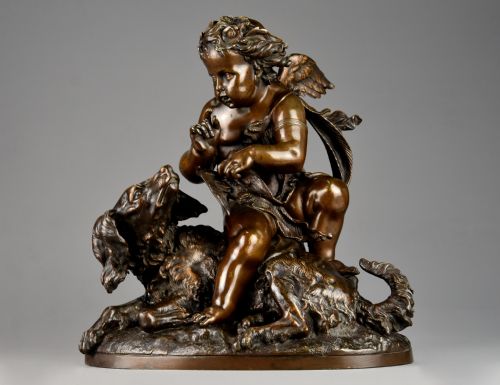
A bronze figural group sculpture portrays more than one subject interacting within a single composition, frequently drawing upon classical mythology or domestic scenes. These multi-figure works range from playful putti and Bacchic revellers to mothers with children and mythological fauns.
French foundries dominate the 19th-century offerings, often cast after celebrated models by sculptors such as Clodion. Buyers also encounter Japanese metalwork and later Art Deco interpretations featuring dancers and animals.
How they were made
Casting utilised traditional lost-wax or sand-casting methods to achieve intricate detail in the metal. The resulting bronze surfaces received various chemical treatments to produce dark patinas, silvered finishes or polished highlights.
Many heavier compositions incorporate natural stone bases, mounting the metal figures upon marble or onyx pedestals to provide stability and visual contrast.
Listings span the nineteenth century through the Art Deco era, utilising bronze, spelter, marble and onyx.
What varies in quality
The crispness of the chasing and the subtlety of the patina define the distinction between standard foundry output and masterworks. Finer casts retain delicate facial expressions, fluid drapery folds and precise anatomical definition without soft edges.
The reputation of the maker or foundry, alongside the complexity of the multi-figure composition, determines the distinction within the market. Signed pieces by established sculptors command greater attention than unsigned commercial editions.
Emile Carlier·E. Drouot·Carl Kauba·Auguste Moreau·Antoine Bofill
The Bronze Figural Group Sculpture Glossary
- Patina
- The surface coloration achieved through chemical treatment or natural ageing of the bronze. It enhances the visual depth of the metal.
- Putto
- A plump, often winged child figure frequently seen in classical and Renaissance revival compositions. These playful subjects appear alongside Bacchus.
- Spelter
- A zinc-based alloy used as an economical alternative to bronze. It often mimics the appearance of heavier metal.
- Lost-wax
- A casting process that allows intricate sculptural detail by replacing a wax model with molten bronze. This technique is standard for fine figures.
Bronze Figural Group Sculpture: Frequently Asked Questions
How do I clean a bronze sculpture?
Dust gently with a soft, dry cloth to remove surface particles.
Avoid using water, abrasives or household polishes which strip the original patina.
What is the difference between bronze and spelter?
Bronze is a heavy copper alloy valued for its durability and fine casting capabilities.
Spelter is a lighter, softer zinc alloy often utilised for affordable decorative figures.
Are these sculptures signed?
Many pieces bear the signature or foundry mark of the artist inscribed directly into the metal base.
Unsigned works remain common, particularly in decorative domestic casts from the period.
Why are marble bases used?
Heavy stone pedestals provide structural balance and support for multi-figure metal compositions.
They also offer a contrasting textural plinth that complements the patinated bronze.