

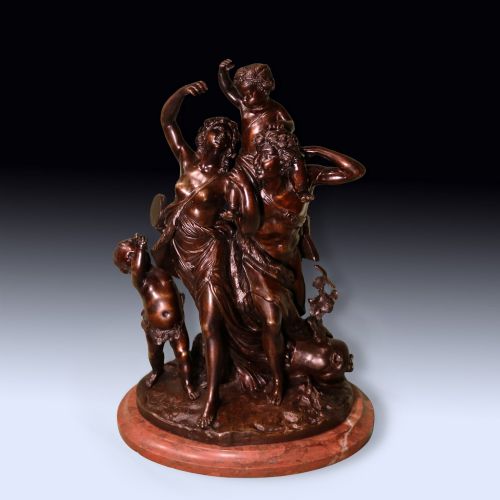
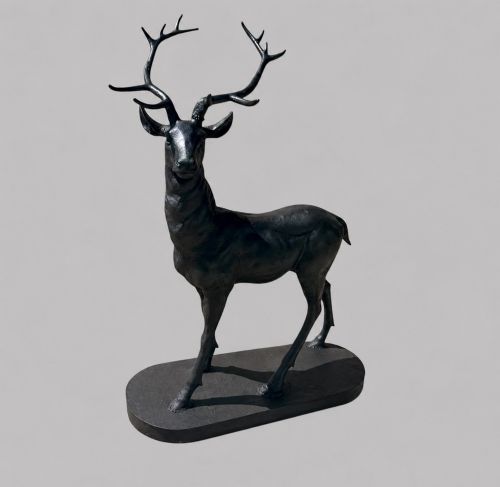


Patinated Bronze Tabletop Statue
A patinated bronze tabletop statue brings classical figures and decorative animal studies into domestic rooms through cast metal work.
Patinated Bronze Tabletop Statue
A patinated bronze tabletop statue represents a solid metal sculpture designed for display on furniture rather than architectural mounting. When you search for patinated bronze tabletop statue, you encounter subjects ranging from mythological figures and cherubs to dancers and wildlife.
The pieces on this page span several decades, originating from the nineteenth century through the early twentieth century. You find single figures, figurative groups, and functional forms such as candelabra statues.
Makers drew inspiration from classical antiquity, the Renaissance, and later design movements including Art Nouveau and Art Deco. French foundries and international sculptors produced these works for domestic interiors across Europe and America.
Materials and methods
Foundries utilised the lost-wax casting method or sand casting to produce these metal sculptures from bronze. Molten alloy filled moulds taken from an original model, capturing fine details in hair, drapery, and facial expressions.
Makers applied chemical treatments to the finished metal surface to create a distinct patinated bronze finish, producing brown, green, or dark tones. Some examples combine bronze with marble bases, gilt highlights, terracotta, or wood elements.
The listings span from 1800 to 1940, incorporating materials such as terracotta, marble, and silvered bronze alongside patinated bronze.
Factors of quality
Finishing work such as chasing and patination determines the visual depth of the surface. Skilled artisans hand-tooled the raw metal after casting to remove seams and enhance anatomical details before applying the final patina.
Georges-Charles Coudray·Auguste Moreau·Alexandre Kelety·Demetre Chiparus·Jean Jacques Pradier·Mario Korbel
The Patinated Bronze Tabletop Statue Glossary
- Patinated bronze
- Bronze treated with acids or heat to produce a stable coloured surface layer. This coating protects the metal and adds visual depth to the sculpture.
- Lost-wax casting
- A casting method where a wax model is melted out of a ceramic mould to leave a cavity for molten bronze. This technique allows for intricate undercuts and fine details.
- Grand Tour
- A nineteenth-century travel tradition where collectors acquired small bronzes copied from classical antiquities. These pieces served as portable souvenirs of European journeys.
- Chasing
- The manual refinement of a raw metal cast using small chisels and hammers. Artisans use this process to sharpen lines and remove casting imperfections.
- Art Deco
- A design style from the early twentieth century characterised by streamlined geometric forms and stylised figures. This movement influenced numerous tabletop sculptures of dancers and animals.
Patinated Bronze Tabletop Statue: Frequently Asked Questions
How do I clean a bronze statue?
Dust the surface gently with a soft, dry brush to remove particles without disturbing the underlying chemical layer.
Avoid using water, metal polishes, or chemical cleaners that strip the historic patination from the metal.
Are these statues solid bronze?
Many figures are cast as hollow forms to reduce weight and metal usage while maintaining structural stability.
Larger pieces often incorporate internal armature or are mounted securely to heavy bases made of marble or slate.
How do I identify the period?
Examine the stylistic markers, casting seams, and mounting techniques employed on the underside of the base.
Compare the aesthetic to documented movements such as Art Nouveau, Neoclassical revival, or Art Deco to narrow down the decade of production.
Where were these statues displayed?
Victorian and Edwardian households placed these sculptures on mantelpieces, side tables, and dedicated pedestals in parlours.
Smaller bronzes served as decorative desk accessories or focal points within formal living spaces.