

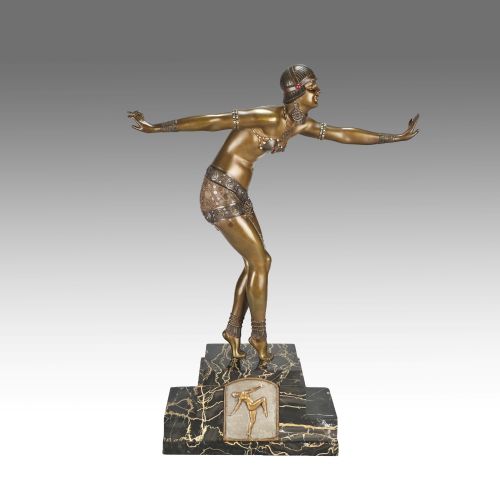
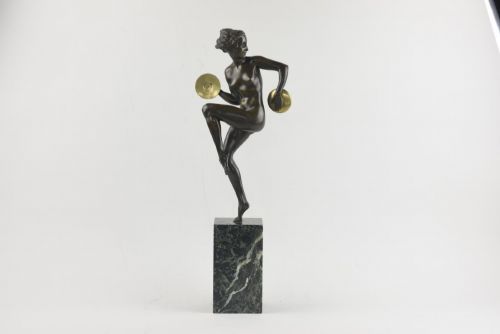
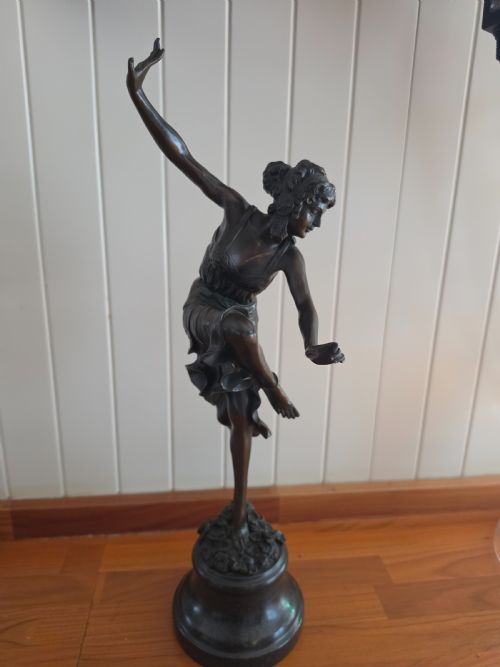


Bronze Female Dancer
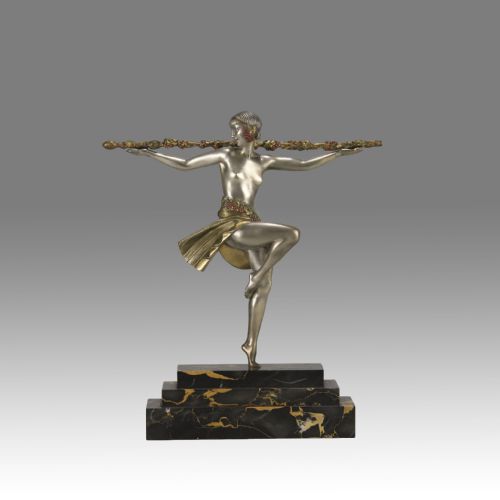
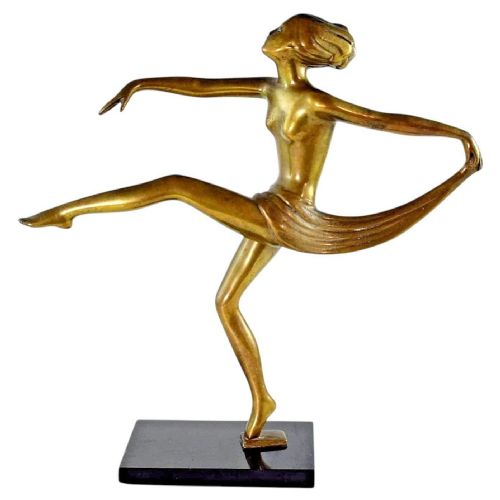
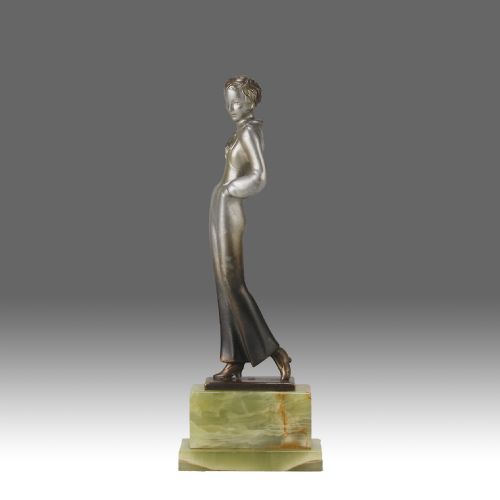
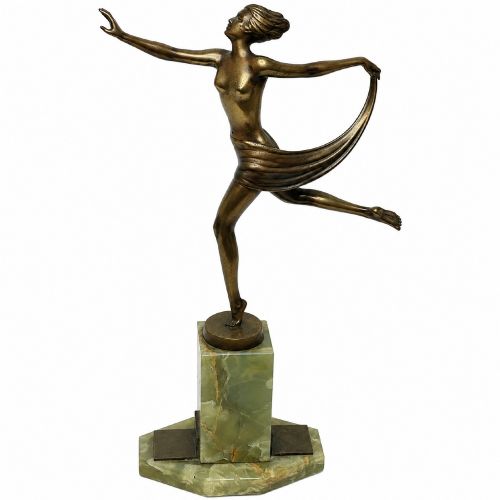
A bronze female dancer captures motion in metal, bringing the energy of the 1920s and 1930s into a room.
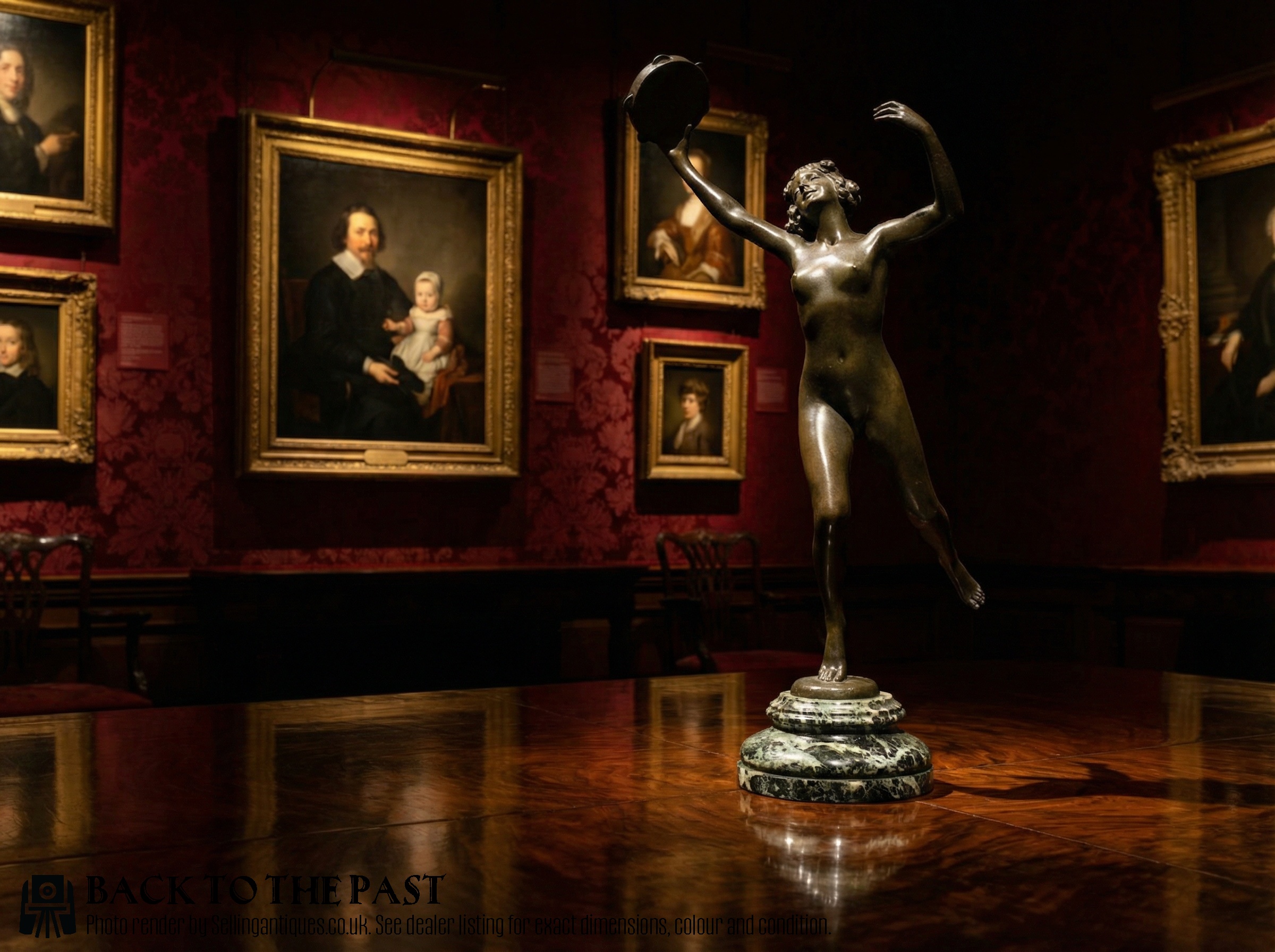
Bronze Female Dancer
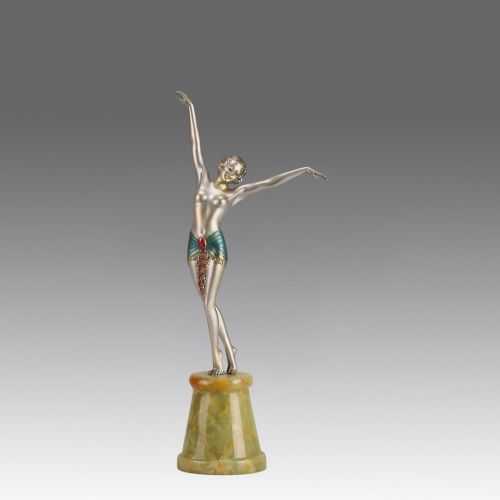
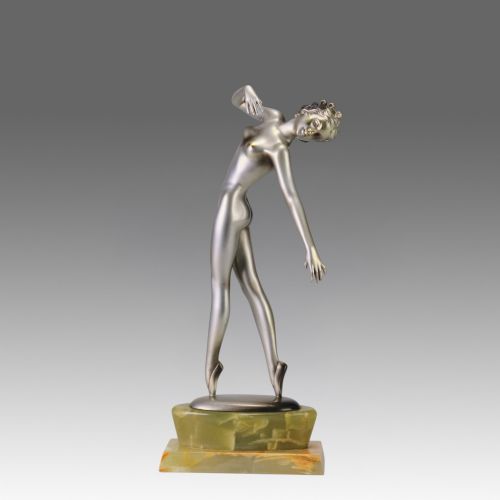
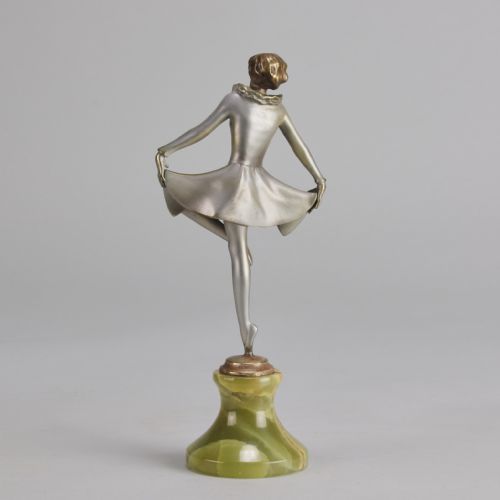
When you search for a bronze female dancer, you encounter figures frozen mid-performance, often balancing on heavy stone mounts. Art Deco and Neoclassical styles dominate these depictions, capturing the movement of ballet, cabaret, and exotic dance from the early twentieth century.
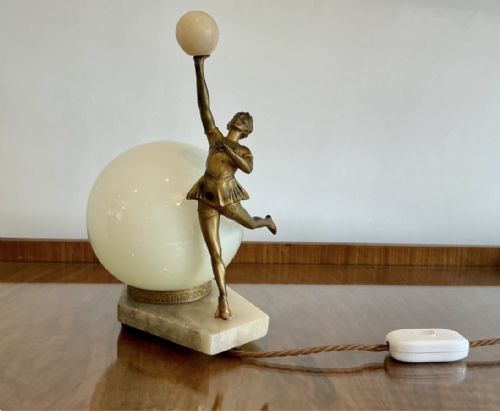
Most examples you meet on this page hail from the 1920s and 1930s, cast in European foundries. These pieces range from substantial multi-material figures to smaller domestic table lamps and lighters incorporating sculpted female forms.
Materials and Casting Methods
Foundries utilised traditional lost-wax casting to capture intricate drapery and posture in bronze. Artisans frequently mounted these metal figures onto sturdy plinths made of marble or onyx to provide stability.
Surface treatments added colour and texture through cold painting, silvering, or gilding directly onto the metal. Some pieces also incorporated carved ivory elements in chryselephantine combinations to contrast with the dark or patinated bronze.
Several dancers balance perilously on tiptoe, defying gravity while remaining firmly anchored to their heavy stone plinths.
Distinctions in Quality
The precision of the chasing work separates standard foundry output from exceptional pieces. Sharp details in the dancer's fingers, facial expressions, and costume ornamentation indicate superior studio execution.
The choice and thickness of the mounting stone also mark the tier of the piece. Dense, well-polished marble and onyx bases matched to the specific proportions of the figure elevate the overall integrity of the sculpture.
Pierre le Faguays·Josef Lorenzl·Demetre Chiparus·Claire Jeanne Roberte Colinet·Bruno Zach
The Bronze Female Dancer Glossary
- Cold-painted bronze
- A technique where oil paint is applied to a cold bronze surface rather than fired in a kiln. This finish is delicate and susceptible to chipping over time.
- Chryselephantine
- A term describing statues made from a combination of bronze and ivory. The method highlights flesh tones against patinated metal garments.
- Spelter
- A zinc alloy frequently used as a cheaper alternative to bronze. It offers a similar weight and appearance when painted or patinated.
- Patination
- The chemical treatment applied to metal surfaces to produce a specific colour or aged finish. This process protects the underlying bronze while defining contours.
Bronze Female Dancer: Frequently Asked Questions
How do I clean my bronze dancer?
Dust the sculpture regularly with a soft, dry cloth to prevent dirt accumulation. Avoid using chemical polishes, water, or abrasive materials that can strip the original patina or cold-painted finish.
For stubborn dust in crevices, use a soft artist's paintbrush. Keeping the piece away from direct sunlight and high humidity preserves the stability of both the metal and any underlying stone base.
Are these figures signed?
Many examples bear the cast signature or cipher of the artist directly on the bronze or on the marble base. Signatures often appear near the feet of the dancer or along the edge of the plinth.
However, numerous period pieces were produced unsigned or bore only foundry marks and country stamps. An unsigned sculpture can still display the high craftsmanship associated with major European studios of the era.
What is chryselephantine?
Chryselephantine refers to sculptures combining bronze with carved ivory for the face and hands. This technique allowed artists to create realistic flesh tones contrasting against patinated or gilt garments.
These mixed-media figures require stable indoor humidity to prevent the ivory from drying and cracking. Collectors prize them for the complexity of assembling two distinct materials securely.
Why are marble bases used?
Marble and onyx bases provide necessary weight and balance for figures poised on one foot or caught in dynamic motion. The dense stone anchors the tall, slender forms against tipping.
Beyond structural support, the contrasting colours and natural veining of the stone complement the metallic tones of the dancer. The geometry of the base often reinforces the overall aesthetic of the period.