






Bronze Faun Figure
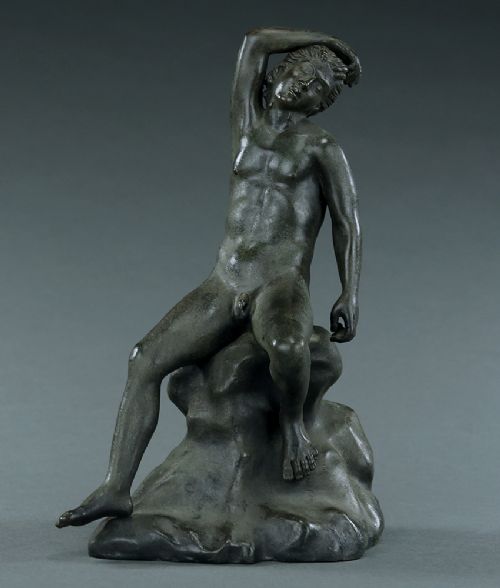
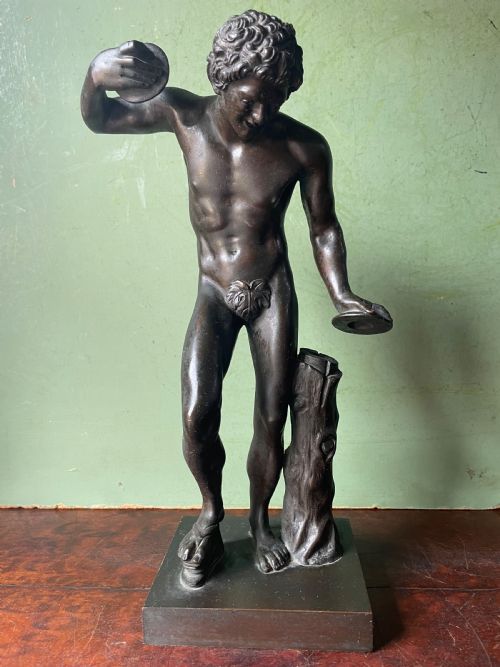
A bronze faun figure brings classical mythology into the nineteenth-century interior, capturing the joyous spirit of ancient sculpture for the collector of cabinet bronzes.
Bronze Faun Figure
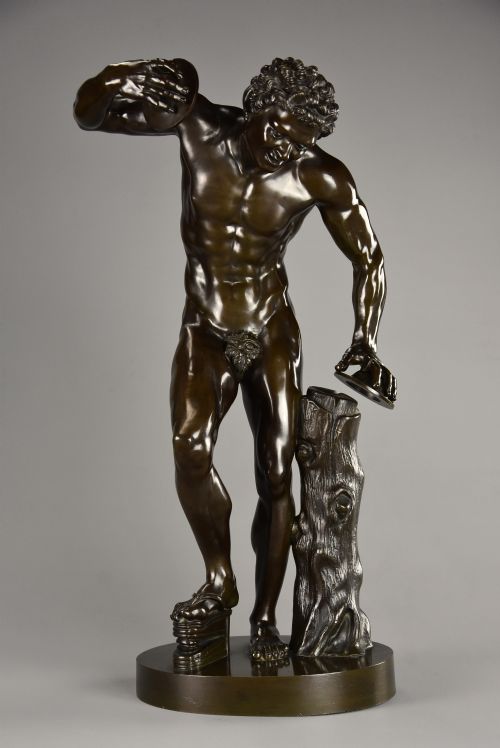
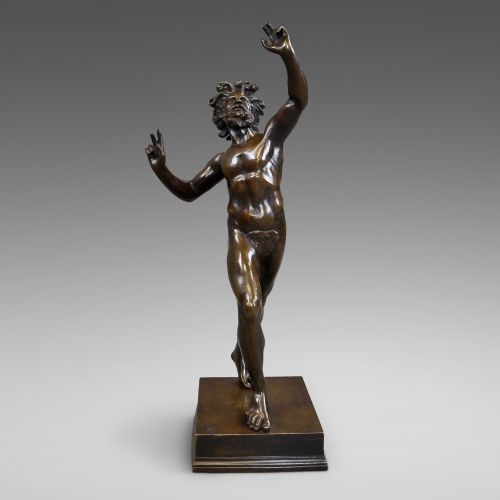
When you search for a bronze faun figure, you encounter sculptural interpretations of mythological woodland deities inspired by ancient discoveries in Italy. The pieces recorded here span the nineteenth and early twentieth centuries, drawing heavily upon classical excavations at Pompeii and Naples.
You are most likely to meet Grand Tour souvenirs produced in French and Italian workshops during the Victorian era. These range from reductions of famous museum sculptures to decorative interpretations featuring dancing fauns, satyrs, and companions of Bacchus.
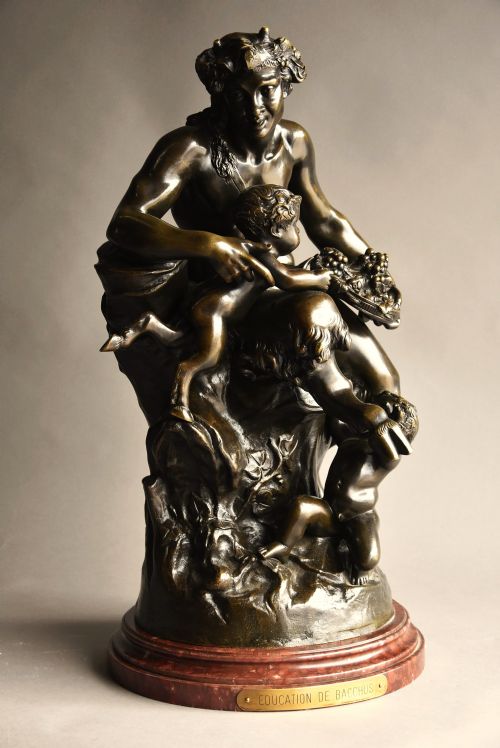
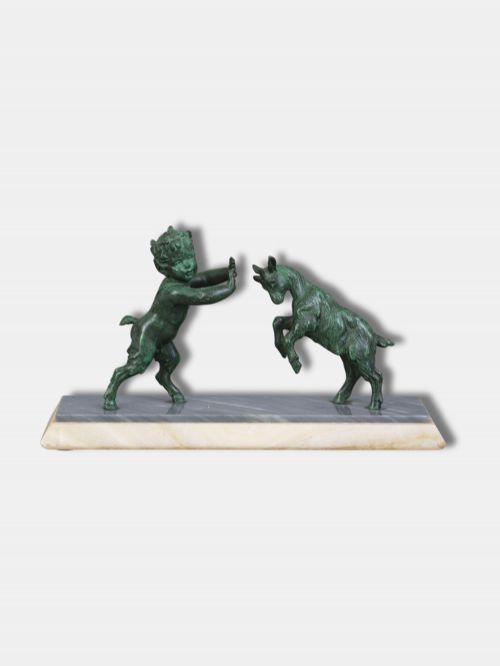
The forms vary from single standing figures playing cymbals or flutes to more complex groups involving goats or infant deities. Materials extend beyond standard bronze to include patinated metal, plaster, and marble bases.
How they were made
Foundries utilised traditional lost-wax casting and sand-casting methods to achieve detailed reductions of antique statuary. The resulting metal was then treated with chemical patination to create dark brown, verdigris, or green surface tones.
Many figures are mounted upon integrated or separate marble plinths, anchoring the composition and providing weight. Finer examples display chased and hand-finished surface details such as hair texture, musical instruments, and facial expressions.
Bronze Faun Figure Retail Price Guide 2026
Typical asking prices for bronze faun figure among the pieces listed under this phrase on Sellingantiques today, from the lower quarter to the upper quarter. They describe what is for sale here now, not the wider market.
Several fauns are caught mid-dance with cymbals raised, ensuring your mantelpiece permanently plays host to an eternal, metal-clad Roman party.
What varies in quality
The distinction between ordinary commercial souvenirs and exceptional studio pieces lies in the crispness of the chasing and the depth of the metalwork. Master founders retained the anatomical precision and lively movement seen in the original classical prototypes.
Surface patination significantly affects the visual appeal, with uneven or harsh modern treatments contrasting against subtle, aged chemical finishes. Maker attribution and foundry stamps further elevate certain nineteenth-century examples above unmarked tourist pieces.
Claude Michel Clodian·Emile Carlier·Augusto Rivalta
The Bronze Faun Figure Glossary
- Grand Tour
- A nineteenth-century tradition where wealthy travellers collected souvenirs of classical art and architecture across Europe. These small-scale bronzes served as tangible reminders of Italian museum visits.
- Patination
- The chemical or natural coloration applied to the surface of bronze sculpture. Founders used various acids and heat treatments to produce green, brown, or black tones.
- Reduction
- A smaller scale copy of a larger public or museum sculpture. Nineteenth-century reduction techniques allowed famous antiquities to be reproduced accurately for domestic display.
- Lost-wax casting
- A historic method of creating metal sculptures from an original model encased in wax and mould material. Molten bronze replaces the melted wax to form the final hollow piece.
- Neoclassical
- An artistic movement reviving the styles and spirit of classical antiquity. It dominated European decorative arts and sculpture through the eighteenth and nineteenth centuries.
Bronze Faun Figure: Frequently Asked Questions
What is a Grand Tour bronze faun?
A Grand Tour bronze faun is a nineteenth-century souvenir sculpture modelled after ancient Roman discoveries in Pompeii and Herculaneum. Travellers purchased these small bronzes abroad to display in their studies and libraries.
They replicate famous mythological subjects like the dancing faun of the Naples museum, translating monumental marble and bronze antiquities into cabinet-sized artworks.
How can I tell the period of a bronze faun?
Nineteenth-century pieces generally show specific casting techniques, hand-chased surface details, and characteristic chemical patination that differs from modern reproductions. Examining the underside and the nature of any mounting hardware helps determine the age.
Foundry marks, signatures, and the wear patterns on the bronze or marble base also provide clear chronological indicators for Victorian works.
Were these figures made in France or Italy?
Both nations produced significant quantities of these mythological bronzes during the nineteenth century. Italian workshops in Naples and Rome catered directly to foreign travellers seeking authentic local souvenirs.
Meanwhile, French foundries in Paris created highly refined reductions and artistic interpretations of the same classical themes for the broader European market.
Why are some fauns paired with goats or Bacchus?
In classical mythology, fauns and satyrs form part of the retinue of Bacchus, the god of wine and agriculture. Figures holding cymbals, clappers, or pipes represent the celebratory and musical aspects of this mythological realm.
Goats and infant companions further emphasise the rustic, woodland nature of these mischievous deities in classical art.