




Bronze Dog Ornaments
These bronze dog ornaments capture canine form with spirited realism, offering collectors tactile studies of hounds, terriers, and sporting breeds cast in metal.
Bronze Dog Ornaments
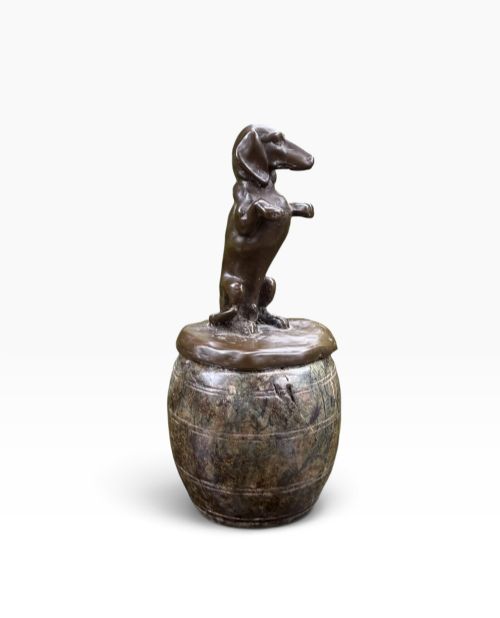
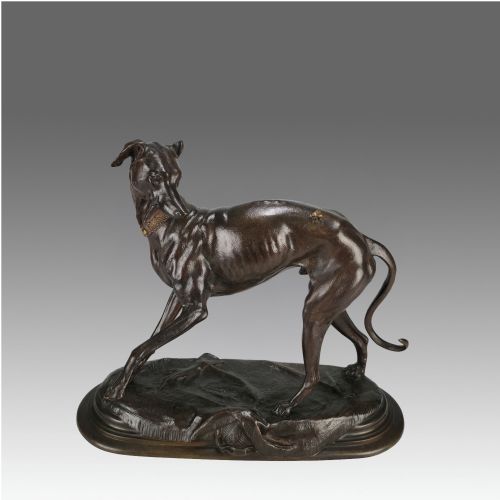
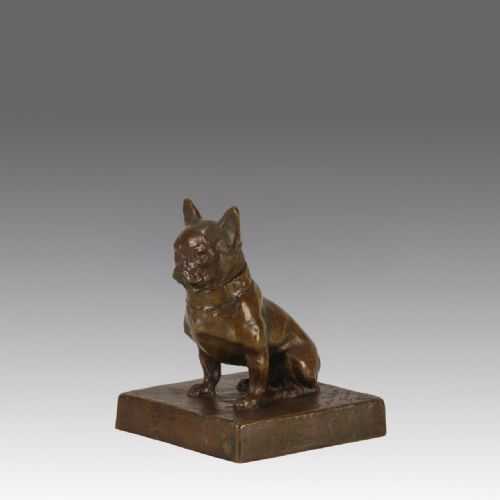
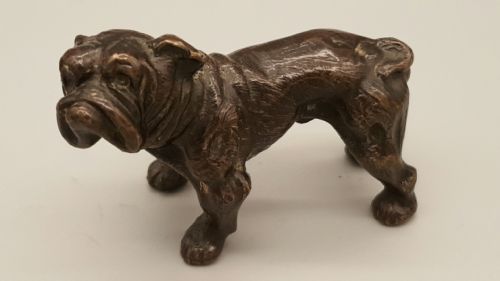
Bronze dog ornaments encompass sculptural studies, inkwells, paperweights, car mascots, and fireplace accessories created to honour domestic and sporting canines. These pieces frequently depict specific breeds such as greyhounds, dachshunds, pugs, terriers, and setters in naturalistic or stylised poses.
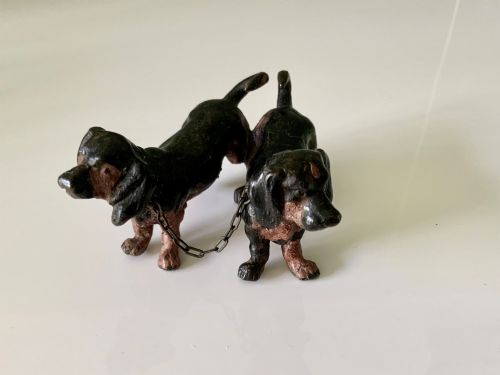
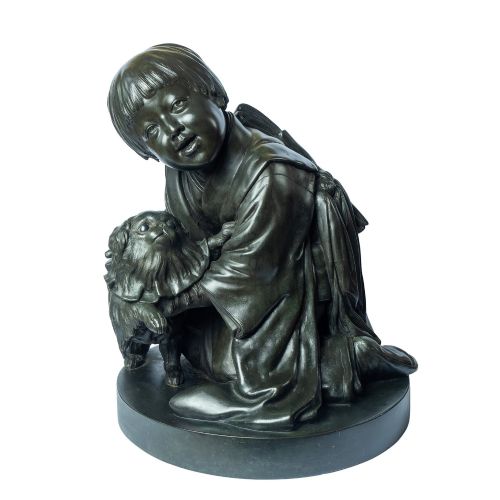
The selection ranges from European Animalier school compositions to Japanese Meiji period okimono and Austrian cold-painted works. French nineteenth-century examples often focus on hunting dogs and hounds, while later twentieth-century pieces incorporate Art Deco design aesthetics.
Buyers encounter everything from small desktop figurines to large fireplace chenets and monumental desk studies. The physical forms reflect the distinct sculptural traditions of their respective European and Japanese origins.
Materials and Technique
The primary medium across these works is cast bronze, utilised either in its natural metallic state, gilt, or treated with patination to achieve deep brown and dark green surface tones. Many European works employ the lost-wax casting method to secure anatomical precision.
Austrian and Viennese workshops frequently apply vibrant polychrome paint over cold bronze surfaces, giving rise to highly detailed cold-painted animal figures. Alternative materials include marble and onyx plinths, glass components, and occasional instances of painted spelter or iron.
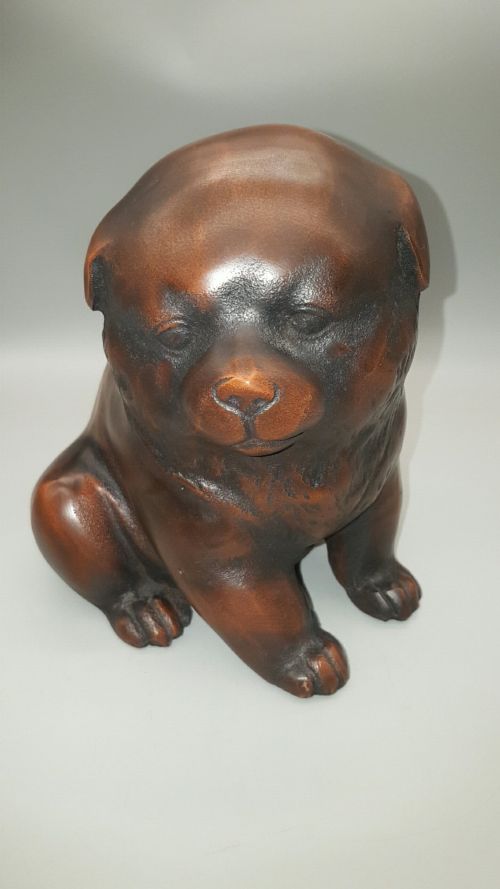
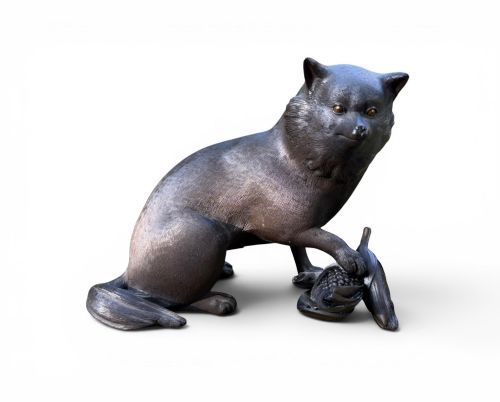
Japanese okimono figures demonstrate sophisticated metalworking traditions, capturing fine fur textures and lifelike postures through expert casting and chiselling techniques.
Current selections feature nineteenth and early twentieth-century pieces, spanning the Victorian, Edwardian, and Art Deco eras.
Craftsmanship and Expression
Quality in these ornaments is determined by the fidelity of the anatomical modelling and the expressive capture of canine movement and temperament. Superior casts render musculature, bone structure, and coat textures with precise observation.
The depth and preservation of surface finishing, whether through hand-applied cold paint or subtle patination, distinguish finer studio productions from standard commercial castings. Signed pieces by established sculptors generally demonstrate superior chased detailing and compositional balance.
The integration of secondary materials, such as fitted marble bases or multi-part bronze assemblies, contributes to the overall structural integrity and aesthetic weight of the finished object.
Alfred Barye·Dora Heber·Pierre Jules Mene·Jules Moigniez·Edith Parsons·Auguste Nicholas Cain·Arthur Waagen·Louis Riche·Franze Bergman·Unno Shomin
The Bronze Dog Ornaments Glossary
- Animalier
- A nineteenth-century artistic movement dedicated to the realistic depiction of animals, particularly associated with French and European sculptors. Practitioners focused on capturing creatures in motion or repose with anatomical exactness.
- Cold-Painted Bronze
- A technique where bronze sculptures are painted with cold enamel colours after casting, rather than being fired in a kiln. This method is characteristic of Viennese workshops producing small, highly coloured animal figures.
- Okimono
- A traditional Japanese decorative figurine designed for display on a shelf or in a tokonoma alcove. These pieces often portray animals, figures, or daily scenes with meticulous attention to detail.
- Patination
- The chemical or natural treatment applied to the surface of bronze to alter its colour and create protective layers. Tones range from rich dark browns to verdigris greens.
- Chenet
- A firedog or iron support used in pairs on hearths to hold logs, frequently adorned with decorative bronze figures such as hunting dogs. These functional ornaments anchor traditional fireplace arrangements.
Bronze Dog Ornaments: Frequently Asked Questions
What is an Animalier bronze?
An Animalier bronze is a nineteenth-century sculpture focused specifically on the realistic portrayal of animals. These works capture creatures in natural anatomical detail, whether resting, hunting, or playing.
French workshops popularised this genre, producing expressive studies of dogs, horses, and wildlife that appealed to collectors of natural history and fine art.
What are Japanese okimono dog figures?
Japanese okimono are small decorative sculptures created during the Meiji period and later for interior display. Dog okimono, including puppies and tanuki figures, showcase exceptional metalworking skill.
These pieces were cast in bronze or iron, capturing playful domestic scenes or traditional folklore subjects with high fidelity.
Where were bronze dog ornaments placed?
Bronze dog ornaments served various domestic functions depending on their scale and form. Small figures acted as desk paperweights, inkwells, or decorative mantelpiece ornaments.
Larger pairs functioned as fireplace chenets or fireside statues, while specialised castings served as automobile hood mascots during the early twentieth century.