


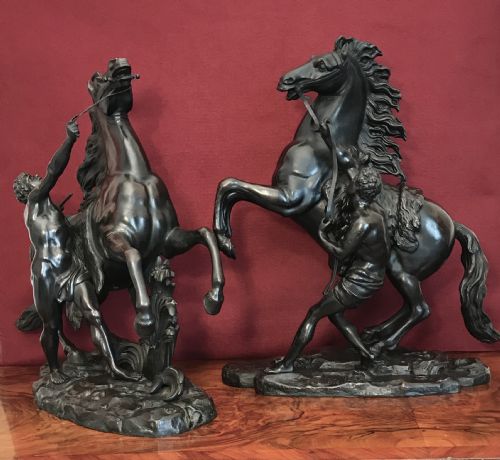


Bronze Classical Horse Figures
These bronze classical horse figures capture the drama of antique equestrian art, offering sculptural presence derived from monumental public statuary.
Bronze Classical Horse Figures
When you search for bronze classical horse figures, you are looking at sculptural works that interpret antique equine motifs. These figures draw heavily on French Neoclassical design, Academic Realism, and Grand Tour souvenirs from the nineteenth century.
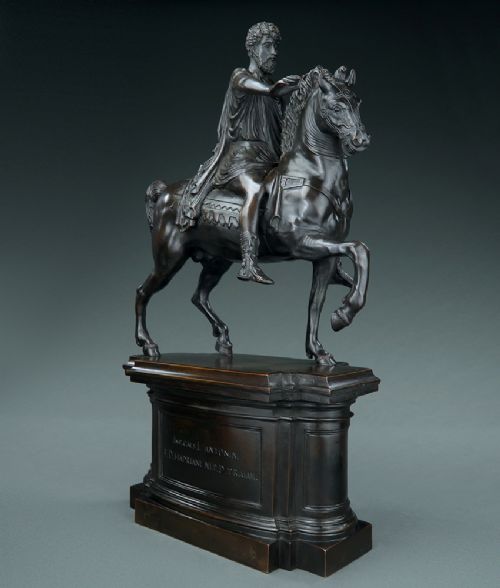
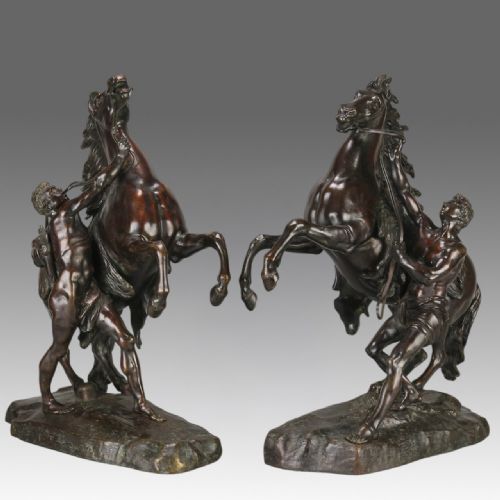
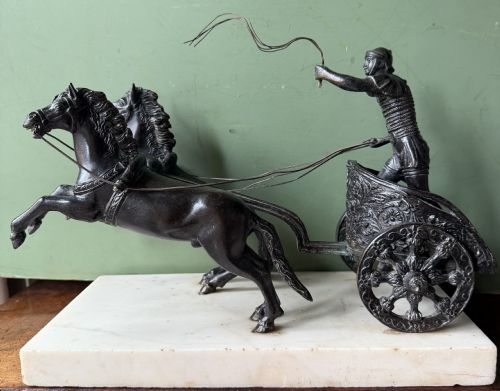
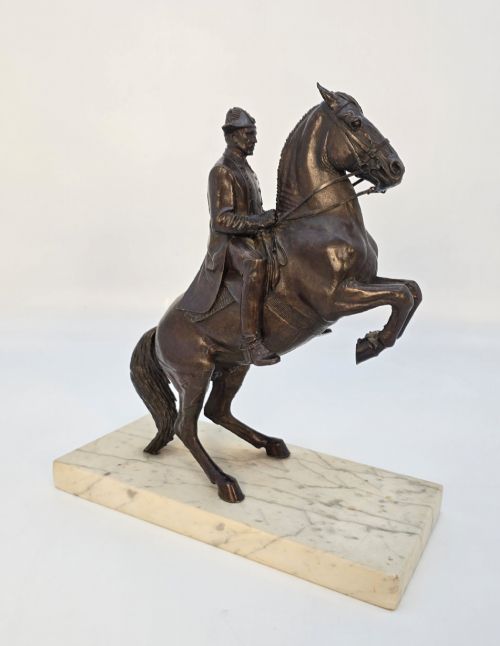
The versions you are most likely to meet on this page include pairs of Marly horses after Coustou, Italian Grand Tour studies on marble plinths, and depictions of riders on horseback. They range from solid patinated bronze to bronzed metal and spelter compositions produced across the Victorian era and into the mid twentieth century.
How they were made
Many of these sculptures utilise traditional foundry methods to shape molten bronze into dynamic animal forms. Makers applied chemical patinas to achieve deep brown or dark green surface tones that emulate ancient metalwork.
Some examples incorporate subsidiary materials, mounting heavy metal sculptures upon white marble plinth bases. Alternative production methods utilise bronzed metal or spelter to create similar figurative results at a different weight.
Listings feature pieces spanning the nineteenth century alongside mid-twentieth-century examples, utilising bronze, brass, marble, and spelter materials.
What varies in quality
Quality in these sculptures rests upon the crispness of the casting detail in the musculature, mane, and harness. Finer examples capture anatomical tension and the individual textures of the horse and groom with sharp precision.
The depth and consistency of the patination also distinguish the work, alongside the quality of any associated marble base. Heavier solid bronze castings demonstrate a different substance compared to lighter alternative metal alloys.
Coustou·Charles Crozatier·Verrocchio
The Bronze Classical Horse Figures Glossary
- Marly Horses
- Large monumental sculptural groups originally commissioned for the Chateau de Marly, depicting rearing horses restrained by handlers. Numerous nineteenth-century reductions recreate these famous compositions.
- Grand Tour
- A traditional travel itinerary undertaken by European elites to study classical art and architecture, generating demand for portable bronze souvenirs. These small-scale figures often depict famous public monuments.
- Patina
- The surface coloration and sheen developed naturally over time or applied chemically by a foundry. In bronze sculpture, this finish ranges from bright highlights to deep dark brown tones.
- Spelter
- A zinc-based alloy frequently utilised as a substitute for bronze in decorative figures. It is lighter in weight and often finished with a metallic paint or patination.
- Plinth
- A heavy flat base supporting a sculpture, commonly fashioned from white marble in nineteenth-century equestrian studies.
Bronze Classical Horse Figures: Frequently Asked Questions
What are Marly horses?
Marly horses refer to sculptural depictions of rearing horses with their grooms, originating from famous French monumental commissions. These dynamic subjects became exceptionally popular for domestic bronze studies during the nineteenth century.
Pairs of these figures often display balanced opposing postures designed for display on mantelpieces or large side tables.
How old are these bronze figures?
The pieces listed across this selection predominantly date from the nineteenth century, with specific examples originating around eighteen eighty and the Victorian period. Some later mid-twentieth-century equestrian studies also appear.
Stylistic markers and foundry techniques help distinguish earlier nineteenth-century Grand Tour souvenirs from later Victorian and twentieth-century productions.
What is a Grand Tour bronze?
A Grand Tour bronze is a small-scale souvenir acquired by travellers visiting European cultural sites during the eighteenth and nineteenth centuries. These figures replicated famous classical sculptures and Renaissance monuments for domestic display.
Subjects ranged from reduced copies of Italian architectural sculptures to detailed studies of historic horse riders.
Are these figures solid bronze?
Materials vary across the selection, encompassing heavy cast bronze, patinated bronze, and alternative compositions like bronzed metal and spelter. Solid bronze examples provide greater weight and durability.
Examining the underside and the sharpness of the casting helps identify the specific metal alloy used by the maker.
How do I style them at home?
These sculptural figures suit prominent placement on desks, bookcases, or marble-topped sideboards where their dynamic silhouettes can be appreciated from multiple angles. Paired sets work effectively as symmetrical mantelpiece ornaments.
Keep them away from direct moisture and clean only with a soft dry cloth to preserve the surface patination.