




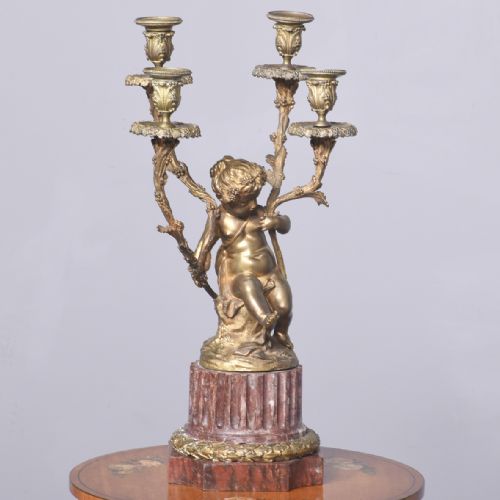

Bronze Cherub Table Candlesticks
Bronze cherub table candlesticks are decorative cast metal light holders depicting winged infants, prized for their classic French styling and warm metallic lustre.
Bronze Cherub Table Candlesticks
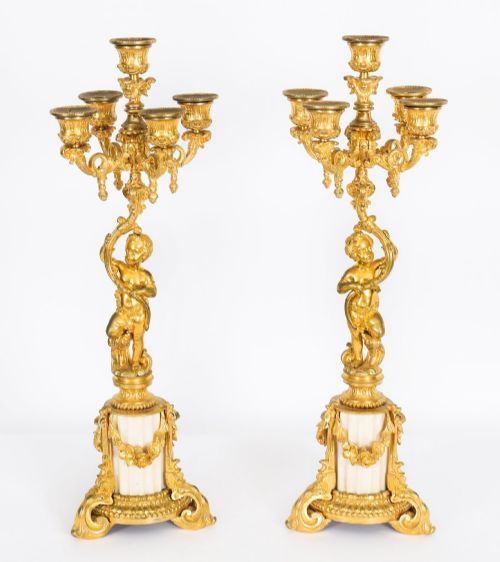
Bronze cherub table candlesticks combine figural sculpture with functional lighting, frequently taking the form of paired mantel or table ornaments. Buyers searching for bronze cherub table candlesticks encounter works primarily originating from nineteenth-century France, spanning periods such as the Regency, Victorian era, and Napoleon III reign.
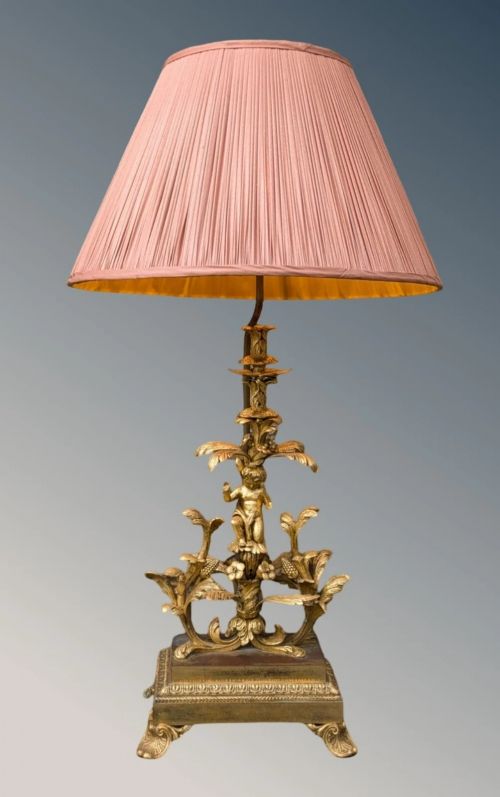
These items manifest in various configurations, ranging from single candle holders to twin-light candelabra and converted table lamps. Many examples incorporate sculpted putti figures standing upon marble bases, holding aloft sockets for candles.
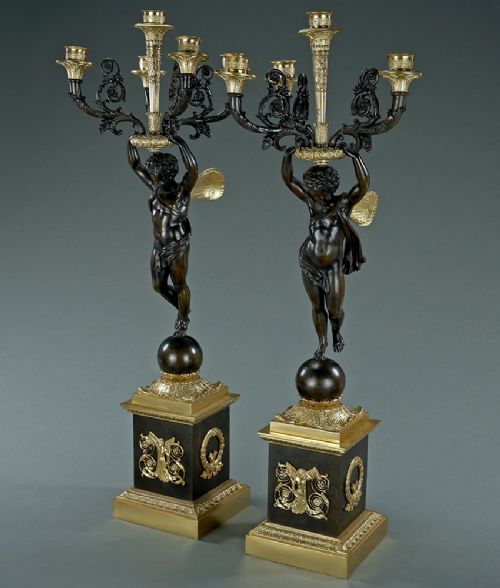
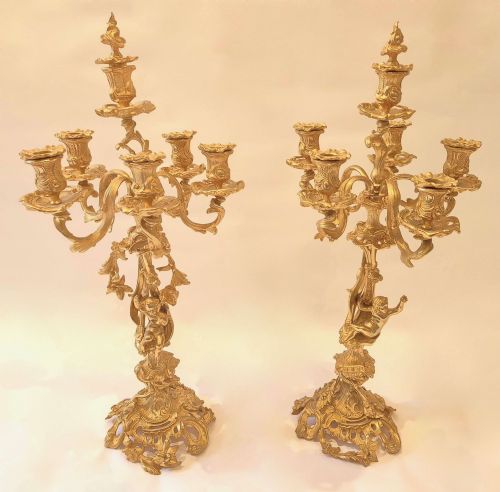
Stylistic influences lean heavily toward French Empire, Louis XVI Style, and French Rococo Revival designs. The cherubs themselves appear as cast bronze, patinated bronze, or bronzed spelter figures.
How they were made
Manufacturing methods rely upon metal casting techniques, utilising materials such as bronze, ormolu, gilt bronze, and occasionally bronzed spelter. Figures and structural components are cast separately before being assembled and finished.
Surface decoration frequently combines fire-gilding, creating the rich ormolu finish, alongside dark patination on the bronze figures. Several pieces incorporate marble bases to provide weight and stability.
Bronze Cherub Table Candlesticks Retail Price Guide 2026
Typical asking prices for bronze cherub table candlesticks among the pieces listed under this phrase on Sellingantiques today, from the lower quarter to the upper quarter. They describe what is for sale here now, not the wider market.
Listings feature nineteenth-century pieces spanning the Regency, Victorian, and Napoleon III periods, utilising gilt bronze, ormolu, marble, and patinated bronze.
What varies in quality
Quality rests upon the crispness of the metal chasing and the depth of the casting detail in the cherub figures. Finer examples display subtle modelling in the facial expressions, hair, and drapery.
The choice of materials dictates the overall calibre, distinguishing heavy fire-gilded ormolu and solid bronze from lighter bronzed spelter alternatives. The integration of high-grade marble bases further separates standard production from superior pieces.
The Bronze Cherub Table Candlesticks Glossary
- Ormolu
- Gilt bronze produced by applying a mercury-gold amalgam to a bronze base. This technique produces a durable golden finish characteristic of French decorative objects.
- Spelter
- A zinc alloy used as a less expensive substitute for bronze in metal casting. It is often painted or bronzed to simulate genuine bronze.
- Putti
- Depictions of chubby male infants, often winged, derived from classical art. They appear frequently as the central cherubic figures in these candelabra.
- Patinated bronze
- Bronze treated with chemical solutions to produce a specific surface colour or dark tone. This finish highlights the sculptural contours of the cast figures.
Bronze Cherub Table Candlesticks: Frequently Asked Questions
Are these items purely decorative?
While highly ornamental, many of these pieces function practically as candle holders or have been adapted as table lamps. They were designed to illuminate dining rooms, salons, and mantlepieces.
Over time, some pairs receive electrical wiring to serve as table lamps while retaining their original nineteenth-century bronze and ormolu figures.
How do I identify French Empire style?
French Empire style pieces display classical motifs, symmetry, and military or mythological influences dating from the early nineteenth century. They often feature clean architectural lines combined with contrasting bright ormolu and dark patinated bronze.
Later Victorian revivals borrow these classical elements, merging them with ornate Rococo scrollwork and naturalistic cherub motifs.
What is the difference between spelter and bronze?
Bronze is a robust copper alloy capable of holding fine detail and supporting substantial weight. Spelter is a softer, zinc-based metal that feels lighter and requires careful handling.
Castings in spelter often receive a bronzed finish to mimic genuine bronze, though they lack the same density and durability.
Where should I place them?
These candlesticks suit prominent display locations such as sideboards, mantelpieces, or dedicated entrance hall tables. Their reflective gilt surfaces and sculptural forms interact well with natural and ambient room lighting.
Pair them with complementary nineteenth-century furnishings to maintain a coherent period aesthetic in the room.