
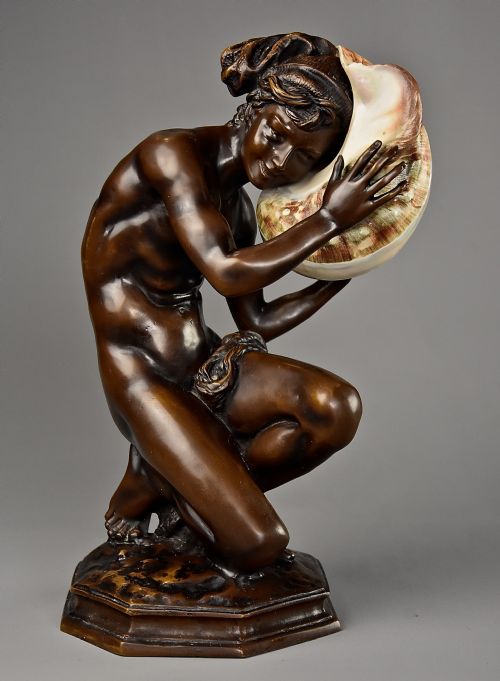


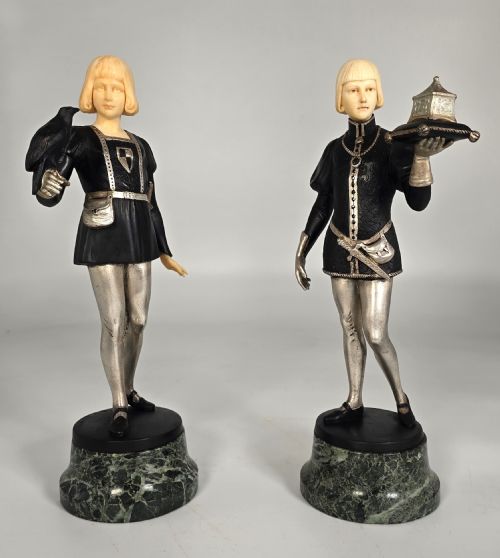


Bronze Boy Sculpture
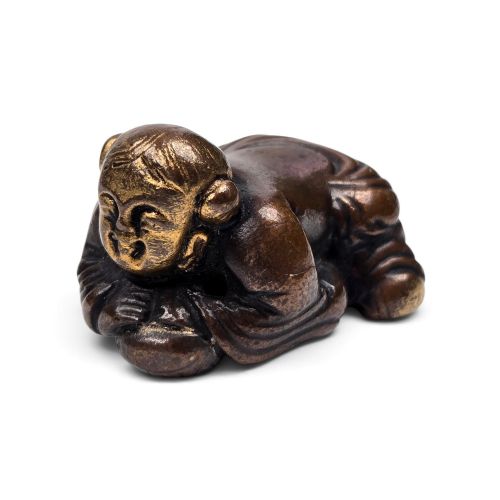
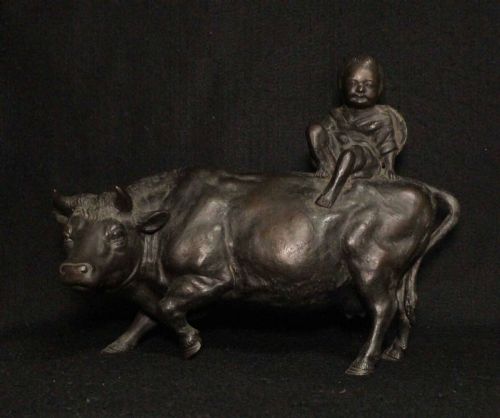
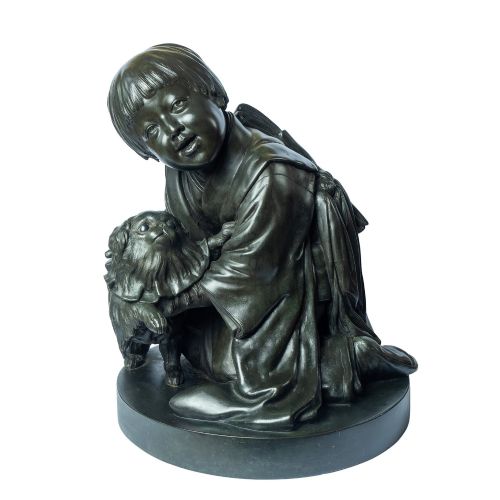
These bronze boy sculpture examples span diverse global traditions, capturing youthful figures in moments of daily life, classical repose, and artistic fancy.

Bronze Boy Sculpture
A bronze boy sculpture brings domestic scenes, classical mythology, and Orientalist themes into three dimensions. Collectors encounter everything from utility items like desk paperweights and table lighters to monumental statues and okimono.
The objects derive largely from nineteenth-century European workshops, Meiji period Japan, and early twentieth-century Art Deco studios. Figures of fishers, scholars, water carriers, and street urchins appear frequently across the periods.
Makers drew inspiration from antique precedents such as the Spinario alongside contemporary realism. Figures are depicted reading, playing instruments, riding animals, or carrying everyday objects.
Materials and methods
Casting methods produced solid or hollow metal forms, occasionally finished with patination or cold-painted pigments. Bronze works frequently interact with mounting materials including marble, onyx, and metal bases.
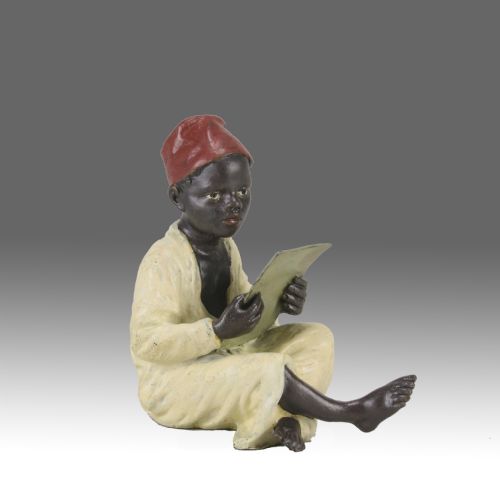
Alternative media like painted terracotta and spelter appear alongside metal casts, reflecting diverse studio practices. Surface treatments include selective fire-gilding and applied colour over patinated surfaces.
Subjects range from classical figures like Spinario to street urchins, fishers, and scholarly desk ornaments.
Assessing the craftsmanship
Quality rests upon the crispness of the cast and the nuance of the surface chisel-work. Superior examples retain fine details in facial expressions, hair texture, and clothing folds without softness from worn moulds.
The integrity of the patina or cold-painted surface dictates the visual impact of the piece. Base materials like marble or onyx also contribute to the overall presence of the sculpture.
Franz Bergman·Masaaki·Jean-Baptiste Carpeaux·Julien Lorieux·Gotthilf Jaeger·Carl Kauba·Barbedienne·Giuseppe Renda·Joaquim Angles·Ferdinand Preiss·Vincenzo Gemito·Antoine Bofill·Auguste Moreau·Charles Anfrie·Lorenzl·Emile Victor Blavier·Lavergne·Eugene Laurent·Goldscheider
The Bronze Boy Sculpture Glossary
- Patina
- The surface coloration and sheen developed naturally over time or applied chemically by the foundry. This finish protects the metal and defines the visual depth of the sculpture.
- Cold-painted bronze
- A technique where paint is applied to metal objects without high-temperature firing. This method is particularly associated with Viennese workshops producing figures of children and exotic subjects.
- Okimono
- A Japanese decorative freestanding sculpture designed for display on a shelf or in a tokonoma alcove. These pieces showcase intricate metalwork from the Meiji period.
- Spelter
- A zinc alloy used as a less costly alternative to bronze, frequently painted or patinated to imitate copper alloys. It appears often in figures mounted on onyx bases.
- Grand Tour style
- Souvenirs and replicas of classical antiquities collected by Europeans travelling through Italy during the eighteenth and nineteenth centuries. These include miniature bronzes after famous statues.
Bronze Boy Sculpture: Frequently Asked Questions
How do I care for my bronze boy sculpture?
Keep the metal clean by gently dusting with a soft brush or microfibre cloth. Avoid using liquid cleaners, polishes, or harsh chemicals that can strip the original patination.
Place the sculpture away from direct sunlight, high humidity, and heat sources to protect the metal surface and any stone bases like marble or onyx.
What is cold-painted bronze?
Cold-painted bronze involves applying pigment directly to the metal without firing the piece in a kiln. This technique allowed artists to achieve vibrant multi-coloured finishes on small decorative figures.
Because the paint sits on the metal surface rather than fusing with it, these pieces require careful handling to prevent flaking or loss of pigment over time.
How can I distinguish spelter from bronze?
Spelter is a softer zinc alloy that feels lighter than bronze and often shows a dull grey metal beneath worn areas of paint. It was commonly used for decorative figures mounted on stone or metal bases.
Bronze is heavier, more rigid, and develops a rich metallic tone or stable patina rather than chipping like painted spelter alloys.
What does Grand Tour style mean?
Grand Tour pieces are nineteenth-century reductions or copies of classical antiquities collected during educational travels across Europe. They represent iconic sculptures seen in Italian galleries and excavations.
These works allowed collectors to bring classical art into private studies, often utilising dark patinated finishes to mimic ancient metalwork.