


Bronze Animalier Figure
A bronze animalier figure captures the muscle and movement of wildlife through cast metal, bringing the raw energy of the natural world into an interior space.
Bronze Animalier Figure
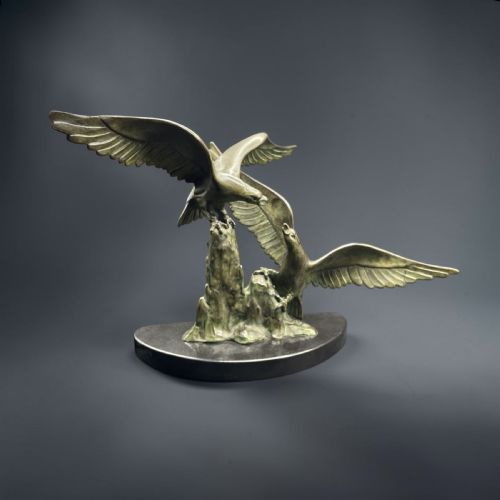
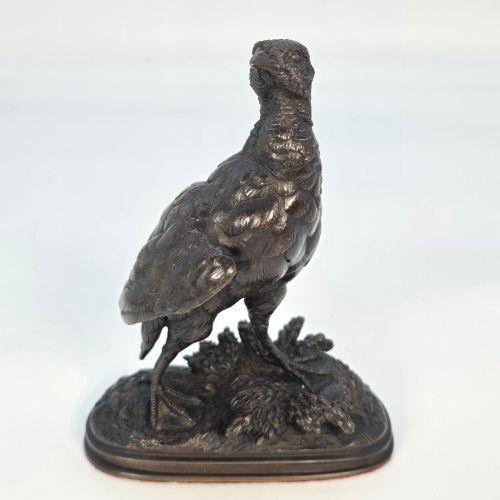
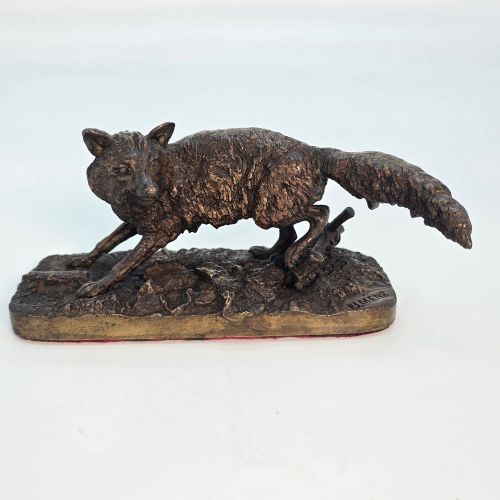
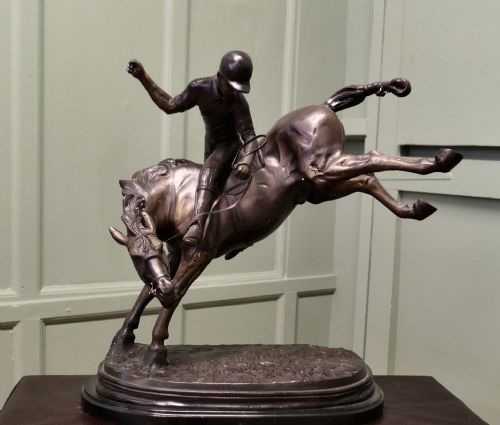
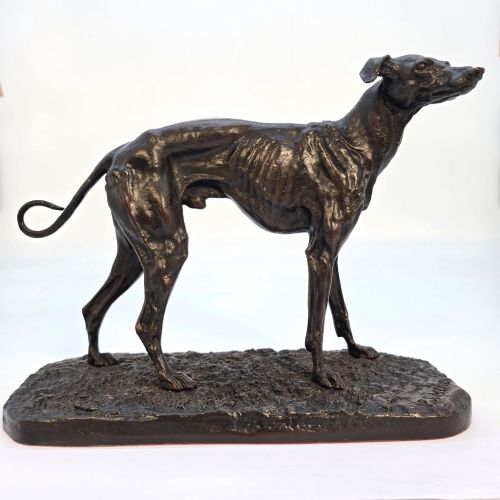
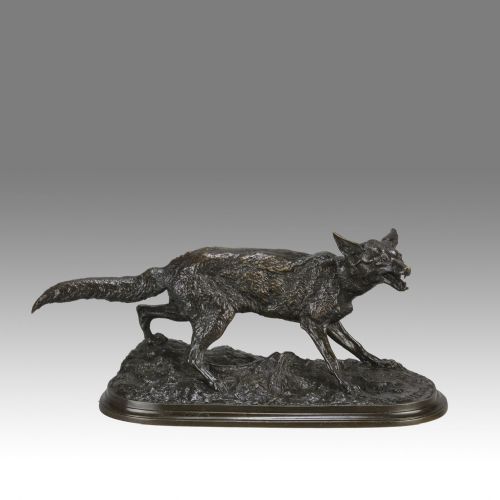
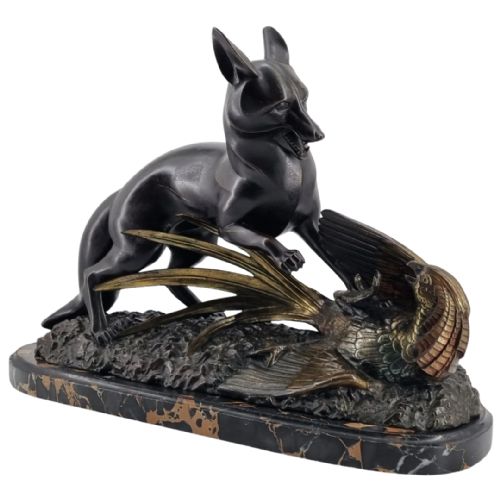
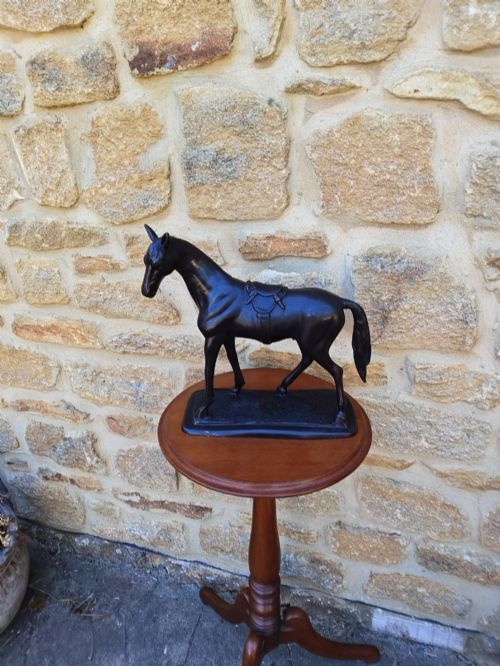
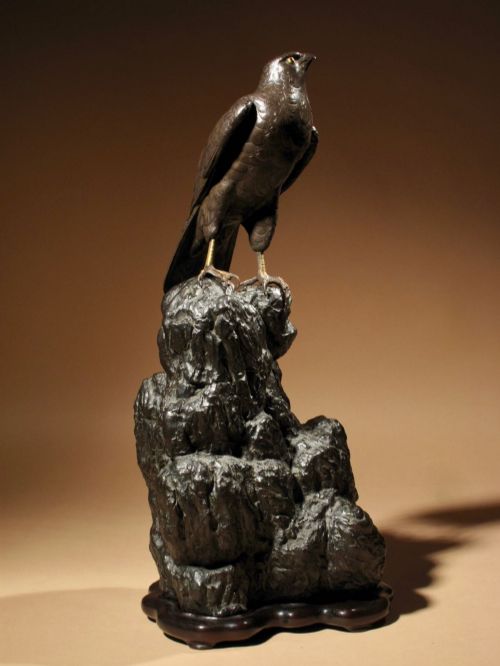
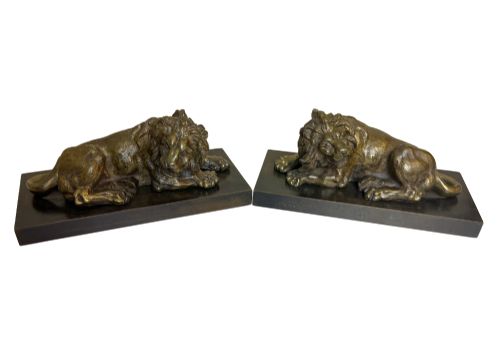
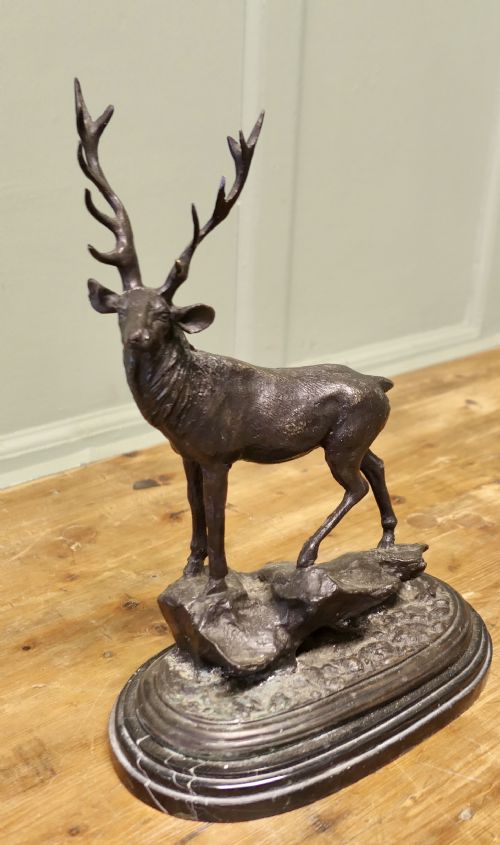
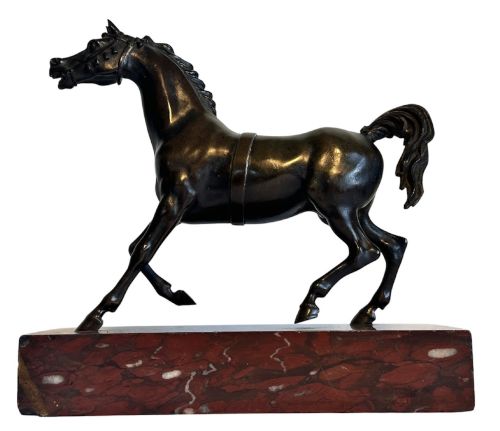
A bronze animalier figure portrays animals in realistic anatomical detail, depicting subjects ranging from stags and horses to hounds and birds of prey. These sculptures frequently capture beasts in motion or repose, such as a horse leaping a barrier, a hawk perched on a rock, or lions resting.
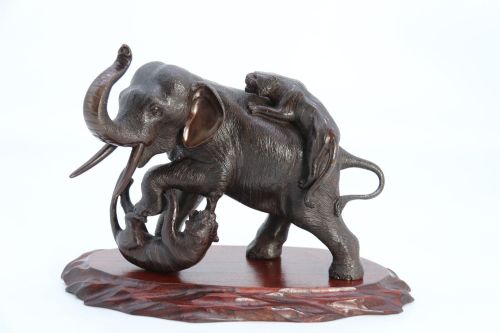
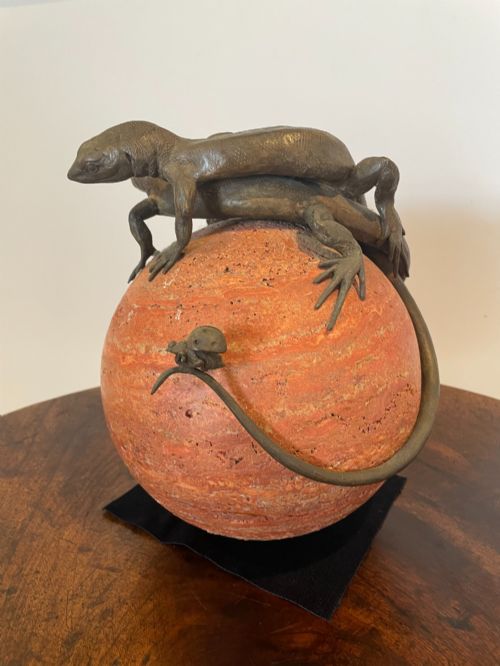
The pieces on this page span the nineteenth and early twentieth centuries, encompassing Victorian, French Animalier, Art Deco, and Meiji period styles. Subjects appear cast in solid bronze, often mounted on marble plinths, alongside variants incorporating cold-painted bronze or ivory details.
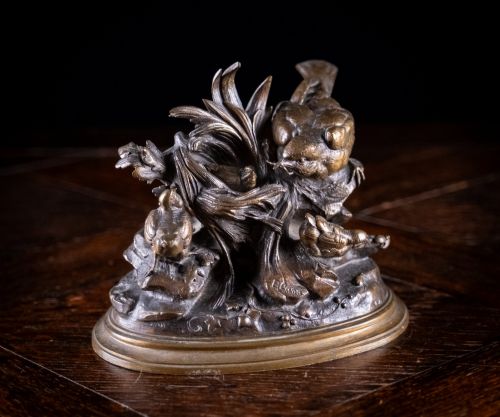
Many items take the form of freestanding sculptures and statuettes, while others serve practical functions such as inkwells. Makers and sculptors sign a portion of these works, while others survive as unsigned period productions.
Materials and casting methods
Foundries produced these pieces primarily through metal casting, utilising patinated bronze to create deep brown and green surface tones. Certain works introduce paint or cold-painted pigments directly onto the metal surface to render naturalistic plumage and fur.
Makers integrated supporting materials to complement the metalwork, mounting figures upon carved marble plinths and wood bases. Specific items incorporate contrasting elements such as ivory tusks, ormolu accents, and diamond eyes within the cast metal design.
Bronze Animalier Figure Retail Price Guide 2026
Typical asking prices for bronze animalier figure among the pieces listed under this phrase on Sellingantiques today, from the lower quarter to the upper quarter. They describe what is for sale here now, not the wider market.
Distinctions in craftsmanship
Quality rests in the anatomical accuracy of the musculature and the crispness of the chasing work applied after casting. Skilled chiselling defines feather texture, fur direction, and facial expression without softening the underlying contours of the animal.
The richness and depth of the patination dictate visual success, as does the integration between the sculpture and its marble or wood base. Superior works display a convincing weight and balance, anchoring dynamic subjects such as fighting bears or hurdling horses securely to their plinths.
P J Mêne·Antoine Louis Barye·Franz Bergman·Emile Carlier·Prosper Lecourtier
The Bronze Animalier Figure Glossary
- Animalier
- A nineteenth-century artistic movement dedicated to the realistic portrayal of animals, particularly predators, horses, and domestic beasts. Sculptors in this tradition focused on acute anatomical observation.
- Patinated Bronze
- Bronze metal treated with chemical solutions to produce a controlled surface colour or finish. This layer protects the metal and adds tonal depth to the sculpture.
- Cold-Painted Bronze
- A technique where paint is applied to cold metal rather than fired in a kiln. This method allows for vivid, multicoloured finishes on small animal figures.
- Ormolu
- Gilded bronze used as an ornamental mount or decorative accent alongside standard bronze casting. The technique involves applying a gold amalgam to the metal surface.
- Meiji Period
- A Japanese historical era lasting from 1868 to 1912, known for exceptional metalwork and intricate bronze casting featuring naturalistic subjects.
Bronze Animalier Figure: Frequently Asked Questions
What is an animalier bronze?
An animalier bronze is a nineteenth-century sculpture focused entirely on the realistic study of animals. These pieces portray creatures in athletic action or quiet observation.
Artists worked to capture the tension in muscle and bone, moving away from classical human subjects to celebrate the natural world.
How do I identify a period casting?
Period castings show distinct handling in the chasing and finishing work applied after the metal leaves the mould. Examination of the patina and the underlying alloy reveals the age of the material.
Signatures or foundry marks stamped into the bronze base provide further clues to the origin and date.
Where should I display these sculptures?
These figures suit tabletops, desk surfaces, and dedicated display cabinets where light can catch the patinated metal. Pieces mounted on marble plinths require stable, flat surfaces to support their weight.
Placing them away from direct heat sources protects any applied paint or mixed media elements.
What subjects are most common?
Horses, hunting dogs, stags, and birds dominate the subjects found within nineteenth and early twentieth-century casting. Artists frequently showed animals interacting with their environment, such as a hawk on a rock or gundogs flushing game.
More exotic subjects, including elephants and tigers, appear in both European and Japanese Meiji period works.