
Bronze Animal Statue
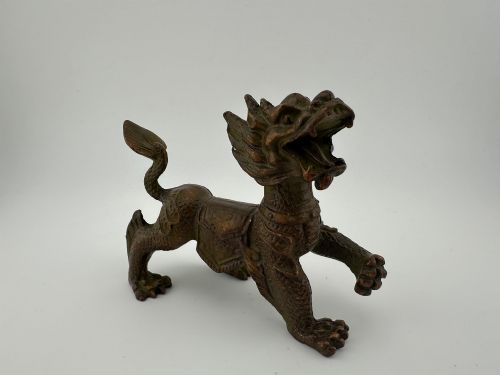
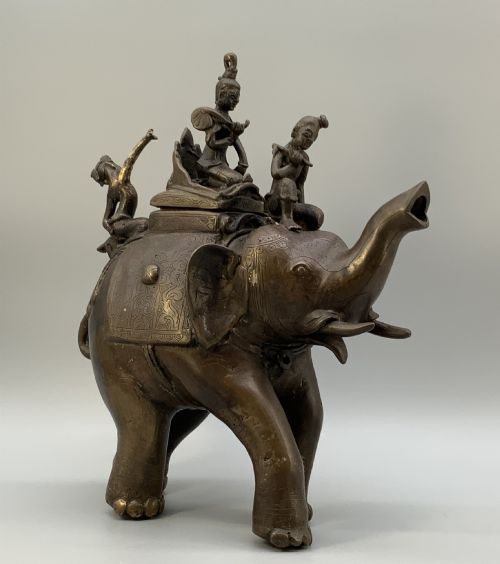
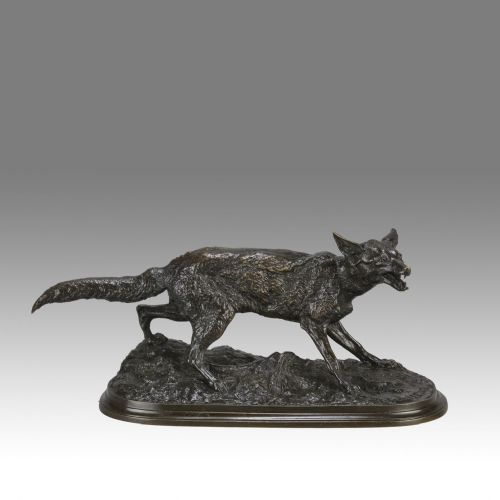
A bronze animal statue brings the strength and character of wildlife and domestic beasts straight into a room through enduring metal.
Bronze Animal Statue
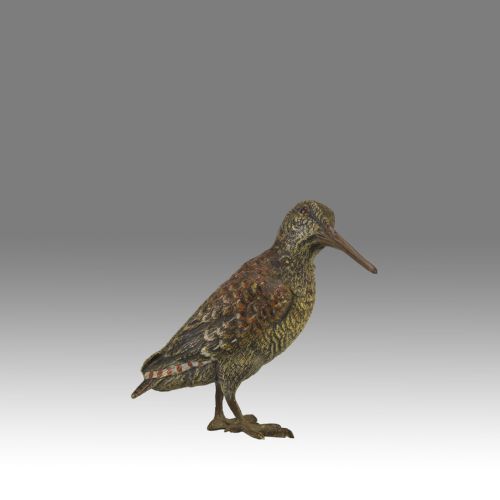
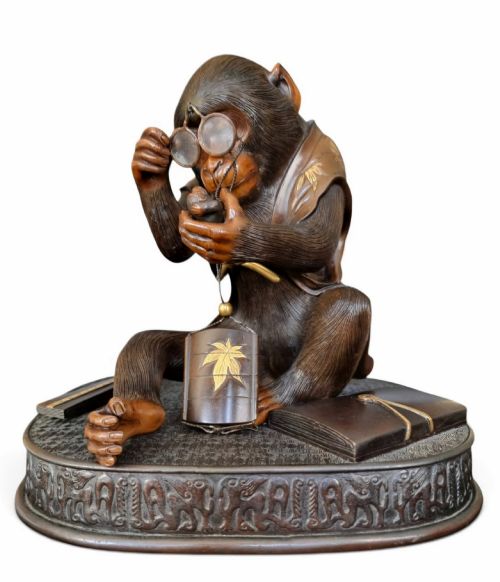
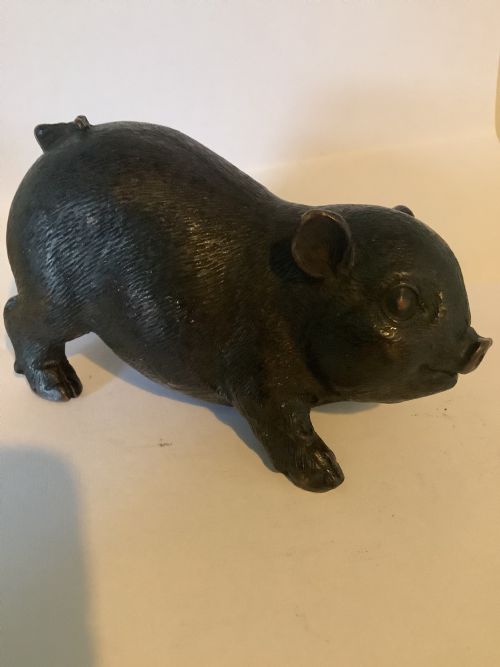
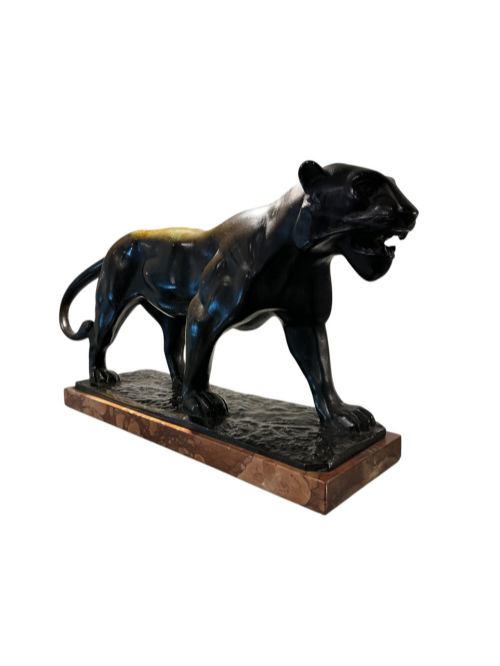
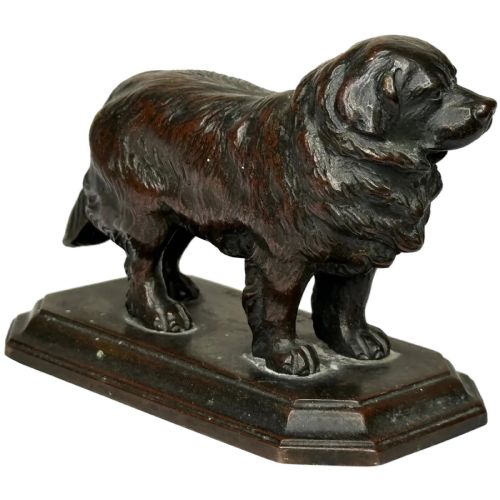
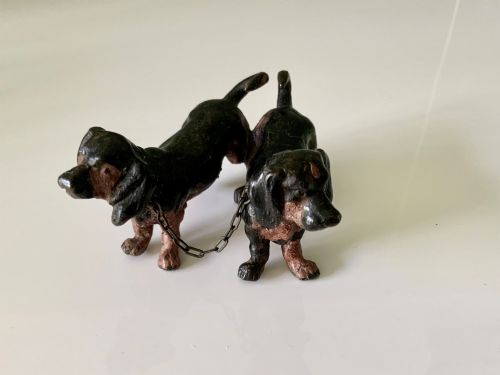
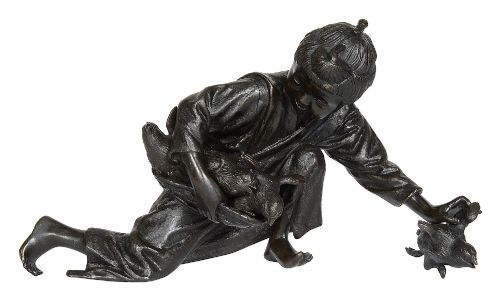
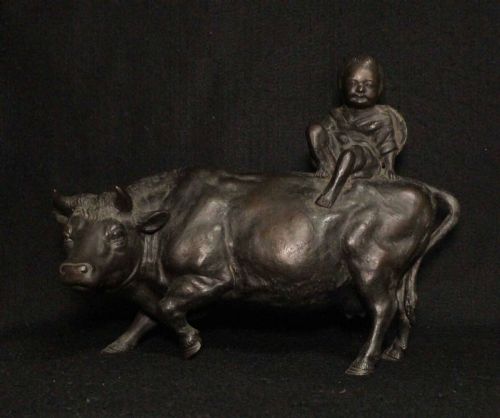
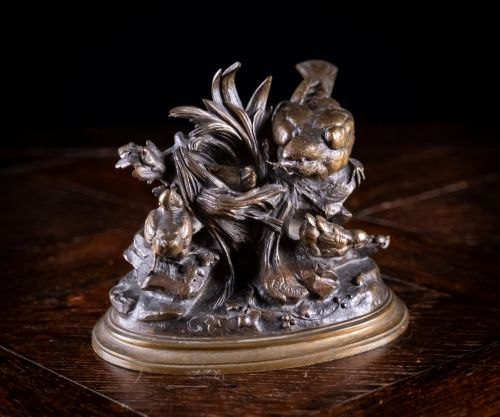
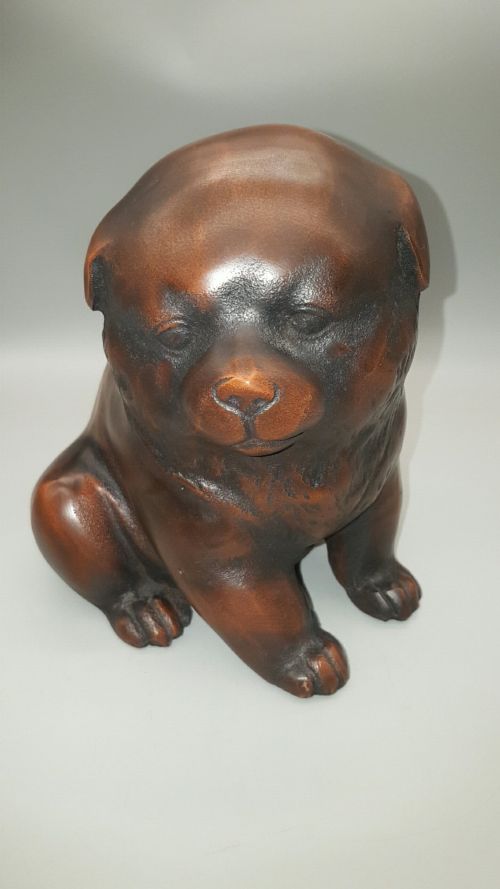
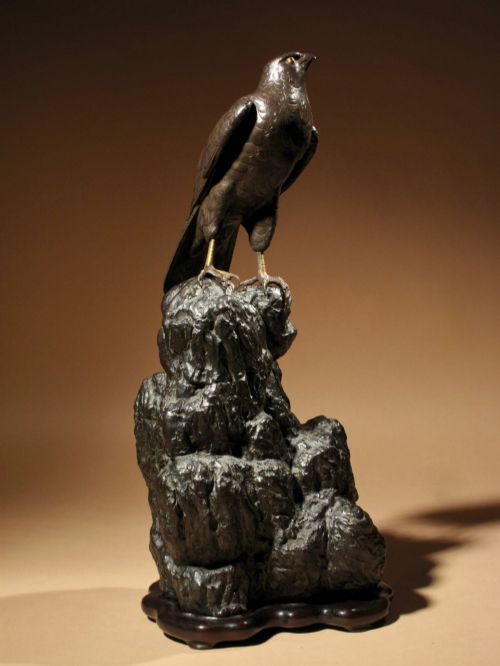
When you search for a bronze animal statue, you encounter figures spanning the nineteenth century through the early twentieth century, originating from European and Asian workshops. These works range from small Austrian cold-painted table ornaments and Japanese Meiji period okimono to French Animalier sculptures depicting lions, dogs, birds, and mythical beasts.
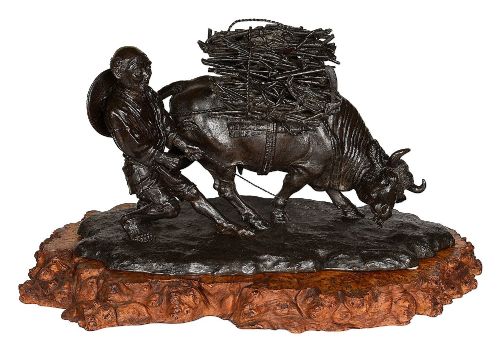
The selections on this page highlight distinct regional approaches, pairing European realism with Japanese naturalism. You find domestic dogs, powerful draft horses, and exotic creatures cast in bronze, often mounted upon marble or onyx bases or integrated into mixed-metal compositions.
How they were made
The pieces on this page rely primarily on traditional casting in bronze, frequently enhanced with cold-painted polychrome finishes, gilt, or patination. Selected works incorporate mixed-metal techniques, alongside inset details of ivory, bone, or diamond eyes.
Many European Animalier and Austrian figures utilise detailed chasing and polychrome cold-painting over the cast metal surface. Japanese Meiji period examples display intricate casting and engraving, sometimes mounting the bronze subjects onto naturalistic bases, wood, or stone plinths.
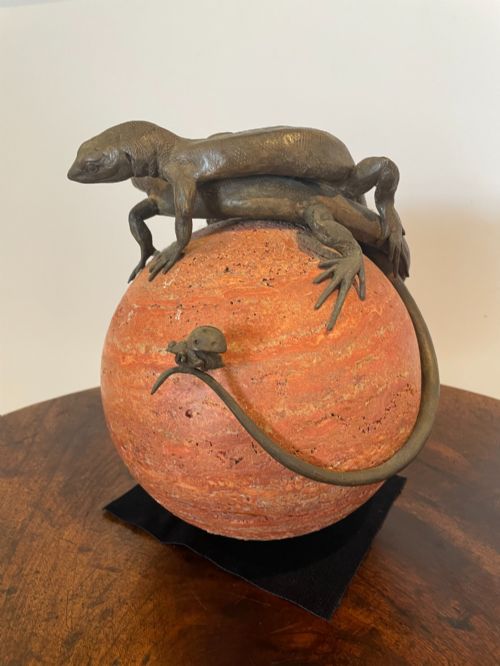
A bronze lizard rests quietly alongside life-size crocodiles and scholarly monkeys.
What varies in quality
The distinction between ordinary and exceptional works lies in the fidelity of anatomical observation and the crispness of the chasing. Superior pieces capture the tension of muscle, texture of fur, and alertness of posture with precision, whereas lesser examples lose anatomical definition in smooth or muddy casting.
Surface finish further separates tiers of execution, seen in the survival of delicate cold-painted pigments, the depth of the bronze patina, and the integration of secondary materials like marble bases or ivory and bone elements.
P J Mêne·Franz Bergman·Christophe Fratin·Antoine Louis Barye·Alexandre Ouline·Kunio Itô·Tsunemitsu·Masaaki
The Bronze Animal Statue Glossary
- Animalier
- A nineteenth-century artistic movement and school focusing on the realistic portrayal of animals. Sculptors in this tradition studied anatomy closely at menageries.
- Cold-painted bronze
- A technique where bronze figures are painted with cold enamel paints rather than fired in a kiln. This method was notably practiced by Austrian workshops.
- Okimono
- A Japanese term for a decorative object traditionally displayed on a stand or in a tokonoma alcove. These figures often depict animals, figures, or mythical subjects with fine detail.
- Patinated bronze
- Bronze treated with chemical solutions to produce a specific surface colour or weathered finish. This process protects the metal while enhancing visual depth.
Bronze Animal Statue: Frequently Asked Questions
What is an Animalier bronze statue?
An Animalier bronze statue is a nineteenth-century sculpture focused on the realistic depiction of wildlife and domestic animals. These pieces reflect a deep scientific and artistic interest in animal anatomy.
Artists captured beasts in motion or repose, often highlighting the raw power and natural behaviour of their subjects.
How do I care for a bronze animal figure?
Caring for a bronze animal figure involves keeping the surface free of dust with a soft, dry cloth. Avoid using harsh chemical cleaners or polishes that can strip the historic patina.
Maintaining a stable indoor environment away from excessive moisture preserves both the metal and any integrated stone or organic elements.
What is an Austrian cold-painted bronze?
Austrian cold-painted bronze refers to small metal sculptures decorated with layers of unfired enamel paint. This technique produced vibrant, lifelike birds, dogs, and human figures during the late nineteenth and early twentieth centuries.
Because the paint was not kiln-fired, surviving pieces often show natural age-related wear to the coloured surface.
How do I identify a Meiji period bronze?
A Meiji period bronze is identified by its distinct Japanese aesthetic, intricate surface engraving, and subjects such as monkeys, okimono figures, and native wildlife. These works date from the late nineteenth to early twentieth century.
Many include maker signatures, mixed-metal elements, or detailed rendering on naturalistic bases reflecting traditional craftsmanship.