


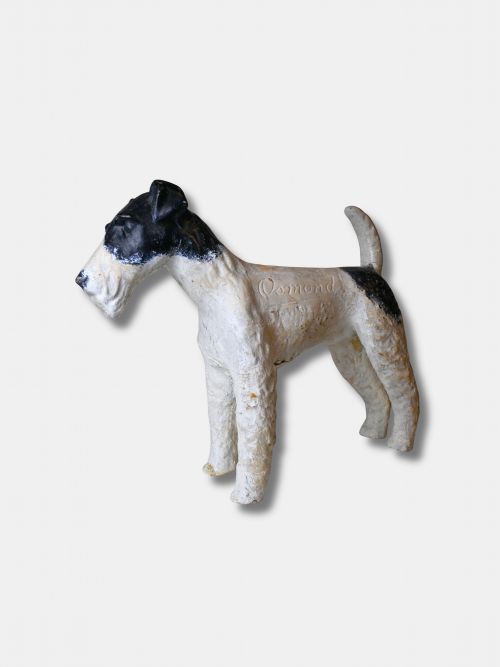


Antique Fox Figure
These antique fox figure pieces capture the cunning of the hunt and the charm of the animal in bronze, porcelain, and earthenware.
Antique Fox Figure
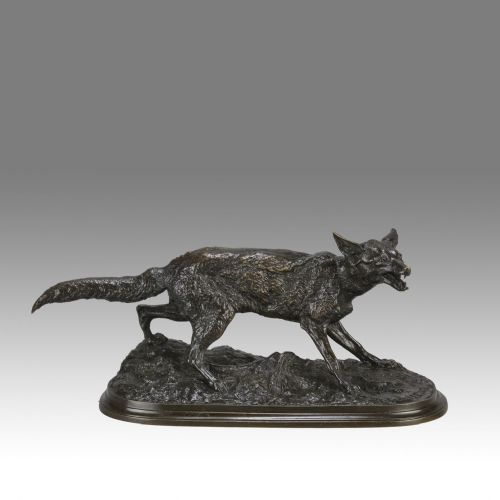
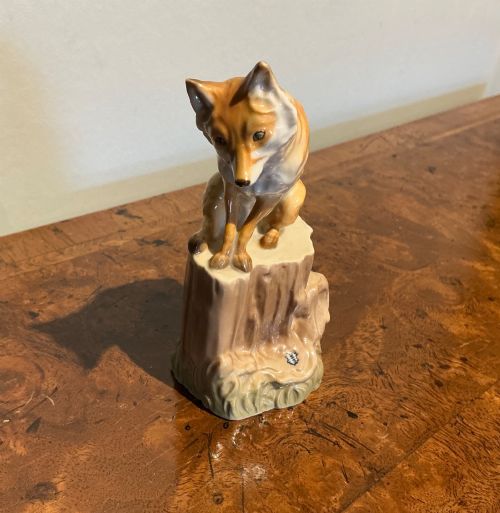
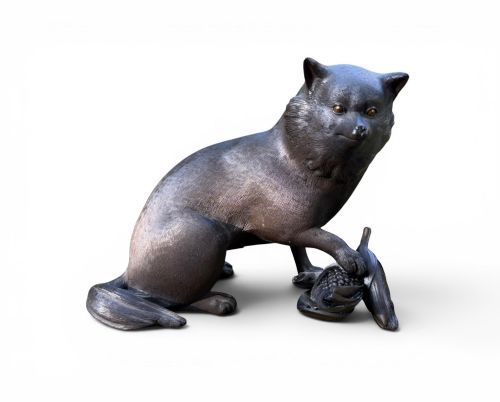
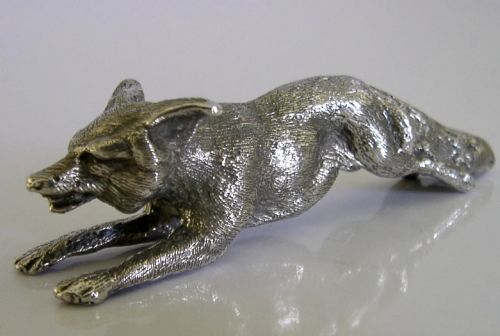
An antique fox figure represents the animal in various mediums, spanning life-size advertising signs, desk accessories, and sculptural studies. The pieces range from Victorian Staffordshire pottery to finely cast Animalier bronzes.
The material and form depend greatly on the origin and period, with continental bronzes often mounted on marble or onyx bases. English pottery figures and porcelain groups also appear frequently across the selection.
Makers utilised both naturalistic studies of the animal and more stylised representations, including character figures dressed in human clothing. These objects serve primarily as decorative ornaments or practical desk pieces such as inkwells and candle snuffers.
How they were made
Pottery and porcelain pieces relied on moulded earthenware or glazed porcelain, finished with hand-painted enamel colours to define the markings. Composition material served for larger advertising display figures requiring durability.
One lucky fox wears a nightgown on a gilt bronze inkwell.
What varies in quality
The crispness of the casting and the subtlety of the chasing separate standard bronzes from superior examples by known founders or sculptors. Paint retention on cold-painted bronzes and enamelled ceramics alters the visual impact significantly.
The integration between the figure and its base dictates the overall balance of the piece, particularly with heavy stone plinths. Proportional accuracy in the animal's anatomy also marks the distinction between competent workshops and master modellers.
P J Mêne·Clovis Masson·Nymphenburg·Royal Worcester
The Antique Fox Figure Glossary
- Animalier
- A nineteenth-century artistic movement focused on the realistic depiction of animals, particularly in bronze. Sculptors in this tradition studied anatomy closely.
- Cold painted bronze
- A technique where bronze objects are painted with non-heat-setting pigments, often oil-based. This finish requires careful handling to prevent flaking over time.
- Okimono
- A Japanese decorative object intended for display in a household alcove or on a shelf. These carvings and castings display high levels of traditional craftsmanship.
- Candle snuffer
- A small functional tool designed to extinguish candle flames, frequently modelled as animals or human figures in porcelain or metal. They combine utility with decorative appeal.
- Composition
- A moulded material made from mixtures such as pulp, resin, or plaster, used primarily for larger figures and advertising signs. It provides a lightweight alternative to solid carved wood or metal.
Antique Fox Figure: Frequently Asked Questions
What metals were used for bronze figures?
Bronzes were cast primarily in copper and tin alloys, sometimes finished with silvering or cold-painted pigments.
The quality of the alloy affects the weight and the ability of the metal to hold fine chased details.
How do I care for cold painted bronze?
Keep painted bronze away from direct sunlight and moisture to protect the fragile surface pigments from flaking.
Dust the surface gently with a dry, soft brush rather than using liquid cleaning products.
Where were Staffordshire figures made?
Staffordshire figures originated in the pottery district of England during the nineteenth century for domestic display.
Potters shaped these earthenware pieces using simple moulds before applying hand-painted glazes.
What is an Animalier sculpture?
Animalier sculptures depict animals in dynamic or naturalistic poses, a style popularised in nineteenth-century France.
These pieces often bear the signature of the sculptor on the bronze base or body.