

British Sporting Oil Painting
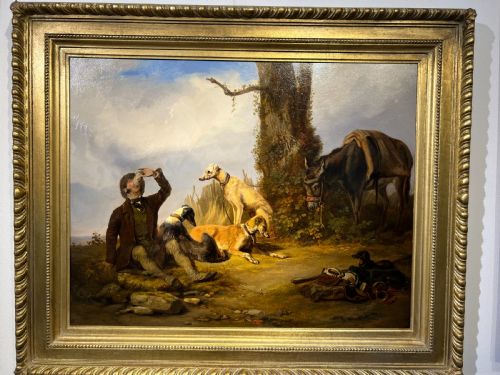
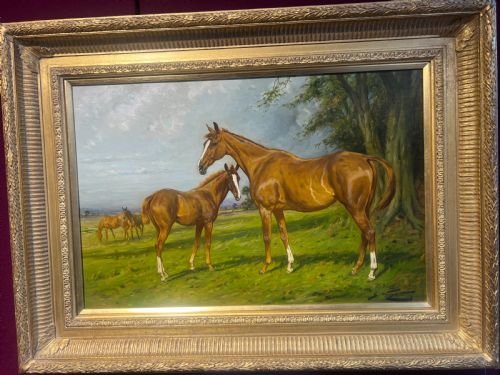
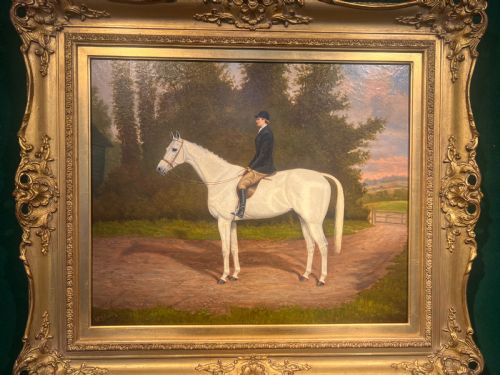
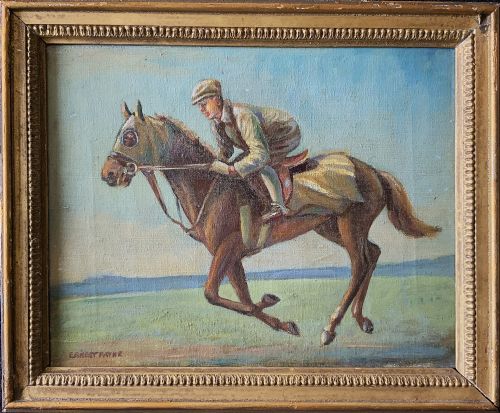
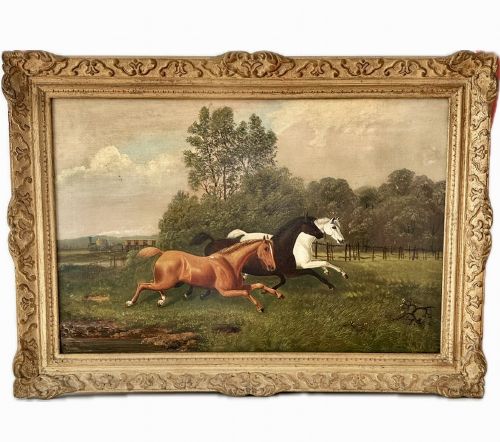
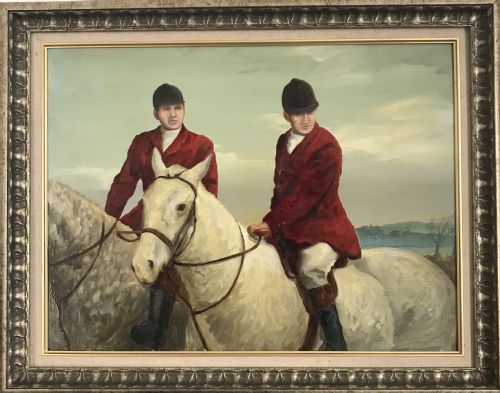
A british sporting oil painting captures horses, hounds, and country pursuits across canvases framed in wood and giltleaf.

British Sporting Oil Painting
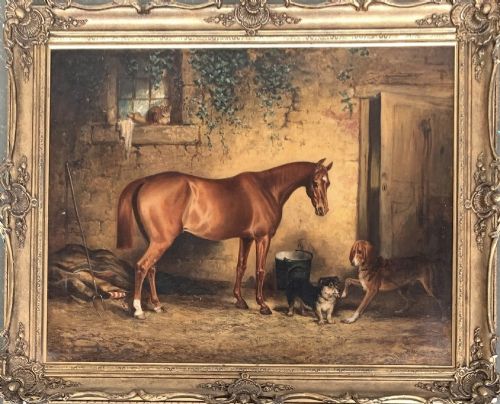
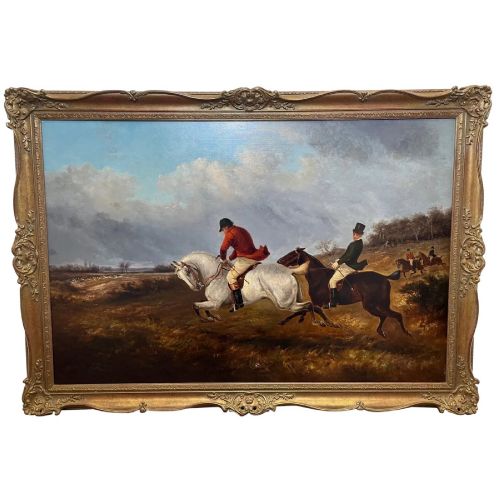
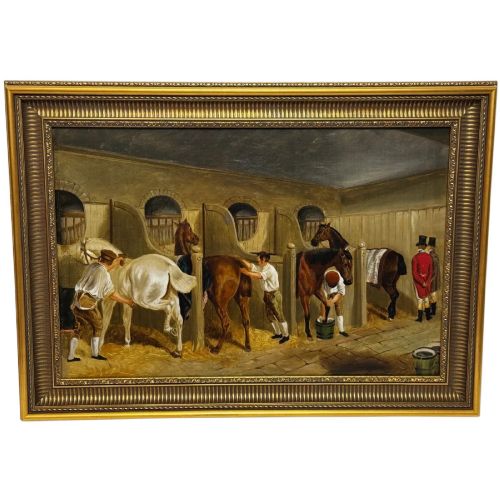
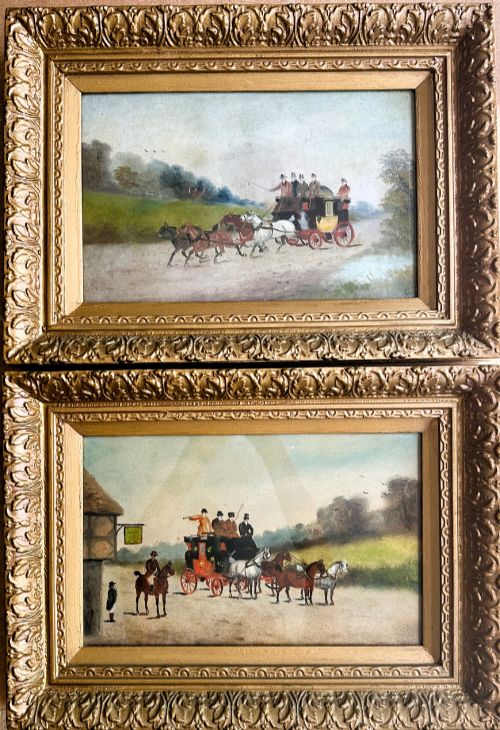
A british sporting oil painting typically depicts horses, hunting dogs, coaching scenes, and racing subjects set within landscapes or stables. These works span the nineteenth century, the Victorian era, and the decades leading into the mid twentieth century.
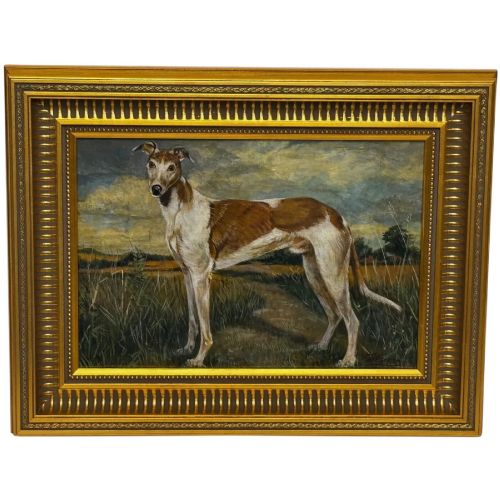
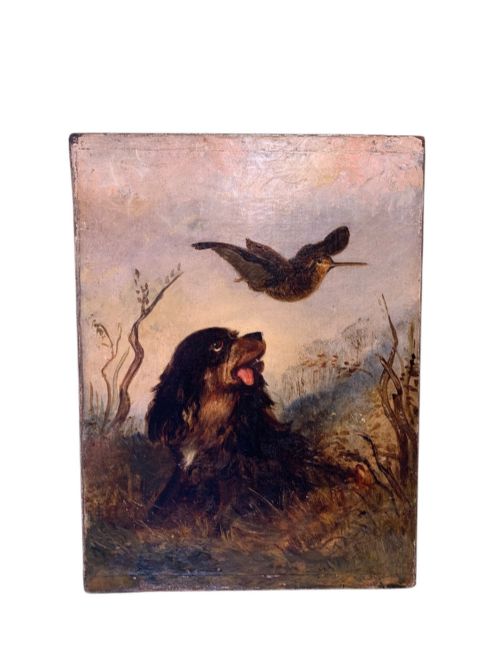
Buyers encounter individual horse portraits, hunting studies, and rural animal scenes attributed to named artists or British schools. The selection ranges from nineteenth century depictions of hounds and hunters to later coaching and racing works.
Materials and framing
The works utilise oil paint applied to canvas stretched over wood frames, capturing texture and detail in animal portraits and landscape settings. Many canvases retain period frames finished with gold leaf or giltwood.
Artists employed traditional brushwork on canvas supports, often framing the completed oil painting in decorative gilt mounts that complement the equestrian or sporting subject.
British Sporting Oil Painting Retail Price Guide 2026
Typical asking prices for british sporting oil painting among the pieces listed under this phrase on Sellingantiques today, from the lower quarter to the upper quarter. They describe what is for sale here now, not the wider market.
The listings span the nineteenth century, the Victorian period, and the mid twentieth century, featuring oil on canvas supported by wood and giltwood frames.
Execution and condition
Quality rests in the anatomical accuracy of the horses and hounds, the handling of light in the landscape, and the cohesion of the composition. Stronger works convey movement and character rather than static forms.
The preservation of the original canvas, the depth of the oil paint layers, and the integrity of the giltwood frame influence the overall character of the piece.
Henry Barraud·George Armfield·Thomas Smythe·Sir Edwin Henry Landseer·George Wright·William Albert Clarke·John Emms·John Ferneley Senior·Albert Clark·Philip Henry Rideout·John Sanderson Wells·William Barraud·John Trivett Nettleship·Samuel Spode·Alfred Grenfell Haigh·Abraham Cooper·Michael Lyne·Heywood Hardy·Thomas Blinks·John Frederick Herring
The British Sporting Oil Painting Glossary
- Oil on Canvas
- Pigment mixed with drying oil applied to a woven fabric surface stretched across a wooden frame. This primary support underpins the majority of historic works.
- Giltwood
- Wood carved and covered with a thin layer of gold leaf or metallic gilt powder. Frames of this type frequently surround nineteenth century sporting works.
- Bay
- A horse coat colour characterised by a reddish brown body with black points on the mane, tail, and lower legs. This description appears repeatedly in equine portraits.
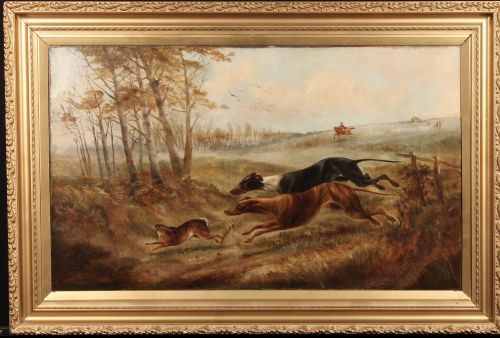
- Coursing
- The sport of hunting game animals, such as hares, with greyhounds or other sighthounds relying on sight rather than scent. Scenes of this activity form a distinct category of animal art.
British Sporting Oil Painting: Frequently Asked Questions
What subjects feature in these paintings?
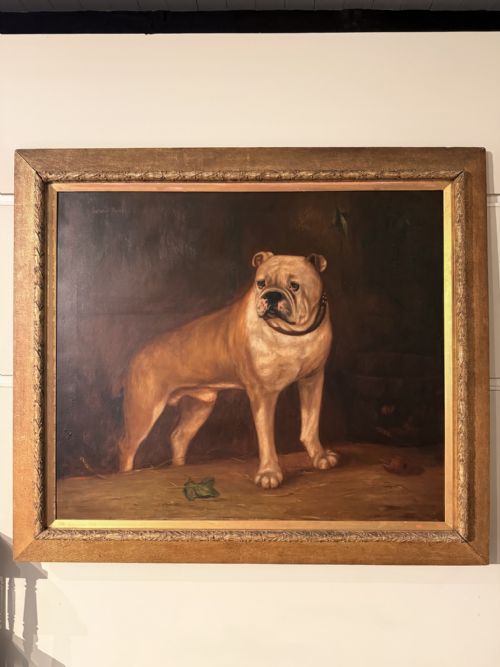
The works primarily depict horses, fox hunting scenes, racing pigeons, dogs, and rural coaching events. Animals appear both individually as portraits and within active landscape settings.
Compositions often focus on named racehorses, hunting packs in pursuit, or quiet stable interiors reflecting nineteenth and twentieth century country life.
How do I identify the period?
Dating relies on costume details in human figures, framing styles, and recorded artist lifespans noted in the attribution. Nineteenth century pieces often show heavier gilt frames and romanticised landscapes.
Later works from the Edwardian era and mid twentieth century introduce different palette choices and shifts in sporting attire while maintaining traditional canvas techniques.
Where should I hang a sporting painting?
These works suit traditional reception rooms, studies, or hallways where natural light enhances the oil paint and gilt frames. Placing them away from direct heat sources protects the canvas and wood.
Pairing horse or hound portraits with period furnishings creates a cohesive interior scheme rooted in British equestrian history.
Are most of these works signed?
Signatures appear on numerous canvases, though others remain attributed to specific schools or artists based on style, subject matter, and technique. Unsigned pieces frequently share compositional traits with documented makers.
Documentation alongside the canvas often provides context regarding the painter or the specific hunt and animal depicted.