

British Sporting Art Painting
British sporting art painting captures the speed of the hunt, the heft of the hunter and the tension of the track in oils and watercolours.
British Sporting Art Painting
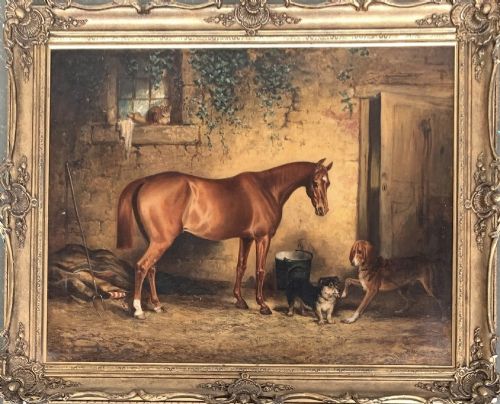
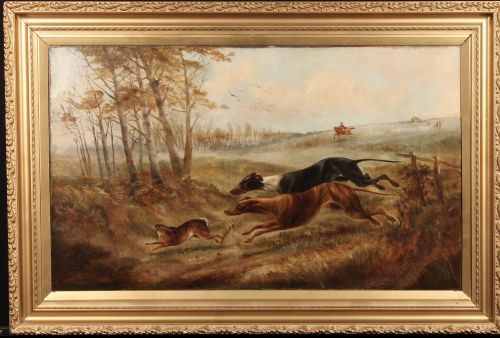
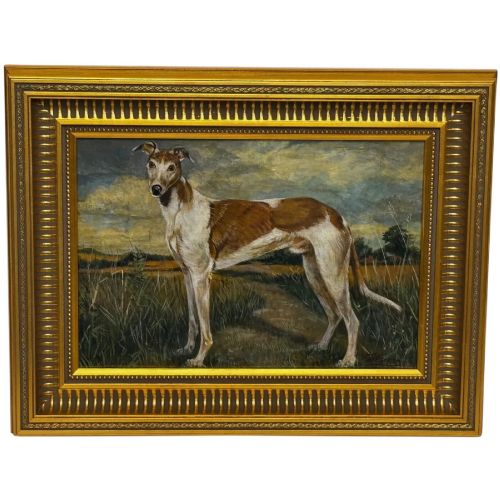
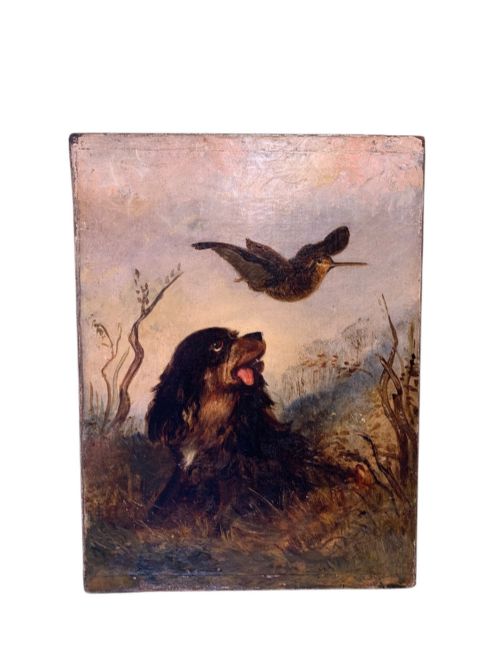
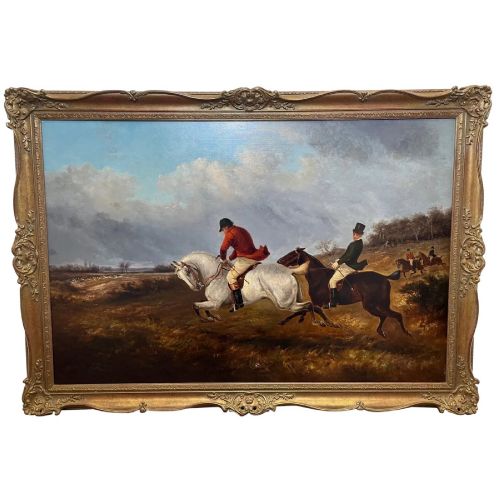
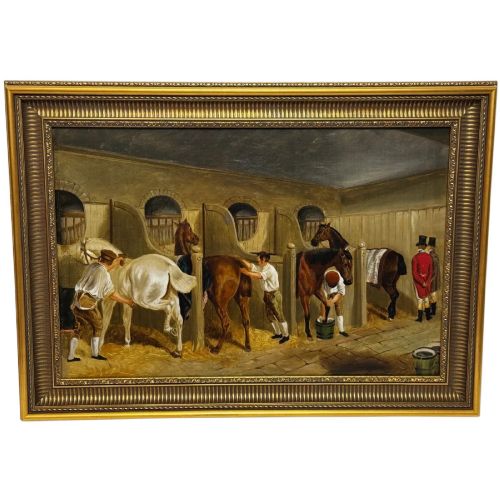
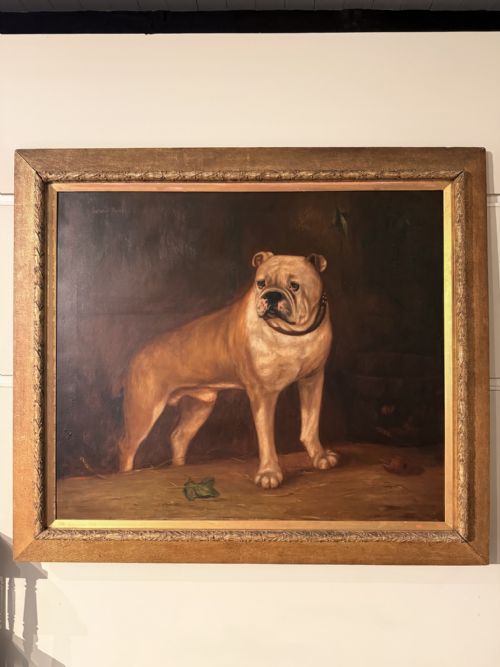
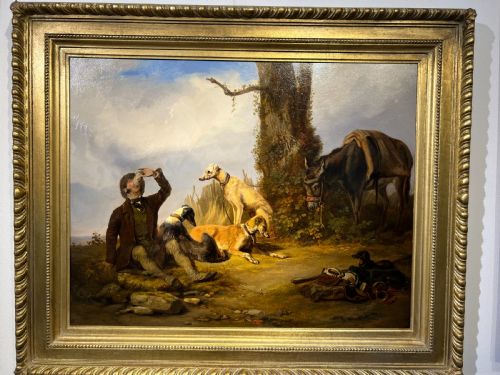
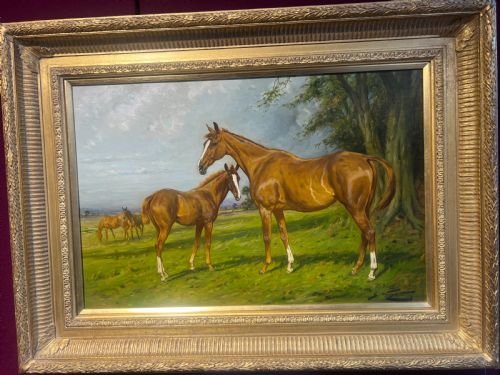
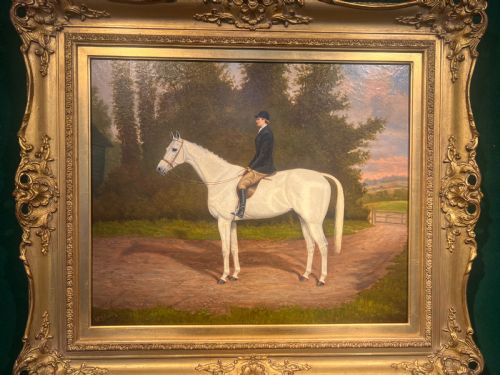
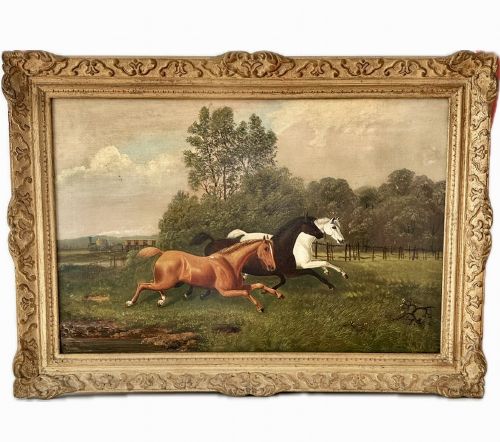
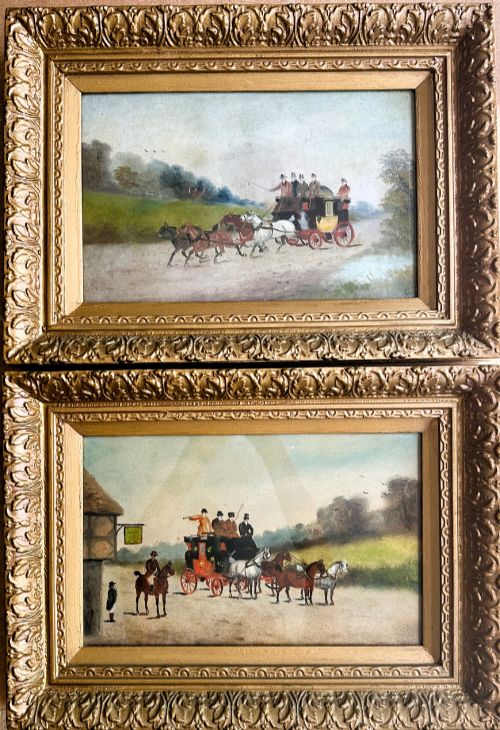
A british sporting art painting centres on horses, hounds, racing pigeons, coaching scenes and field sports across the nineteenth and twentieth centuries. These works range from intimate canine watercolours to large oil paintings of galloping hunters and packed fields.
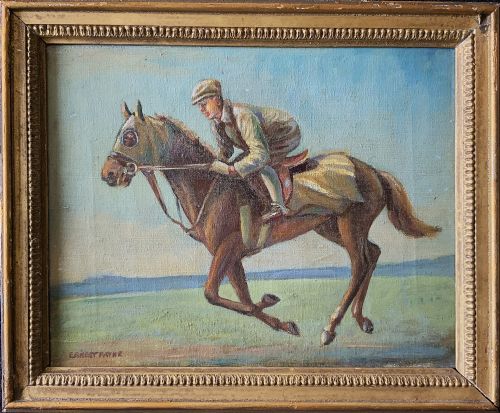
Nineteenth-century Victorian canvases sit alongside Edwardian coaching oils and mid-century modern racing works by artists such as John Rattenbury Skeaping and James Stroudley. The most frequent encounters on this page are equestrian portraits and hound studies rendered in traditional British sporting art styles.
Materials and Technique
Artists worked primarily in oil paint on canvas or wood, building up rich coats of pigment to capture the gloss of a horse's flank and the rugged landscape of the countryside. Watercolours on paper also appear, offering a lighter touch for rapid field sketches and detailed studies.
Many of these paintings retain their original gilt wood frames, sometimes accented with gold leaf to complement the warm tones of the composition. Glass protects the works executed on paper or card against moisture and dust.
British Sporting Art Painting Retail Price Guide 2026
Typical asking prices for british sporting art painting among the pieces listed under this phrase on Sellingantiques today, from the lower quarter to the upper quarter. They describe what is for sale here now, not the wider market.
Materials across the selection include oil on canvas, gouache, watercolour on paper, glass and gilt wood frames.
Judging the Range
The distinction between ordinary and exceptional works lies in the draughtsmanship of muscle, bone and stride. A skilled hand captures the exact weight and tension of an animal in motion, whereas lesser pieces flatten the subject into a stiff silhouette.
Compositional confidence and atmosphere separate standard decorative records from master studies. The finest examples balance the personality of the animal with a convincing natural backdrop, whether a quiet river landscape or a bustling hunting scene.
Henry Barraud·George Armfield·Thomas Smythe·James Stroudley·Samuel Rabin·Sir Edwin Henry Landseer·George Wright·William Albert Clarke·Ernest Payne·Edward Priestley·Philip Rideout·John Emms·John Ferneley Senior·John Rattenbury Skeaping·John Arthur Lomax·Arthur Wardle·Albert Clark·Gertrude Halsband·John Sanderson Wells·William Barraud·John Trivett Nettleship·Samuel Spode·Alfred Grenfell Haigh·Abraham Cooper·Charles Clifford Turner
The British Sporting Art Painting Glossary
- Bay
- A horse coat colour characterised by a reddish-brown body with black mane, tail and lower legs. It remains one of the most frequently painted equines in nineteenth-century portraits.
- Coursing
- The sport of hunting game animals, particularly hares, with hounds using sight rather than scent. Depictions often focus on the swift pursuit across open fields.
- Gilt Wood
- Wood carved and coated with a thin layer of gold leaf or gold paint to create a decorative frame. These frames provide traditional boundary and contrast for oil paintings.
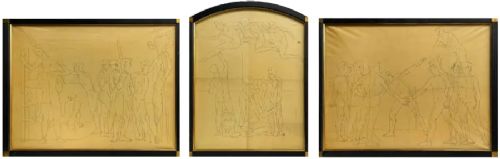
- Triptych
- A picture divided into three painted panels hinged or displayed together. This format appears in mid-century sporting works to sequence movement or events.
British Sporting Art Painting: Frequently Asked Questions
What is a sporting painting?
A sporting painting depicts animals, field sports, racing and rural pastimes, focusing closely on horses, dogs and countryside pursuits. These artworks document the central role of hunting and breeding in British culture.
Most pieces from this tradition date from the Victorian era up to the mid-twentieth century. They serve as both historical records of specific animals and decorative works for country interiors.
How do I date a sporting canvas?
Dating relies on clothing styles, transport methods like steam locomotives or stagecoaches, and the framing materials. Pigment analysis and artist signatures provide further chronological clues.
Many listings record specific active dates for the artists, which helps narrow the window of creation. Victorian and Edwardian pieces often display distinct framing and canvas stamps from period suppliers.
Where should I hang these paintings?
These works suit traditional reception rooms, studies and hallways where wood panelling or neutral walls complement the earthy tones of the canvas. Proper placement avoids direct sunlight to protect oil paint and paper watercolours from fading.
Secure mounting is essential for larger framed oils, which can carry considerable weight. Ensuring stable humidity levels prevents warping in the wooden panels and stretchers.
Are these works signed?
Signatures appear on many pieces, either initialed or written in full by the artist, often tucked into a lower corner of the composition. Some works remain attributed based on style, subject matter and historical records.
Unsigned paintings frequently emerge from British schools or specific studio traditions. Attribution relies on comparative study of brushwork, palette and animal anatomy.