
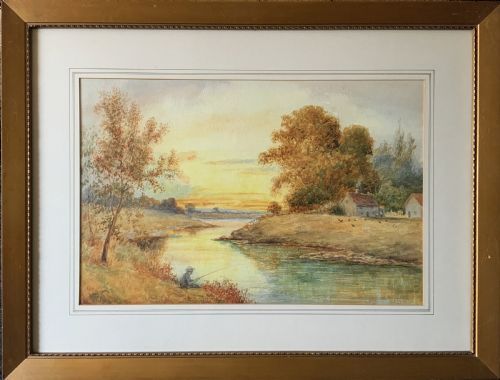


British School Watercolour Landscape
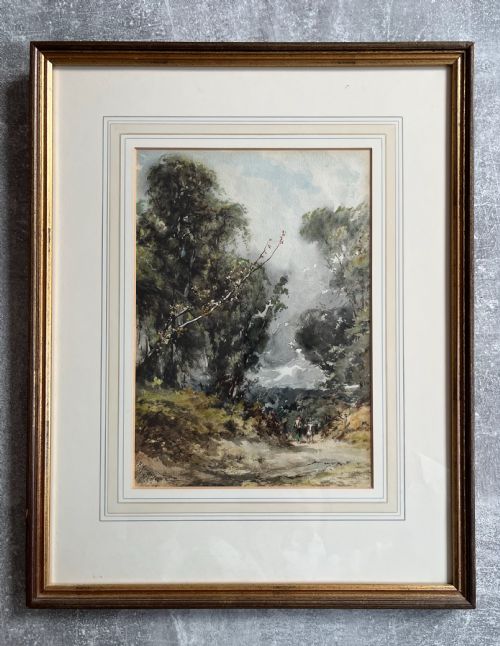
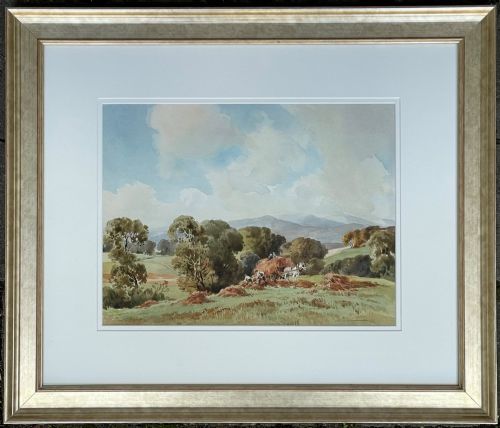
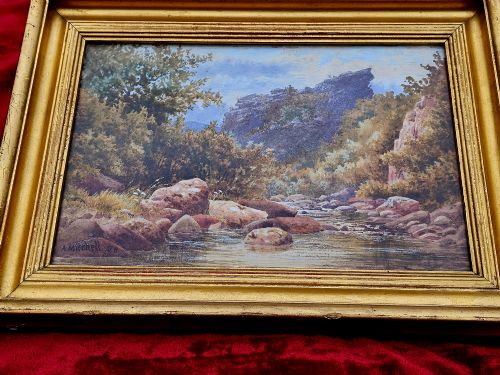
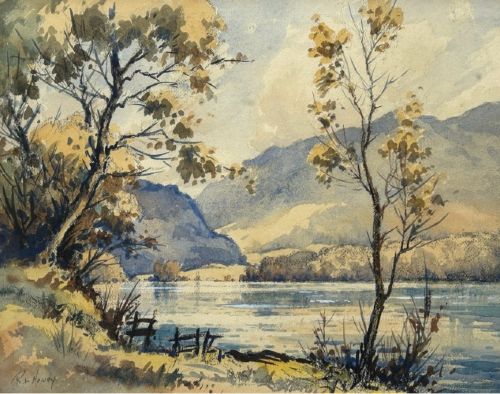
A british school watercolour landscape captures the shifting moods of the countryside and coast through delicate washes and precise line work.
British School Watercolour Landscape
A british school watercolour landscape represents the traditional depiction of scenery, rivers, and coastal views created by British artists across various eras. These works range from tightly detailed topographical studies to looser atmospheric impressions executed outdoors or in the studio.
The selections available here lean heavily into nineteenth-century Victorian pieces and early twentieth-century examples. Buyers frequently encounter regional scenes depicting the Lake District, Yorkshire, and Scottish vistas framed behind glass.
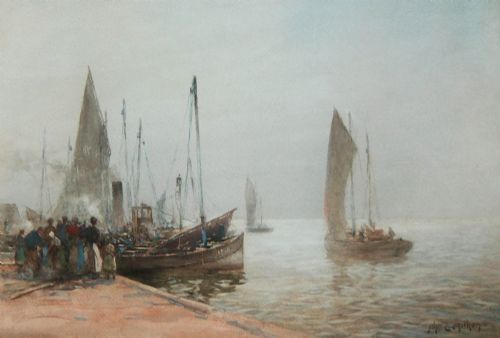
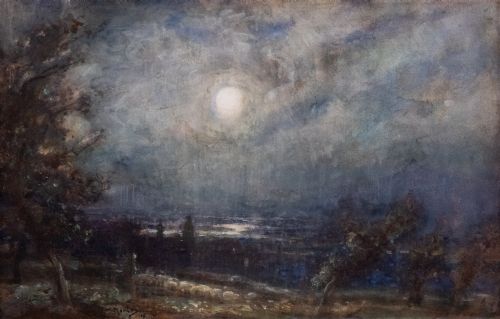
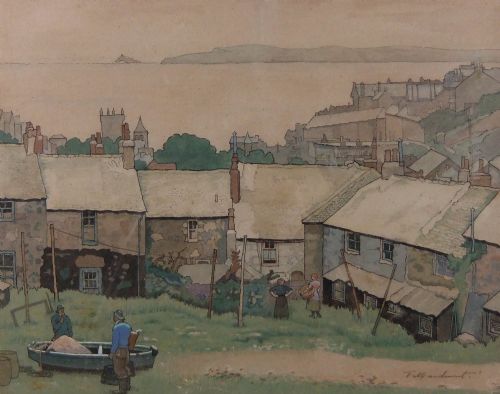
Subjects stretch from quiet rural cottages and drovers on moorland to bustling maritime ports and moonlit river banks. Each painting records the topography and light of Britain through the personal vision of named painters and anonymous hands alike.
How They Were Made
Artists built these compositions using watercolour pigment applied to paper, often supported by preliminary pencil or ink sketches to map out the perspective and key details. Washes were layered from light to dark, allowing the white of the paper to shine through for highlights and clouds.
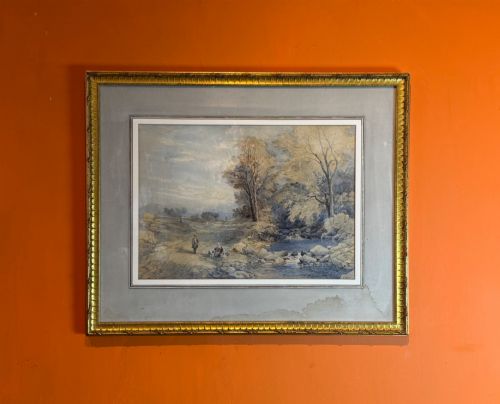
Protection came from framing beneath glass, usually within wood or gilt wood mouldings that guarded the delicate pigments from moisture and handling. This traditional method of presentation ensured that the soluble colours remained stable over decades of exposure.
Seagulls occasionally photobomb the Houses of Parliament long before modern tourists ever lifted a camera.
What Varies in Quality
Draftsmanship and control over the medium separate accomplished works from routine topographical exercises. The finest examples demonstrate a confident handling of pigment that captures transient effects of light, weather, and atmosphere without overworking the paper.
Provenance and documentation also elevate certain pieces, particularly when a painting bears the signature of a recognised Royal Academy artist or a prominent regional painter. Works retaining original framing and clear attribution carry greater documentary weight for collectors.
George Fotherly Hargitt·Percy Lancaster·A. Mitchell·Robert Leslie Howey·James E. Aitken·Thomas William Morley·Thomas Maidment·David Cox·William Frederick Settle·George Graham·Arthur Tucker·Edward Horace Thompson·A. G. Hayward·William Wyld·Will Anderson·Henry Barlow Carter·Thomas Lound·Frederick Mayor·Percy Brooke·William Foster·Fred Lawson·Amos Green·Thomas Bush Hardy·Fred Stead·Robert Winchester Fraser
The British School Watercolour Landscape Glossary
- Watercolour
- A painting method in which the paints are made of pigments suspended in a water-soluble vehicle. It relies on translucent washes to build depth and luminosity.
- Wash
- A thin, transparent layer of diluted pigment spread across the paper to create skies, water, or broad areas of shadow. Proper control of the wash defines the technical skill of the painter.
- Topography
- The detailed mapping and accurate representation of specific physical locations and landmarks. Many nineteenth-century works served this documentary purpose before photography became widespread.
- Gilt wood
- Timber framing finished with a thin layer of gold leaf or metallic gilt. It provided a traditional, ornate border that complemented the domestic display of fine works on paper.
British School Watercolour Landscape: Frequently Asked Questions
How do I date an antique landscape watercolour?
Dating relies primarily on the style of dress worn by any figures, the architectural details of buildings, and framing methods. Signatures, exhibition labels on the reverse, and artist biographical dates also help narrow the period.
Paper quality and watermarks can provide additional clues, though many works were reframed decades after their initial creation during the nineteenth or early twentieth centuries.
What is the difference between British School and named artists?
Pieces labelled as British School are unsigned or by unidentified makers working within traditional national styles. They offer a window into the wider artistic culture of a given era without carrying a premium for a specific signature.
Named artists provide documented authorship, allowing collectors to trace stylistic evolution, exhibition history, and membership in institutions like the Royal Academy.
How should I care for a framed watercolour painting?
Watercolours are sensitive to ultraviolet light and damp conditions, which can cause pigments to fade and paper to develop foxing spots. Hang them away from direct sunlight and damp exterior walls.
Ensure the glazing remains intact and the backing sealed to prevent dust and insects from reaching the paper surface over time.
Why do some watercolours feature ink work?
Artists frequently combined pen and ink with watercolour washes to define crisp architectural lines or foliage details before applying colour. This technique, sometimes called pen and wash, added structural clarity to landscape compositions.
It was a standard academic practice that ensured the underlying drawing remained strong even if the translucent washes were applied lightly.