


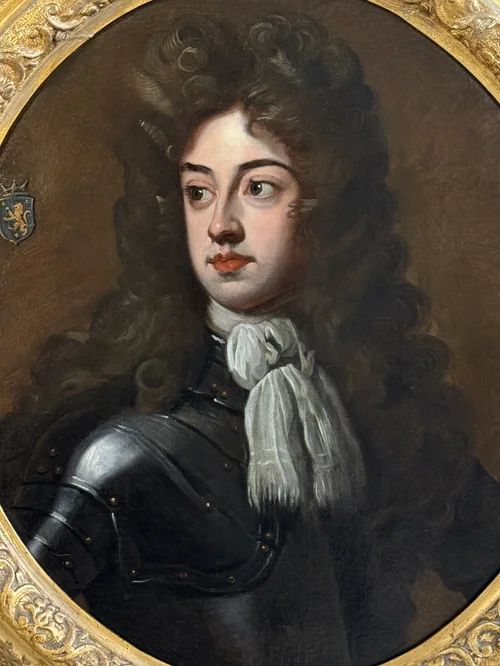
British Portrait Oil Painting
These historic works capture individual character through oil on canvas, offering collectors a tangible connection to past centuries.
British Portrait Oil Painting
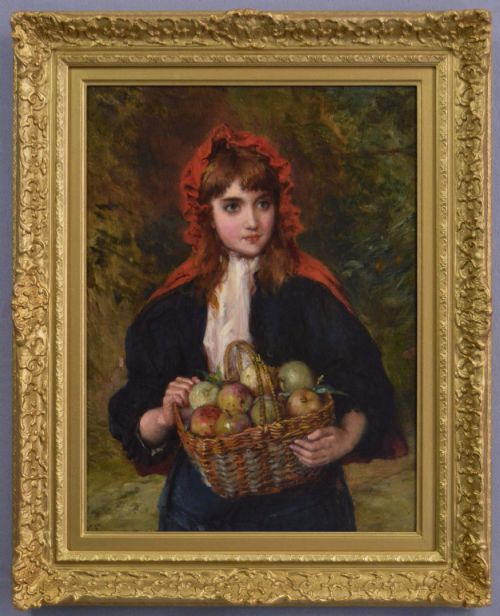
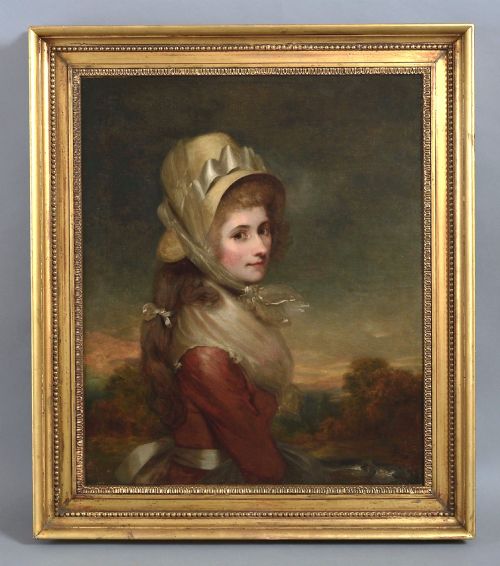
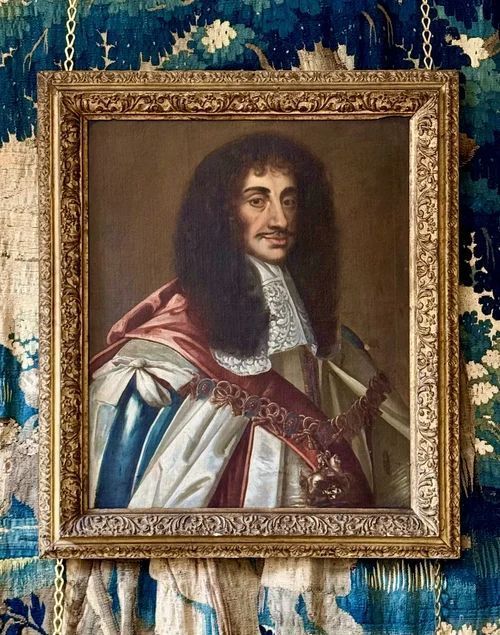
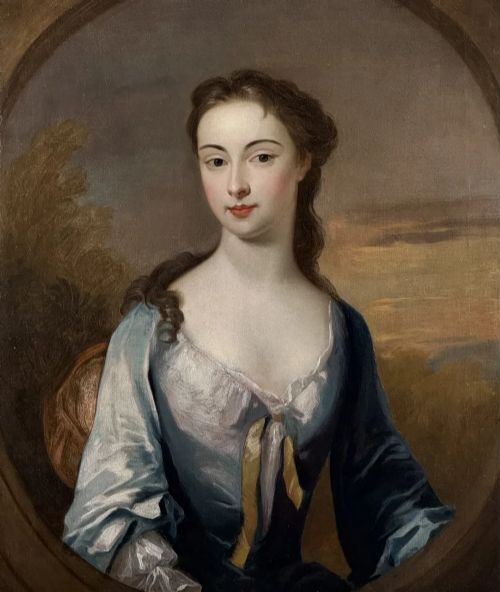
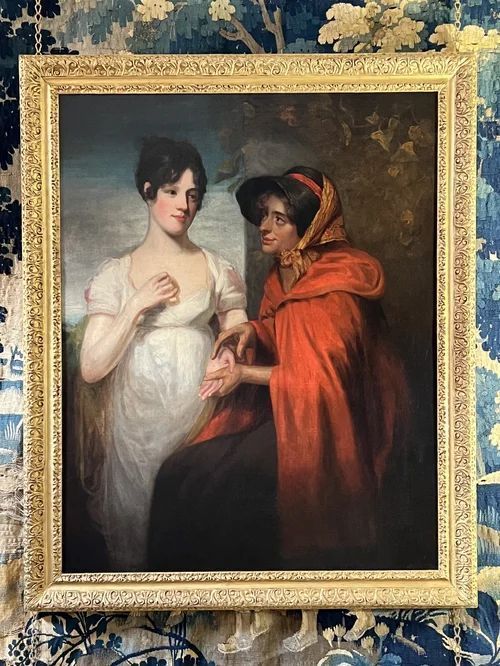
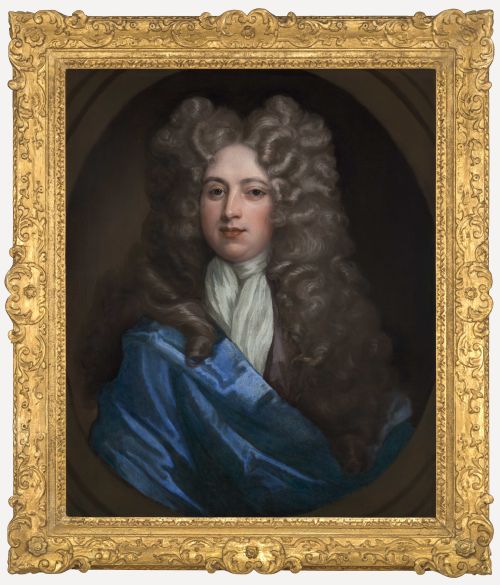
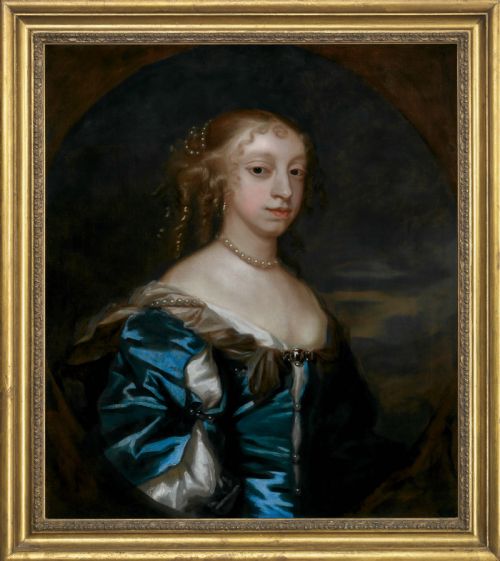
A british portrait oil painting captures likenesses of notable figures, military officers, nobility and everyday citizens across several centuries. These artworks reflect changing social hierarchies, fashions and artistic conventions from the seventeenth century onwards.
Buyers frequently encounter works originating from the eighteenth and nineteenth centuries, alongside pieces produced by provincial British schools. Subjects range from formal aristocratic commissions to intimate studies of family members and children.
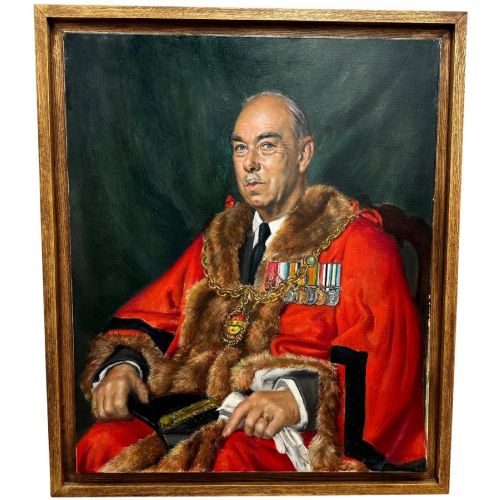
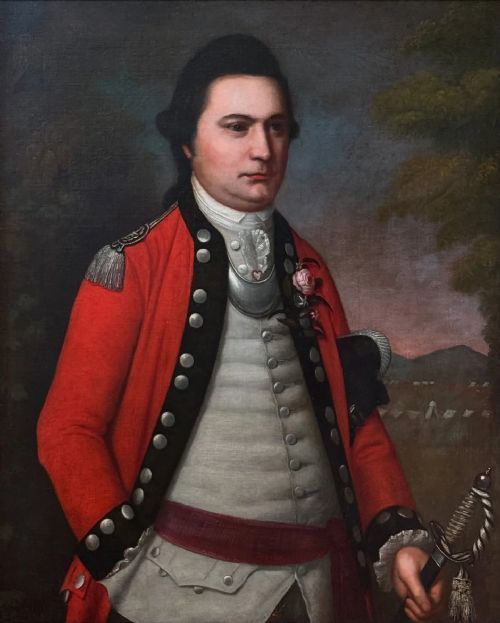
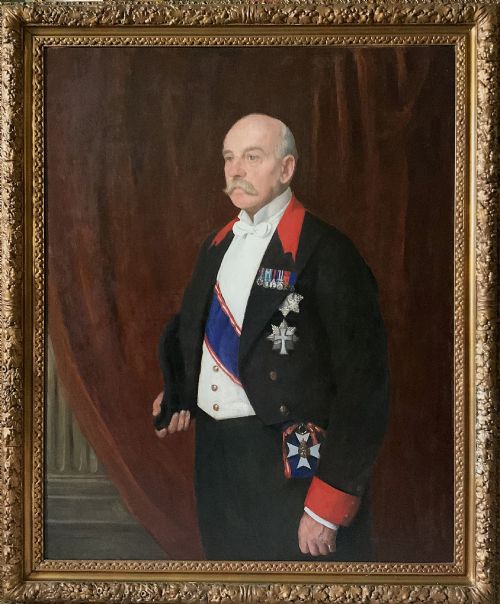
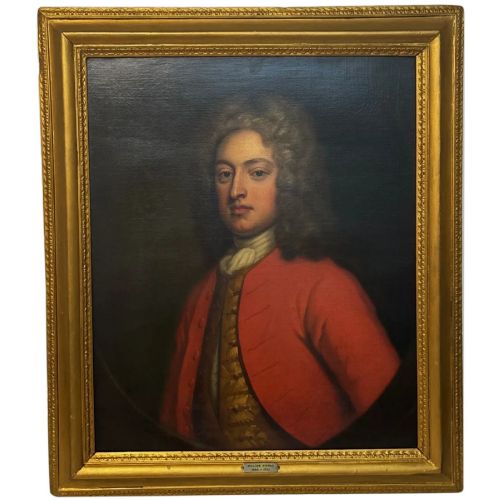
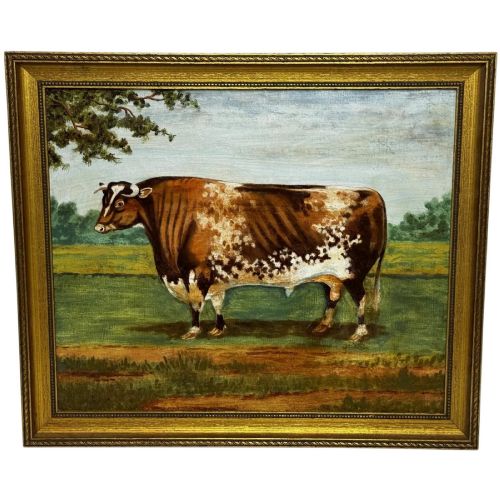
Military figures, civic mayors and landed gentry dominate the historic subjects recorded in these archives. Sporting art and animal portraits also appear alongside traditional human subjects within the broader category.
Materials and Technique
Artists painted primarily with oil pigments applied to stretched linen canvas or wooden panels, utilising layering techniques to build depth and luminosity. Prepared grounds of gesso or chalk provided a stable foundation for the oil medium.
Frames play an integral role in the physical construction of these pieces, frequently featuring carved giltwood, gold leaf or decorative swept mouldings appropriate to the period of creation.
Several canvases record the likenesses of prized shorthorn bulls, racing pigeons and faithful spaniels alongside human nobility.
Judging Quality
The integrity of the original canvas support, minimal historical retouching and the presence of a period-appropriate giltwood frame contribute significantly to the standing of an individual artwork.
Sir Martin Archer Shee·Sir Peter Lely·Charles Jervas·John Opie·Sir Godfrey Kneller·Sir Joshua Reynolds·Jean Baptiste Van Loo·John Greenhill·Allan Ramsay
The British Portrait Oil Painting Glossary
- Oil on Canvas
- A traditional painting medium where pigments bound in drying oil are applied to a woven fabric support. This combination allows for rich blending of tones and enduring flexibility.
- Giltwood
- Wood that has been decorated with a thin layer of gold leaf or powder. It provides ornate, reflective framing for formal portraiture.
- Provincial School
- Artwork produced by regional artists outside major metropolitan centres. These pieces often display distinct local character and unpretentious execution.
- Circle of an Artist
- A term used when a painting shares the distinct style and technical approach of a master without being directly attributed to their own hand. It indicates production within the wider workshop or immediate following of a known painter.
British Portrait Oil Painting: Frequently Asked Questions
How do I date a British portrait oil painting?
Dating relies heavily upon the sitter's costume, hairstyle and collar style, which followed strict chronological fashions. Examining the canvas preparation, stretcher construction and framing materials provides additional supporting evidence.
Secondary clues include biographical details of the sitter or inscriptions left on the reverse of the canvas or stretcher bars by later restorers.
What is a British school portrait?
The designation refers to works executed by artists working within Britain whose specific individual identities remain unrecorded. These paintings represent the broader output of domestic portraiture rather than the hand of a documented master.
Many provincial artists and capable studio assistants contributed to this substantial body of historical work over successive centuries.
How should I display an antique oil painting?
Antique canvases require stable environmental conditions away from direct sunlight, radiators and excessive humidity. Maintaining moderate indoor temperatures prevents the canvas from slackening and protects the oil pigments from degradation.
Secure wall fixings suited to the substantial weight of original giltwood frames are essential for safe hanging.
Why do some portraits depict military uniforms?
Military commissions commemorated rank, service and specific campaigns during periods of conflict such as the Napoleonic Wars or the First World War. Redcoat tunics, medals and braided epaulettes served as proud markers of duty and social standing.
These identifiable uniforms assist historians in dating the artwork and tracing the career of the sitter.