

British Military Artwork
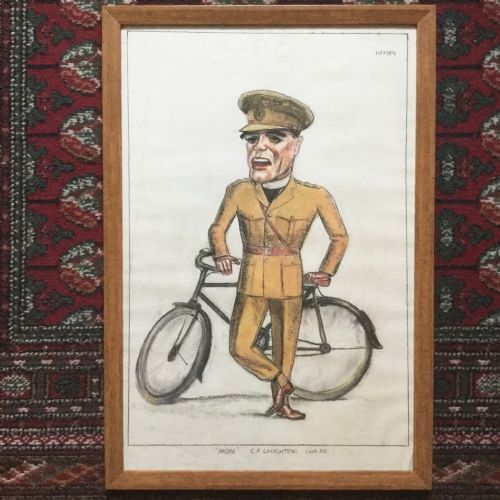
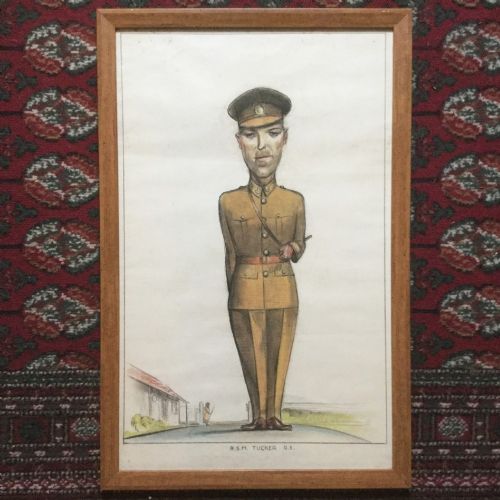
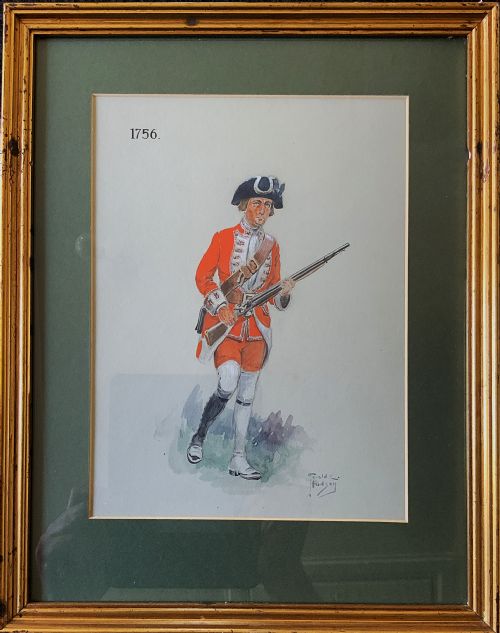
British military artwork captures centuries of service through detailed oils, watercolours, and portrait miniatures.
British Military Artwork
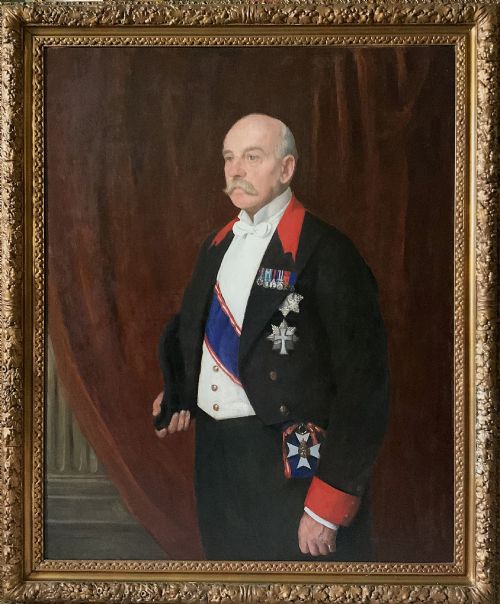
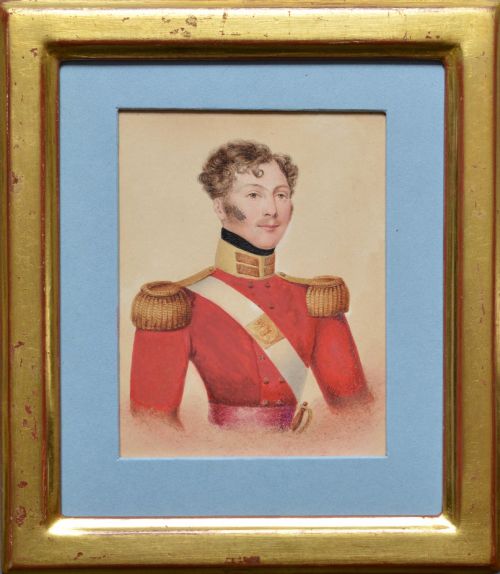
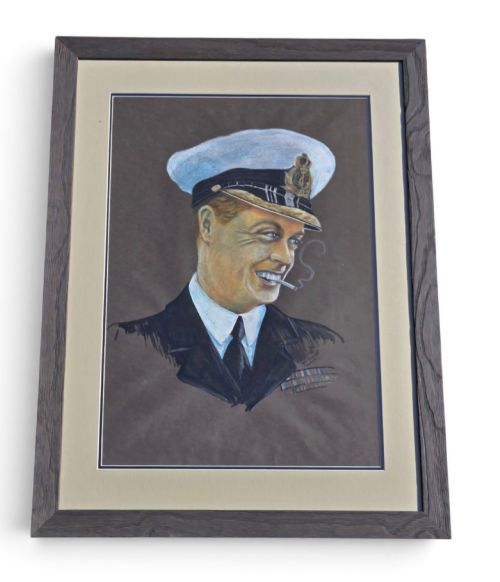
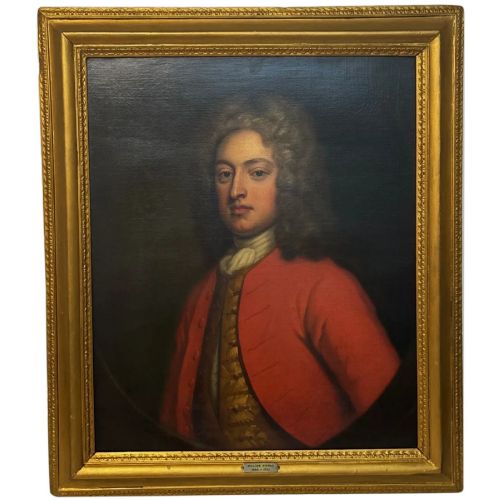
British military artwork encompasses historical paintings, portraits, and sketches documenting soldiers, officers, and naval figures across multiple centuries. Buyers searching for british military artwork frequently encounter framed watercolours, oil portraits on canvas, and detailed pastel sketches from the Victorian and Edwardian eras. These pieces often depict named regiments, high-ranking officers, and wartime scenes ranging from the eighteenth century through the mid-twentieth century.
The selection ranges from intimate portrait miniatures set in gold frames to monumental military oil portraits and wartime drawings. Works span various recognised styles including folk art, early twentieth-century realism, and traditional portraiture. Collectors will find both finished gallery pieces and raw observational wartime sketches originating from official commissions and private hands.
How They Were Made
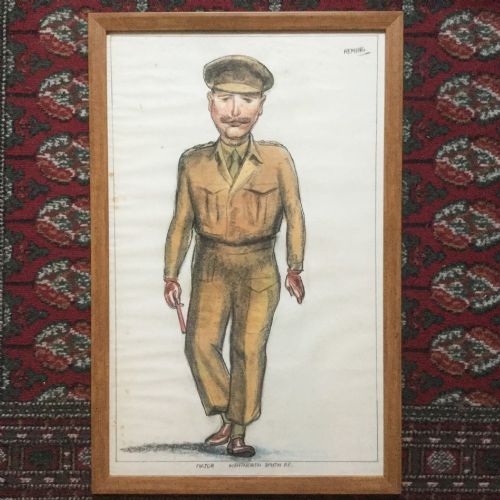
Artists relied primarily on oil on canvas, watercolour, ink, and pastel applied to paper, wood panels, or glass. Many eighteenth and nineteenth-century works utilise traditional oil painting techniques on stretched canvas, occasionally housed within ornate giltwood frames. Watercolour and wash drawings on paper capture immediate illustrative details, frequently executed during active service or campaign periods.
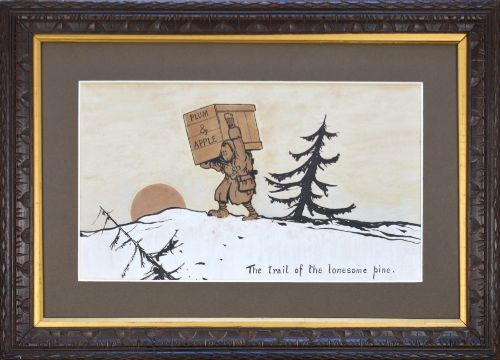
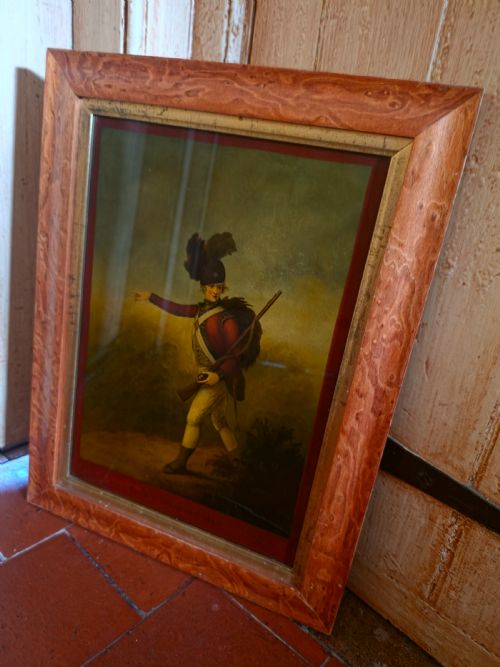
Specialised formats such as reverse glass painting and miniature portraits painted on agate panels demonstrate fine craftsmanship. Panel paintings employ sturdy wood supports coated with prepared grounds, while works on paper utilise durable rag paper to preserve delicate watercolours and gouache sketches over generations.
Several military officers are immortalised alongside their sidearms, dogs, and surprisingly detailed Victorian moustaches.
What Varies in Quality
The distinction between standard military paintings and exceptional pieces rests upon the precision of the uniform details and the skill of the portraiture. Masterful handling of facial expression, accurate regimental insignia, and the documented identity of the sitter elevate specific works above routine military portraiture.
Condition and medium complexity also determine the standing of a piece within the genre. Intricate miniature paintings executed on precious materials like agate with gold surrounds, or signed works by established historical painters, represent the upper echelon of surviving historical output.
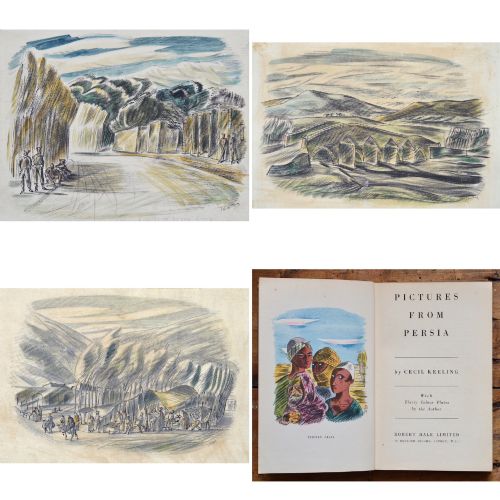
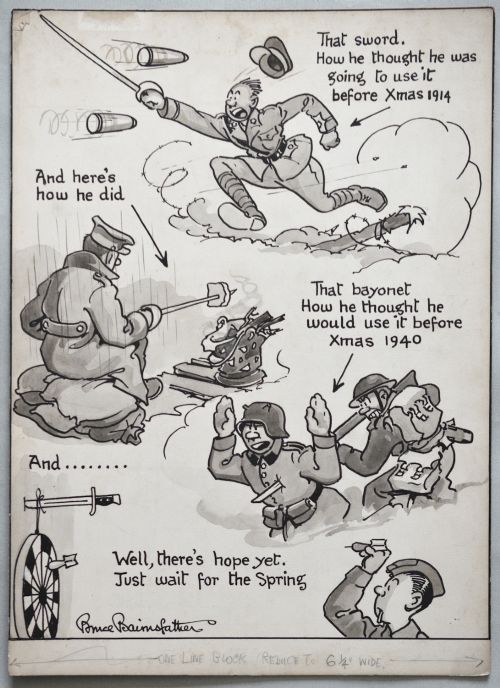
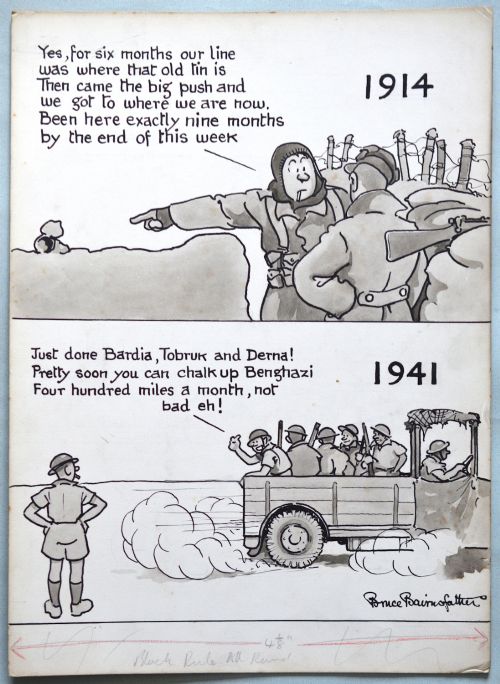
Bruce Bairnsfather·Cecil Keeling·Dion Pears·Frank Dadd·Thomas Mackay·Sir Thomas Lawrence·Ernest Crofts
The British Military Artwork Glossary
- Portrait Miniature
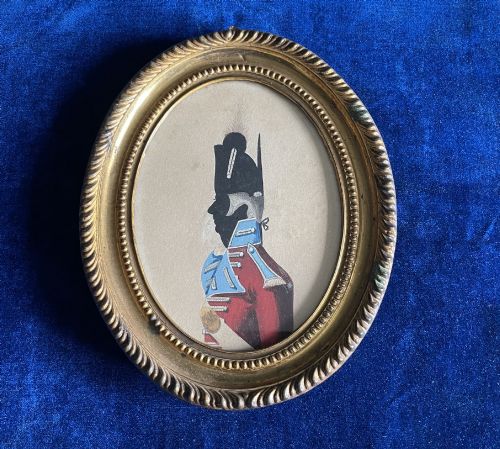
- A small, highly detailed painting, often executed on ivory, vellum, or agate panel. These intimate works frequently captured officers and nobility for personal or campaign keepsake.
- Reverse Glass Painting
- An artwork created by applying paint directly to the back of a glass sheet so that the final image is viewed through the front. This delicate technique produces a luminous surface finish.
- Watercolour and Wash
- A painting method using water-soluble pigments combined with diluted ink or colour washes on paper. This technique allowed artists to produce rapid, expressive field studies and finished portraits alike.
- Giltwood Frame
- A wooden frame finished with a thin layer of gold leaf or gold paint. These decorative surrounds often complement historical oil portraits and watercolours from the Georgian and Victorian periods.
- Regiment
- A permanent military unit officially designated for operational service. Historical artworks frequently identify sitters by their specific regimental affiliation and uniform distinctions.
British Military Artwork: Frequently Asked Questions
What periods do these artworks cover?
The available selection spans from the early eighteenth century through the Victorian and Edwardian eras up to the mid-twentieth century. Pieces reflect the prevailing artistic styles and military uniforms of their respective decades.
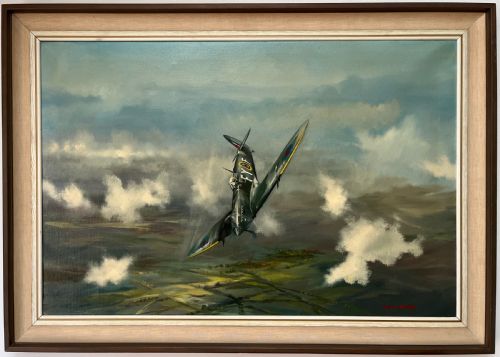
Earlier works often feature Georgian and Regency military figures, while mid-twentieth-century examples capture wartime service during the conflicts of the 1940s.
How were portrait miniatures used?
Military portrait miniatures served as portable likenesses that officers carried during campaigns or sent home to family members. Their small scale allowed for easy transport inside pockets or rucksacks.
Many of these miniature pieces were mounted in protective cases or precious metal frames suitable for personal display.
How do I identify a regiment?
Uniform details, collar badges, shoulder titles, and specific headwear provide the primary clues for identifying a sitter's regiment. Artists often recorded exact regimental facings and campaign medals.
Matching these visual markers against historical army lists helps confirm the branch of service and approximate date of the artwork.
How should I display these pieces?
Framed works on paper, watercolours, and delicate pastel sketches require protection from direct sunlight to prevent fading. Stable indoor humidity helps preserve organic materials like paper, wood, and canvas.
Displaying oil paintings away from intense heat sources ensures the conservation of both the canvas support and traditional giltwood frames.