







British Marine Wall Art
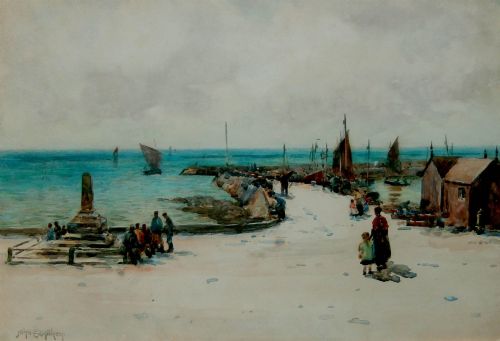
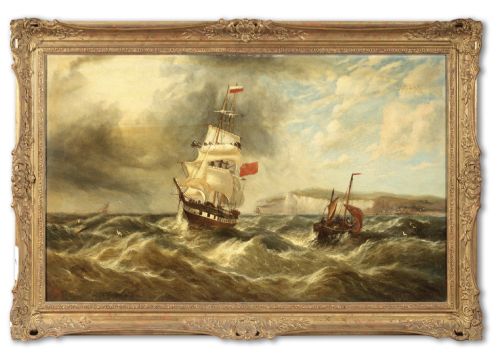
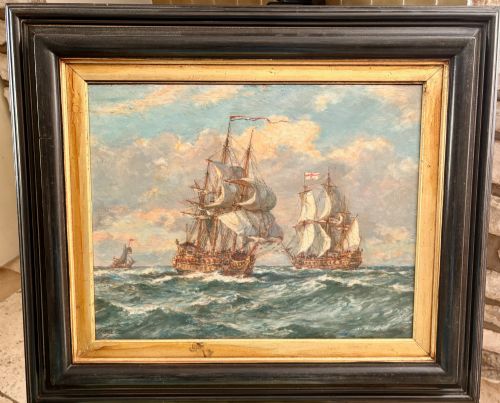
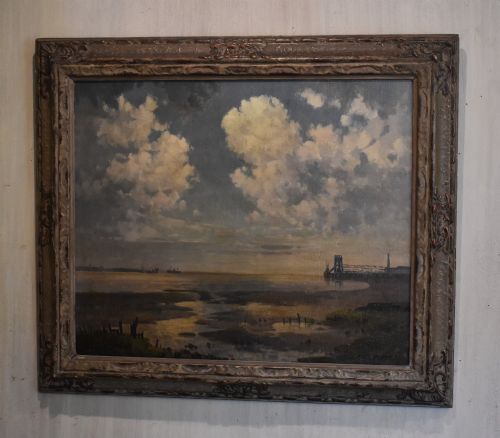
British marine wall art captures coastal life and naval history on canvas and paper.
British Marine Wall Art
British marine wall art encompasses paintings and fine art works focusing on the sea, coastal scenes, shipping vessels, and harbours. Buyers encounter pieces spanning from the eighteenth century through to the mid twentieth century, with a strong representation of nineteenth century and Edwardian works.
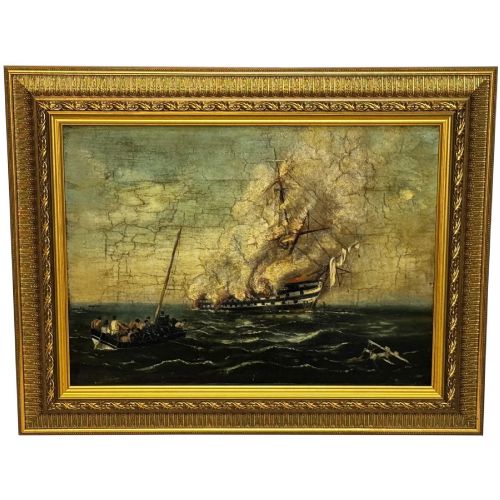
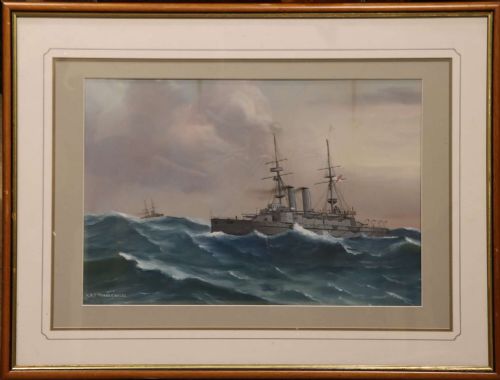
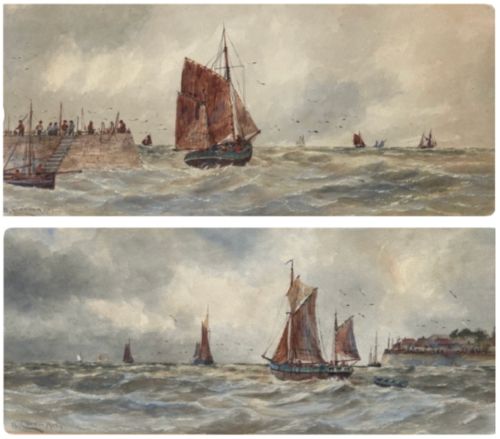
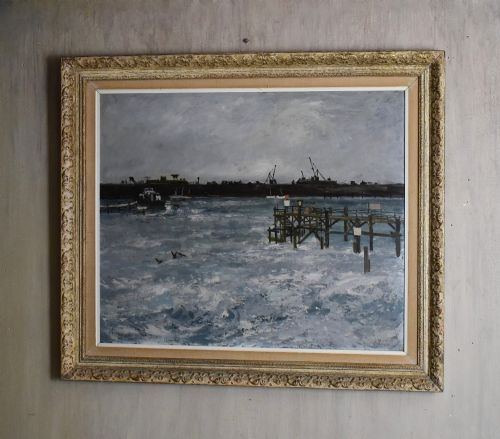
The most common formats on this page are watercolour paintings on paper and oil paintings on canvas or board. Subjects range from tranquil estuary scenes and bustling fishing ports like St Ives and Whitby to dramatic rough seas and naval engagements.
Makers and artists range from named Victorian painters to regional practitioners working in watercolours or en plein air oils. These works document maritime heritage, trading vessels, and coastal topography across Britain.
Materials and Technique
Artists utilised traditional pigments mixed for watercolour on paper or oil paints applied to canvas, board, and card. Watercolour works often employ washes to capture the luminous atmospheric conditions of the coast.
Oil paintings frequently showcase textured impasto application or smooth glazing to render water, sky, and wooden vessels with precision. Many works are preserved in their original framed presentations beneath glass or exposed.
Listings feature works executed in watercolour, oil on canvas, and oil on board, spanning the eighteenth to the twentieth centuries.
Evaluating the Range
Quality rests in the artist's handling of light, atmospheric perspective, and maritime accuracy in rigging and vessel construction. Stronger examples demonstrate confident brushwork and a convincing sense of movement in water and weather.
The distinction between standard decorative works and finer pieces lies in the subtlety of colour harmonies and the compositional balance of harbour or seascape elements.
James Orrock·Thomas Bush Hardy·John Wilson Carmichael·Edward Seago·Charles Napier Hemy
The British Marine Wall Art Glossary
- Impasto
- Paint applied thickly to a canvas or board, leaving visible brush or palette knife marks that add tactile texture. This technique is often used to emphasise the froth of waves or clouds.
- En plein air
- Painting outdoors directly in front of the subject to capture natural light and transient weather conditions. This approach was favoured by landscape and marine artists seeking immediacy.
- Seascape
- A work of fine art depicting the sea, coastal views, or marine shipping scenes. These pieces focus on water, shorelines, and maritime activity.
- Gouache
- An opaque watercolour medium containing pigment mixed with a binding agent and white filler. It produces a dense, matte surface often used for highlights in maritime works.
- Provenance
- The documented history of ownership of an artwork, tracing its path from the creator to the present day. Detailed provenance adds historical weight to a piece.
British Marine Wall Art: Frequently Asked Questions
What subjects appear in these paintings?
The works depict coastal villages, fishing boats, merchant ships, and naval vessels across British waters. Scenes range from calm estuaries to stormy seas.
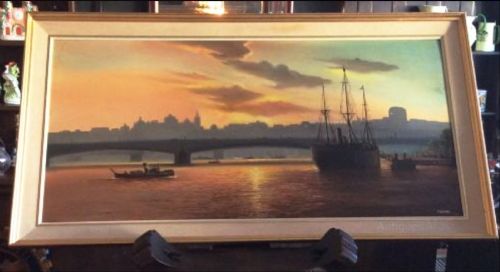
Common locations include Yorkshire harbours, Cornish coastal towns, and the River Thames in London.
How do I care for antique watercolours?
Watercolour paintings on paper require protection from direct sunlight to prevent fading of the pigments. Framing with acid-free mounts preserves the paper over time.
Keep these works in rooms with stable humidity levels to avoid warping or foxing.
Are these paintings signed by the artists?
Many examples feature signatures, monograms, or contemporary inscriptions by the hand of the painter. Unsigned works are often attributed to specific periods or regional British schools.
Documentation or framing labels occasionally provide further context regarding origin.
What framing is typical for marine art?
Period works frequently retain gilt wood frames, sometimes with moulded plaster ornamentation suited to Victorian or Edwardian tastes. These frames complement the maritime subject matter.
Original framing adds historical context to the piece.