



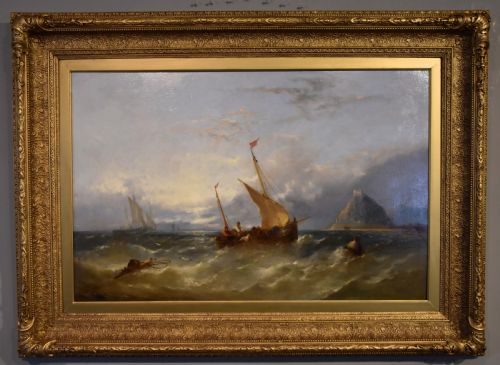
British Marine Oil Painting
British marine oil painting captures the historic sweep of coastal waters and sailing vessels through enduring pigments.
British Marine Oil Painting
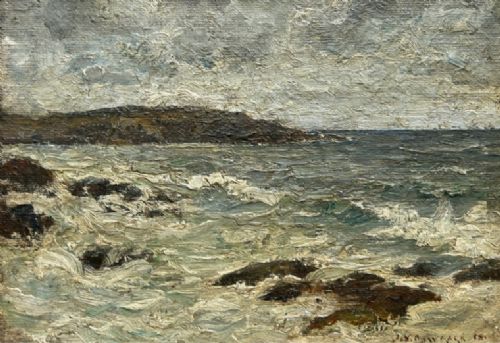
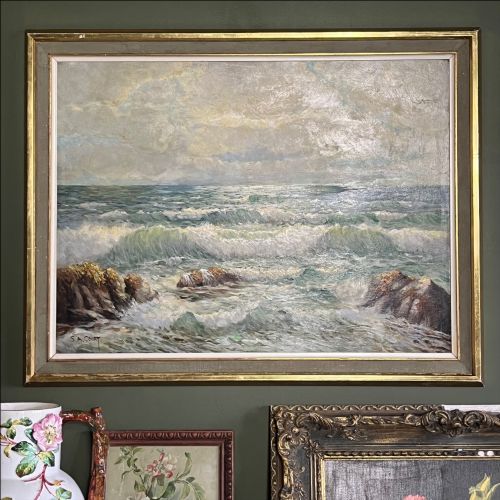
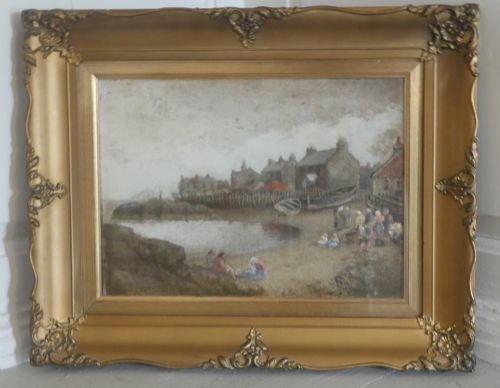
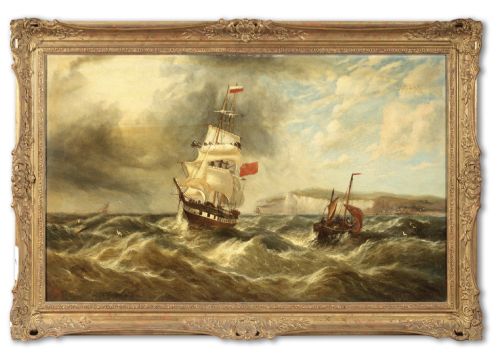
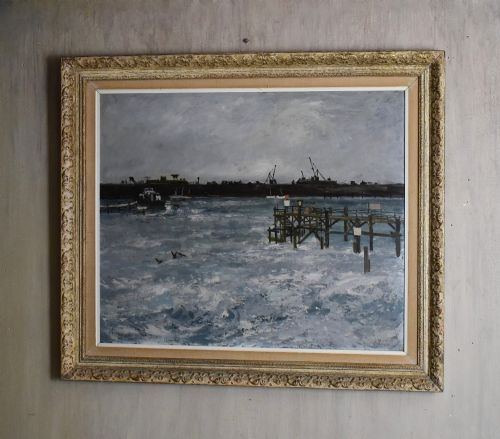
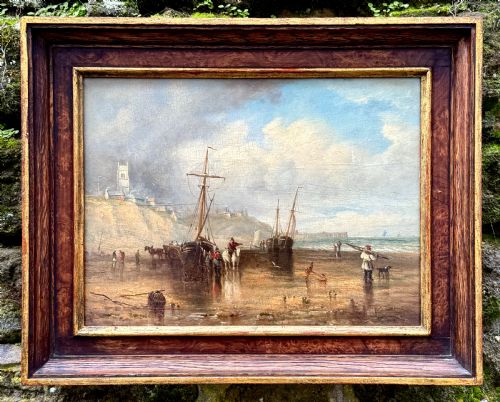
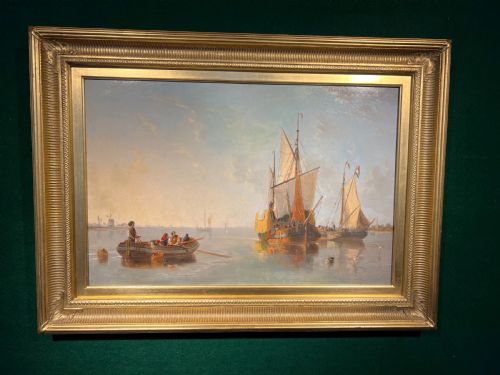
A British marine oil painting portrays coastal scenes, naval engagements, merchant vessels and river traffic across centuries of maritime history. These works range from expansive Victorian canvases depicting merchant ships in rough seas to intimate mid-century harbour views painted en plein air.
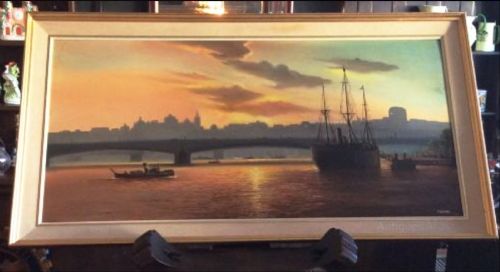
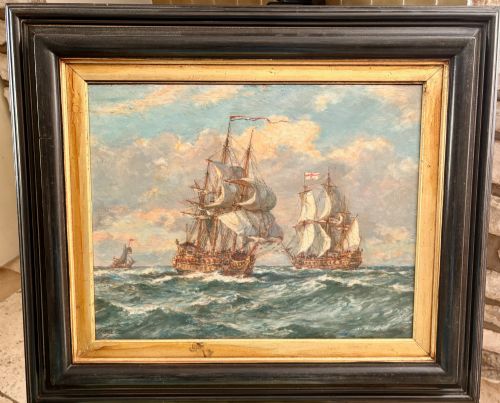
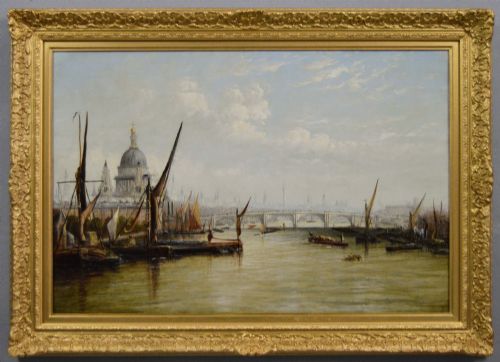
Collectors encounter diverse formats, including panoramic views of the Thames, stormy coastalscapes with fishing boats, and detailed depictions of historical warships. The selections span the nineteenth century through the Edwardian period and into the mid-twentieth century.
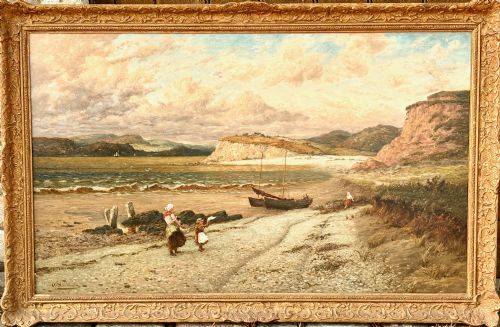
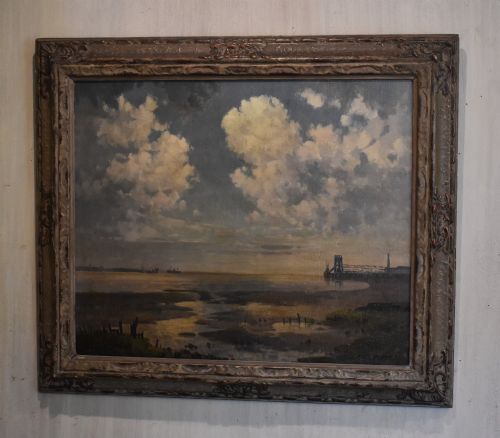
Represented styles vary from traditional academic maritime recording to British Impressionism and impasto coastal landscapes. Each piece reflects the enduring national connection to the sea, captured through the eyes of regional and school painters.
How they were made
Artists built these works primarily using oil paint applied to canvas, wood panels, board or card, framed in giltwood and gold leaf. The medium allowed painters to build rich textures, particularly in stormy seas and impasto coastal views.
Techniques evolved from meticulous nineteenth-century academic rigging and hull details to looser, en plein air brushwork favoured by later impressionist and mid-century painters.
Recorded framing materials include ornate giltwood and gold leaf, matching the traditional presentation of period oils.
What varies in quality
Quality rests upon the artist's command of maritime architecture, atmospheric light and the dynamic movement of water. Superior examples demonstrate precise knowledge of ship rigging alongside a confident handling of atmospheric weather and coastal topography.
The distinction between standard works and master creations lies in the subtlety of tonal transitions within the sky and sea, rather than mere scale or subject matter.
Kenneth Cozens·Clifford Hanney·Sidney A Court·Francis Moltino·Bernard Benedict Hemy·Thomas Creswick·John Wilson Carmichael·William Henry Williamson·John Holland·Charles William Wyllie·Charles Napier Hemy·James Fry·James Kyd·Stanley Leader·Edward Henry Eugene Fletcher·William Greaves·Edward Seago·Claude Thomas Stanfield Moore·Owen Bowen·George Gregory·Alfred Henry Vickers·George Henry Knight
The British Marine Oil Painting Glossary
- Impasto
- Paint applied thickly to a canvas or board, standing out in relief from the surface and catching the light. This technique gives texture to turbulent waves and rocky cliffs.
- En plein air
- The practice of painting outdoors directly from the subject to capture natural light and changing weather conditions. This approach creates immediate, lively coastal scenes.
- Giltwood
- Wood carved and covered with a thin layer of gold leaf or metallic powder, forming the decorative frames typical of traditional maritime works.
- Maritime
- Depicting ships, shipping, navigation or the sea generally, often focusing on commercial or naval vessels. These subjects require accurate rendering of nautical details.
British Marine Oil Painting: Frequently Asked Questions
How do I identify the period of a marine painting?
Dating relies on the ship types, rigging styles, clothing of figures on shore, and framing materials. Nineteenth-century works often feature detailed square-rigged vessels, while twentieth-century pieces lean towards looser brushwork and modern steam or motor craft.
Examining the canvas preparation, stretcher frames, and artist signatures provides additional chronological clues. Archive records and listed dates help narrow down the active years of the painter.
Where should I hang a marine oil painting?
These works suit rooms with stable humidity and indirect natural light to protect the oil pigments and giltwood frames. Placing them away from direct heat sources preserves the canvas and underlying wooden supports.
Consider eye-level placement in studies, living rooms, or hallways where the atmospheric coastal scenes can be viewed closely.
What is the difference between a seascape and a marine painting?
A seascape primarily focuses on the physical expanse of the sea, coastal views, beaches, and weather phenomena. The water and coastline take precedence over human activity or specific vessels.
Marine paintings place central emphasis on ships, naval battles, harbour life, and maritime commerce. The human element of seafaring and vessel architecture defines the genre.
How were these paintings used originally?
Maritime paintings were commissioned or purchased by ship owners, naval officers, and collectors to document specific vessels, notable voyages, or beloved coastal locations. They served as proud records of maritime heritage and naval power.
Wealthy merchants and institutions displayed them in offices and homes to signify status, trade connections, and a deep cultural tie to the sea.