




British Impressionist Coastal Landscape
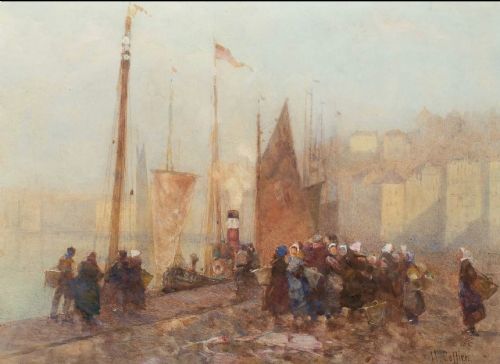
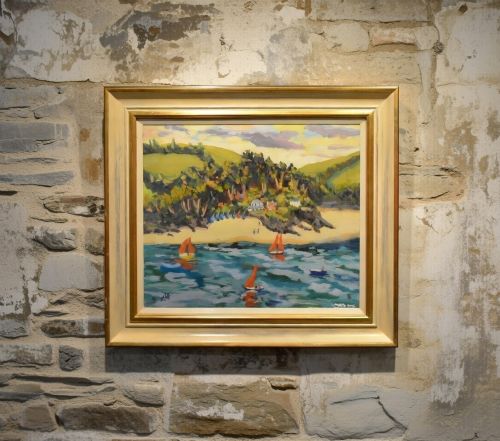
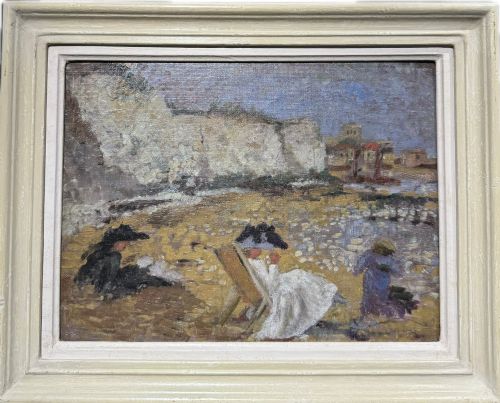
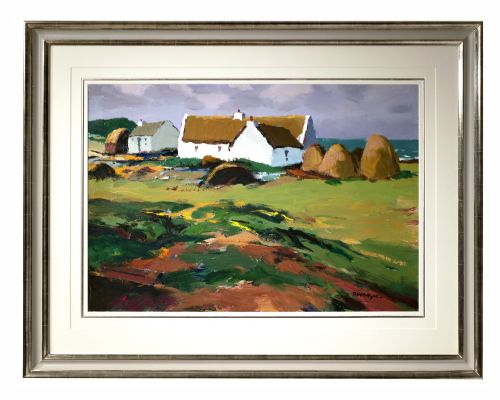
British impressionist coastal landscape works capture the shifting light and maritime atmosphere of Britain's shores through loose brushwork and direct observation.
British Impressionist Coastal Landscape
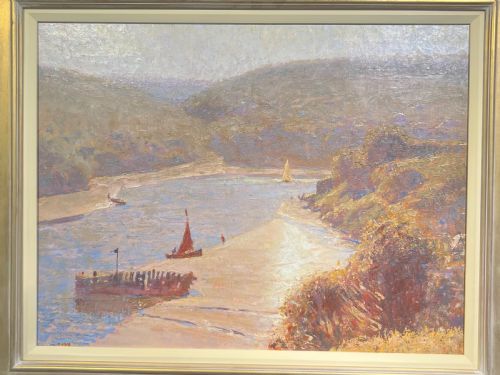
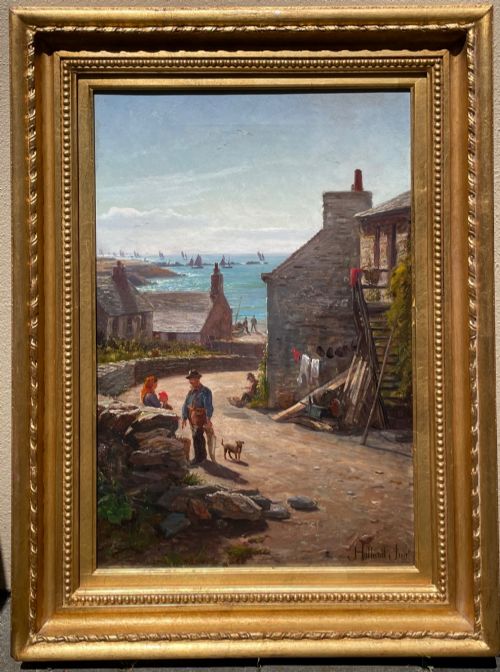
A british impressionist coastal landscape brings together the sea, harbour walls and sandy shores of Britain through direct observation. Painters worked outdoors or in studios using rapid brush marks to record fleeting atmospheric conditions.
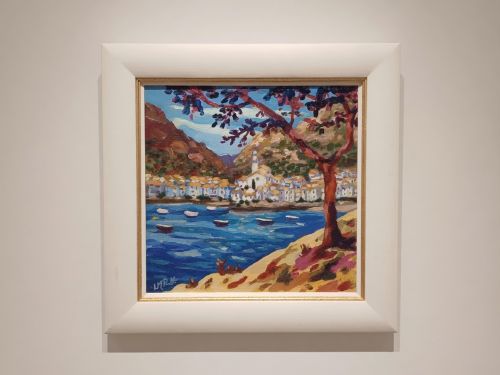
The works appearing here span from the Victorian period through to the mid-twentieth century. Cornwall, Yorkshire and Norfolk feature frequently as subjects, tied to regional groups like the Newlyn and Staithes art schools.
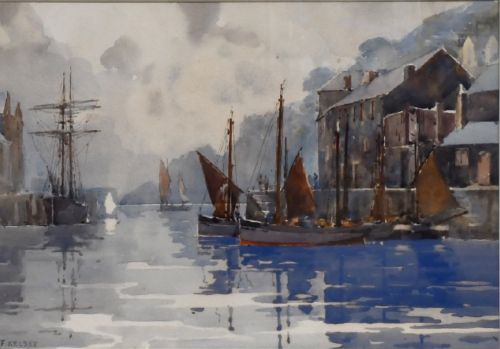
Paintings take the form of framed oil paintings on canvas, board or panel, alongside waterpaintings on paper. These pieces range from intimate watercolours to large oil compositions.
How They Were Made
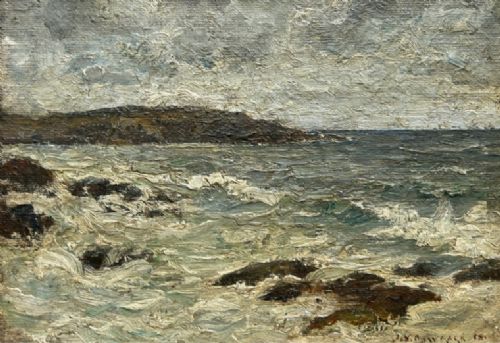
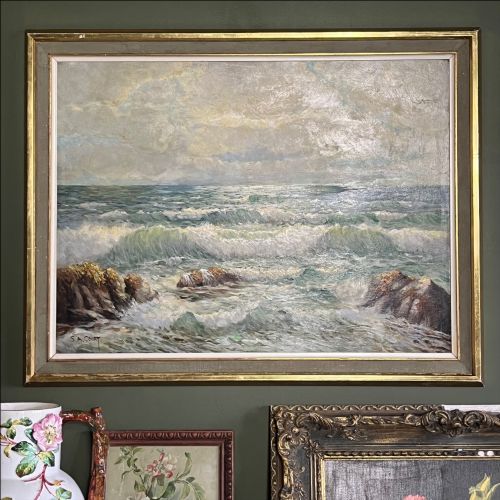
Artists applied oil paint or watercolour onto canvas, prepared wooden board, panel or thick paper. Oil paint was often laid down thickly as impasto to build up the texture of waves, rocks and sandy beaches.
Many painters worked en plein air directly on location to catch natural light before it shifted. Watercolours relied on fluid washes of pigment on paper, while oils allowed for broader, more tactile manipulation of colour.
Listings span from the Victorian era through the 1960s, featuring oil and watercolour on canvas, board, panel and paper.
What Varies in Quality
Quality rests upon the sureness of the brushwork and the artist's command of light and atmosphere. Stronger works demonstrate a confident economy of marks that suggests movement in the water and air without overworking the surface.
Compositional balance and the accurate rendering of coastal geography distinguish the finest examples. Pieces that successfully convey the specific atmosphere of locations like St Ives or Whitby show a deeper artistic engagement with the subject.
The British Impressionist Coastal Landscape Glossary
- En plein air
- Painting outdoors directly from the subject to capture natural light and transient atmospheric effects. This approach defined much of late nineteenth and twentieth century outdoor painting.
- Impasto
- Paint applied thickly to a canvas or board, standing out from the surface so that the marks of the brush or palette knife remain visible. It adds physical texture to representations of water and sky.
- Newlyn School
- An artist colony based in Cornwall during the late nineteenth and early twentieth centuries. Painters associated with this group focused on naturalistic scenes of local coastal life and landscapes.
- Staithes Group
- A tight-knit community of Yorkshire artists influenced by French impressionism who painted local fishing villages and coastal scenes. Their work often utilised rapid brushwork and vibrant palettes.
- Watercolour
- A paint consisting of pigment suspended in a water-soluble binder, traditionally applied to paper. It relies on the white of the paper shining through translucent washes of colour.
British Impressionist Coastal Landscape: Frequently Asked Questions
What is a british impressionist coastal landscape?
These works are paintings and watercolours depicting British shores, harbours and estuaries created under the influence of impressionist techniques. Artists sought to record the transient effects of light, weather and tide rather than precise topographical detail.
Subjects range from busy Cornish fishing ports to quiet Yorkshire beaches and Norfolk broads, produced by artists working from the Victorian era into the mid-twentieth century.
Where were these coastal scenes painted?
Many works originate from established artistic hubs along the British coastline, particularly in Cornwall around St Ives, Newlyn and Polperro. Other frequent locations include the fishing villages of the Yorkshire coast like Staithes and Whitby, alongside sites in Norfolk and the Isle of Man.
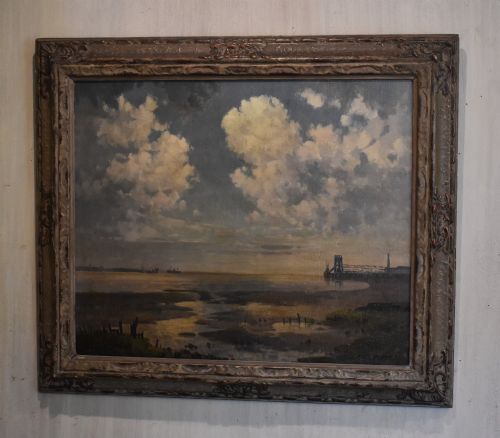
Artists travelled to these maritime communities to paint the local fleets, harbour walls, cliffs and tidal mudflats directly from life.
How do I care for an oil painting on board?
Keep the painting away from direct sunlight and sources of heat to prevent the wooden board or panel from warping and the oil paint from cracking. Maintain a stable indoor environment with moderate humidity.
Dust the surface gently with a soft, dry brush when needed, and avoid using any liquid cleaners or cloths on the painted surface.
How do oil and watercolour works differ?
Oil paintings utilise pigment bound in oil on canvas, board or panel, allowing for thick impasto textures and rich, reworkable layers of colour. Watercolours use water-soluble pigments on paper, creating translucent washes where the white paper provides underlying luminosity.
Oils are typically framed behind glass only when unvarnished or on fragile paper, whereas watercolours require glass protection to prevent moisture and atmospheric damage.