

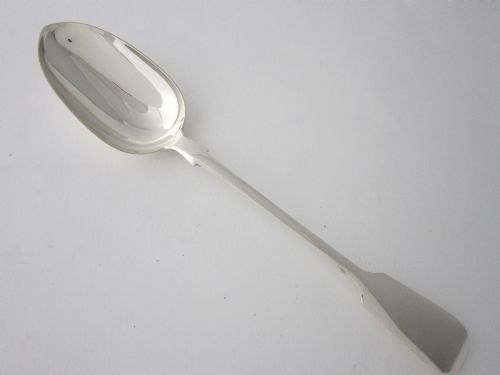
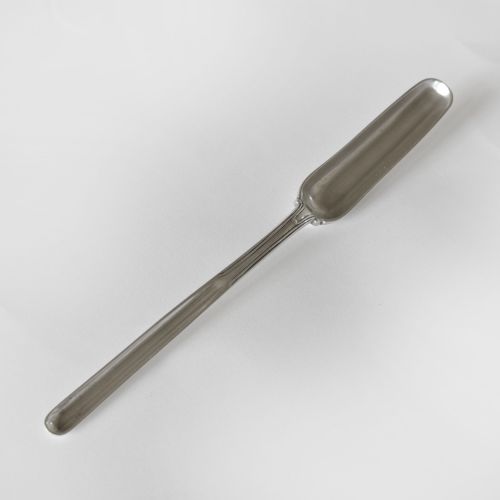


British Hallmarked Spoon
A british hallmarked spoon carries the unmistakable weight and history of assay offices from London to Sheffield.
British Hallmarked Spoon
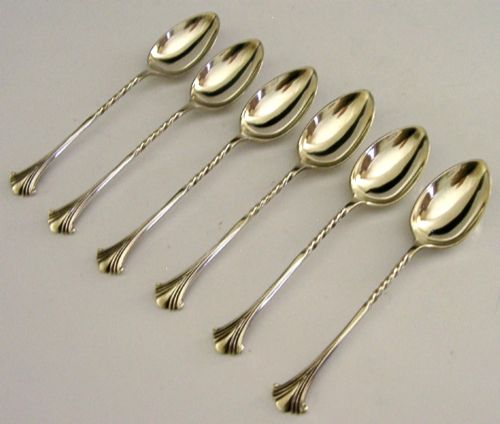
When you search for a british hallmarked spoon, you are looking at functional tableware stamped with official assay marks that verify metal purity and date of manufacture. These pieces span from the Georgian era through to the mid-twentieth century, encompassing domestic forms designed for specific culinary tasks.
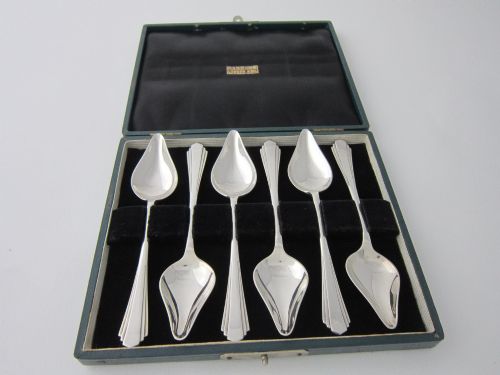
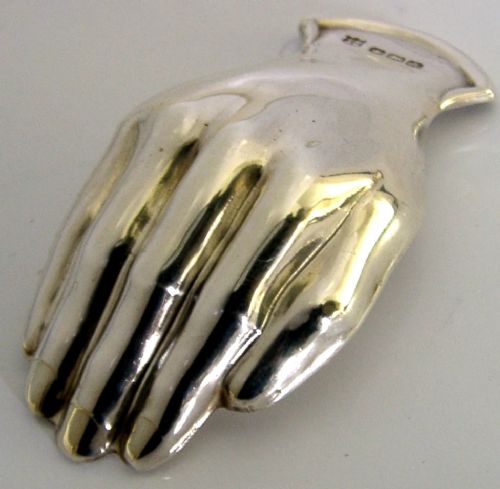
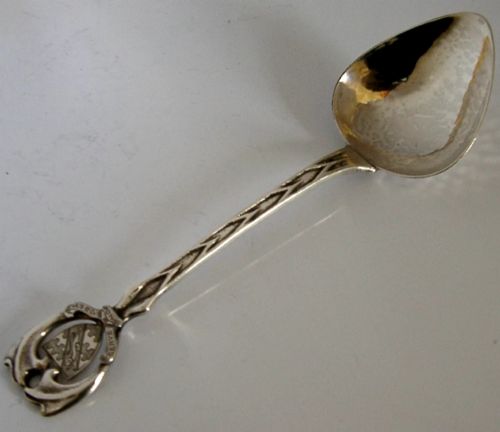
You are most likely to meet sterling silver examples on this page, ranging from standard teaspoons and caddy spoons to larger basting implements and marrow scoops. The selection includes both utilitarian servers and decorative novelty pieces originating from various British periods.
The forms reflect traditional dining habits, featuring fiddle patterns, old english designs, and specialised implements like grapefruit spoons or ice cream servers. Each item bears the physical evidence of its provenance through stamped leopard heads, lions passants, and date letters.
Materials and construction
The primary material across these listings is sterling silver, worked by silversmiths using traditional forming, hammering, and shaping techniques. The metal is manipulated to create sturdy bowls and balanced handles designed for regular dining use.
Hallmarks are punched directly into the silver using steel dies before the piece leaves the workshop, recording the maker's mark, standard mark, assay office, and date letter. Some items are accompanied by fitted cases or display boxes lined in fabric and leatherette.
British Hallmarked Spoon Retail Price Guide 2026
Typical asking prices for british hallmarked spoon among the pieces listed under this phrase on Sellingantiques today, from the lower quarter to the upper quarter. They describe what is for sale here now, not the wider market.
Some nineteenth-century diners required an entire dedicated scoop just to extract bone marrow between courses.
Assessing quality and merit
Quality in these items is defined by the crispness of the stamped hallmarks and the preservation of the original form without excessive thinning of the silver bowl through polishing. Maker attribution also plays a role, with work from known workshops commanding particular attention.
The weight of the metal and the integrity of decorative engraving or patterning separate standard utilitarian items from finer examples. Handling reveals the balance and gauge of the silver, distinguishing heavier serving pieces from lighter domestic spoons.
Worshipful Company of Haberdashers·Connell·Mappin & Webb·George Unite
The British Hallmarked Spoon Glossary
- Hallmark
- A series of official marks stamped on precious metals by an assay office to guarantee purity and origin. These stamps provide the primary method for dating British silver.
- Sterling silver
- An alloy containing ninety-two point five percent silver and seven point five percent other metals, usually copper. This standard has governed British silver production for centuries.
- Caddy spoon
- A short-handled spoon specifically designed for measuring loose tea from a caddy into a teapot. They often feature decorative bowls shaped like leaves or shells.
- Marrow scoop
- A narrow, elongated utensil with trough-like ends used for extracting marrow from animal bones at the dining table. They became particularly popular during the Georgian period.
- Fiddle pattern
- A traditional handle shape featuring a subtle swell near the terminal that resembles the outline of a stringed instrument. This design appeared frequently on nineteenth-century cutlery.
British Hallmarked Spoon: Frequently Asked Questions
What is a silver caddy spoon used for?
A caddy spoon was historically used to scoop dry tea leaves from a storage caddy directly into a pot. Their compact size and shallow bowls made them ideal for precise measurement.
Over time, silversmiths decorated these small utensils with intricate shell or floral motifs, turning a simple kitchen tool into a collectible display piece.
How do I read silver hallmarks?
British hallmarks typically consist of a maker's mark, a standard mark indicating sterling quality, an assay office mark, and a date letter. Each symbol corresponds to specific registers held by assay offices.
Reading these stamps allows you to determine the exact year a spoon was tested and the specific workshop where it was shaped.
What is a marrow scoop?
A marrow scoop is a double-ended utensil featuring narrow troughs designed to extract marrow from bones during formal dining. They date predominantly to the eighteenth and nineteenth centuries.
Their elongated shape and dual-width ends allowed diners to reach deep into both large and small bones cleanly at the table.
Are these spoons made of solid silver?
The listings on this page consist of sterling silver pieces rather than plated alternatives. This means the metal composition meets the statutory purity standard throughout the entire object.
Heavy serving pieces and smaller items alike bear the lion passant stamp to confirm this solid silver construction.