



British Hallmarked Silver Tableware
British hallmarked silver tableware brings functional elegance to the dining table through enduring sterling silver craftsmanship.
British Hallmarked Silver Tableware
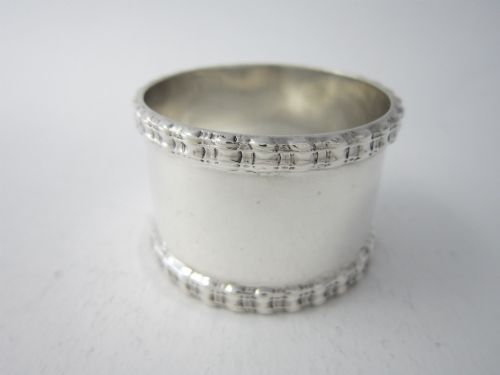
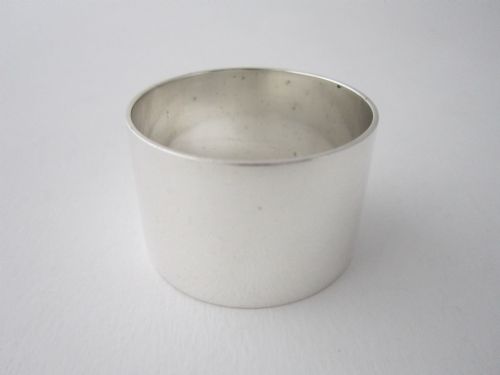
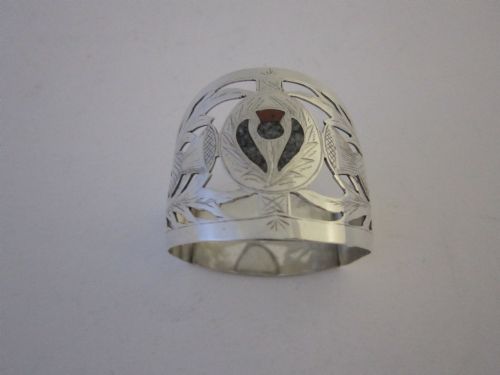
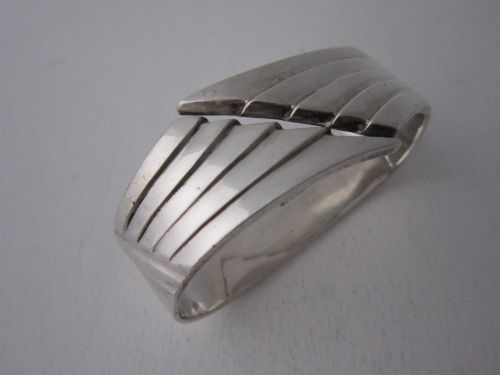
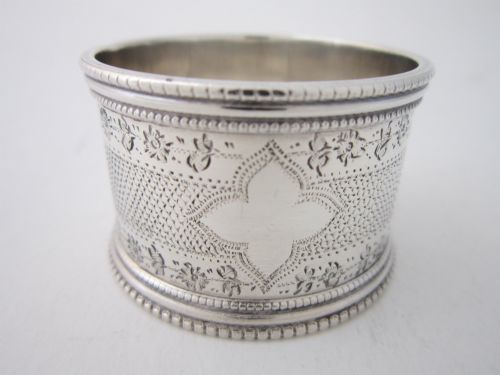
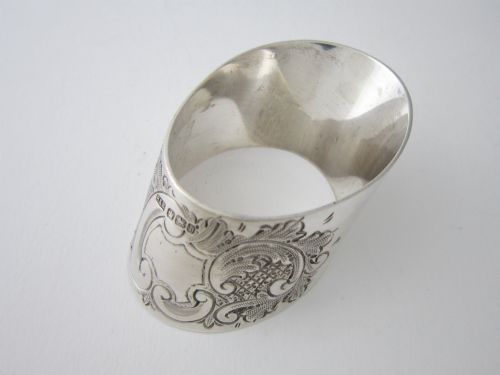
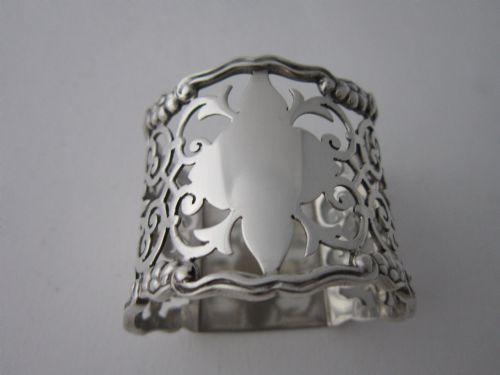
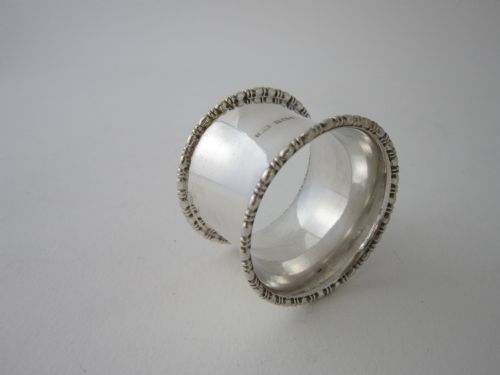
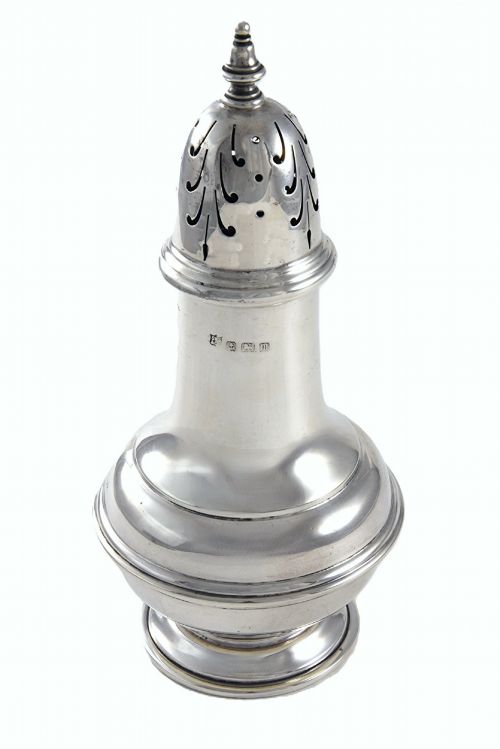
British hallmarked silver tableware comprises dining accessories and serving pieces, with napkin rings appearing most frequently alongside mustard pots, sugar casters, and serving spoons. These items span Victorian, Edwardian, and George V periods, reflecting the shifting domestic habits of dining rooms over more than a century.
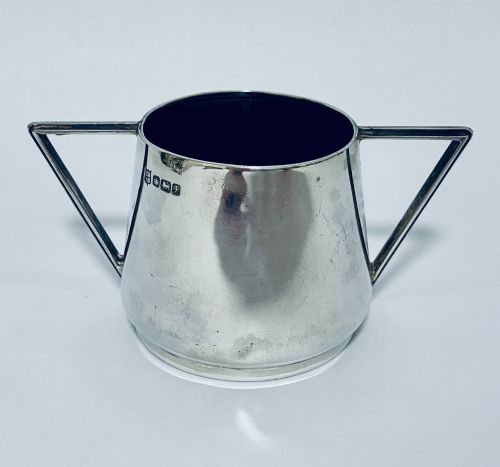
Buyers encounter distinct forms ranging from heavy George V napkin rings to early Victorian mustard pots and Edwardian candlesticks. Mid-Century Modern and Art Deco influences also emerge in sugar bowls and condiment sets, demonstrating how traditional silver workshops adapted to changing aesthetic movements.
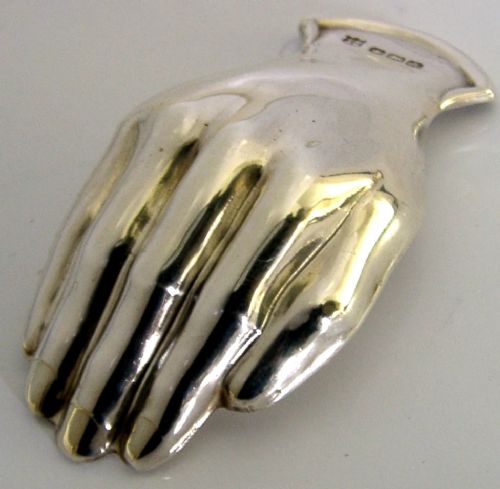
The selection includes specialised implements like stilton scoops, toast racks, and caddy spoons, often accompanied by glass liners, agate, or gilt interiors. These functional objects showcase the breadth of domestic silver production across multiple British reigns and decades.
Judging quality and character
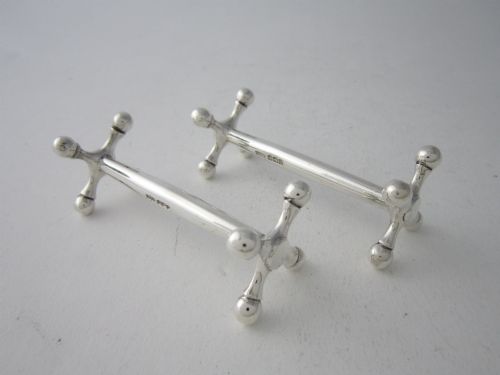
Quality rests on the weight of the sterling silver and the crispness of the hallmarks and decorative chasing. Heavier gauge metal and substantial weight, such as in paired knife rests or large napkin rings, indicate superior production standards.
Design execution distinguishes standard domestic pieces from finer works, particularly where supplementary materials like glass liners or agate insets are integrated cleanly. The balance of the object and the clarity of period styles, from George V to Art Deco, determine the overall merit of the piece.
British Hallmarked Silver Tableware Retail Price Guide 2026
Typical asking prices for british hallmarked silver tableware among the pieces listed under this phrase on Sellingantiques today, from the lower quarter to the upper quarter. They describe what is for sale here now, not the wider market.
Functional forms range from napkin rings and mustard pots to toast racks, stilton scoops, and novelty tea caddy spoons.
R. E. Stone·Robert Pringle and Sons·Viners
The British Hallmarked Silver Tableware Glossary
- Hallmark
- Official stamps struck into precious metals to guarantee purity and origin. These marks typically indicate the maker, assay office, and year of manufacture.
- Sterling silver
- An alloy of silver containing 92.5 percent pure silver and 7.5 percent other metals, usually copper. This standard provides the necessary durability for tableware.
- Caddy spoon
- A specialised short spoon used for measuring loose tea leaves from a caddy. They often feature novelty designs and decorative bowls.
- Toast rack
- A small table accessory featuring vertical metal dividers designed to hold slices of toast upright. This keeps the toast crisp by preventing condensation.
- Fiddle pattern
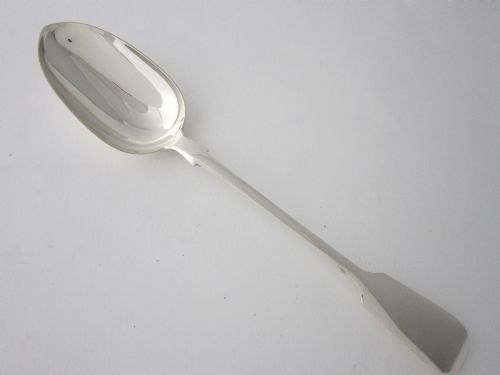
- A traditional nineteenth-century flatware handle shape widening gracefully toward the end. It remains common on Victorian serving spoons and basting spoons.
British Hallmarked Silver Tableware: Frequently Asked Questions
What periods do these pieces date from?
The listings span from the early Victorian era through the Edwardian period and into the mid-twentieth century, including George V and George VI reigns.
Specific dates on individual items range from the mid-nineteenth century up to the 1960s, offering a broad chronological overview of British silversmithing.
How do I identify a British hallmark?
British hallmarks consist of stamped symbols that verify the silver standard, the town where the item was tested, and the active year of assay. Additional marks often identify the maker or silversmith.
These tiny struck symbols provide a reliable paper trail for dating and authenticating each piece of tableware.
What materials accompany the silver?
While sterling silver forms the core of these items, several pieces incorporate contrasting materials for utility or decoration. Blue glass liners appear inside mustard pots and dessert dishes, while agate decorates specific napkin rings.
Gilt finishes and leatherette presentation cases also feature across the collection.
How were these items used originally?
These pieces served functional roles during formal and everyday dining in British households. Napkin rings marked individual places at the table, while mustard pots, sugar casters, and cream jugs aided food service.
Specialised utensils like stilton scoops, toast racks, and knife rests fulfilled specific culinary duties during Victorian and twentieth-century meals.
How should I care for silver tableware?
Regular, gentle cleaning with a specialised silver polish maintains the lustre of sterling silver without removing the metal. Hand washing in warm water prevents damage to glass liners and delicate elements.
Storing pieces in dry conditions helps slow down natural tarnishing processes when the tableware is not in active use.