



Hallmarked Silver Serviette Holder
A hallmarked silver serviette holder keeps dining linens tidy at table, offering solid metal construction and distinct period style.
Hallmarked Silver Serviette Holder
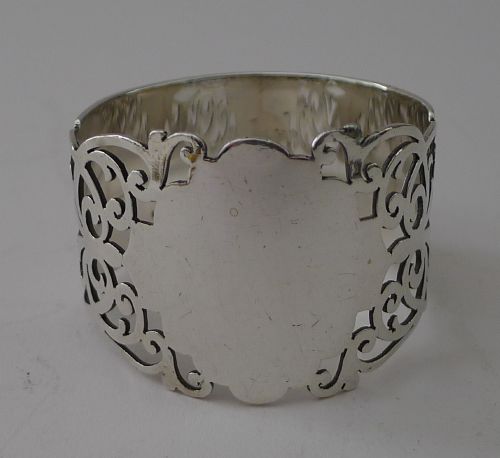
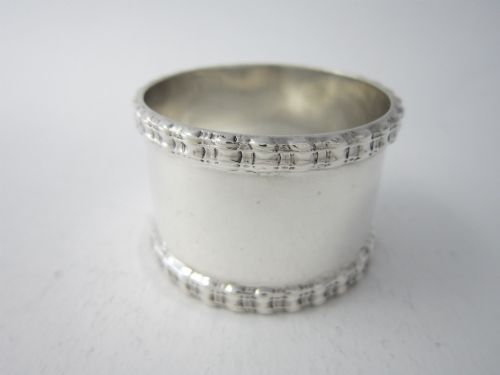
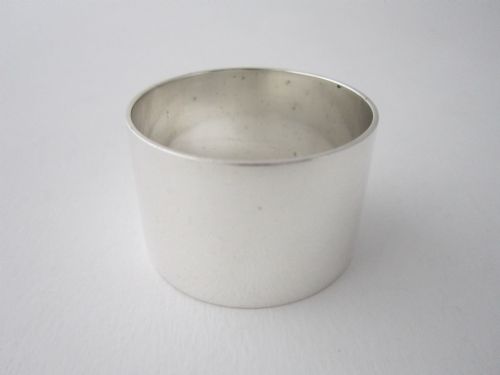
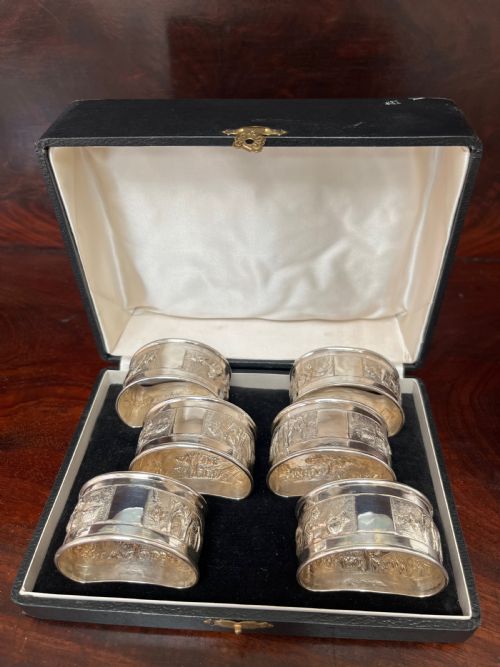
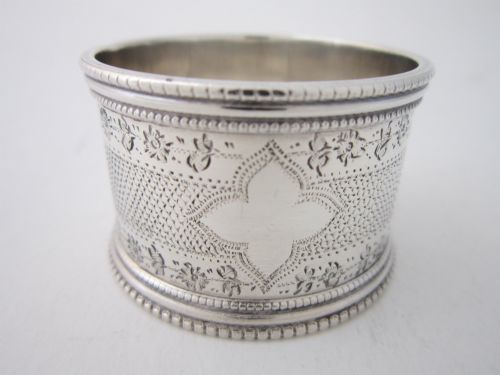
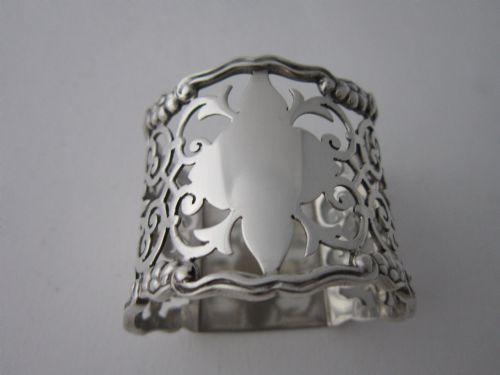
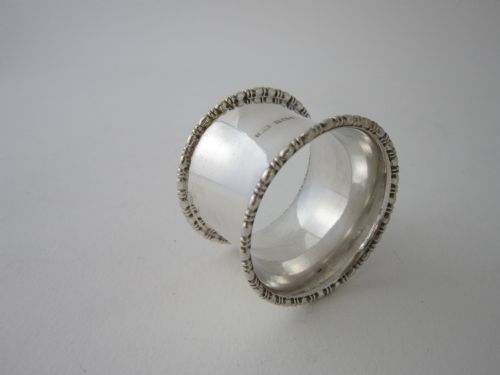
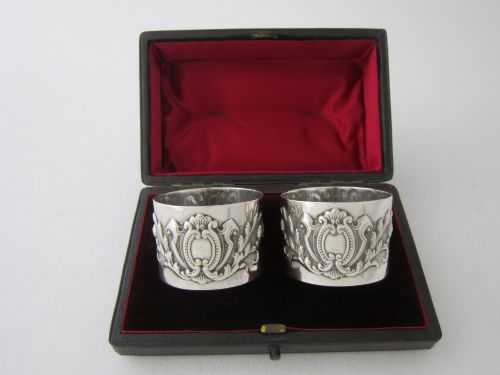
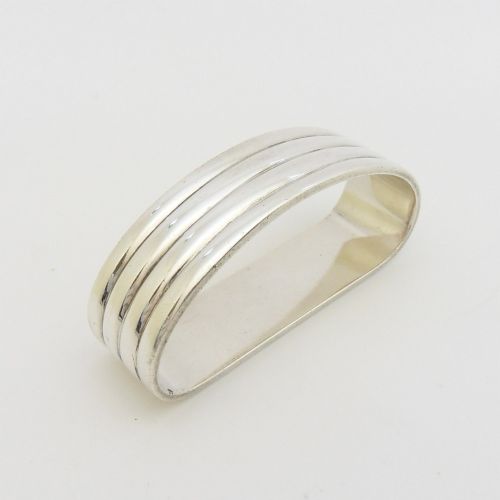
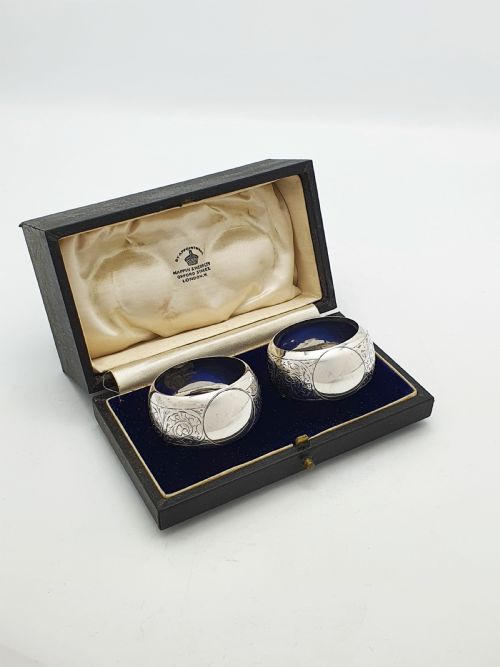
A hallmarked silver serviette holder is a practical table accessory designed to contain individual dining napkins. The selections available here typically take the form of napkin rings, spanning single items and matched pairs as well as complete cased sets of six.
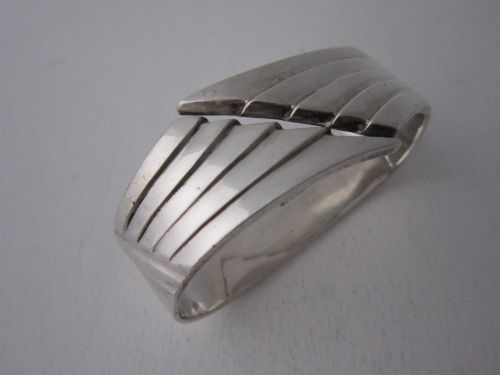
Most examples originate from the Victorian, Edwardian, and George V eras, stretching from the late nineteenth century through to mid-century modern designs. Buyers frequently encounter sterling silver pieces marked with British assay office hallmarks, alongside occasional continental European silver items.
How they were made
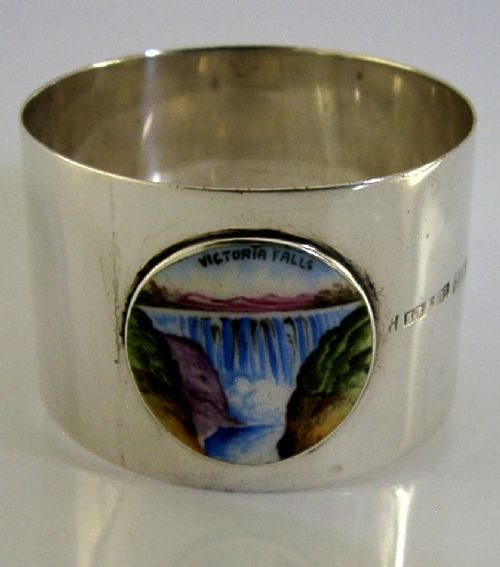
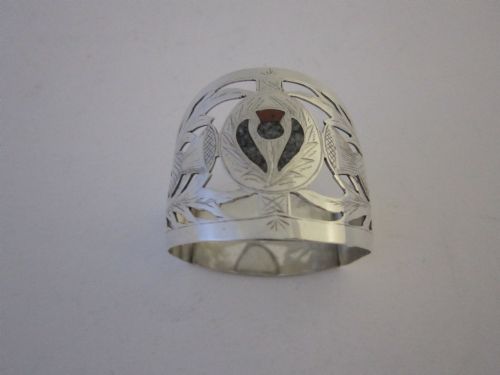
The objects are formed primarily from sterling silver or 800 silver, shaped into circular bands to encircle folded linen. Some pieces incorporate decorative elements such as inset agate or enamel work.
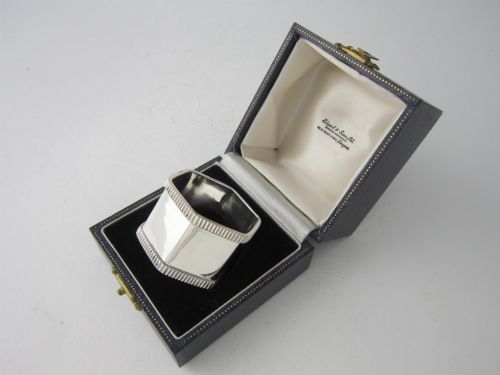
Presentation sets often arrive in fitted boxes lined with silk, velvet, or leatherette, housed within a leather outer case. Individual pieces rely on heavy gauge silver construction, sometimes embellished with aesthetic or neoclassical revival surface designs.
Hallmarked Silver Serviette Holder Retail Price Guide 2026
Typical asking prices for hallmarked silver serviette holder among the pieces listed under this phrase on Sellingantiques today, from the lower quarter to the upper quarter. They describe what is for sale here now, not the wider market.
Some continental pieces feature a charioteer design, proving that even a humble napkin ring fancied a ride.
What varies in quality
The distinction between standard items and superior examples lies in the weight of the metal and the presence of makers' marks. Heavy gauge silver rings offer a more substantial feel in the hand compared to lighter alternatives.
The completeness of sets and the inclusion of original fitted presentation cases add to the character of a piece. Distinctive decorative techniques, such as aesthetic movement engraving or inset stones, elevate individual items above plain utilitarian designs.
R. E. Stone·Georg Jensen·C.T. Burrows & Sons·Henry Wilkinson
The Hallmarked Silver Serviette Holder Glossary
- Hallmark
- An official stamp applied to precious metals indicating purity, origin, and assay office. These marks allow collectors to date the piece precisely.
- Sterling silver
- An alloy of silver containing 92.5 percent pure silver and 7.5 percent other metals, usually copper. This standard composition is typical for British tablewares.
- Cased set
- A matched group of items housed in a dedicated fitted box. These presentation boxes often feature velvet or silk interiors.
- Aesthetic design
- A nineteenth-century artistic style prioritising visual beauty over strict narrative function. Pieces in this style often display stylised natural motifs.
Hallmarked Silver Serviette Holder: Frequently Asked Questions
How do I clean tarnished silver napkin rings safely?
Use a soft microfibre cloth and a mild silver polish specifically formulated for precious metals. Avoid harsh abrasives that might wear away crisp hallmark stamps or surface engraving.
Store the items in dry conditions, and if they come in a fitted case, keep them inside the velvet or silk lining to slow future tarnishing.
Were these always sold in matched sets?
While many single examples and pairs appear on the market, makers also produced larger matched sets housed in fitted presentation boxes. These sets of six often originate from the Victorian and Edwardian periods.
Individual rings were frequently purchased over time or given as christening gifts, resulting in varied single pieces alongside unified cased collections.
What is the difference between sterling and 800 silver?
Sterling silver contains 92.5 percent pure silver, which is the traditional British standard seen on most domestic pieces. Continental European items sometimes utilise an 800 silver standard, containing 80 percent pure silver.
Both standards carry official stamps, though continental pieces may feature different marks from British assay offices like Birmingham, Chester, Sheffield, or London.
How can I tell a Victorian ring from a George V piece?
Assay office hallmarks usually include a date letter code that identifies the exact year of manufacture. Victorian pieces carry stamps corresponding to the reign of Queen Victoria, ending in 1901.
George V examples bear hallmarks dating from 1910 to 1936, often displaying distinct styles ranging from plain heavy bands to neoclassical revival motifs.