
British Equestrian Art Painting
When you search for british equestrian art painting, you are looking at centuries of horses and riders captured on canvas and paper.
British Equestrian Art Painting
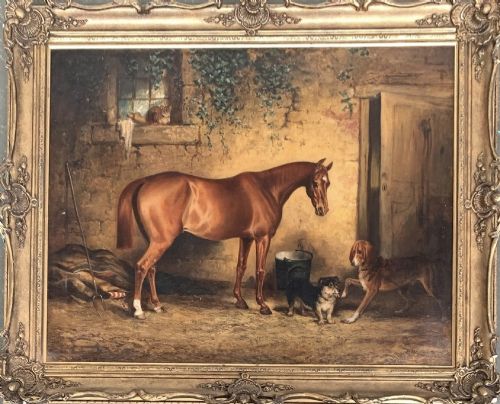
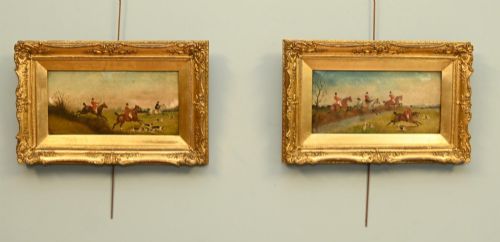
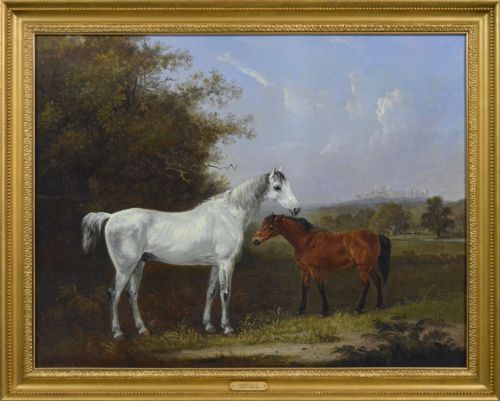
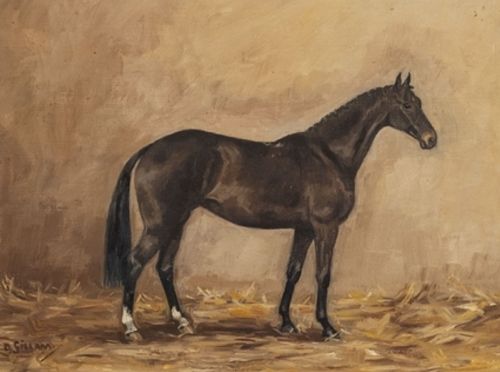
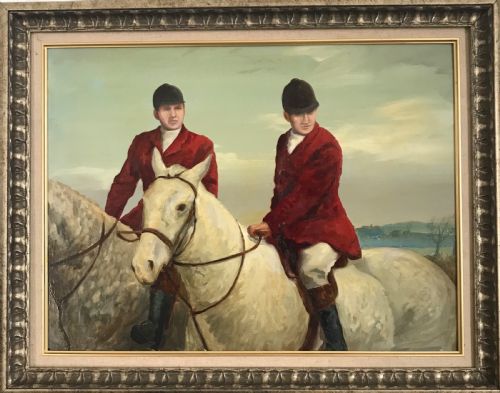
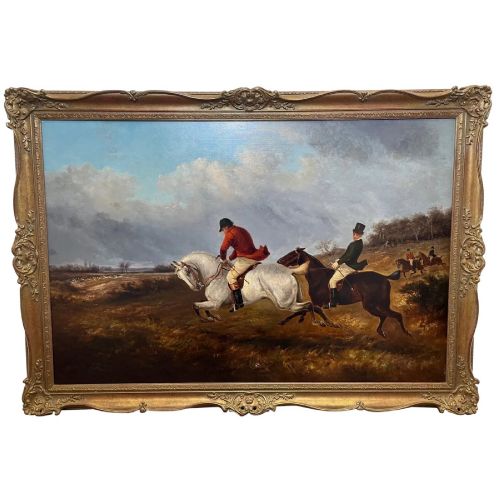
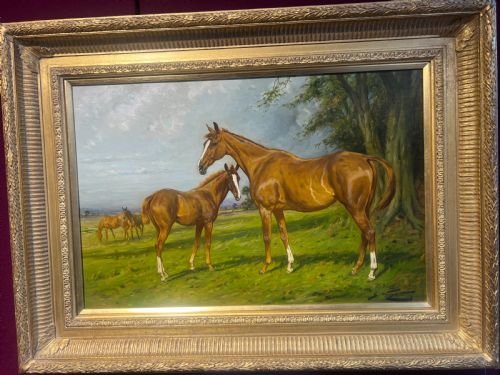
A british equestrian art painting captures the deep bond between horses, riders, and the landscape across centuries of tradition. These works range from intimate studies of a single mare and foal to grand depictions of the hunt in full cry.
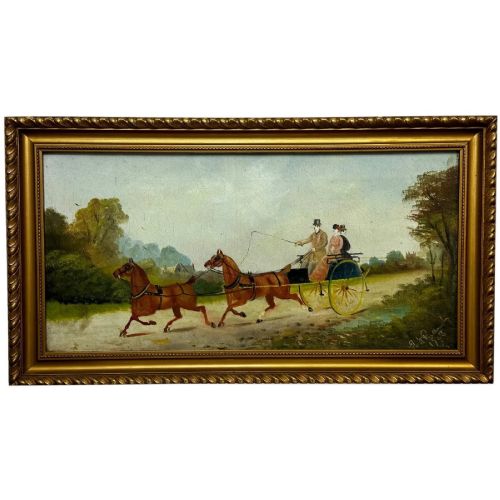
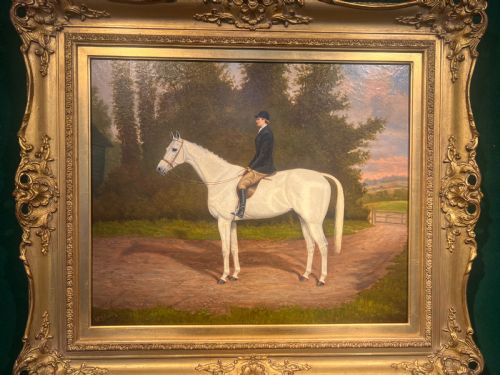
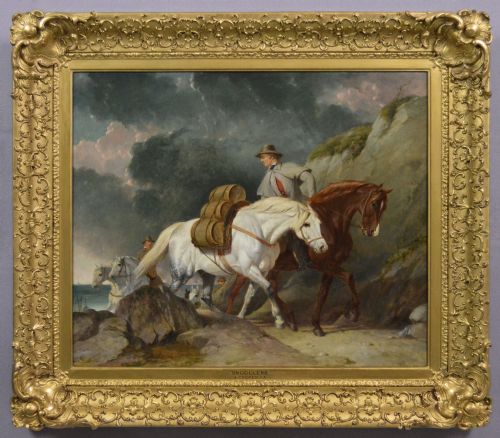
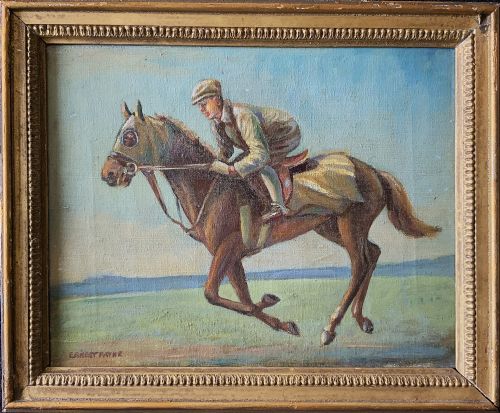
The versions most commonly met on this page span the Victorian and Edwardian eras, reflecting a society deeply connected to the horse. Alongside these traditional hunting and coaching scenes appear mid-century interpretations of ponies and racing.
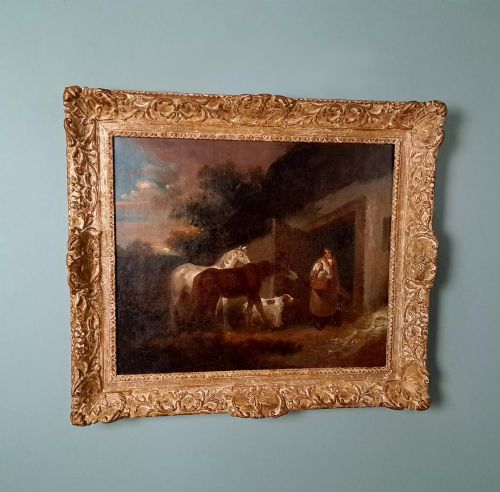
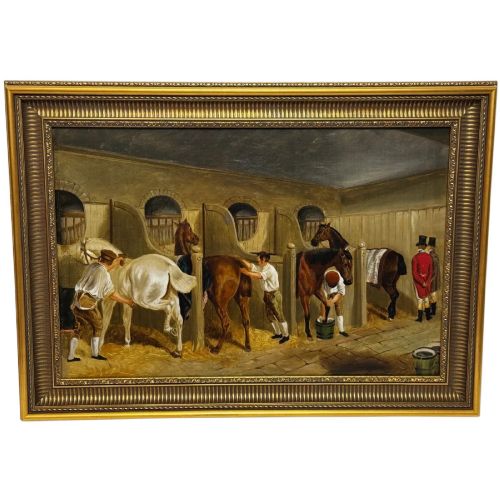
Makers recorded in the evidence range from named Victorian specialists to later artists working in oil and watercolour. The subjects extend from rural stables and horse fairs to dramatic racecourse finishes.
Materials and methods
Painters relied primarily on oil paint applied to stretched canvas or panel, building up rich layers of colour to render the sheen of a horse coat. Watercolour on paper served artists who sought immediate detail in coaching scenes and rural studies.
Frames of gilt wood frequently complete these works, providing the traditional border associated with sporting art from the nineteenth century onward.
The listings span from the Georgian period through Victorian and Edwardian eras into mid-century modern interpretations.
Measures of quality
Quality rests upon the artist ability to render the precise anatomy and movement of the horse rather than a stiff generic form. Superior examples show a masterly handling of light across muscle and landscape, giving life to the scene.
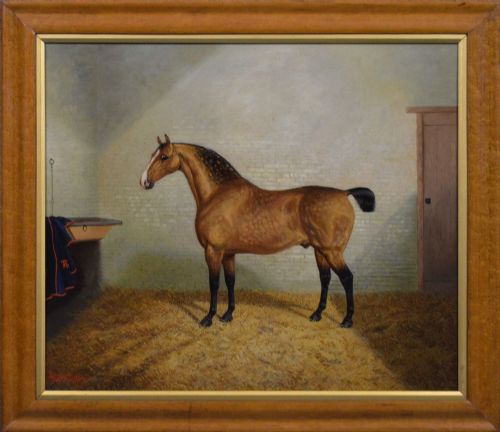
The handling of the background, whether a quiet stable interior or a bustling hunt, separates accomplished hands from standard studio production. A strong composition keeps the eye focused on the dynamic interaction between animal and rider.
Henry Barraud·Philip H Rideout·Edmund Bristow·Thomas Smythe·Albert Clark·Sir Edwin Henry Landseer·George Wright·William Albert Clarke·Abraham Cooper·Ernest Payne·Edward Priestley·Vernon DeBeauvoir Ward·John Ferneley Senior·John Rattenbury Skeaping·Charles Walter Simpson·Harry Freckleton·John Arthur Lomax·Hazel M Barnett·John Sanderson Wells·Philip Henry Rideout·John Augustus Atkinson·Samuel Spode·Thomas Mackay·Sir John Gilbert·Alfred Grenfell Haigh
The British Equestrian Art Painting Glossary
- Oil on Canvas
- Pigment mixed with drying oil applied to a woven fabric support. This combination allowed artists to achieve deep tones and subtle blending.
- Watercolour
- Paint consisting of colour suspended in a water-soluble binder, typically applied to paper. It offers a translucent quality suited to rapid studies.
- Giltwood
- Wood carved and coated with a thin layer of gold leaf. It forms the traditional ornate framing for nineteenth-century oils.
- Victorian Sporting Art
- Works produced during the nineteenth century focusing on field sports, horses, and hounds. This genre documented the pursuits of the landed gentry.
British Equestrian Art Painting: Frequently Asked Questions
What subjects appear in these paintings?
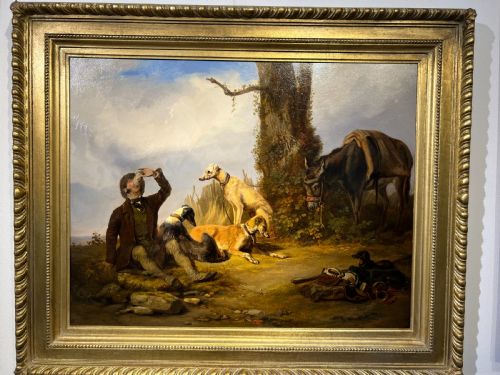
These works typically depict horses in various settings, including hunting scenes, coaching trips, and quiet stable portraits. Artists also recorded rural horse fairs and racing moments.
Such subjects reflect the central role horses played in transport, sport, and daily life during the nineteenth and early twentieth centuries.
How do I date a horse painting?
Dating relies on the style of the clothing worn by riders, the shape of carriages, and the signature of the artist where available. Victorian and Edwardian works often carry distinct framing and palette choices.
Examining the canvas preparation and stretcher construction on the reverse provides further clues to the period of creation.
Where should I hang a sporting painting?
These works suit traditional reception rooms, studies, or hallways where traditional wooden furniture complements the gilt frames. Placing them away from direct sunlight protects the oil and watercolour pigments.
Lighting the canvas with a dedicated picture light brings out the fine details in the horse coats and landscapes.
Are watercolours as durable as oils?
Watercolours require framing behind glass with acid-free mounts to protect the paper from humidity and fading over time. Oil paintings on canvas are more robust but still benefit from stable indoor environments.
Both mediums have survived for over a century when given proper care by collectors.