


British Edwardian Oil Art
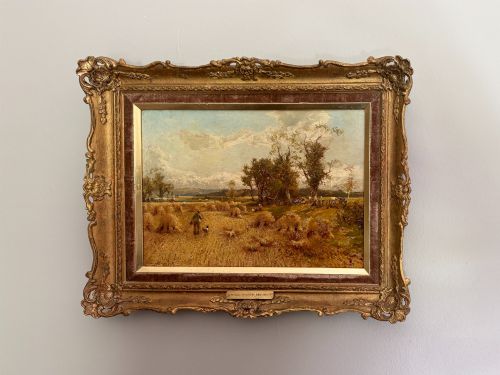
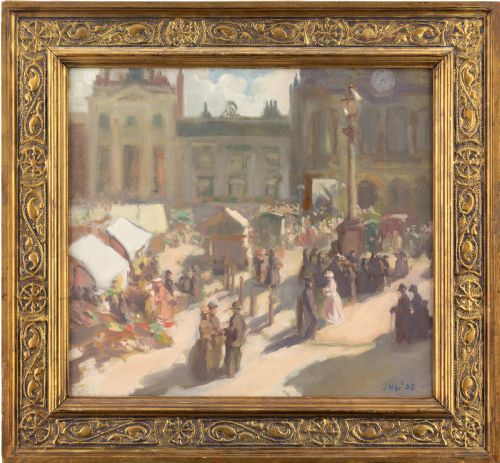
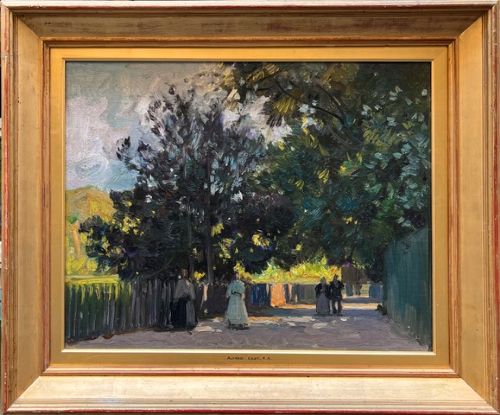
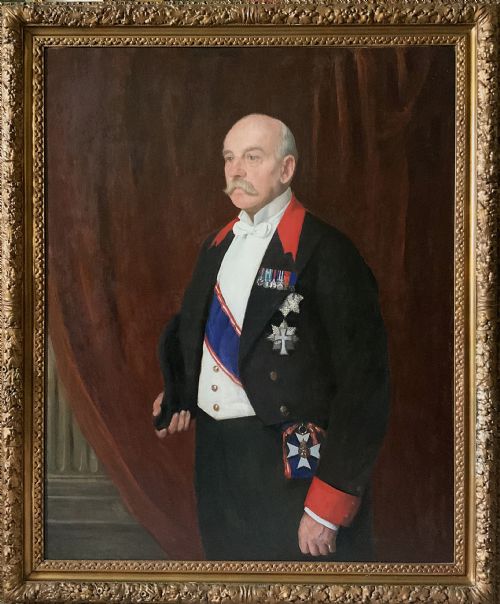
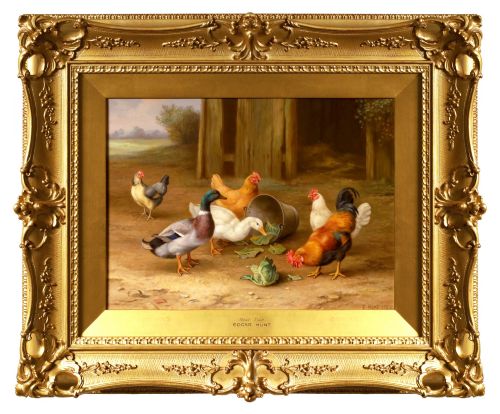
British Edwardian oil art encompasses painted canvases and panels capturing landscapes, portraits, and domestic scenes from the turn of the twentieth century.
British Edwardian Oil Art
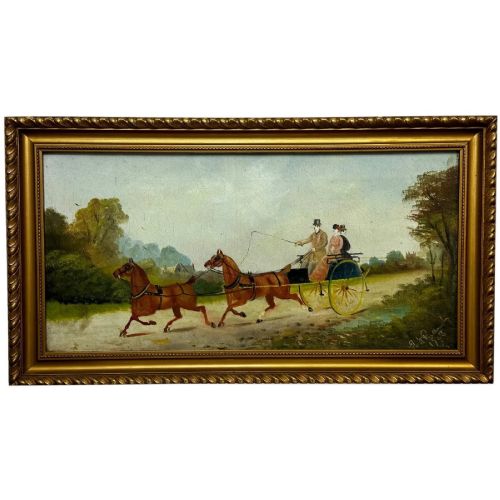
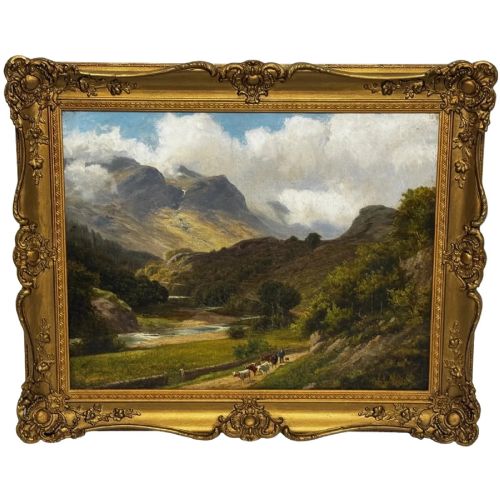
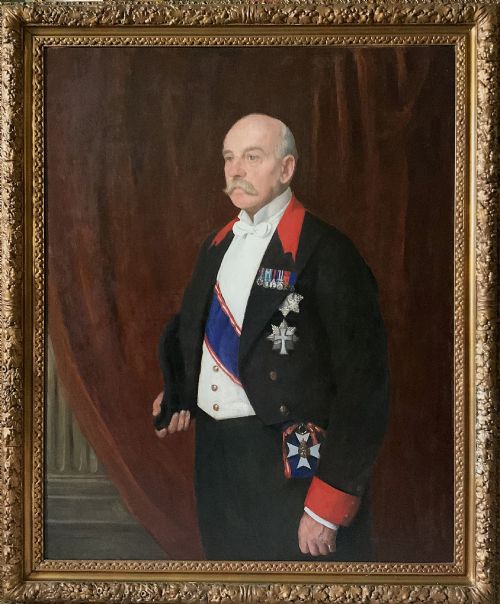
British Edwardian oil art covers paintings executed in oil paint upon canvas and wood panels, reflecting domestic, rural, and social subjects of the period. Buyers seeking british edwardian oil art encounter framed landscapes, animal portraits, and figurative works originating from around nineteen hundred to the nineteen twenties.
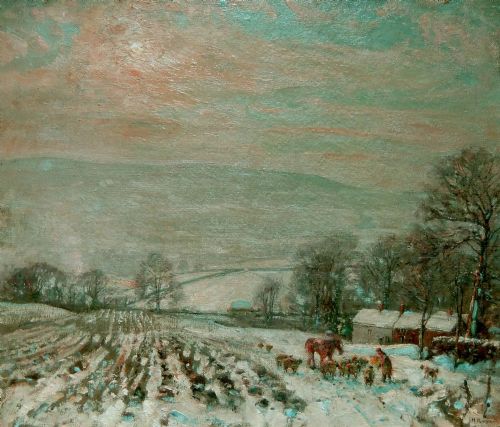
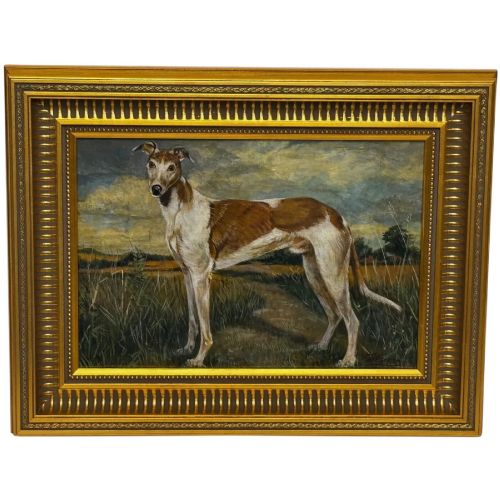
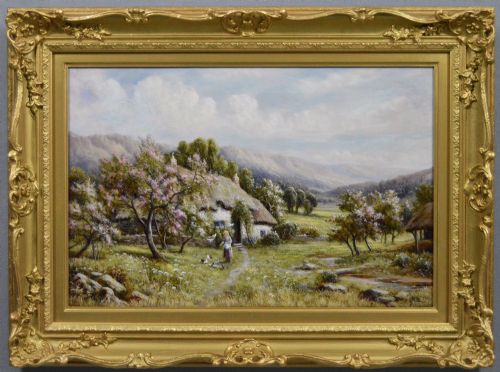
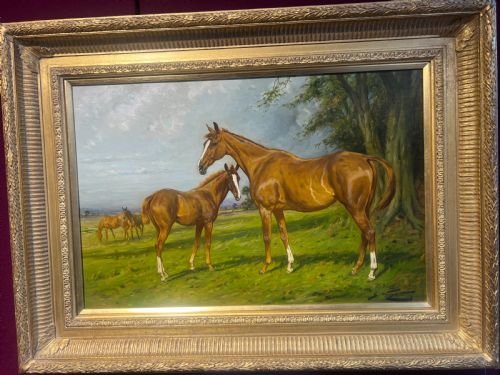
The selections span British impressionism, pastoral scenes, and social realism, alongside works from regional schools like Newlyn. Portraits of individuals, military figures, and sporting animals appear frequently alongside river paths and cottage gardens.
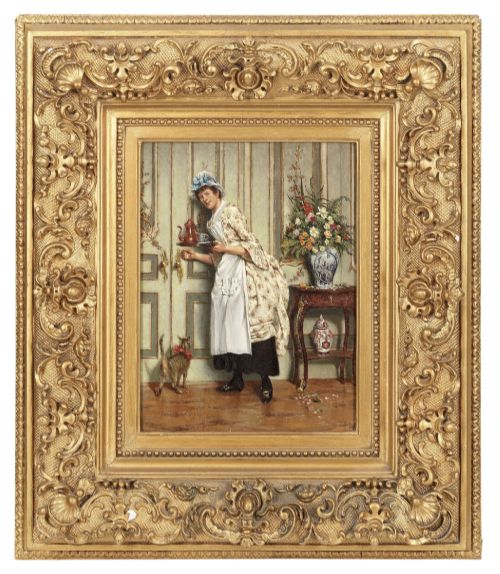
Many items bear signatures from established painters of the era, while others emerge from the British school without attribution. Wood panels and heavy gilt frames frequently accompany these oils.
How they were made
Makers applied oil paint using brushes upon prepared canvas or wood panels, building texture and depth with successive layers of pigment. Giltwood and gesso frames completed the presentation, protecting the edges of the canvas or board.
Supports ranged from stretched canvas to wooden panels, sometimes housed in original moulded frames finished with gold leaf. Artists utilised varied brushwork, from smooth academic portraits to thick impasto in landscape and impressionist studies.
The listings encompass oil paintings on canvas and wood panel created across the Victorian, Edwardian, and early twentieth-century periods.
What varies in quality
The skill of the brushwork and the clarity of the composition separate standard regional works from major canvases by recognised painters. Handling of light, atmospheric perspective, and anatomical precision in animals or figures dictate the caliber of each piece.
Condition of the oil paint surface, stability of the canvas or wood panel, and originality of the matching gilt frame influence the overall integrity of the artwork.
Felix Stone Moscheles·William H Myers·John Maler Collier·Herbert Royle·Stephen Samuel Lewin·Robert John Hammond·John Hodgson Lobley·Sir Alfred East·Edgar Hunt·George Wright·William Albert Clarke·Harold Knight·Maud Raphael Jones·Florence Small·Thomas Hodgson Liddell·Delapoer Downing·Philip Rideout·William Thomas Wood·Henry H Parker·Arthur Percy Dixon·Byam Shaw·Sydney Yates Johnson·John Emms·Owen Bowen·Charles Napier Hemy
The British Edwardian Oil Art Glossary
- Canvas
- A heavy woven fabric stretched across a wooden frame to serve as a support for oil painting. It provides a flexible yet durable surface for the application of pigment.
- Gesso
- A plaster-like mixture applied to wood panels or frame mouldings to prepare a smooth surface for gilding and painting. It creates a solid base that prevents the oil paint from soaking into the raw wood.
- Impasto
- A technique where oil paint is laid thickly on a surface, standing out from the canvas so that brush or palette knife marks remain visible. This adds tactile dimension and captures light dynamically.
- Giltwood
- Wood carved and coated with a thin layer of gold leaf or gold paint, commonly utilised for nineteenth and twentieth-century picture frames. It enhances the visual depth of the enclosed painting.
- Panel
- A flat piece of wood used as a rigid alternative to canvas for supporting oil paintings. These boards were frequently utilised for smaller landscape and interior studies.
British Edwardian Oil Art: Frequently Asked Questions
What subjects appear in these paintings?
The artworks depict rural English landscapes, river paths, cottage scenes, and coastal views alongside domestic interiors. Portraits of individuals, military officers, and sporting animals also feature prominently across the selection.
Many pieces capture specific regional settings, ranging from Yorkshire evening light to Cornish marine views and Devonshire streams.
How should I hang an oil painting?
Oil paintings require sturdy picture wire attached securely to the wooden stretcher or frame, hung from appropriate wall fixings. Placement should avoid direct sunlight and fluctuating heat sources to protect the canvas and paint layer.
Maintaining stable environmental conditions helps prevent warping in wooden panels and cracking in aged oil pigment.
Are these works signed by the artists?
Many pieces carry visible signatures, monograms, or dates applied by the painter, while others remain attributed through stylistic evidence or archival records. Some examples originate from the broader British school without an identifiable artist.
Inscribed details on the reverse of canvases or frames sometimes provide additional context regarding the location or title of the work.
What frame types accompany these oils?
Original or period frames typically consist of gessoed and giltwood mouldings, featuring decorative corners and stepped profiles. These housings complement the aesthetic of the Edwardian era and protect the edges of the canvas or wood panel. Nursery panels and coaching scenes occasionally utilise simpler painted wood surrounds suited to their specific genre.