

British Countryside Artwork
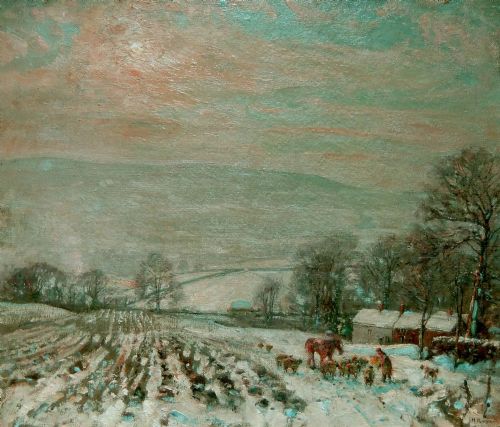
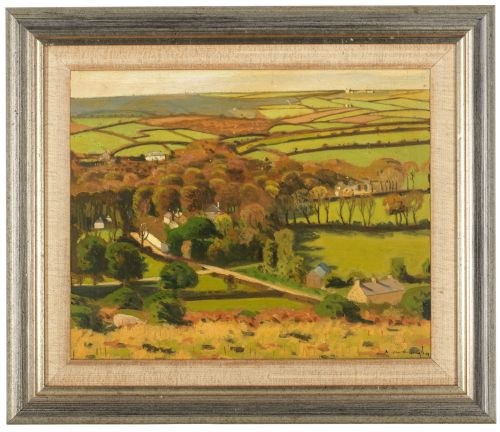
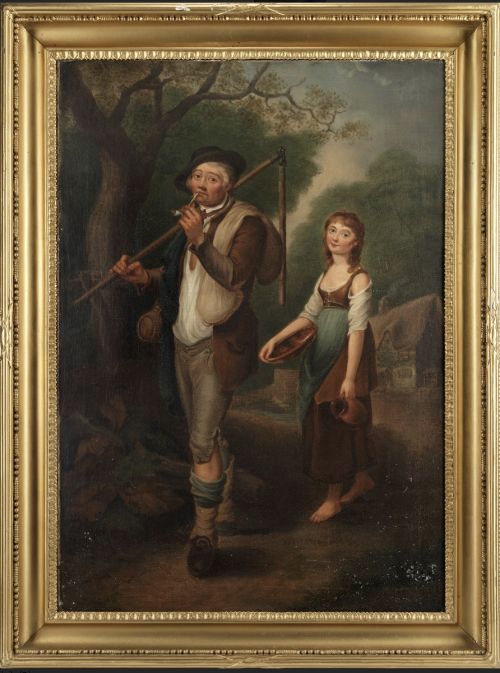
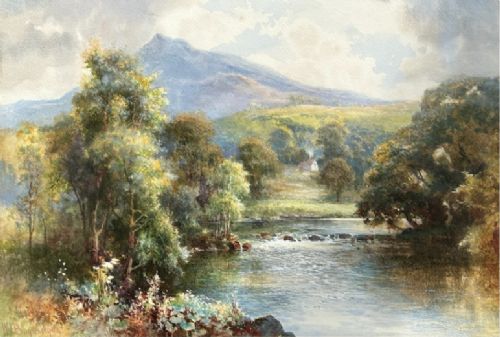
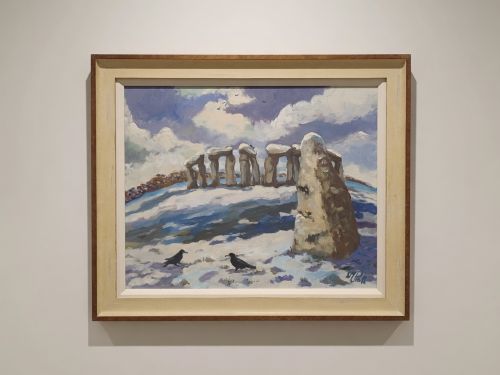
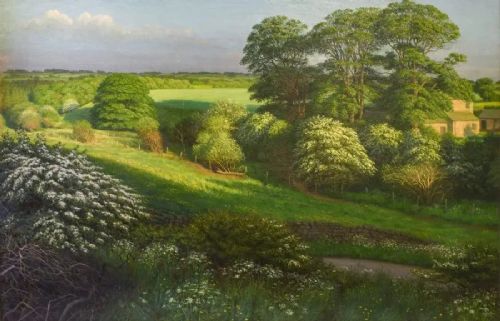
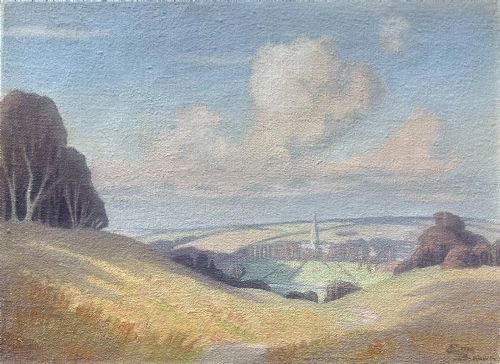
British countryside artwork captures rural life and pastoral scenes through traditional painting and watercolour mediums.
British Countryside Artwork
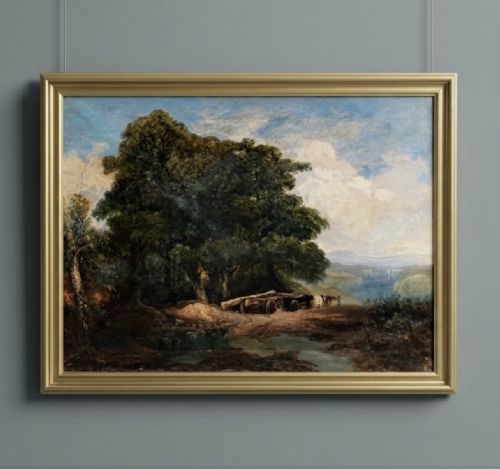
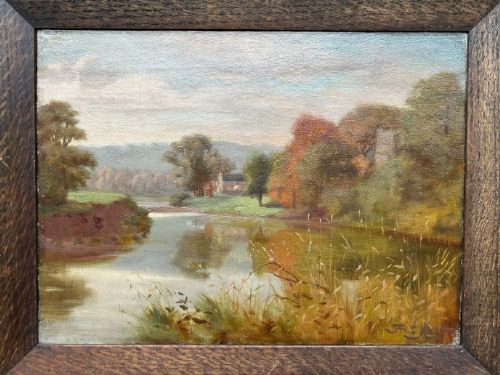
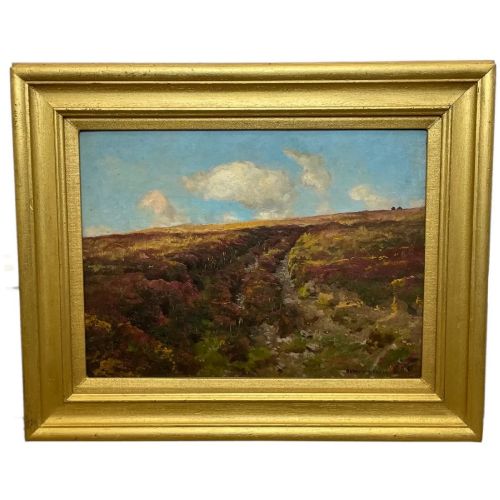
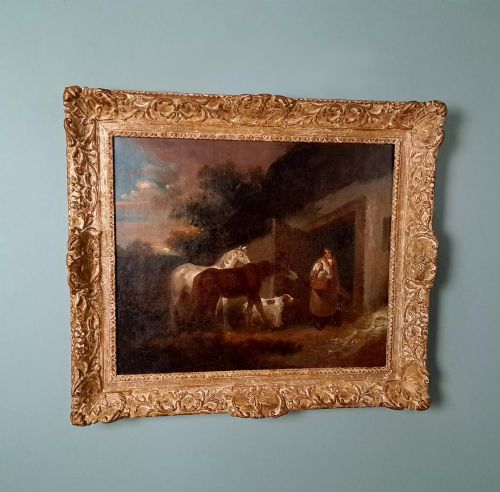
Collectors seeking british countryside artwork encounter a rich selection of paintings and watercolours spanning the nineteenth and twentieth centuries. These pieces record rural scenes, agricultural labour, and pastoral views across England, Wales, and Scotland.
The inventory on this page ranges from Victorian naturalism to modern British interpretations of valleys, rivers, and coastal margins. Works appear on canvas, wood panel, and paper, reflecting the shifting regional styles of British landscape painters.
Materials and technique
Artists relied primarily on oil paint applied to canvas or wood panel, as well as watercolour on paper. Oil pigments allowed for layered brushwork and impasto texture, whilst watercolours captured translucent light in open-air studies.
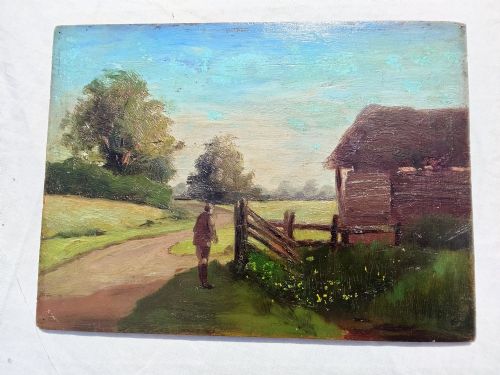
Framed watercolours and oil paintings demonstrate traditional British techniques of the period, utilising pigments bound in oil or water applied by brush to prepare surfaces.
Listings feature works executed in oil, watercolour, and lithography across canvas, wood panel, paper, and glass supports.
Assessing quality
Quality rests upon the artist's handling of light, atmospheric depth, and topographical accuracy within the composition. Stronger works convey a distinct sense of place and seasonal mood through confident brushwork.
The dexterity of the draughtsmanship and the preservation of the pigment distinguish accomplished academic or studio pieces from standard decorative topographical watercolours.
Richard Sebastian Bond·William H Myers·Frederick Marriott·Arthur Wardle·William Joseph Shayer·Herbert Royle·Robert Morson Hughes·Thomas Barker of Bath·William Joseph Boyes·David Bates·Muriel Metcalfe·Lucy Pratt·Raymond Booth·Eric Brown·Richard Redgrave·Ernest Higgins Rigg·George Oyston·John Bond·Russell Sidney Reeves·Vernon DeBeauvoir Ward·Florence Adelina Hess·Frederick Hines·John Horace Hooper·Hubert Wellington·Alfred George Morgan
The British Countryside Artwork Glossary
- Oil on canvas
- A painting technique where pigment suspended in drying oil is applied to stretched woven fabric. This method permits rich colour saturation and textured brushwork.
- Watercolour
- A painting method where water-soluble pigments are applied to paper. It relies on the white of the paper to show through translucent washes of colour.
- Impasto
- Paint applied in thick strokes that stand out from the surface. This technique allows the physical marks of the brush or palette knife to remain visible.
- Pastoral
- A genre of art depicting rural life and idealized agricultural landscapes. These scenes typically feature fields, livestock, and country cottages.
- Panel painting
- A flat piece of wood used as a support for a painting instead of canvas. Artists applied grounds directly to the wooden board before painting.
British Countryside Artwork: Frequently Asked Questions
What periods do these landscapes cover?
The works span from the nineteenth century through the Edwardian era and into the mid-twentieth century. Creators worked across various established British artistic movements.
Examples include Victorian pastoral scenes, early twentieth-century impressions, and mid-century modern British interpretations of topography.
How should I frame and display an antique watercolour?
Watercolours require conservation framing behind glass to protect the paper from ultraviolet light and humidity. Acid-free mounts prevent chemical damage to the pigment.
Keep framed works away from direct sunlight and damp walls to preserve the integrity of the paper and watercolour pigments.
What subjects feature in these rural paintings?
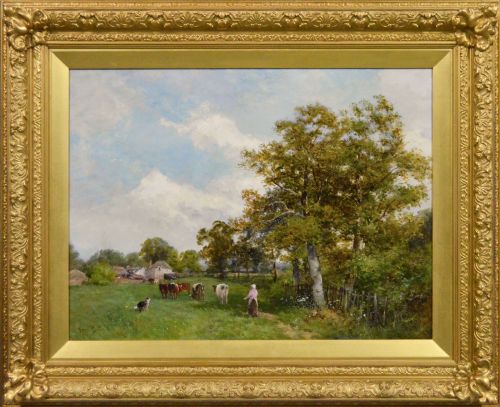
Artists recorded cattle in woodland, river valleys, haystacks, coastal cliffs, and agricultural harvesting. Figures such as farm workers or gypsies occasionally animate the scenery.
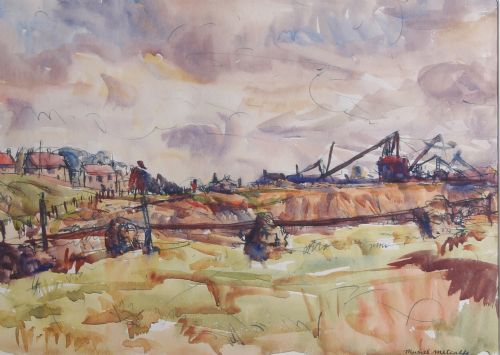
Topographical subjects range from Welsh river landscapes to West Country moorlands and northern industrial fringes.
How do oil paintings and watercolours differ in appearance?
Oil paintings on canvas or wood panel offer heavier pigment layers and visible brush textures, often capturing deep shadows and rich evening light. Watercolours on paper present a lighter, luminous quality with fluid washes.
Both mediums were utilised by British artists to record the shifting atmospheric conditions of the countryside.