





British Coastal Landscape Painting
British coastal landscape painting captures the shores and harbours of these islands through works in oil and watercolour.
British Coastal Landscape Painting
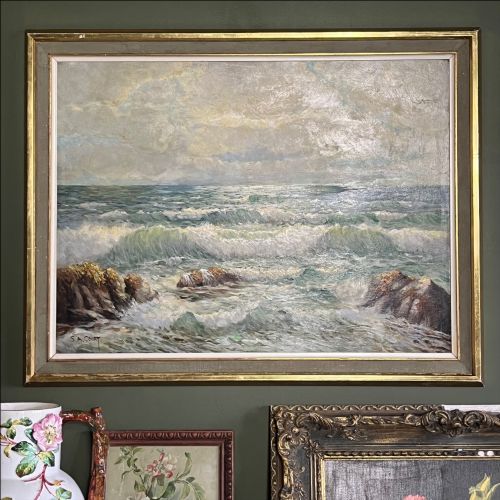
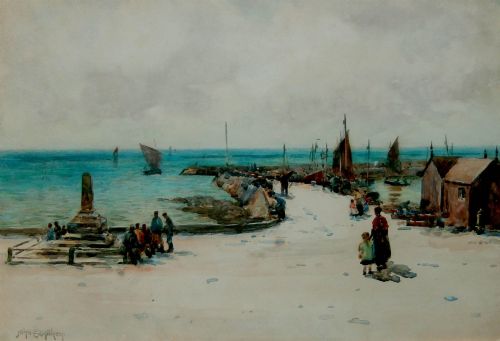
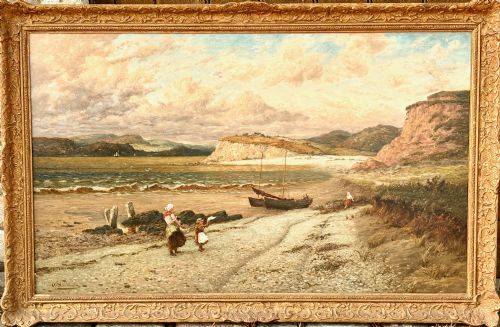
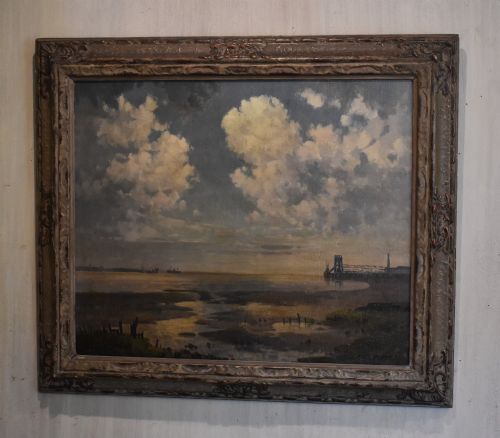
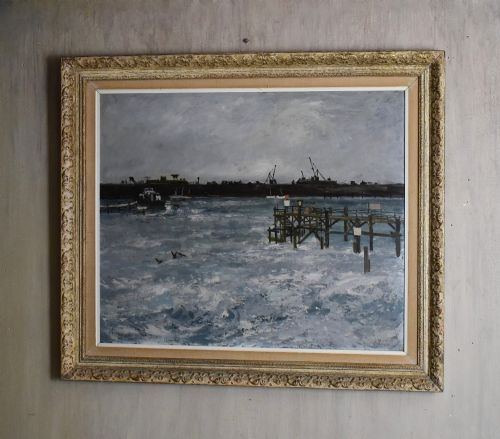
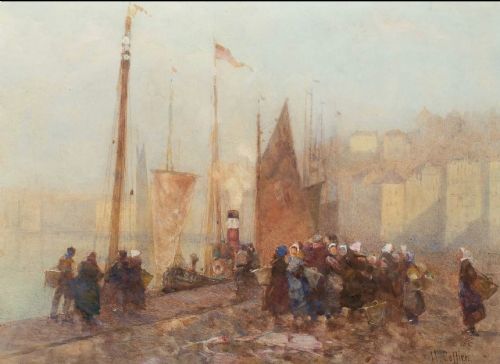
A British coastal landscape painting records the harbours, fishing boats, and shorelines of the British Isles, created across periods ranging from the nineteenth century through to the mid-twentieth century.
Buyers will encounter works executed on canvas, board, and paper, reflecting a tradition that encompasses Victorian marine art, British Impressionism, and Mid-Century Modernism.
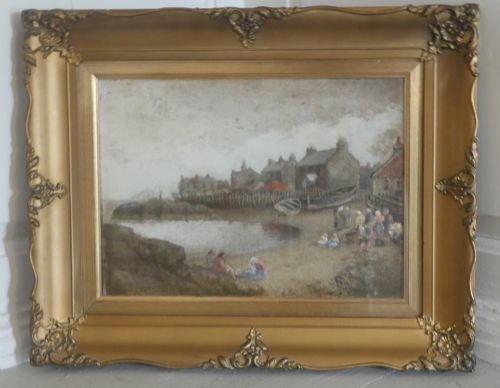
The subjects span recognisable locations such as St Ives, Whitby, and Scarborough, alongside quieter coastal paths and open seascapes.
Materials and Technique
Artists worked primarily in oil paint or watercolour pigment, applying their medium onto stretched canvas, prepared wooden board, or thick paper.
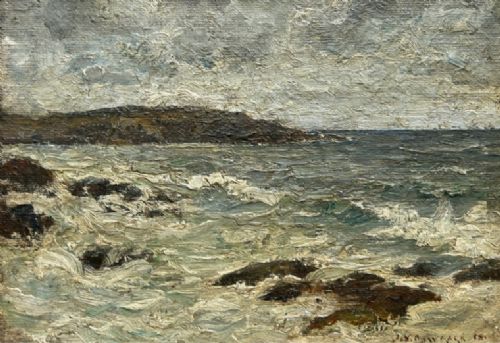
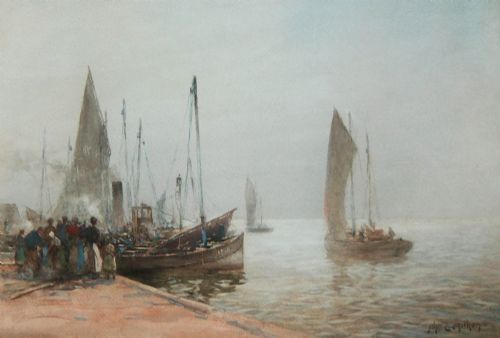
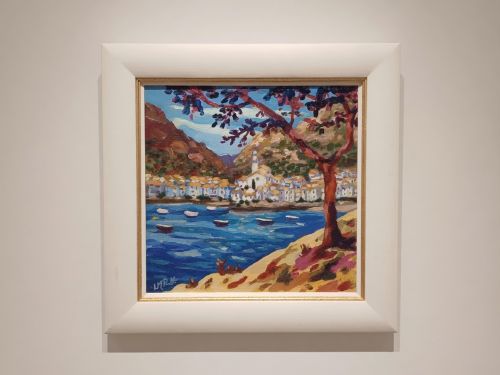
Many nineteenth-century watercolours relied on transparent washes and fine line work, while later twentieth-century pieces often utilised heavier impasto oil paint applied en plein air directly on the coast.
Listings feature works spanning the nineteenth century, Edwardian era, and mid-twentieth century, executed in oil and watercolour on canvas, board, and paper.
Assessing Quality
Quality rests in the confidence of the brushwork and the artist's ability to render light, atmosphere, and movement on the water without overworking the surface.
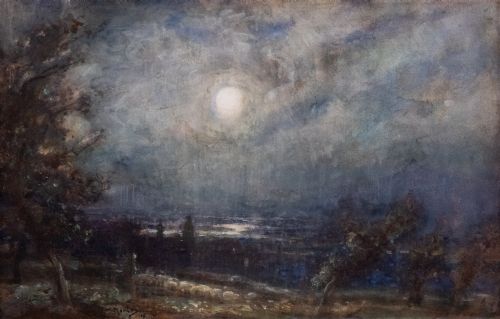
Works that capture specific atmospheric conditions, such as moonlight or evening departures, often display greater tonal control than routine topographical records.
James Orrock·Clifford Hanney·James E. Aitken·John E. Aitken·Thomas William Morley·Hector Caffieri·Bernard Benedict Hemy·Thomas Creswick·John Wilson Carmichael·Abraham Cooper·William Henry Williamson·Henry Barlow Carter·William Collingwood Smith·William Burns
The British Coastal Landscape Painting Glossary
- Watercolour pigment
- A colourant suspended in a water-soluble binder, traditionally applied to paper to achieve translucent washes.
- Impasto
- Paint applied thickly to a canvas or board so that the marks of the brush or palette knife remain clearly visible.
- En plein air
- The practice of painting outdoors directly from the subject to capture transient effects of light and weather.
- Seascape
- A work of art depicting the sea, coastal views, shipping, or marine activity.
British Coastal Landscape Painting: Frequently Asked Questions
How do I date a coastal painting?
Dating relies on the materials used, the framing, and the recorded active periods of the artist named on the piece.
Victorian and Edwardian works often feature specific framing styles and paper types that help narrow down their exact decade.
Are watercolours as durable as oils?
Watercolours require protection behind glass and away from direct sunlight to prevent fading of the pigments over time.
Oil paintings on canvas or board are generally more resilient to environmental conditions but still benefit from stable indoor humidity.
What is the difference between marine art and coastal landscapes?
Marine art typically places greater emphasis on ships, naval engagements, and deep-water sailing vessels.
Coastal landscapes focus more broadly on the shoreline, cliffs, harbours, and the land meeting the sea.
How should I hang and light these paintings?
These works should be placed on interior walls away from direct sunlight and sources of excessive heat.
Using low-heat LED picture lights helps illuminate the fine brushwork and tonal gradations without damaging the paint surface.