





Brienz Wood Carving
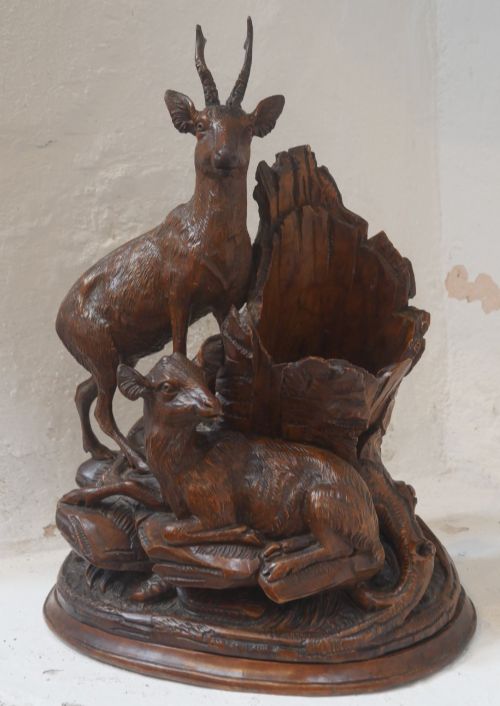
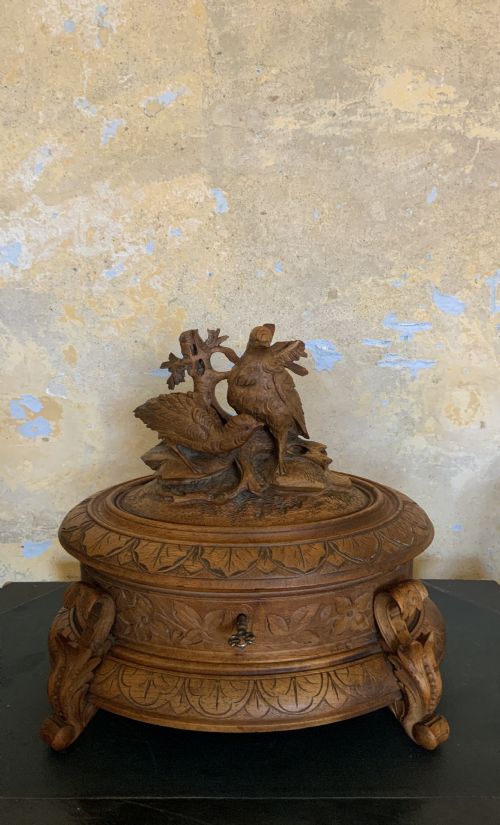
These brienz wood carving pieces bring alpine wildlife and folklore into rooms through spirited detail.
Brienz Wood Carving
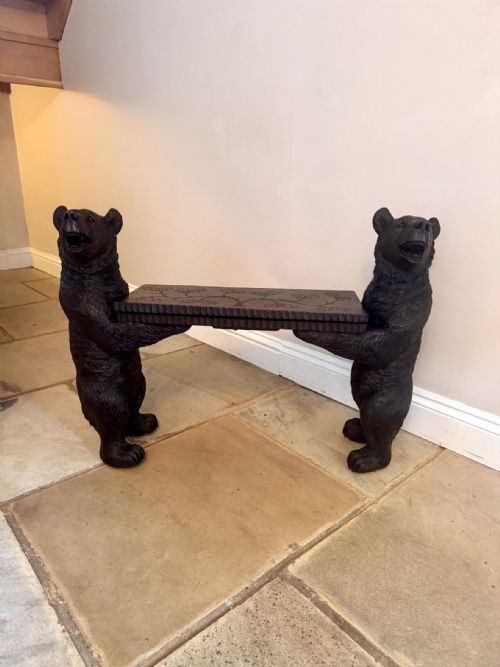
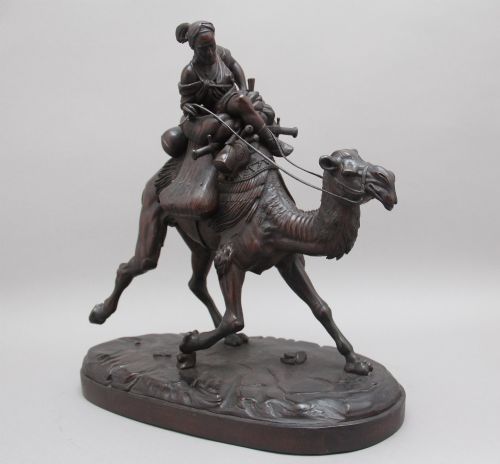
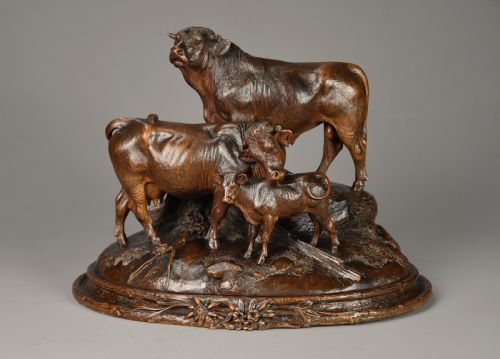
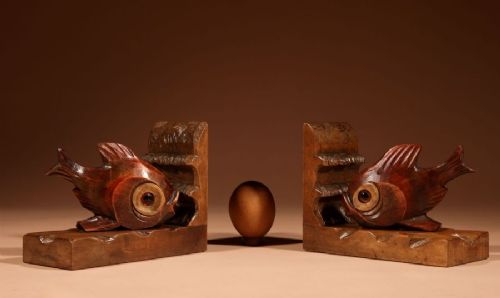
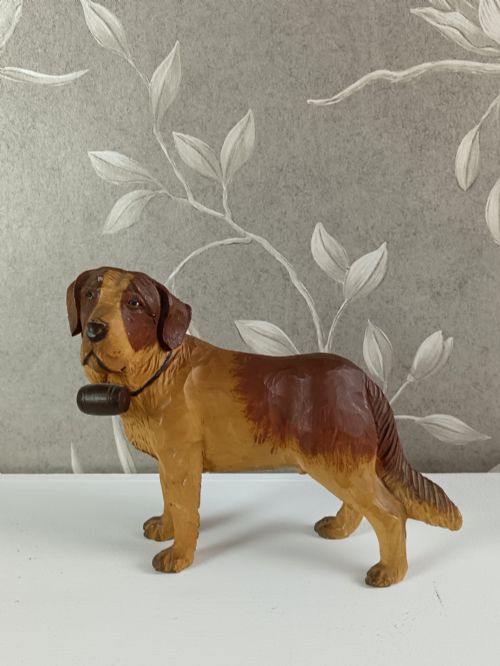
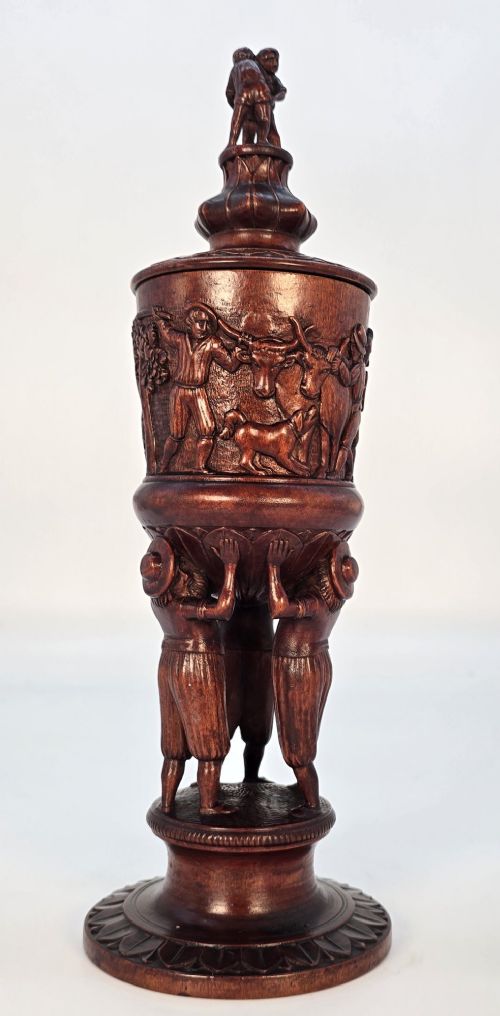
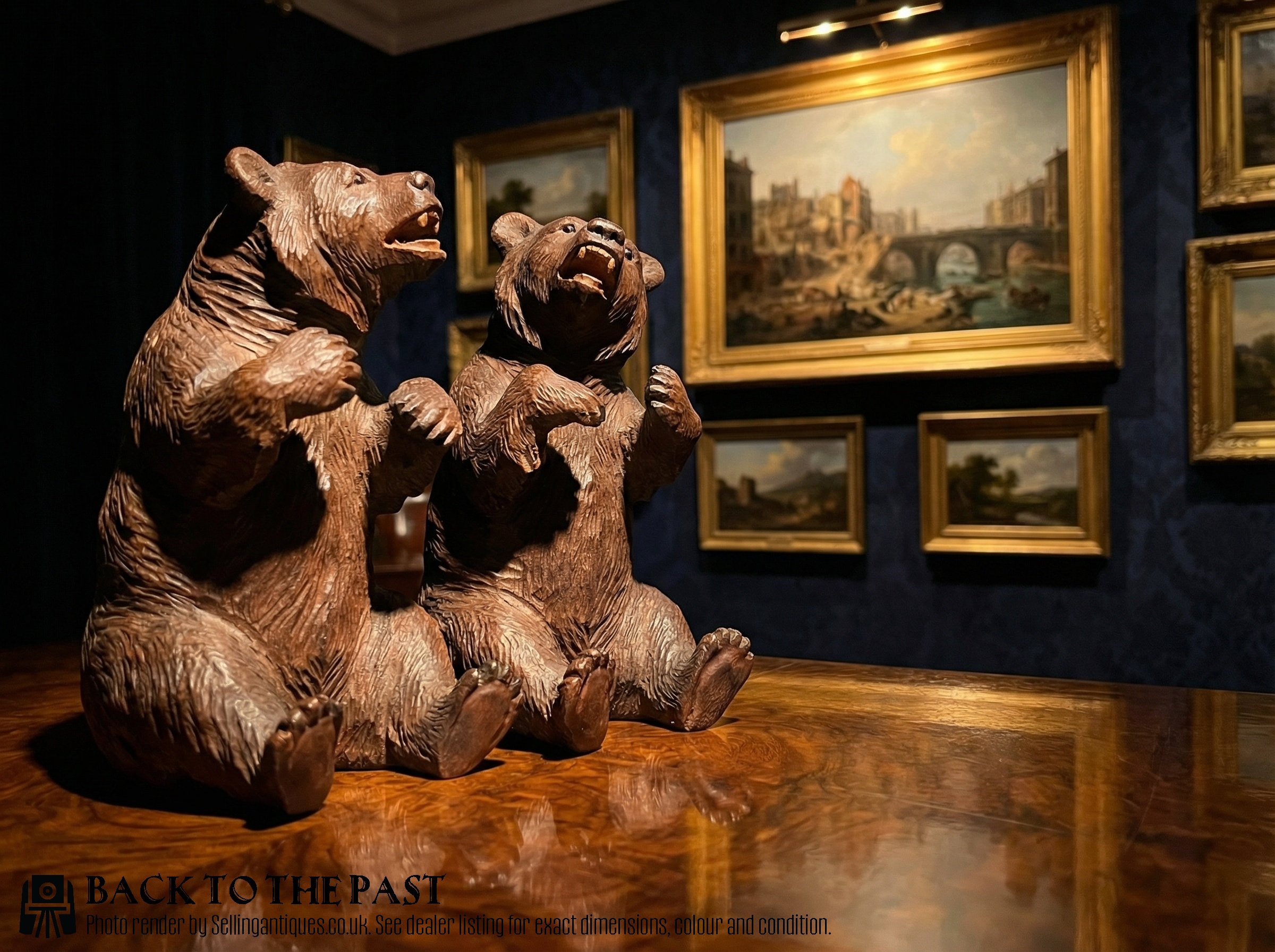
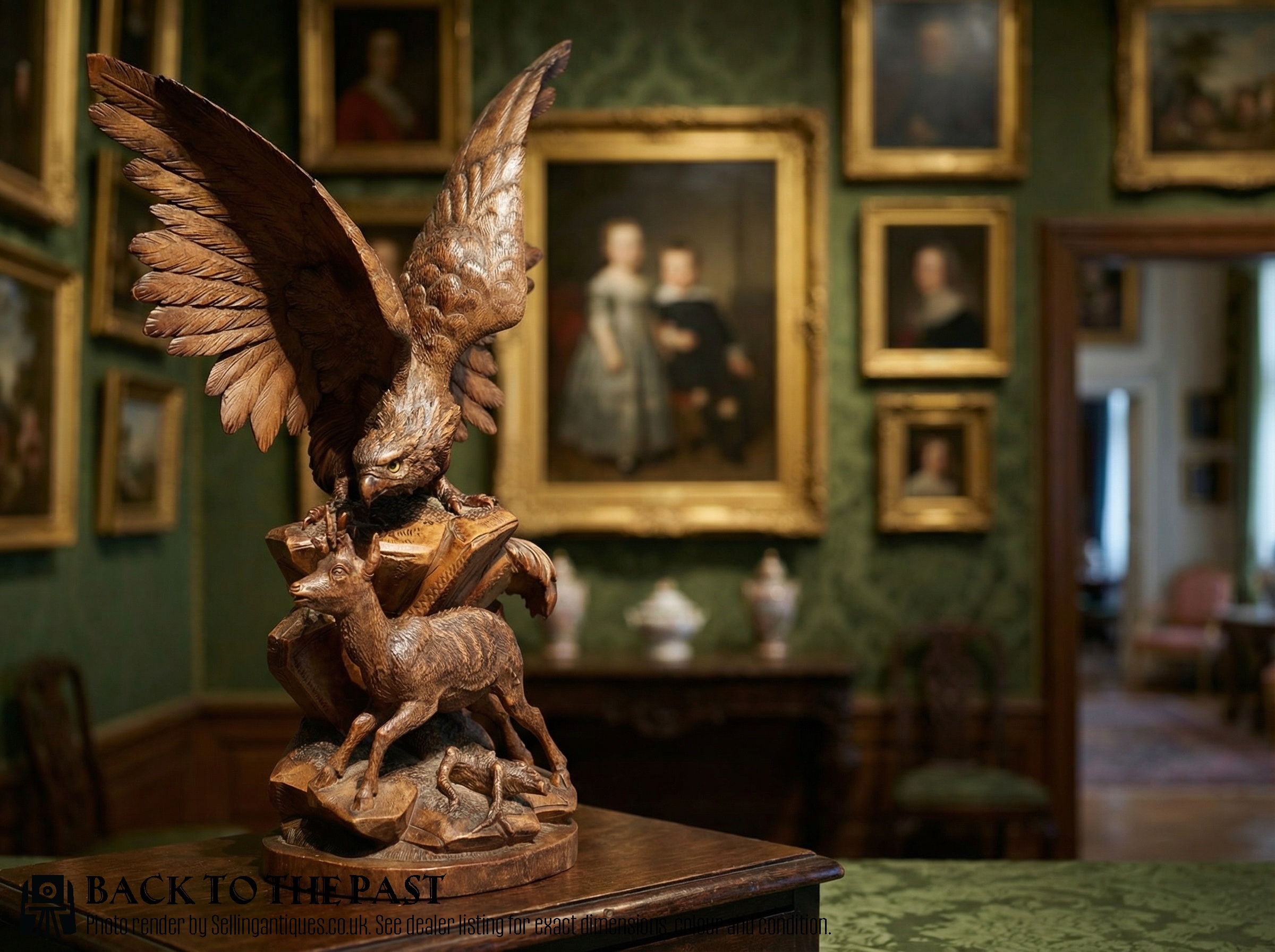
Brienz wood carving encompasses figurative sculptures, inkwells, bookends, and stick stands that emerged from Swiss traditions during the nineteenth and early twentieth centuries. These works often depict animals such as bears, dogs, cats, owls, and cattle, alongside human figures like peasants and historical characters.
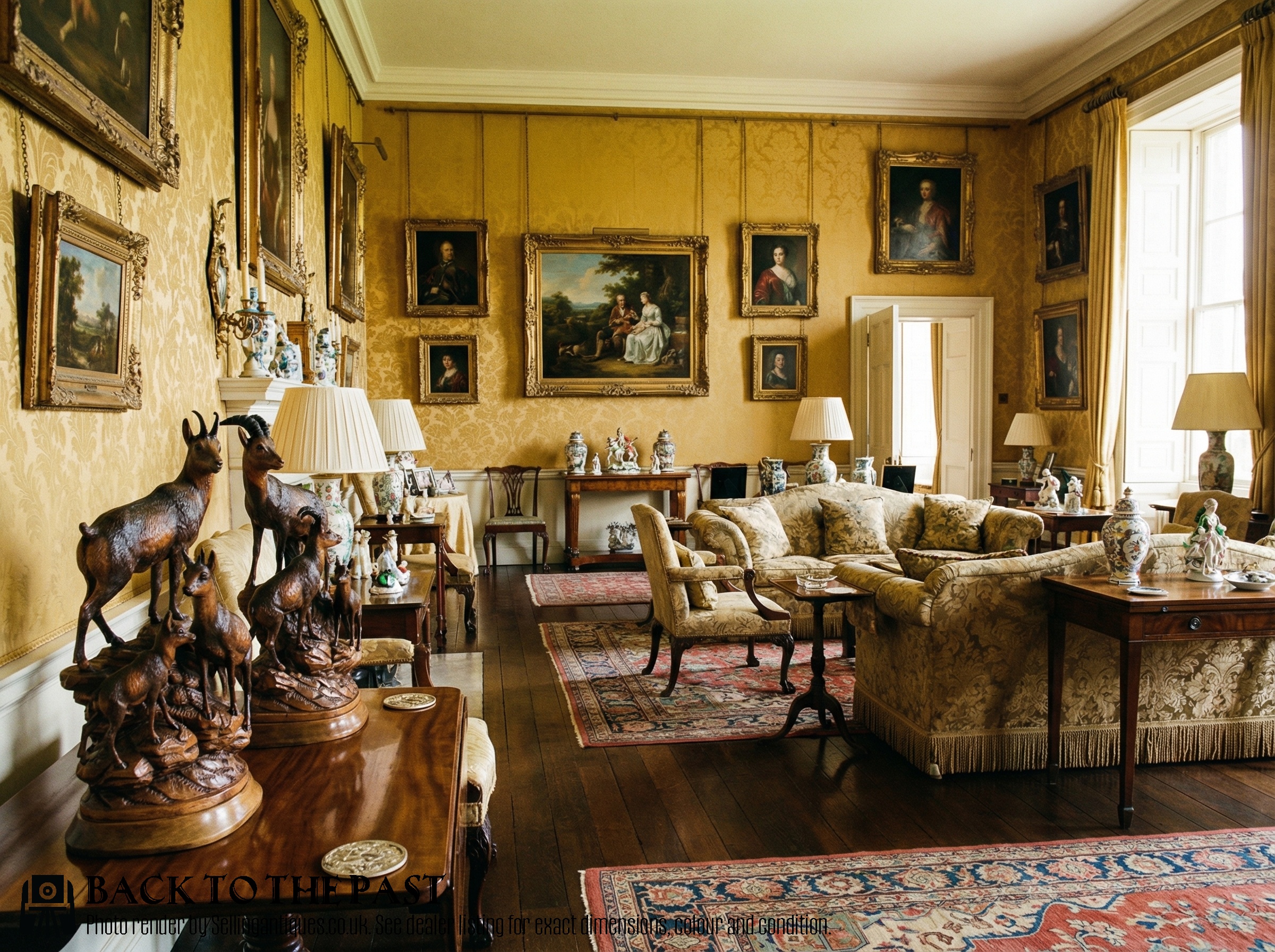
Collectors frequently encounter Black Forest styles alongside Swiss Brienz and Alpine folk art within this category. The selection spans domestic utility items like humidors, caskets, and barometers, as well as purely decorative sculptures and architectural groupings.
Materials and Techniques
Carvers predominantly utilised linden wood and walnut for their projects due to the fine grain and suitability for intricate chisel work. Linden wood allowed for soft, pliable shaping of fur and facial expressions.
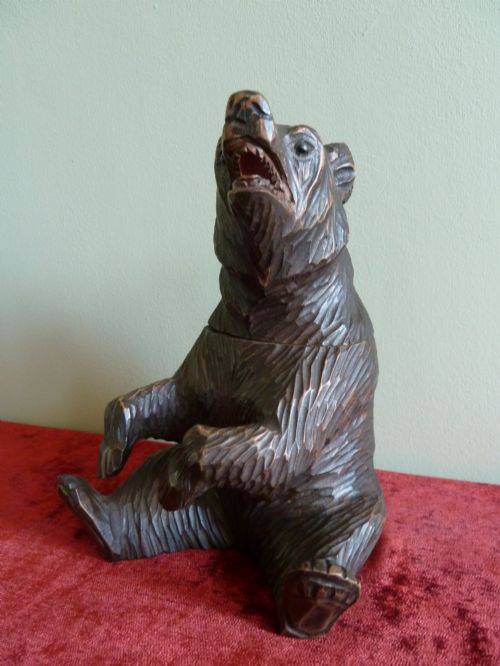
Makers integrated secondary elements such as glass for eyes, brass for hinges or mountings, and metal hooks for functional items like coat racks. Hand-carving techniques defined the surface textures, distinguishing each animal's coat or the bark of surrounding logs.
Brienz Wood Carving Retail Price Guide 2026
Typical asking prices for brienz wood carving among the pieces listed under this phrase on Sellingantiques today, from the lower quarter to the upper quarter. They describe what is for sale here now, not the wider market.
Listings span the nineteenth century, the Edwardian era, and the early twentieth century, utilising walnut and linden wood.
Judging Quality
Depth of expression and anatomical accuracy separate standard carvings from exceptional ones. Master carvers captured tension in muscle structures and personality in animal eyes rather than relying on generic outlines.
Complexity of form and scale dictate distinction, particularly when multiple figures or utilitarian compartments integrate into a single carved block. Clean undercutting and preserved surface crispness indicate superior execution.
J HUGGLER
The Brienz Wood Carving Glossary
- Linden wood
- A pale timber commonly utilised by Swiss carvers for its fine, even texture. This wood takes intricate chisel marks well without splitting.
- Humidor
- A specialised box designed to keep cigars moist. These containers often feature carved bear or wildlife motifs on the lid.
- Garniture
- A set of ornamental objects designed for display together on a mantelpiece. These groupings typically comprise matching figures or vases.
- Inkwell
- A small container for holding liquid ink, frequently incorporated into desk tidies. Carved animal forms often disguise the glass ink reservoir within.
Brienz Wood Carving: Frequently Asked Questions
What animals appear most often?
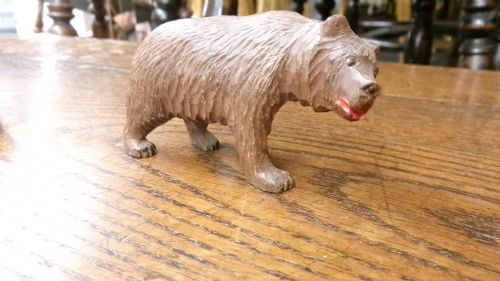
Bears predominate across the selection, appearing singly, in pairs, or engaged in human activities such as holding trays or sitting on logs. Other frequent subjects include dogs, cats, owls, and mountain goats.
Animals appear both as standalone sculptures and as functional pieces like inkwells, bookends, and stick stands.
How do I care for these?
Keep wooden carvings away from direct sunlight and sudden temperature changes to prevent the timber from drying or cracking. Dust gently with a soft, dry brush to protect the fine chisel work.
Avoid liquid cleaners or polishes that might build up within the textured carved surfaces over time.
Where were they made?
Production centred heavily around the village of Brienz in the Bernese Oberland region of Switzerland. This area developed a thriving woodcarving industry during the nineteenth century, supplying tourists and international markets.
Carvers there drew inspiration from local alpine wildlife and traditional folklore.
Are they all functional?
Many pieces combine decorative sculpture with practical domestic use. Items serve as inkwells, bookends, humidors, barometers, and coat hooks.
Purely decorative sculptures and figures also exist alongside these everyday objects.