



Brass Urn Lamps
Brass urn lamps combine classical vessel forms with functional lighting, bringing sculptural weight and period elegance to a room.
Brass Urn Lamps
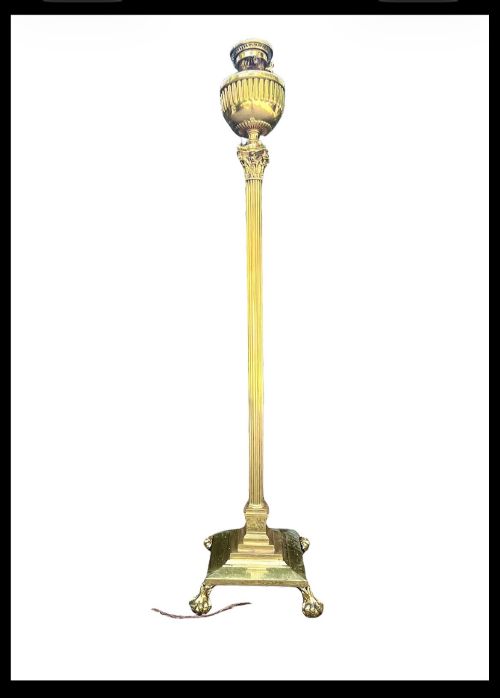
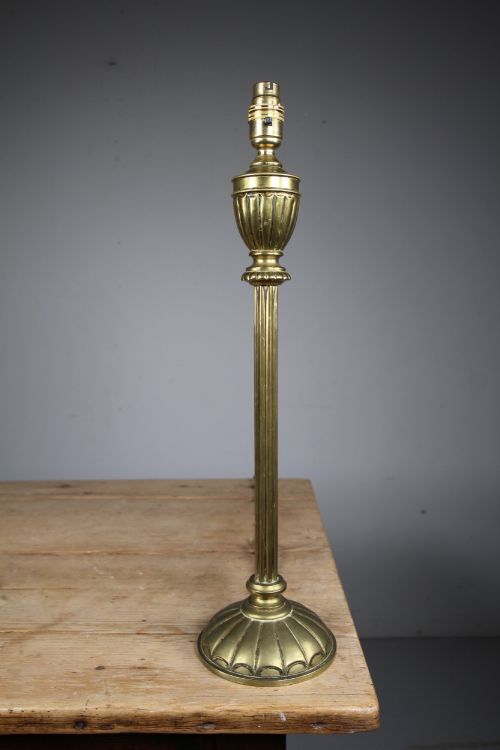
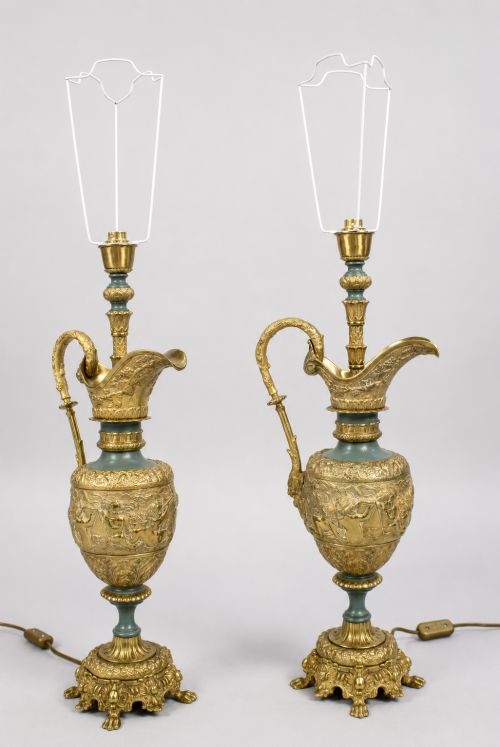
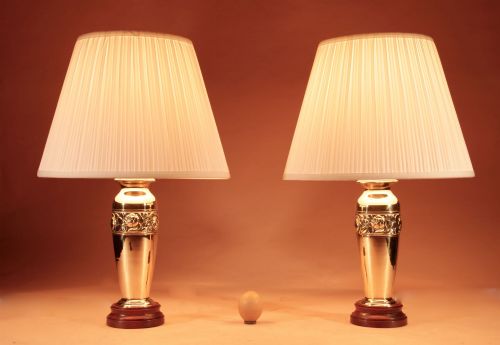
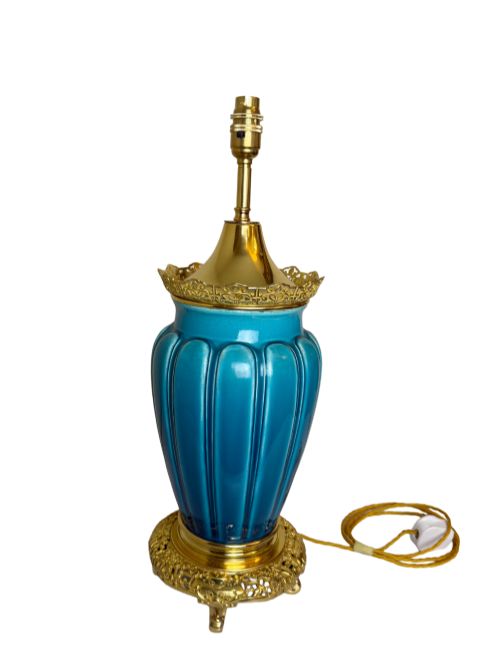
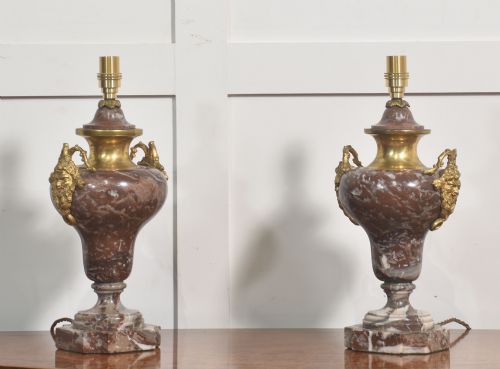
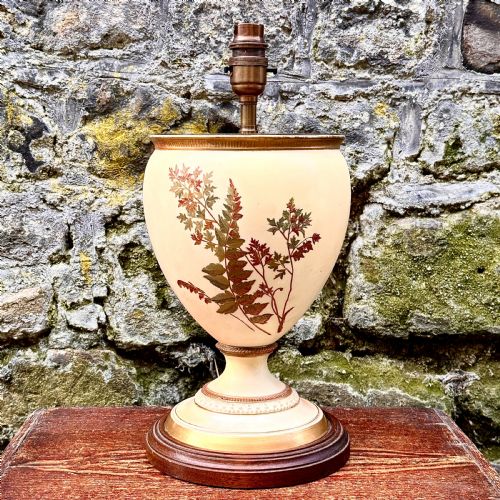
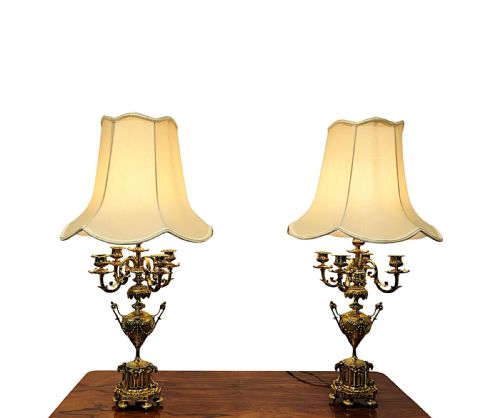
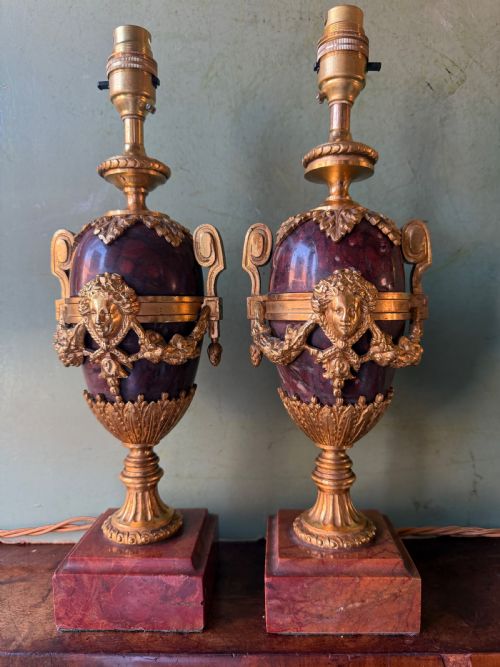
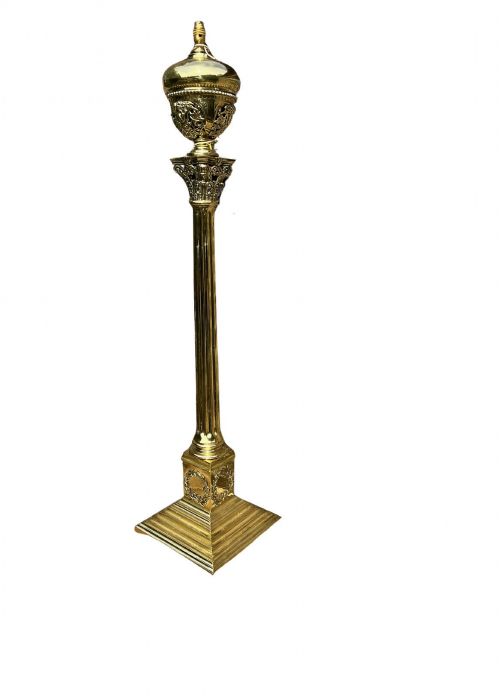
Brass urn lamps take their primary inspiration from classical vases, ewers, and amphorae, adapted for domestic illumination during the nineteenth and early twentieth centuries. You will frequently encounter nineteenth-century French and English examples that incorporate mounted porcelain, marble bases, or gilt bronze details.
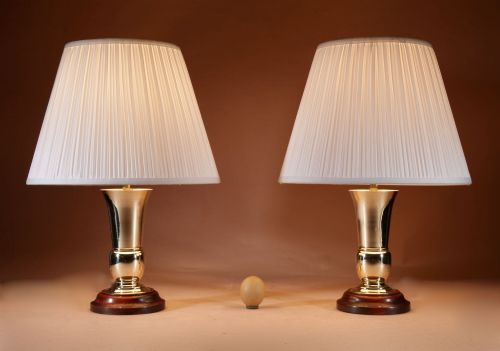
The forms span from compact table lamps to monumental pairs, often originating from oil lamps or candelabra subsequently converted for electricity. Styles range through Victorian ornate, Edwardian polish, Neoclassical revival, and occasional Art Deco geometry.
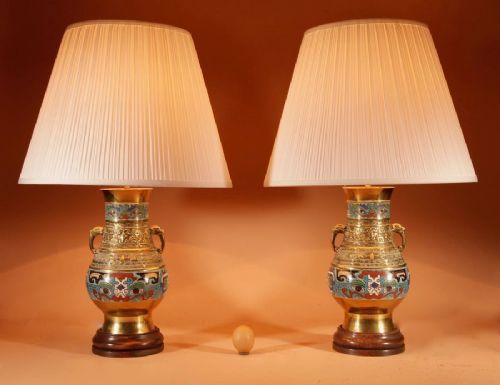
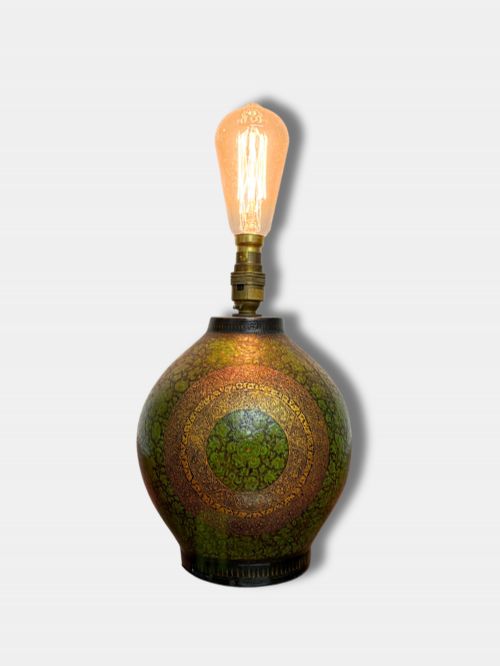
Makers and workshops utilised diverse cultural motifs, producing Chinoiserie lacquered bodies, Japanese champlevé bronzes, and Kashmiri painted finishes alongside traditional European classical revivals. This variety ensures that brass urn lamps function equally as focused desk illumination or prominent decorative console pieces.
How they were made
Manufacturers built the structural bodies using cast brass, gilt metal, and ormolu, frequently pairing the metallic elements with turned marble, onyx, or glazed porcelain. Artisans employed mechanical turning, sand casting, and hand chasing to shape the metal components before applying gilding or patination.
Decorative surfaces received detailed treatment, including hand-painted porcelain panels, champlevé enamel work, and applied mounts secured with threaded pins. Many surviving pieces show evidence of later conversion from oil burning or candle power to electrical wiring.
Fabric shades, often paired with contemporary or replacement fittings, complete the construction, while heavy stone or weighted metal bases provide stability to the elevated urn bodies.
Brass Urn Lamps Retail Price Guide 2026
Typical asking prices for brass urn lamps among the pieces listed under this phrase on Sellingantiques today, from the lower quarter to the upper quarter. They describe what is for sale here now, not the wider market.
Some urns hide their fiery past as oil lamps beneath serene porcelain facades.
What varies in quality
Quality rests in the crispness of the metal casting and the depth of the chasing, where sharper relief and cleaner tool marks distinguish superior examples from softer, mass-produced counterparts. The weight and selection of auxiliary materials, such as solid rouge marble or genuine ormolu rather than plain lacquered base metals, elevate the standing of a piece.
Integration defines the better items: mounts that fit the contours of the urn precisely, balanced proportions between the vessel and the base, and original harmonised components rather than mismatched marriage pieces. Finer lamps retain intact fire-gilding or detailed hand-painted decoration that resists rubbing and wear.
The integrity of the construction, from secure interior weighting to solid structural joints, separates workshop pieces intended for fine interiors from simpler utility lighting.
The Brass Urn Lamps Glossary
- Ormolu
- Finely ground high-carat gold applied to a bronze or brass base using a mercury amalgamation technique, or more generally, high-quality gold-coloured bronze mounts. This finish provides a warm, durable lustre on nineteenth-century pieces.
- Champlevé
- An enamelling technique where troughs or cells are hollowed out of a metal surface, filled with vitreous enamel, and fired. It appears frequently on decorative Japanese and French bronze and brass bodies.
- Ewer
- A large jug with a wide spout and elaborate handle, frequently adopted as the primary vessel shape for nineteenth-century table lamps. Ewers impart an asymmetrical, classical movement compared to symmetrical urns.
- Cassolette
- A decorative vessel, often in marble or metal, designed with a reversible lid that functions either as a solid vase or an incense burner. In lighting, cassolette bodies serve as ornate lamp bases.
- Neoclassical
- A style drawing inspiration from the classical art and architecture of ancient Greece and Rome. It governs the symmetrical urn forms, ram heads, and paw feet seen across many of these lamps.
Brass Urn Lamps: Frequently Asked Questions
How do I wire an old lamp safely?
Older lamps often retain outdated wiring that requires replacement for modern domestic safety standards. A qualified electrician can fit modern lamp holders and flex while preserving the original brass body.
Rewiring historical pieces is straightforward and ensures that antique fittings comply with current regulations without altering the exterior appearance.
What shades suit these lamps?
Fabric shades in neutral silks, pleated card, or matching colours complement the metallic finishes and painted porcelain bodies. The scale of the shade should balance the height and width of the urn base.
Avoid overly modern drum shades unless the lamp exhibits clean Art Deco or transitional lines.
How do I clean antique brass?
Dusting with a dry, soft cloth prevents the accumulation of grime in the chased recesses of the metal. Avoid abrasive commercial polishes that strip away original patination or damage gilt surfaces.
Gentle cleaning maintains the aged warmth that collectors look for on nineteenth-century pieces.
Are these lamps heavy?
Many examples incorporate marble, onyx, or cast bronze cores, giving them substantial weight. This heaviness provides stability when paired with tall shades or extended wiring.
Placement should account for the total weight on delicate antique furniture.