
Brass Twin Arm Wall Lights
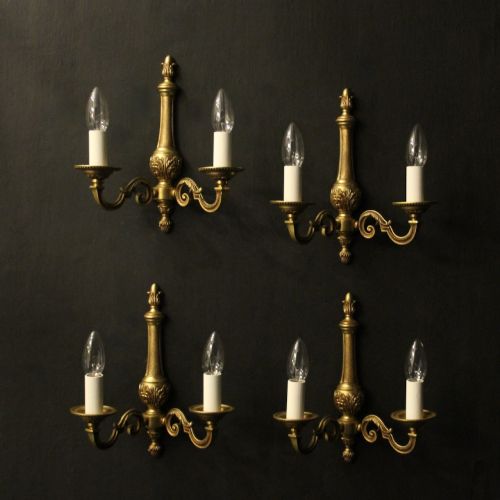
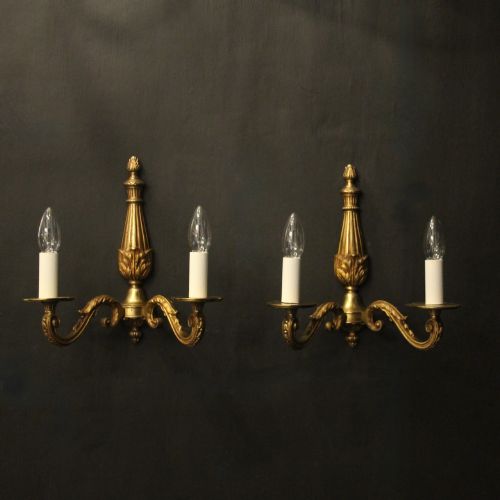
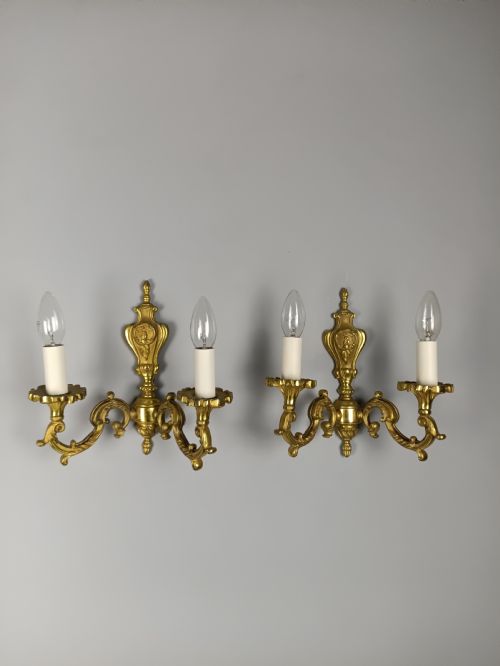
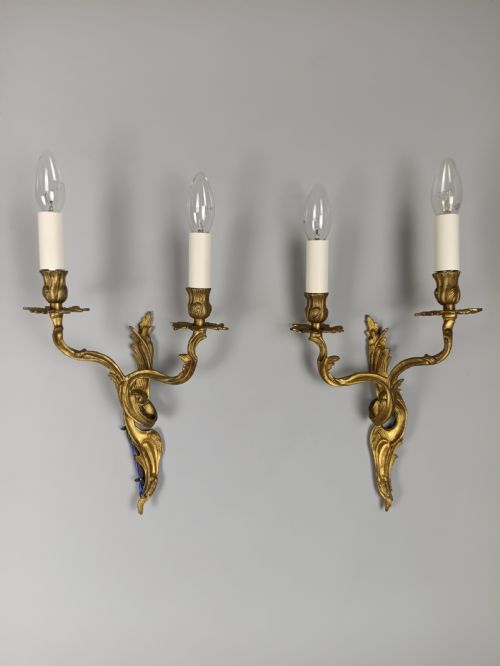
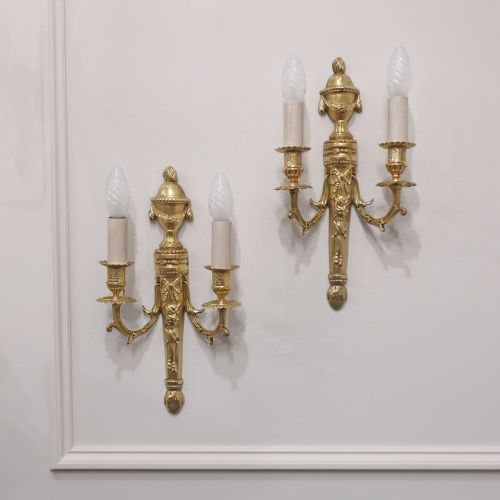
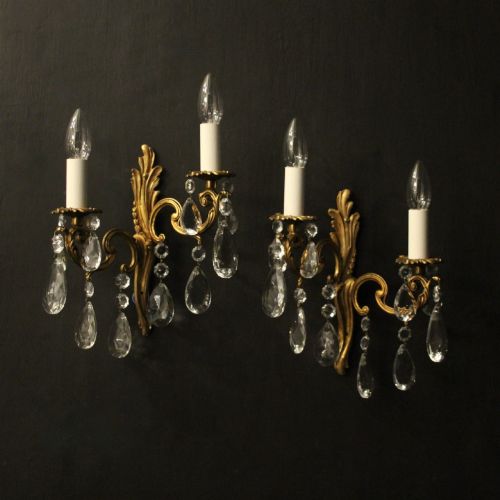
Brass twin arm wall lights illuminate interiors with paired candle or electric branches cast in metal, offering period symmetry and warm reflected light.
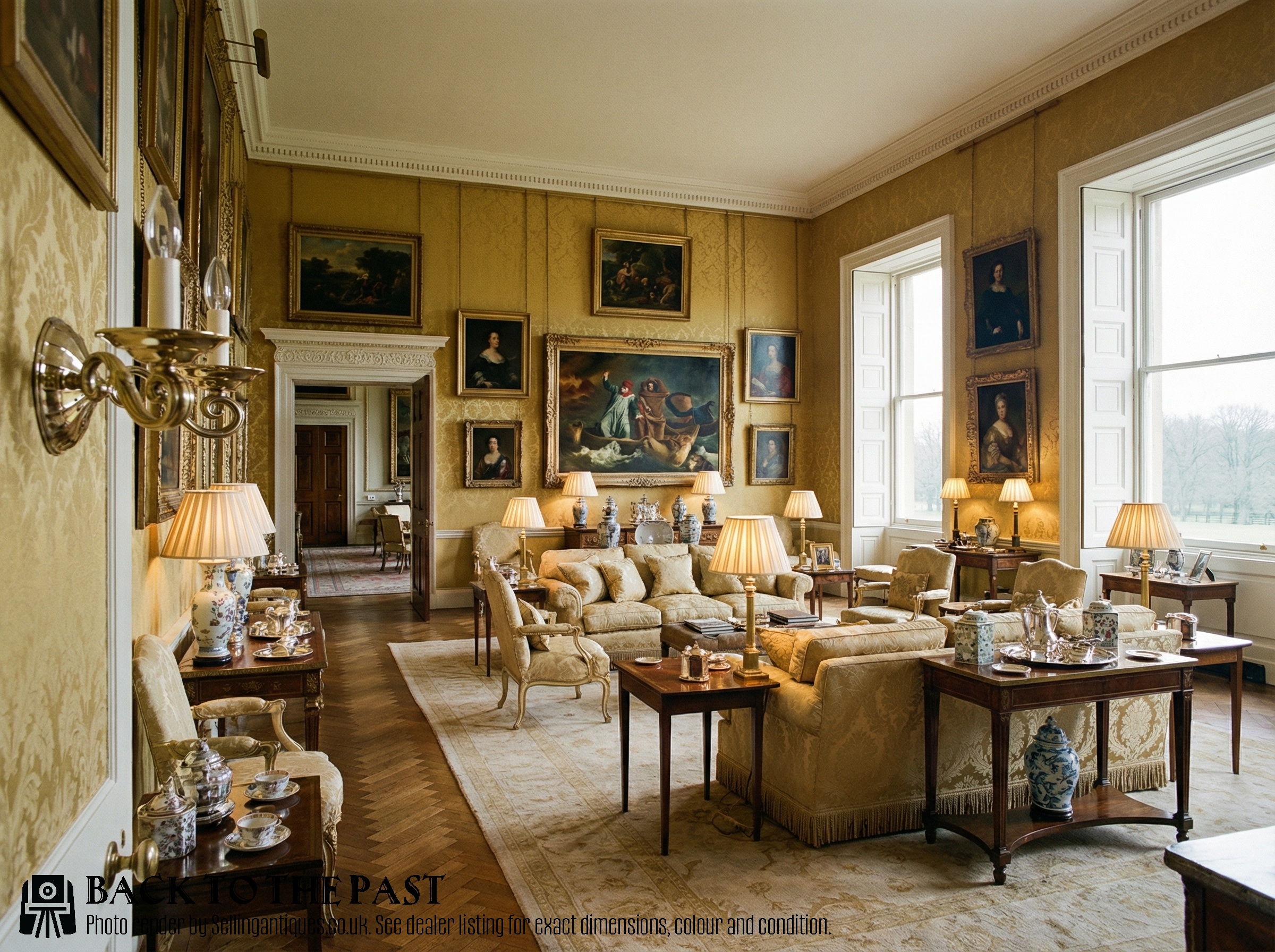
Brass Twin Arm Wall Lights
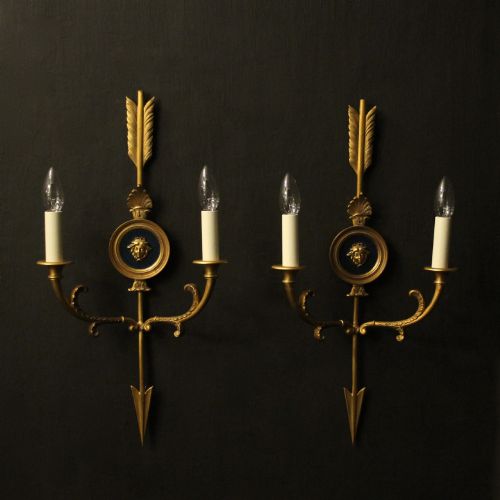
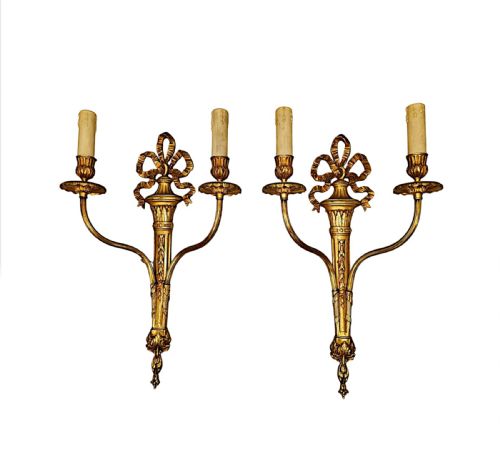
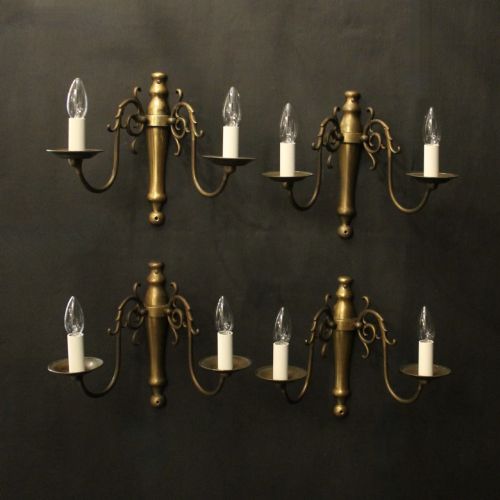
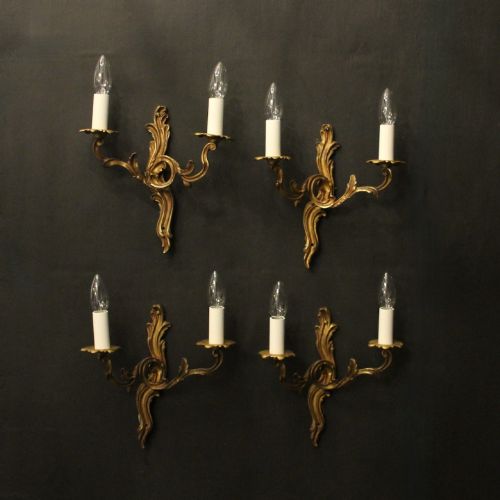
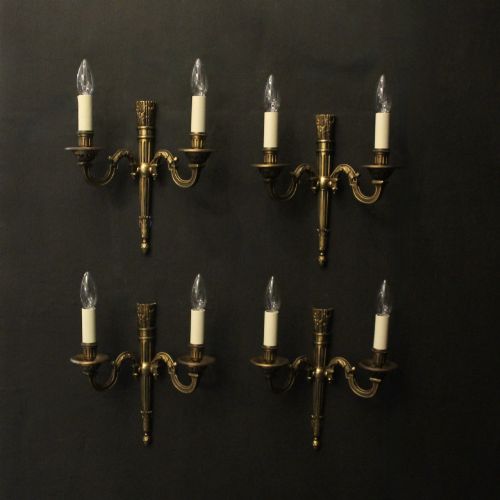
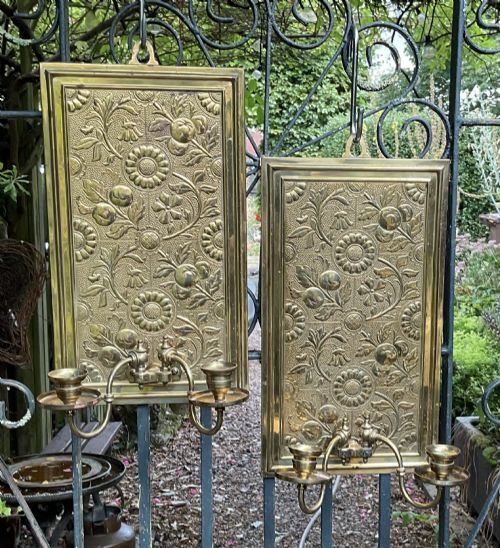
Brass twin arm wall lights comprise fixtures designed to mount directly onto vertical surfaces, featuring two distinct branches that extend outward to hold light sources. Buyers exploring this category will frequently encounter French examples dating from the early decades of the twentieth century, alongside nineteenth-century English and Victorian variations.
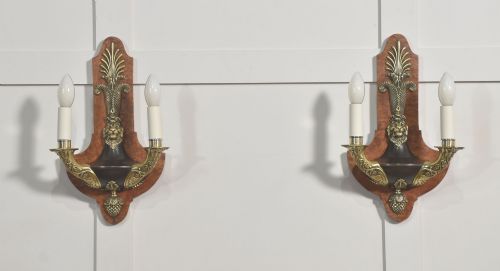
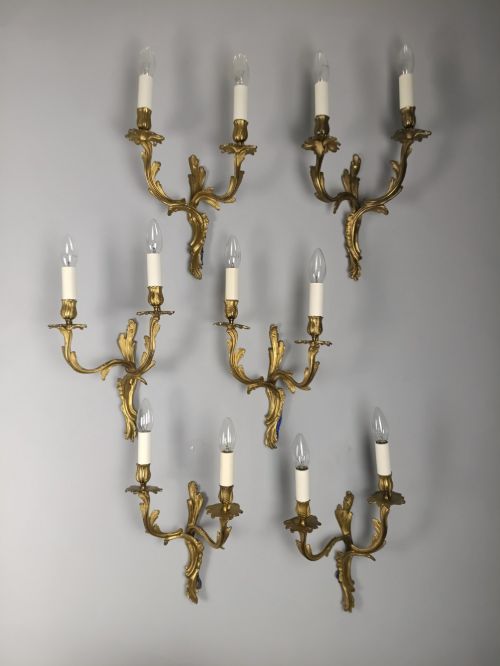
The selection ranges from simple domestic sconces to decorative sets originating from continental workshops. These fixtures often adopt historical revival vocabularies such as Rococo, Louis XVI, and Empire styles, translating candle-era silhouettes into functional wall illumination.
How they were made
Maker's workshops utilised casting techniques for brass, bronze, and ormolu components, shaping molten metal into scrollwork, arms, and backplates. Surviving pieces frequently display hand-finishing, channelling, and applied surface treatments including fire-gilding or applied gilding over the base metal.
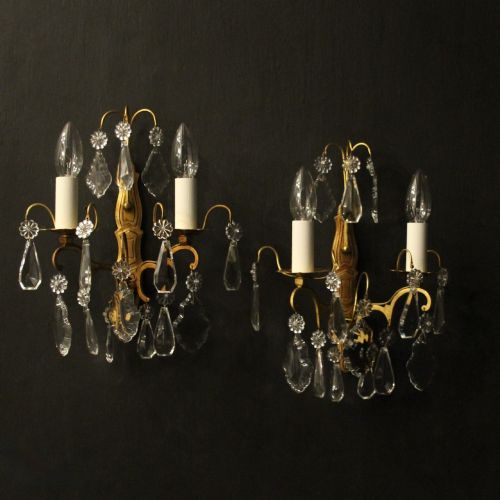
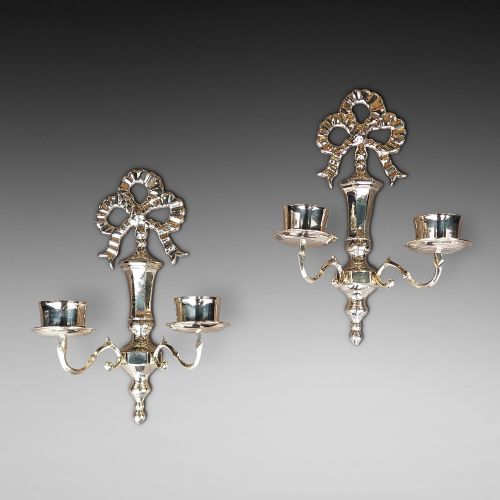
Details such as ribbons, crystal drops, and enamel accents were integrated mechanically or soldered onto the primary frame. Many surviving electrical conversions incorporate modern internal wiring routed through the original hollow brass casting channels.
Several pairs preserve traces of green enamel, proving that nineteenth-century decorators enjoyed a splash of colour.
What varies in quality
The distinction between tiers rests upon the crispness of the metal casting and the depth of the chasing work on foliage and scroll motifs. Heavier gauge brass and thick gilt bronze retain sharper relief and structural rigidity along the branch joints.
Surface preservation marks another boundary, where intact original gilding or controlled patination distinguishes superior examples from those with abrasive cleaning or heavy wear. Matching sets originating from a single workshop demonstrate uniform casting consistency across every sconce.
Bruce Talbert·Casier·F. & C. Osler
The Brass Twin Arm Wall Lights Glossary
- Ormolu
- Finely ground high-carat gold mercury-gilded onto a bronze base. This technique creates a durable, warm metallic lustre characteristic of luxury French lighting.
- Sconce
- A wall-mounted light fixture designed to project illumination into a room. The term originates from medieval defensive and domestic lighting brackets.
- Rococo
- An ornate design style marked by asymmetrical scrollwork, C-curves, and naturalistic shell motifs. It heavily influences nineteenth- and twentieth-century French wall lights.
- Empire
- A neoclassical style drawing inspiration from ancient Roman and Greek motifs, featuring strict symmetry, laurel wreaths, and classical urns. It appears frequently in early twentieth-century French production.
- Gilt bronze
- An alloy of copper and tin coated with a layer of gold. It provides a robust structural core beneath a reflective golden surface.
Brass Twin Arm Wall Lights: Frequently Asked Questions
How do I install antique wall lights?
Most period wall lights require mounting directly to standard wall junction boxes using internal backplate brackets. Many surviving fixtures arrive rewired for contemporary electrical standards to simplify connection.
Professional installation by a qualified electrician ensures secure wall attachment and safe integration with domestic circuitry.
Are these lights suitable for low ceilings?
Wall lights mount directly to vertical surfaces, projecting horizontally rather than hanging downward. This makes them practical for spaces where pendant fixtures would obstruct movement or low clearances.
Positioning them at eye level provides balanced ambient illumination without consuming floor or table space.
How do I distinguish French and English styles?
French examples often feature elaborate gilt bronze or gilded brass castings with distinct Rococo or Empire revival ornamentation. English alternatives tend to present simpler brass configurations with understated backplates and restrained proportions.
Examining the casting weight and decorative motifs usually reveals the regional workshop tradition.
What is the difference between brass and ormolu?
Brass is an alloy composed primarily of copper and zinc, utilised widely for its durability and warm golden tone. Ormolu refers specifically to gilded bronze created through mercury-gilding, yielding a richer surface finish found on high-status decorative lighting.