




Polished Brass Wall Sconces
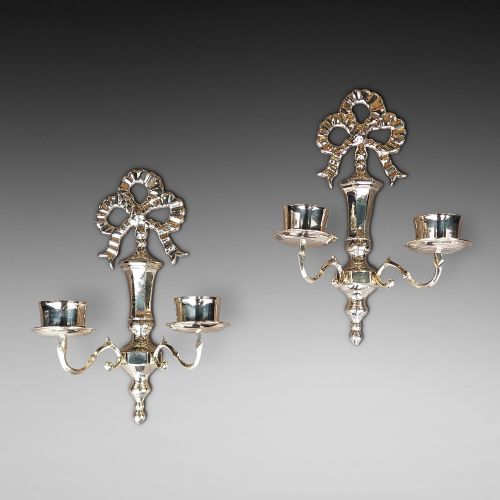
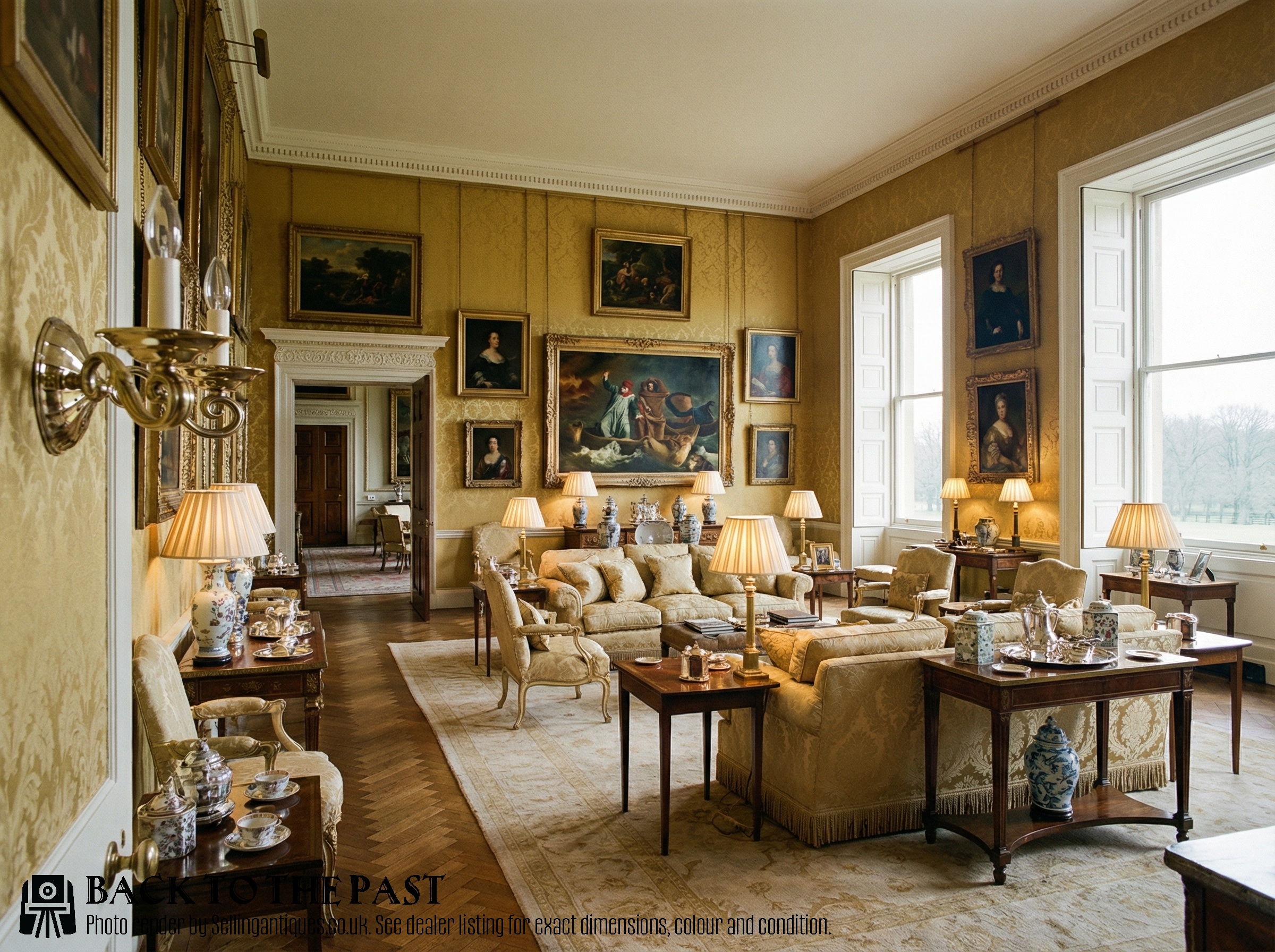
Polished brass wall sconces are classic light fittings designed to mount directly onto surfaces, bringing warm metallic reflection and period character to an interior.
Polished Brass Wall Sconces
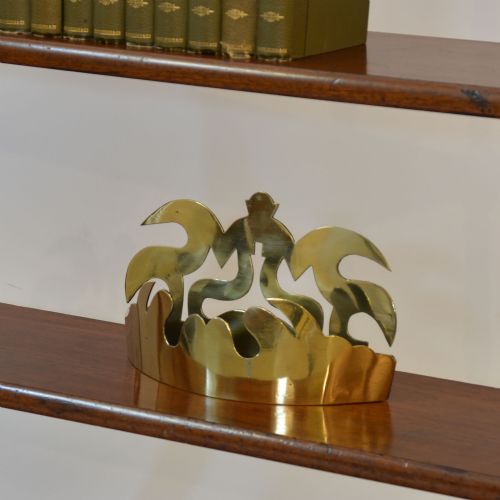
When you search for polished brass wall sconces, you encounter solid metal light fittings and wall-mounted pieces designed for illumination or display. The examples on this page span the nineteenth century, the Edwardian era, and the early decades of the twentieth century, including twin and triple arm configurations as well as wall pockets and carriage lamps.
You are most likely to meet pairs or sets of wall lights reflecting historical revival styles such as Adam Revival, English Classical, Grand Regency, and French Rococo. These pieces range from simple domestic candle sconces to more ornate gasolier conversions and carriage lamps incorporating glass and cast iron elements.
The materials recorded in these listings rely heavily on brass, often paired with glass, cut glass, and cast iron. Their forms serve both functional lighting purposes and decorative wall hanging roles, utilising metals that take a bright reflective finish.
How they were made
Makers of these fittings utilised casting techniques to shape heavy brass and cast iron components, creating durable backplates and arms. Ornate details on Rococo and Adam revival models required skilful forming and chasing of the metal surface.
Glass elements, including cut glass components, were separately worked and integrated into wall lights and carriage lamps to refract and multiply the illumination. The combination of brass with structural iron provided both decorative shine and sturdy wall support.
The selections available here include pieces from the nineteenth century, Edwardian period, and the 1920s and 1930s, featuring brass, cast iron, and cut glass.
What varies in quality
The distinction between standard and superior pieces lies in the crispness of the casting and the depth of ornament. Heavily ornamented examples with refined chasing display a higher level of workshop skill than plain utility brackets.
Symmetry in pairs and the integration of components like cut glass and cast iron elements dictate the visual success of the wall light. Original proportions and harmonious revival styling elevate certain examples above simpler production pieces.
F. & C. Osler
The Polished Brass Wall Sconces Glossary
- Wall sconce
- A light fixture fixed to a wall so that it projects forward to illuminate a room. These fixtures often hold candles, gas burners, or electric lamps.
- Gasolier
- A multi-armed light fixture originally designed to burn coal gas before the general adoption of electricity. They frequently feature multiple branches for increased illumination.
- Adam revival
- A neoclassical decorative style drawing on the eighteenth-century designs of the Adam brothers, characterised by symmetrical grace and classical motifs. This style appears on several nineteenth-century candle sconces.
- Wall pocket
- A decorative hanging container mounted flat against a wall, used historically for holding small items or dried flowers rather than providing illumination. Metal versions often feature ornate crowns and repoussé decoration.
- Repoussé
- A metalworking technique where a malleable metal is hammered from the reverse side to create a raised design in relief. This method produced the decorative surface patterns seen on many period brass wall lights.
Polished Brass Wall Sconces: Frequently Asked Questions
What is a wall sconce?
A wall sconce is a light fixture designed to be attached to a wall rather than suspended from a ceiling or placed on a surface. Historically, they held candles or oil lamps to brighten hallways and principal rooms.
Today, surviving antique examples are often wired for electricity while retaining their original brass or cast metal arms and decorative backplates.
How do I date a brass wall light?
Dating a brass wall light involves examining its manufacturing methods, fixing points, and stylistic vocabulary. Pieces influenced by the Adam revival or French Rococo often reflect the prevailing tastes of the nineteenth and early twentieth centuries.
Hardware details, such as the type of screws, joint construction, and the presence of gas-fitting components, also help narrow down whether a piece is Victorian, Edwardian, or later.
Were these lights originally electric?
Most older wall sconces were not created for electricity, as they predate widespread domestic wiring. Many started life holding candles or were engineered for gas lighting before being converted later.
When buying period wall lights, it is common to find them adapted for modern electrical standards while preserving their antique metalwork and glass components.
How should I clean polished brass?
Polished brass benefits from gentle dusting and occasional wiping with a soft, dry cloth to maintain its shine without removing the underlying character. Harsh metal polishes can strip away subtle aged tones and delicate finishes.
Keeping the brass free from moisture and abrasive materials ensures the metal retains its reflective qualities over time.