


Brass Tabletop Candlesticks
Brass tabletop candlesticks bring warm metal reflection to a room, offering practical illumination and lasting form through Georgian, Victorian and later designs.
Brass Tabletop Candlesticks
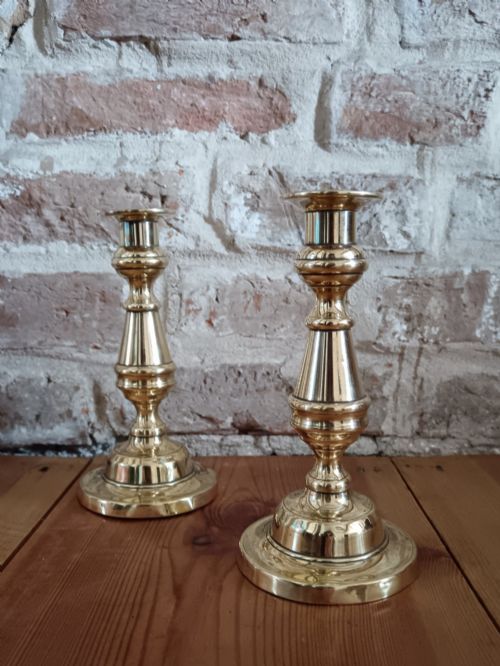
Brass tabletop candlesticks span several centuries of domestic lighting, featuring examples from the eighteenth century up to the nineteen-thirties. The pieces available here include single sticks and balanced pairs, alongside multi-light candelabra.
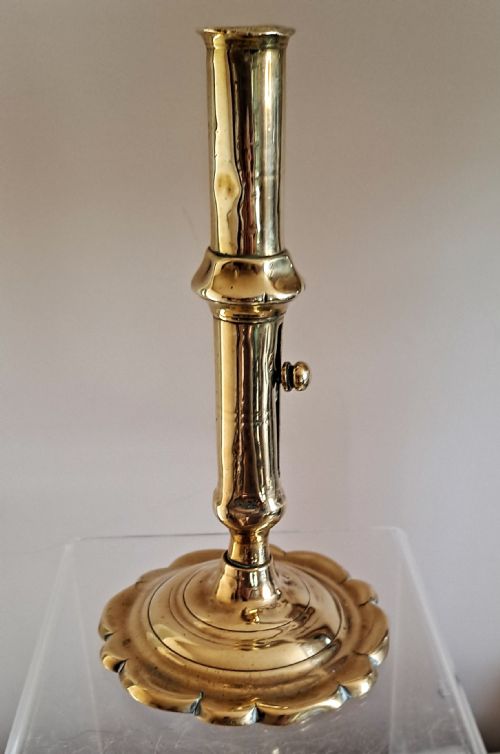
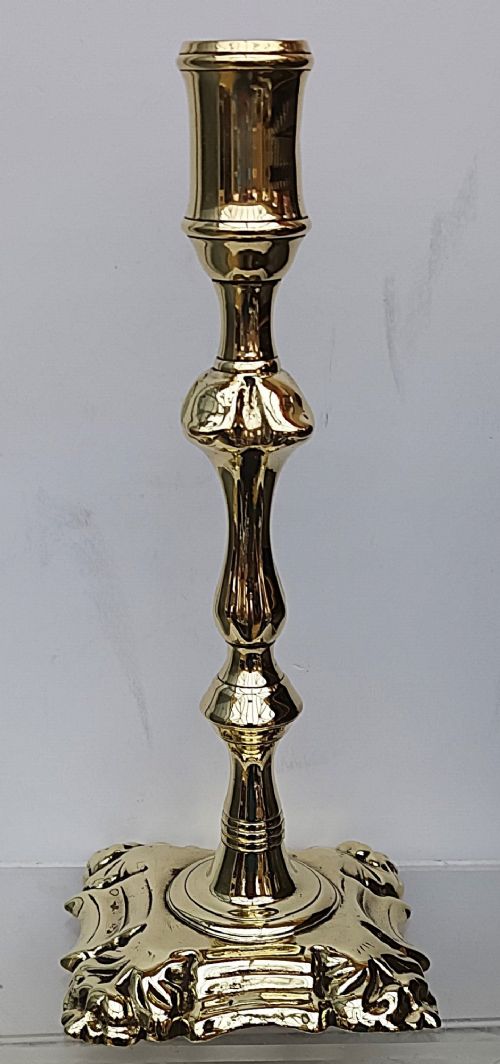
Georgian and Regency examples often show petal bases or mechanical ejectors, while later pieces adopt Arts and Crafts, Gothic, or Edwardian aesthetics. Materials stretch beyond pure brass to incorporate mahogany, marble, gilt metal, and cut crystal.
The selection ranges from sturdy English Georgian forms to ornate nineteenth-century French ormolu. Buyers seeking these items will encounter everything from simple turned shafts to elaborate multi-armed candelabra.
How they were made
The construction of these pieces relies on traditional metalworking methods, with brass cast or turned to form sturdy shafts and decorative bases. Workshops combined metal components with turned mahogany, marble, and glass to create varied textural contrasts.
Surface finishing includes fire-gilding on ormolu and gilt bronze items, alongside polished brass finishes that highlight the underlying metal. Details like petal bases and multi-light branches required precise assembly by skilled metalworkers.
Listings feature brass combined with mahogany, marble, and cut crystal across Georgian, Regency, and Arts and Crafts styles.
What varies in quality
Quality rests in the crispness of the casting and the weight of the metal used in the shaft and base. Finer examples display clean turning, balanced proportions, and well-integrated secondary materials like mahogany or cut crystal.
The presence of functioning mechanical components, such as ejector mechanisms in Regency pairs, adds technical interest. Superior finishing and heavier metal gauge distinguish the most accomplished pieces from simpler production.
The Brass Tabletop Candlesticks Glossary
- Ejector candlestick
- A candlestick fitted with an internal mechanism to push out the remaining candle stump. This device appears frequently on nineteenth-century designs.
- Ormolu
- Finely ground high-carat gold applied to a bronze or brass base using mercury. This technique creates a rich golden finish seen on French pieces.
- Petal base
- A foot shaped to resemble overlapping flower petals. This design feature occurs on eighteenth-century English examples.
- Candelabra
- A branched candlestick holding multiple candles on separate arms. These lighting pieces provide greater illumination than single sticks.
Brass Tabletop Candlesticks: Frequently Asked Questions
How do I date an old brass candlestick?
Dating relies on observing base shapes, manufacturing marks, and construction techniques characteristic of periods like the eighteenth century or the Edwardian era. Petal bases and sand-casting textures often point to earlier centuries.
Later pieces typically feature sharper machine turning or distinct style revivals such as Gothic or Arts and Crafts. Comparing the weight and joining methods helps confirm the era of manufacture.
Are brass candlesticks always solid brass?
Not all pieces are made entirely of solid brass, as many incorporate mixed materials. Surviving examples combine turned mahogany, marble plinths, and gilt metal.
Some nineteenth-century items utilise gilt bronze or ormolu over a base metal core. Inspecting the underside and joints reveals the true construction of the piece.
How should I clean antique brass?
Cleaning antique brass requires gentle dusting and occasional wiping with a soft, dry cloth to preserve the natural aged patina. Harsh commercial metal polishes can strip away centuries of oxidation and wear.
Maintaining the surface without aggressive scrubbing protects the underlying metal and retains the character developed over time.