



Brass Studded Wingback
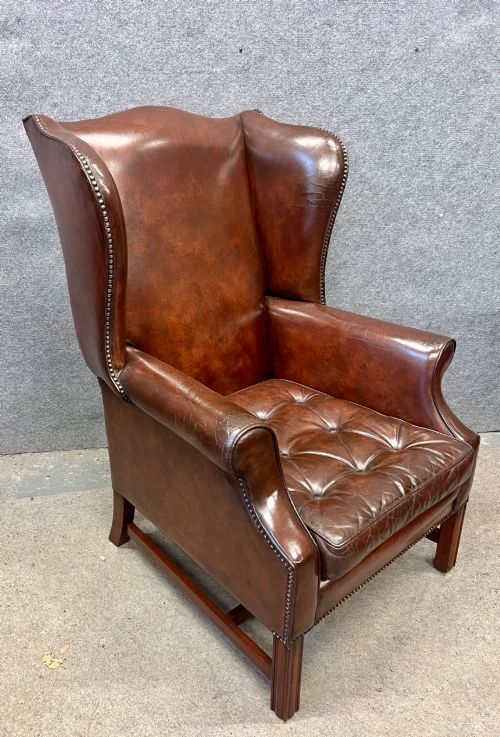
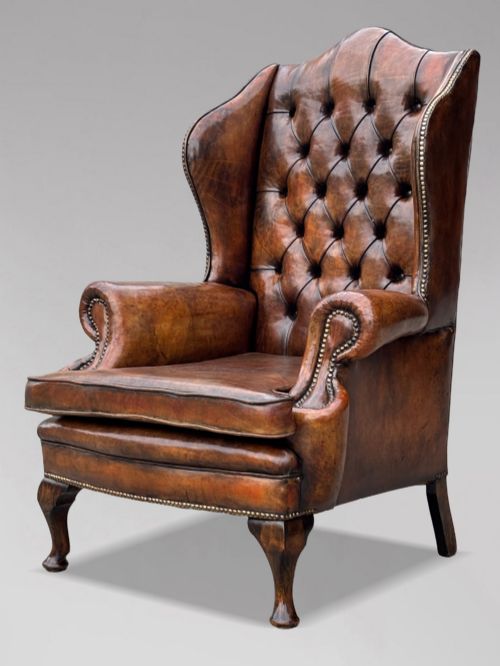
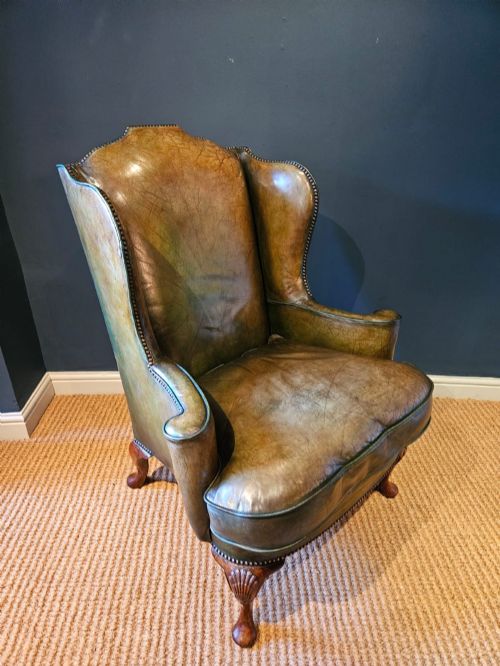
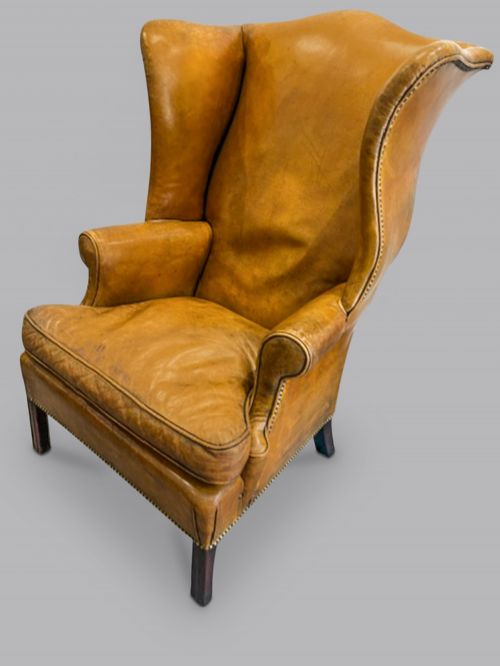
A brass studded wingback brings traditional seating with distinctive side panels and decorative nail-head trim into a room.
Brass Studded Wingback
A brass studded wingback comprises substantial upholstered armchairs and sofas designed with protective side wings to deflect draughts and retain heat. The selection spans periods from the eighteenth century through to the early twentieth century, including Georgian and Victorian examples alongside later revivals.
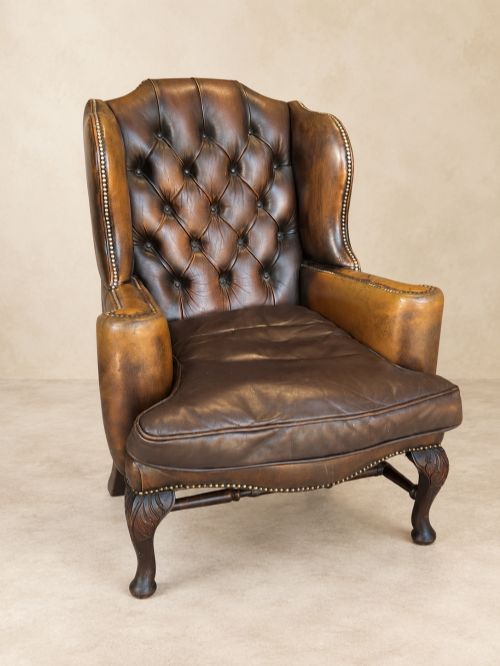
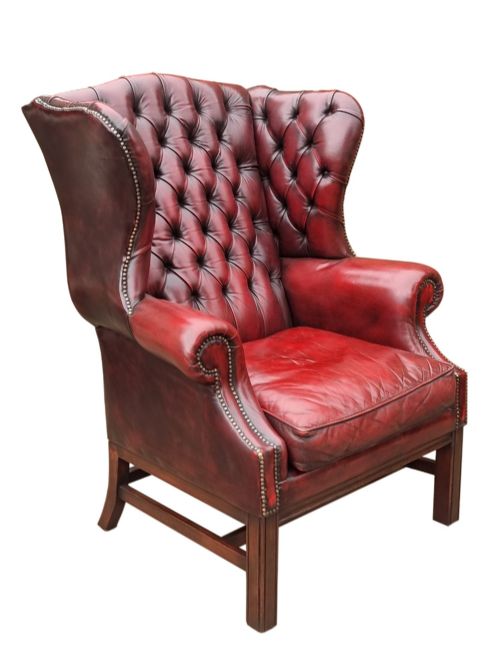
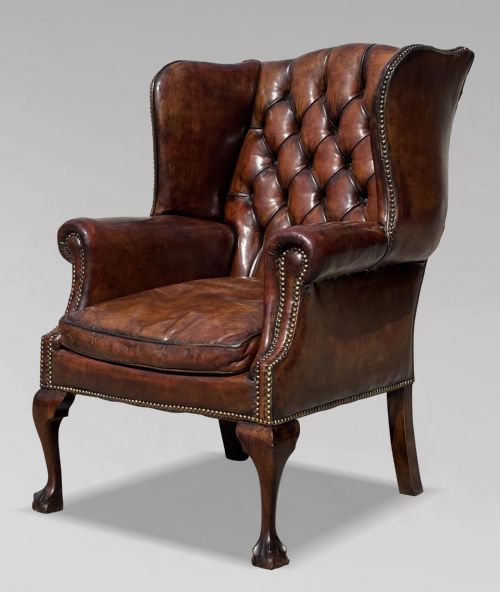
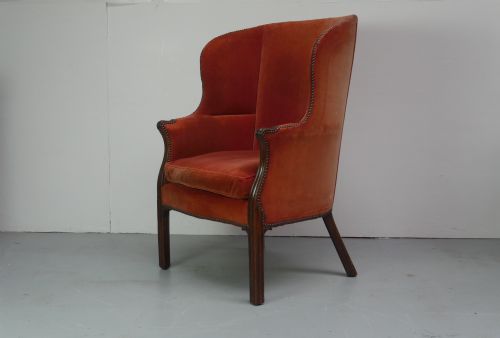
Most pieces encountered here are leather upholstered armchairs featuring button backs and mahogany or walnut frames. Occasional variations include French Empire mahogany reclining models, barrel backs, and multi-seat sofas sharing the characteristic studded framework.
Materials and construction
Frames are built from hardwoods such as mahogany, walnut, oak, and general timber, providing structural integrity for the heavy upholstery. Joinery often supports cabriole legs or carved wooden supports.
Upholstery combines leather or velvet coverings fixed to the frame with individual brass studs. Buttoning techniques secure the padding across the backrests and seats of these armchairs and sofas.
Brass Studded Wingback Retail Price Guide 2026
Typical asking prices for brass studded wingback among the pieces listed under this phrase on Sellingantiques today, from the lower quarter to the upper quarter. They describe what is for sale here now, not the wider market.
The listings span from the eighteenth century through the Georgian and Victorian eras up to the 1930s, utilising leather, velvet, mahogany, walnut, and oak.
Assessing quality and finish
The sophistication of the timber framing distinguishes different examples, from plain wooden legs to finely carved mahogany or walnut cabriole supports. Proportions also vary, with certain library armchairs built to particularly generous scales.
Leather treatment and the application of brass studding affect the overall visual weight of a piece. Hand-dyed or hand-coloured leather finishes and full buttoning indicate greater attention to detail in the upholstery work.
The Brass Studded Wingback Glossary
- Wingback
- An armchair featuring upholstered side panels designed to protect the sitter from draughts. These wings form an integral part of the upper frame.
- Cabriole leg
- A furniture leg that curves outward and then tapers inward, commonly seen on eighteenth-century seating. This shape derives from animal limbs.
- Button back
- An upholstery style where depressions are formed in the padding by stitches or buttons pulled tight. This method keeps the internal stuffing evenly distributed.
- Barrel back
- A seating form where the back and arms curve continuously in a rounded enclosure. It offers a more enclosed posture than standard armchairs.
Brass Studded Wingback: Frequently Asked Questions
What is a wingback chair?
A wingback chair is an upholstered seat featuring protective side panels attached to the backrest. These wings were originally designed to shield sitters from cold draughts in large rooms.
Today, these armchairs serve as prominent seating choices in studies and living spaces, often upholstered in leather with brass nail-head detailing.
Where should I place a wingback?
These large armchairs suit spaces with enough room to accommodate their generous proportions and high backs. They work well beside fireplaces or as reading chairs in libraries.
Matching them with wooden side tables creates a traditional seating arrangement that highlights the carved legs and leather surfaces.
Are there sofas in this style?
Multi-seat sofas and settees share the same upholstered construction and brass studding found on the single armchairs. These larger pieces match the materials and buttoned backs of the smaller seats.
They provide extended seating while retaining the characteristic silhouette and decorative nail trim.