
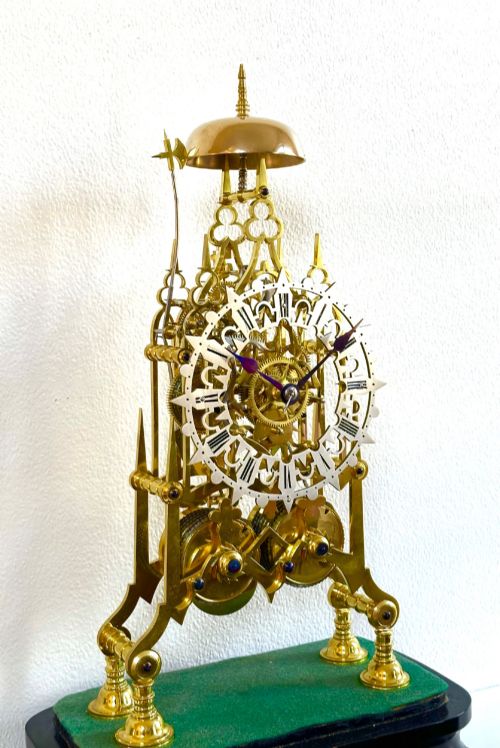
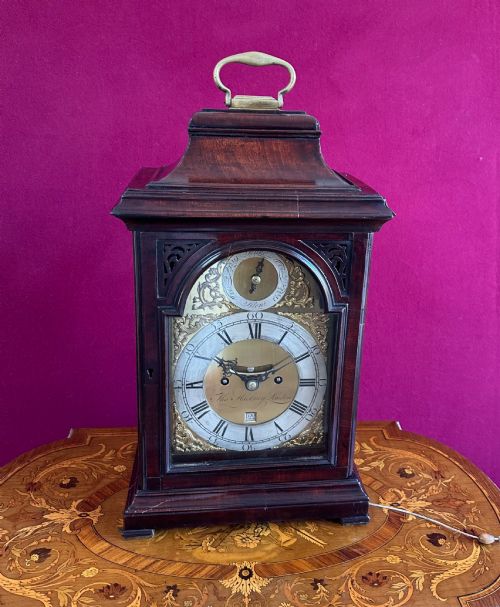

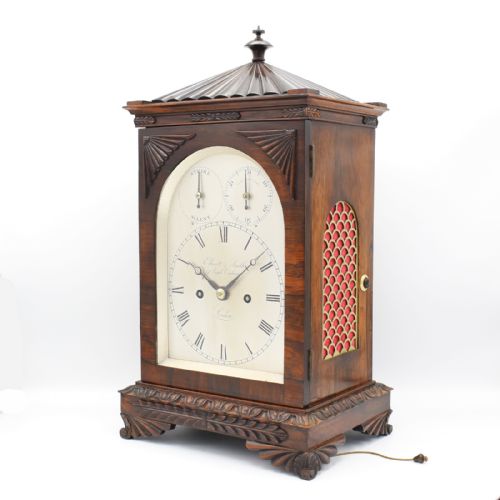
Brass Striking Mantel Clock
A brass striking mantel clock brings together mechanical precision and heavy cast metal, offering an audible hour count that anchors a room.
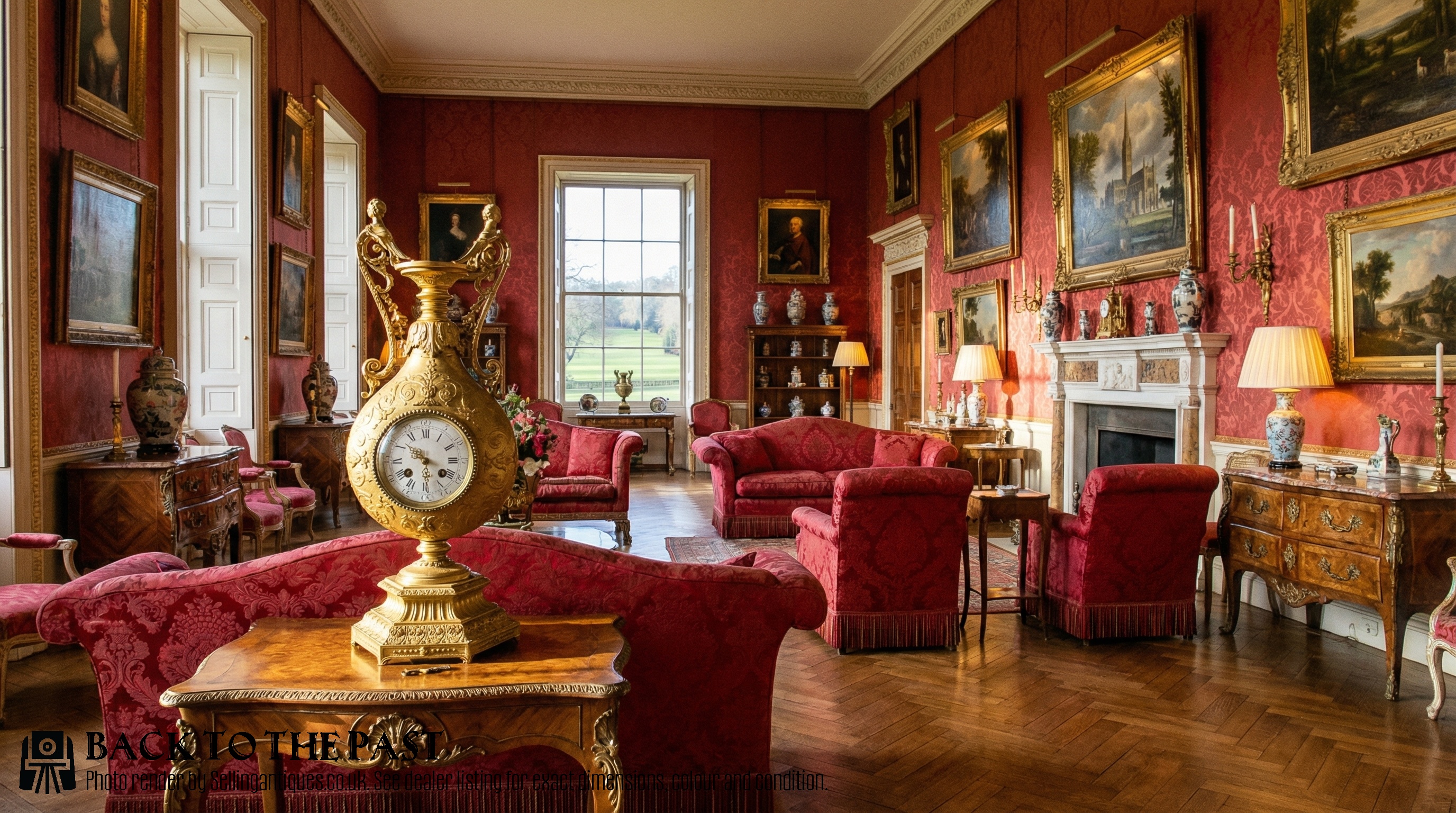
Brass Striking Mantel Clock
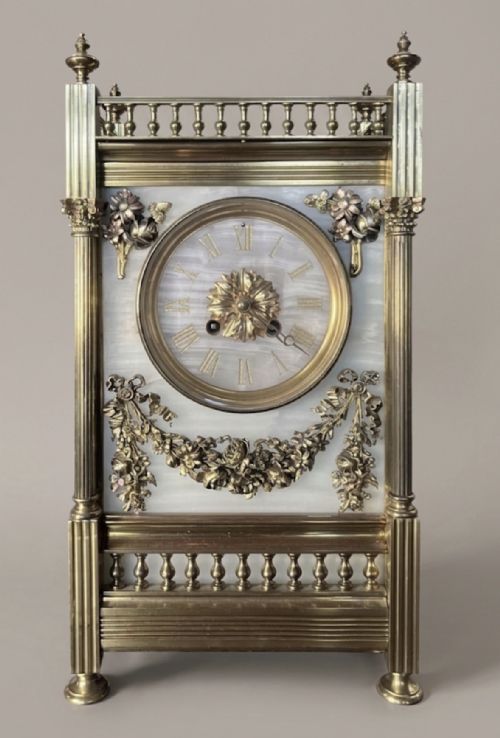
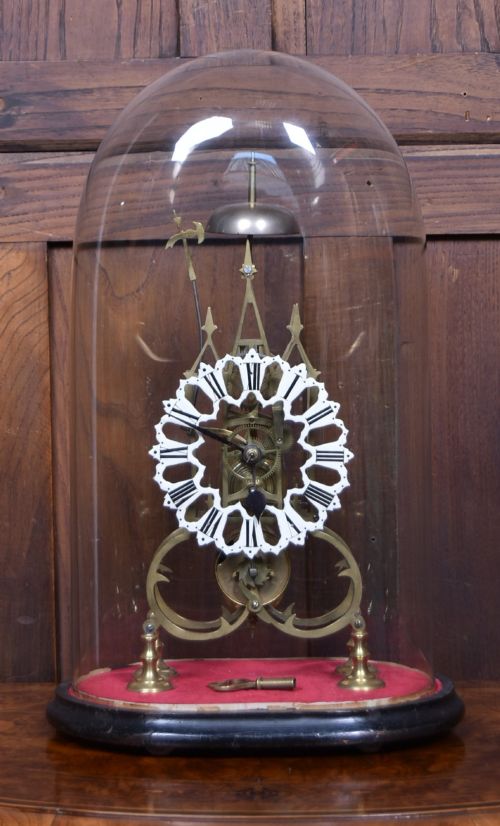
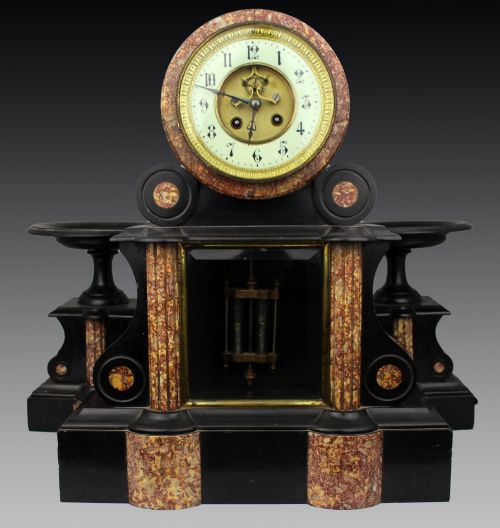
A brass striking mantel clock is a mechanical timepiece designed to sit on a shelf or fireplace surround, engineered to sound the hours and sometimes the quarters using an internal bell or gong. The selection ranges widely across periods, including Georgian, Regency, and Victorian eras, alongside 19th-century French production.
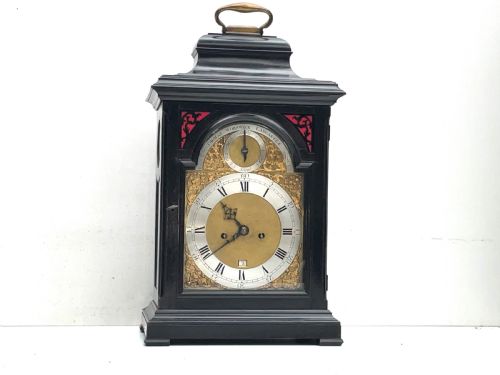
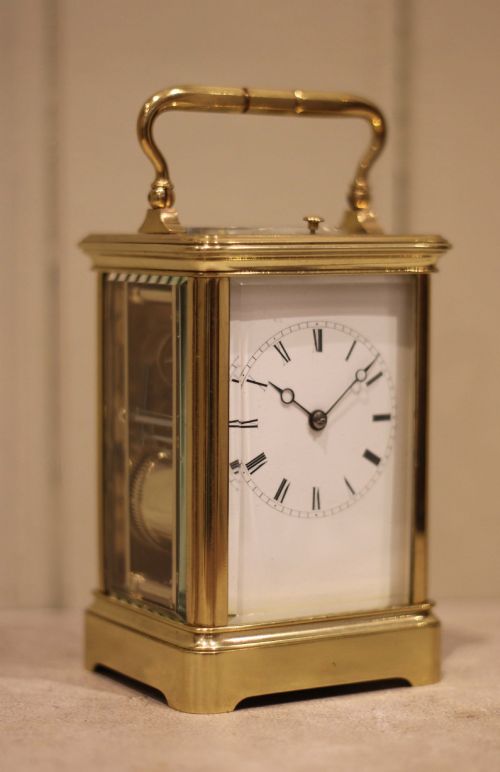
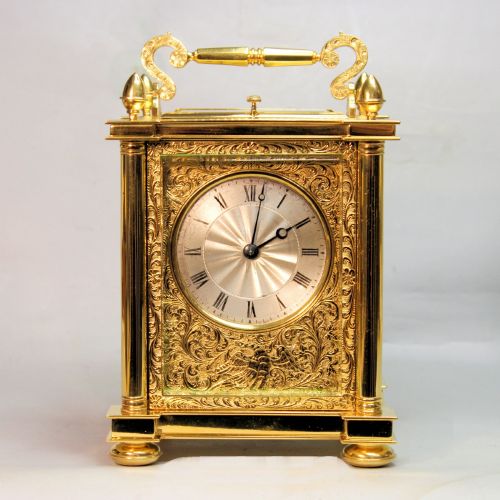
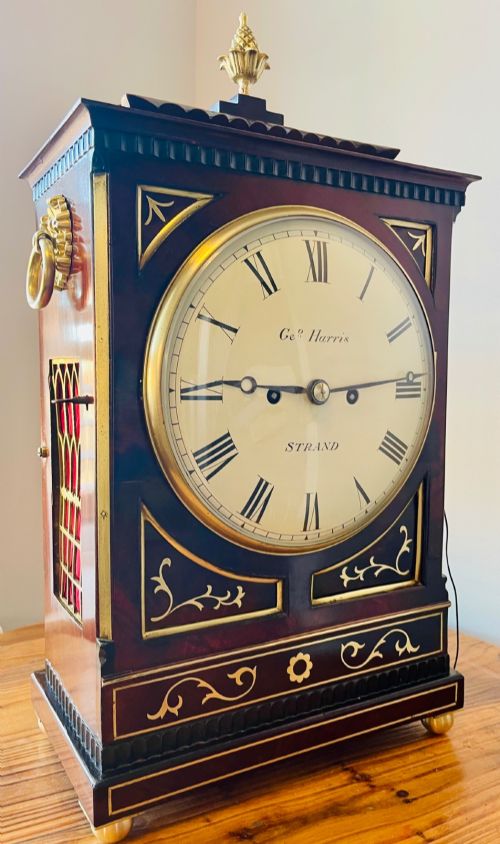
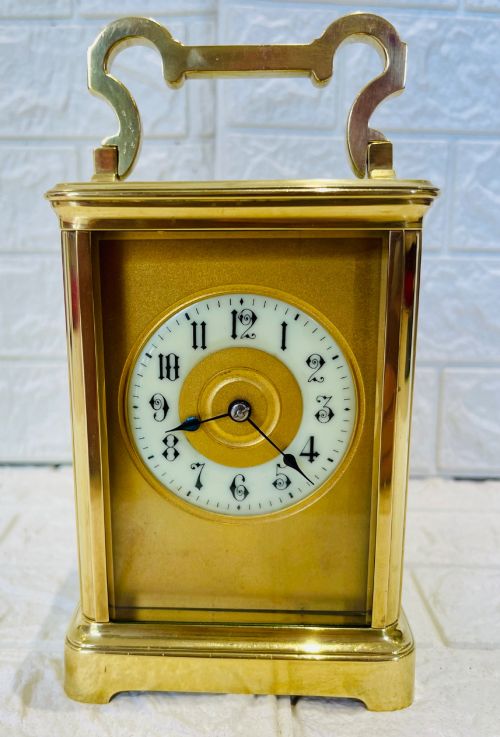
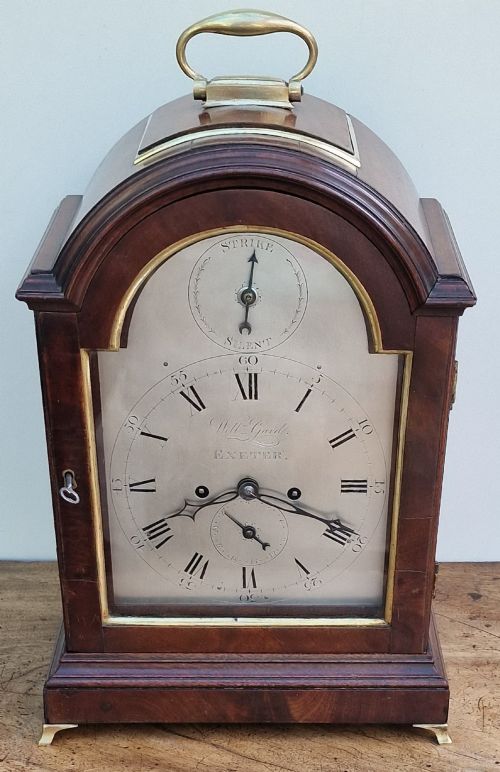
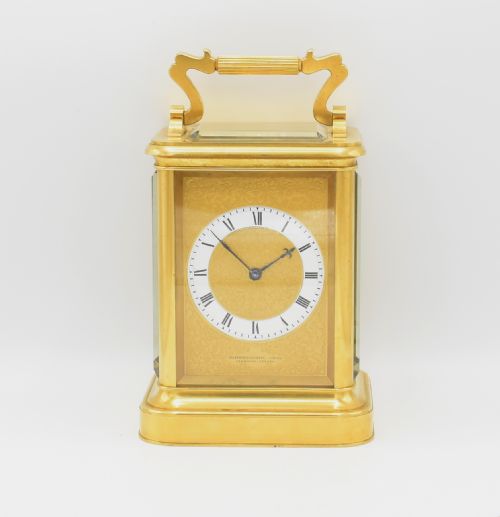
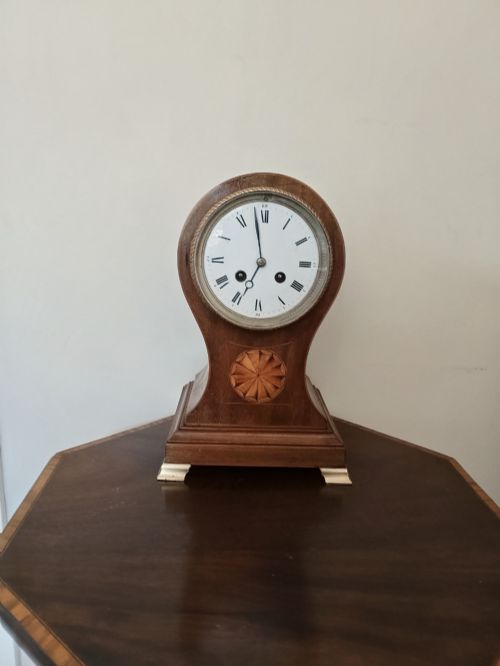
Carriage clocks and bracket clocks form the most common variants encountered within this search phrase. Many specimens incorporate glazed panels, heavy brass frames, and enamel dials alongside wood cases in mahogany, ebonised finishes, or rosewood.
Origin points span English and continental workshops, with French makers producing numerous bell-striking carriage and mantel designs. Pieces date from the 17th century through to the mid-20th century, capturing shifts in domestic horology.
What varies in quality
Quality separates through the crispness of the brass casting, the depth of gilding, and the complexity of the striking mechanism, such as grand sonnerie or quarter-repeating functions. Simpler time-only or half-hour bell strikes contrast with intricate multi-train movements housed in heavy bevelled glass cases.
Case materials and secondary decorative elements dictate distinction, ranging from plain timber boxes to heavily inlaid rosewood, tortoiseshell, and finely painted enamel panels. Maker attribution also shapes standing, with signed plates from recognised London and Paris horologists marking out superior production.
Several clocks include tiny repeating buttons that allowed sleepy owners to check the hour in pitch darkness without lighting a candle.
Cousens & Whiteside·Japy Freres·William Gard·Goldsmiths Alliance Ltd·Mappin & Webb·Barwise London·Ellicott & Smith·T. Martin & Co·Henri Jacot Paris·Schneckenburger·John Witherston·Henry Jones·Des Granges·Paul Garnier·Henry Marc·Wilson And Gill London
The Brass Striking Mantel Clock Glossary
- Fusee
- A conical pulley used in spring-driven clocks to maintain equal power as the mainspring unwinds. This mechanism helps the clock maintain steady timekeeping throughout its run.
- Striking clock
- A timepiece that sounds the hours or fractions automatically on a bell, gong, or wire coil. The mechanism relies on a separate gear train within the movement.
- Carriage clock
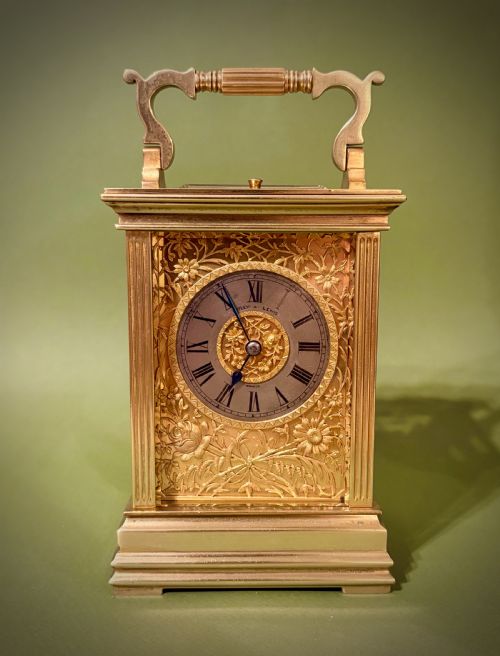
- A small, portable spring-driven clock originally designed for travelling officers and gentry. They typically feature brass frames with glass panels and a folding handle on top.
- Bracket clock
- A portable table clock traditionally placed on a wooden bracket to project sound into a room. Early examples featured wall brackets, while later ones sat directly on furniture.
- Gorge case
- A stepped brass carriage clock case style with a distinctive moulded top framing a carrying handle. It represents a standard housing for fine French movements.
- Verge escapement
- An early type of mechanical escapement controlled by a balance wheel or foliot. It creates the characteristic ticking rhythm in older bracket and table clocks.
Brass Striking Mantel Clock: Frequently Asked Questions
How do I wind a brass striking mantel clock?
Most spring-driven models require a matching winding key inserted into small arbors on the dial face. Turning the key clockwise tensions the internal springs until resistance is felt.
Care must be taken not to overwind the movement, as this can snap the mainspring. Striking trains usually require a separate wind from the time train.
What is a repeating carriage clock?
A repeating mechanism allows the clock to chime the last hour or quarter-hour on demand when a button or pendant is pressed. This feature was useful during the night before electric lighting.
Carriage clocks with this function often include an audible alarm setting alongside the standard hour strike.
How do I tell an English bracket clock from a French carriage clock?
English bracket clocks generally feature wooden cases made from mahogany or ebony with fusee movements designed for table placement. They often display arched brass dials and heavy cast carrying handles.
French carriage clocks use brass and bevelled glass frames with platform escapements, built for portability rather than stationary shelf display.
Why does the clock strike the wrong hour?
Striking trains can fall out of synchronization if the minute hand is moved backwards past the hour or half-hour point. Letting the strike run down independently usually corrects the count.
Allowing the clock to complete its sequence without forced manual interference helps reset the internal rack and snail mechanism.