
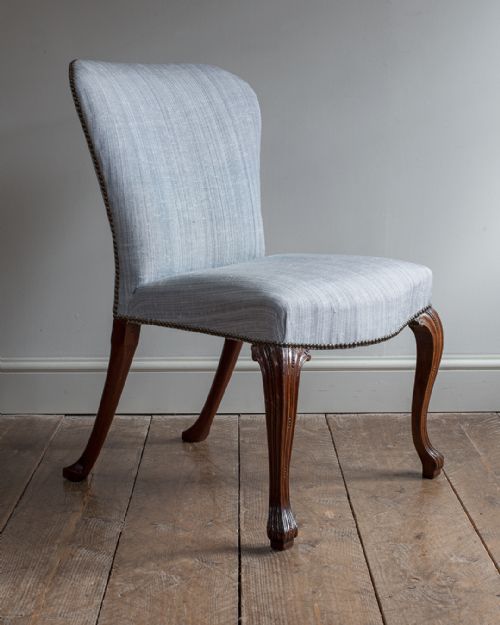

Brass Side Chairs
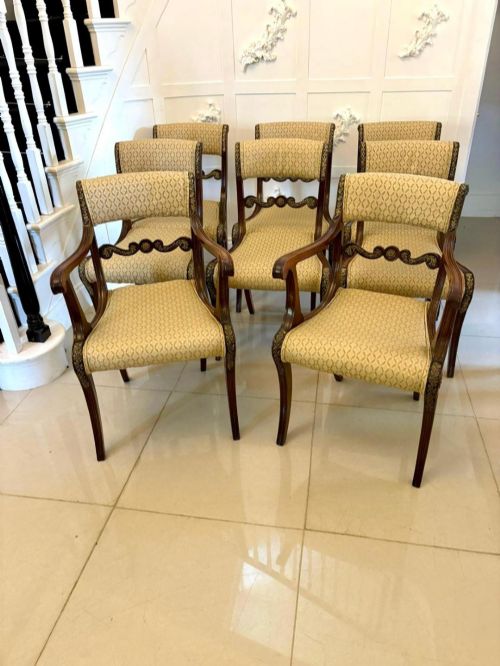
Brass side chairs bring together sturdy timber frames and polished metal inlay, offering an upright seat well suited for dining rooms or parlours.
Brass Side Chairs
Brass side chairs combine timber frameworks with metallic decoration, serving as functional seating without armrests for dining tables or occasional use. The selection spans several distinct eras, notably the Regency and Victorian periods, along with later revivals drawing on earlier design traditions.
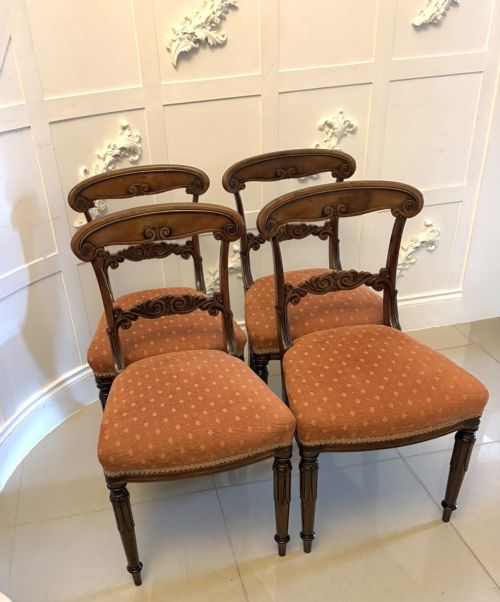
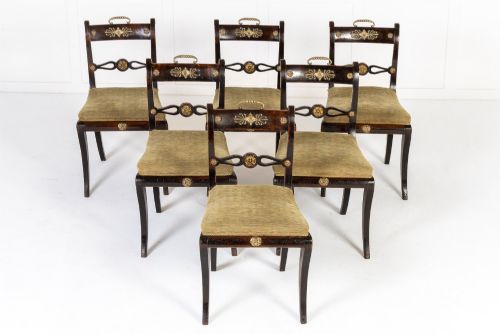
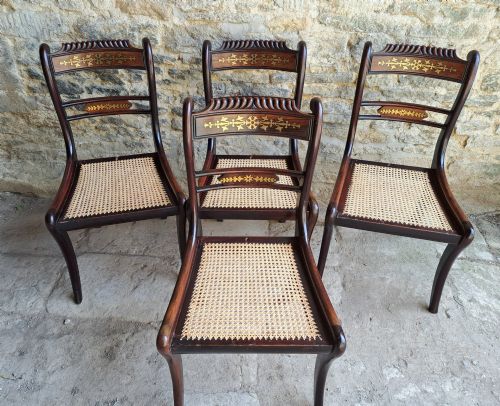
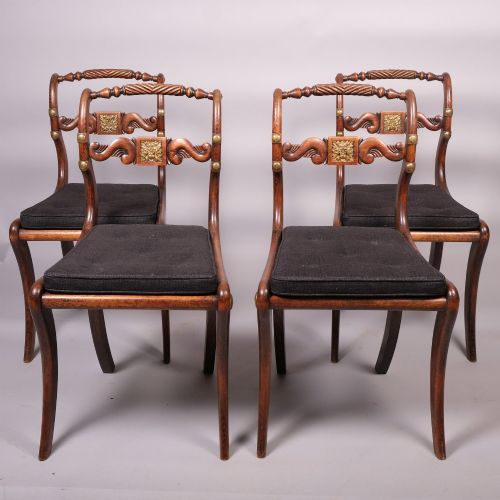
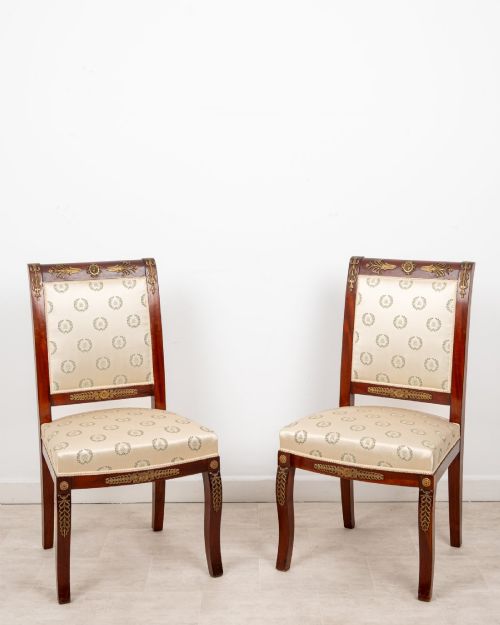
Regency examples often utilise mahogany, rosewood or simulated rosewood paired with precision brass inlay set flush into the wood. Buyers frequently encounter sets or pairs designed for formal dining spaces, showcasing classical proportions and disciplined ornamentation.
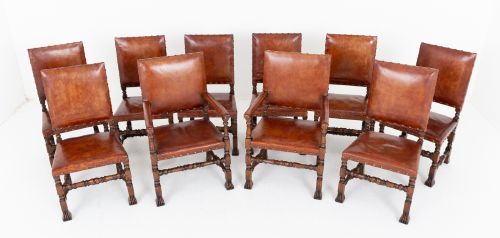
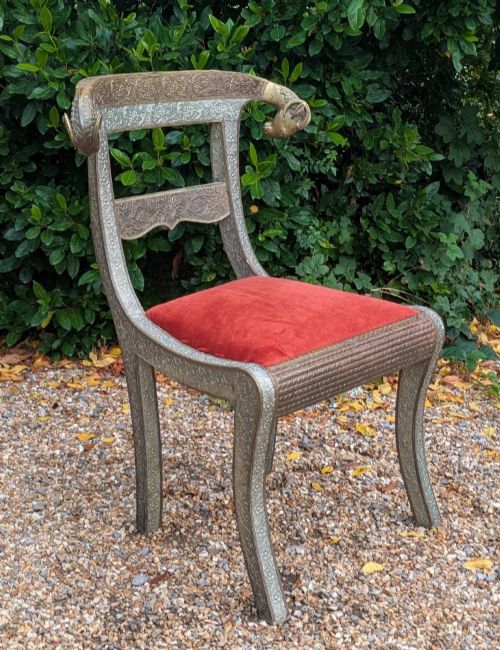
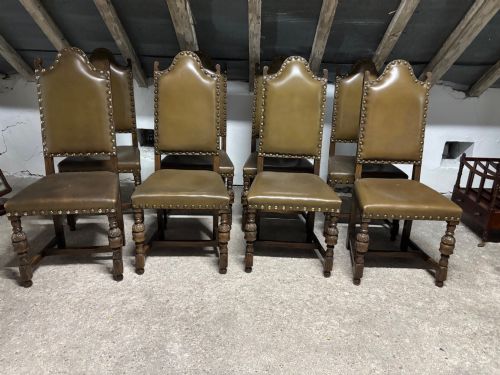
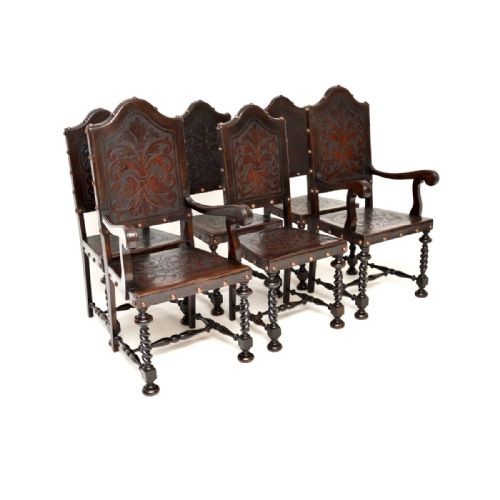
Victorian variations introduce heavier timbers like oak and walnut, occasionally incorporating embossed leather, velvet or fabric upholstery. These pieces lean towards Gothic Revival, Spanish Revival or local craftsmanship, expanding the stylistic range beyond strict classical lines.
How they were made
Cabinetmakers constructed the frames using durable timbers such as mahogany, oak, rosewood and walnut, often shaping the wood through traditional joinery and turning. Simulated rosewood surfaces were painted and grained by hand to imitate exotic hardwoods.
Brass inlay required intricate chiselling of channels into the timber surface to receive thin strips or motifs of the metal, which were then hammered flat and polished. Ormolu mounts and cast brass details provided additional structural and decorative accents on select examples.
The archive records multiple styles including Regency, Gothic Revival, Spanish Revival and Victorian.
What varies in quality
The refinement of the brass inlay distinguishes superior examples, where the metal sits completely flush with the timber and forms crisp, unbroken geometric or floral lines. Poorer work reveals gaps, lifting edges or clumsy hand-cutting in the surrounding wood.
Timber selection and frame integrity dictate the overall grade of the piece, with dense grain and tight joinery enduring centuries of use. Later revivals and matched sets vary according to the fidelity of the period interpretation and the skill of the original workshop.
Howard and Co
The Brass Side Chairs Glossary
- Regency
- A style spanning the early nineteenth century characterised by classical restraint, scrollwork and the use of brass inlay.
- Simulated rosewood
- Painted graining on a cheaper wood base designed to imitate the appearance of genuine tropical rosewood.
- Bergere
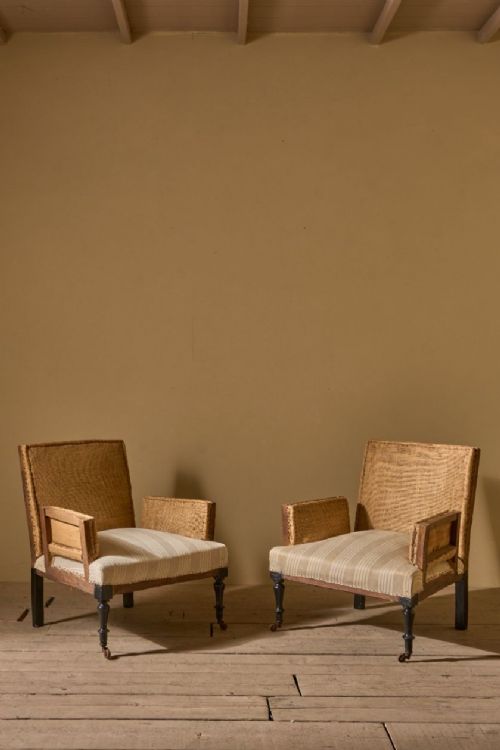
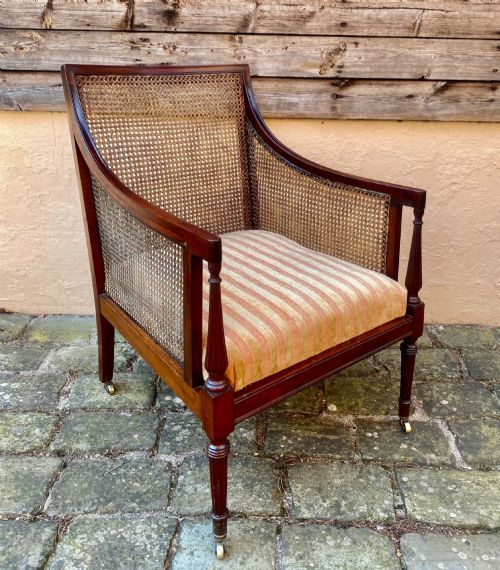
- An enclosed upholstered armchair with exposed wooden framing, frequently incorporating woven cane panels.
- Ormolu
- Gilded bronze or brass applied as a decorative mount or fitting to furniture frameworks.
- Harp side chair
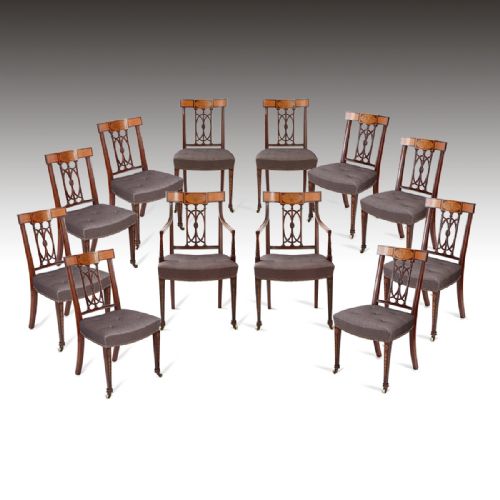
- A chair design featuring a splat shaped like the frame of a classical harp.
Brass Side Chairs: Frequently Asked Questions
What defines a brass side chair?
A brass side chair is an armless seat constructed from timber and embellished with brass inlay, mounts or decorative fittings. These chairs were traditionally produced as part of larger dining sets or for use around the edges of a formal room.
Craftsmen integrated the metal directly into the wooden framework, ranging from simple geometric stringing to elaborate classical motifs. The combination of warm wood tones and bright metal creates a distinct visual contrast typical of formal nineteenth-century interiors.
Were these chairs used for dining?
Many examples on record were built specifically as dining chairs, often surviving today in matched sets of four, six, eight or more. Their upright proportions and armless profiles allowed them to sit neatly beneath dining tables.
Other variations served as salon, hall or occasional seating, positioned against walls until needed. The inclusion of sturdy timbers ensured they could withstand daily domestic use.
How do I date a Regency chair?
Dating relies on timber choice, construction methods and stylistic markers such as sabre legs, brass stringing and classical back splats. Genuine Regency examples date from the early nineteenth century and show specific hand-tooling on the underside and joints.
Later revivals from the Edwardian period or mid-nineteenth century often imitate these lines but use machine-cut elements or different secondary woods. Examining the depth of the patination and the integration of the brass inlay helps clarify the period of manufacture.
How should I care for brass inlay?
Maintenance involves dusting with a soft, dry cloth and applying appropriate wax to nourish the surrounding timber without abrading the metal. Avoiding excessive moisture prevents the wood from swelling and loosening the brass channels.
Polishing the brass should be done sparingly and carefully to avoid staining the adjacent wood grain. Gentle cleaning preserves both the metal brightness and the historical patina of the timber.