


Ornate Metal Dining Chairs
Ornate metal dining chairs bring robust character and industrial weight to a room, offering enduring iron and brass forms for interior and garden settings.
Ornate Metal Dining Chairs
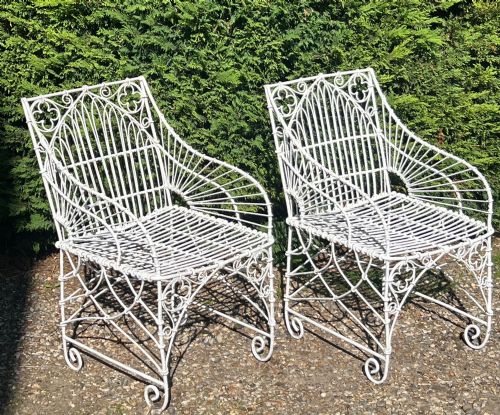
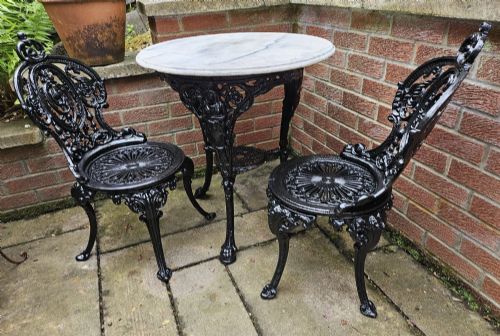
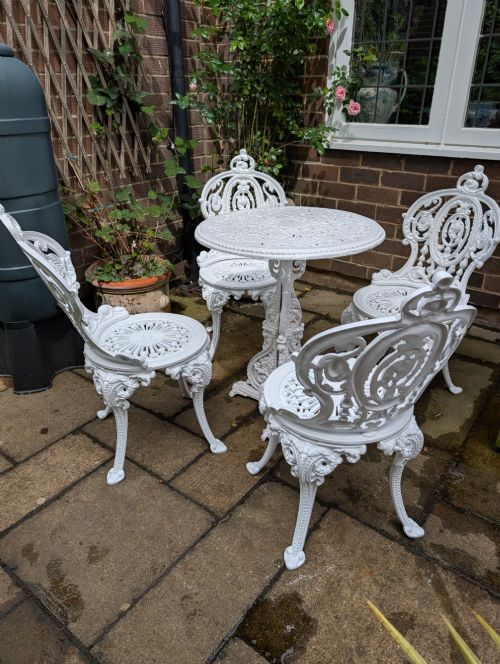
When you search for ornate metal dining chairs, you encounter heavy seating built from cast iron, wrought iron, and solid brass. These pieces range from garden chairs and bistro sets to side chairs and occasional chairs.
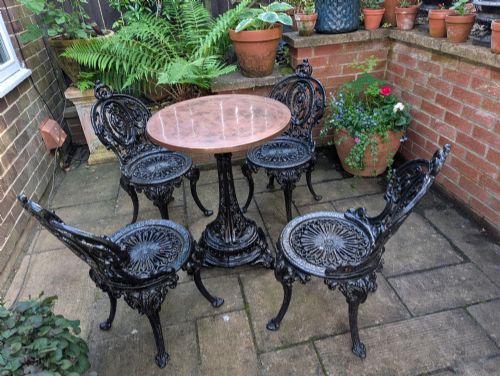
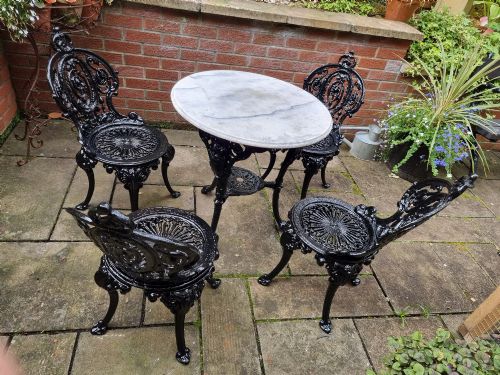
The selections span the nineteenth century, Victorian era, and early twentieth century, including years such as 1900, 1910, and 1930. You will frequently find matching sets of four chairs, occasionally accompanied by tables featuring marble or granite tops.
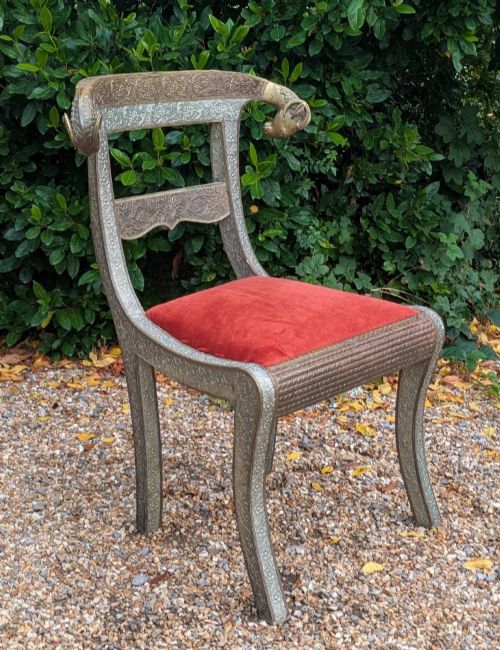
Stylistic influences vary widely across these items, taking in Victorian designs, Gothic Revival patterns, Hollywood Regency aesthetics, and Anglo-Indian details like ram heads. Such variety means you might place a pair of solid brass side chairs indoors or set heavy cast-iron garden furniture outside.
How they were made
Makers utilised heavy casting techniques to form durable iron frames, pouring molten metal into intricate moulds to create openwork backs and decorative scroll patterns. This foundational casting method allowed for both sturdy garden sets and elaborate indoor seating.
Brass items relied on solid metal construction, polished to a bright finish or shaped into distinct profiles. Artisans also incorporated painted surfaces, fabric pads, and sheet metal elements such as silver metal sheets to add contrast and texture.
Table combinations often integrated stone surfaces, mounting marble or granite tops directly onto robust iron bases. This combination of heavy metalwork and stone provided the stability required for both dining rooms and outdoor garden terraces.
The object forms on this page range from garden dining sets and bistro tables to individual occasional chairs and solid brass side chairs.
What varies in quality
The definition of quality in these metal chairs rests upon the crispness of the original casting and the weight of the metal utilised. Finer examples display sharp relief in decorative motifs like Gothic arches or animal heads, whereas simpler pieces show softer edges from worn moulds.
Completeness of sets also alters the character of the piece, as matching groups of four chairs hold a different utility compared to isolated pairs or single occasional chairs. The presence of integrated elements, such as stone tops on matching tables, elevates the scope of the grouping.
The Ornate Metal Dining Chairs Glossary
- Cast iron
- A strong, heavy alloy poured into moulds to create rigid furniture frames with detailed ornamentation. It forms the primary material for the nineteenth-century garden sets found here.
- Gothic Revival
- A nineteenth-century style drawing on medieval architectural motifs such as pointed arches and quatrefoils. This aesthetic appears frequently on iron garden chair backs.
- Bistro set
- A small table paired with matching chairs, designed originally for compact dining spaces. Marble and granite tops often distinguish the finer examples.
- Occasional chair
- A movable seat used primarily for supplementary seating rather than daily dining. These pieces often showcase more decorative brass or silver metal sheet work.
- Hollywood Regency
- A style characterised by theatrical opulence and decorative metal forms. It represents one of the distinct design streams visible within these metal seating options.
Ornate Metal Dining Chairs: Frequently Asked Questions
Can iron garden chairs stay outside?
Cast and wrought iron pieces tolerate outdoor placement well due to their heavy metal construction and painted protective layers. Many examples survive from the nineteenth and early twentieth centuries precisely because of this durable nature.
However, prolonged exposure to moisture can affect painted surfaces and encourage oxidation. Placing them on sheltered patio stones or bringing them inside during harsh winter months helps preserve the finish.
Are these chairs comfortable for dining?
Metal dining chairs offer rigid support rather than cushioned sink-in comfort, making them sturdy and reliable for seated meals. Many owners add loose fabric pads or cushions to soften the iron or brass seat base during long dinner parties.
The substantial weight of cast iron and brass also ensures the chairs stay firmly in place when pulled out from a table. This stability makes them practical for both daily dining and occasional use.
How do I date a cast iron chair?
Dating cast iron furniture involves examining the manufacturing technique, style markers, and registration marks if present. Pieces from the Victorian era and mid-nineteenth century often display heavier casting and distinct Gothic or classical revival motifs.
Later pieces from the early twentieth century, such as those from 1910 or 1930, may incorporate cleaner lines or different stylistic fusions like Hollywood Regency. Comparing the decorative details to documented catalogue designs helps narrow down the production period.