

Brass Desk Chairs
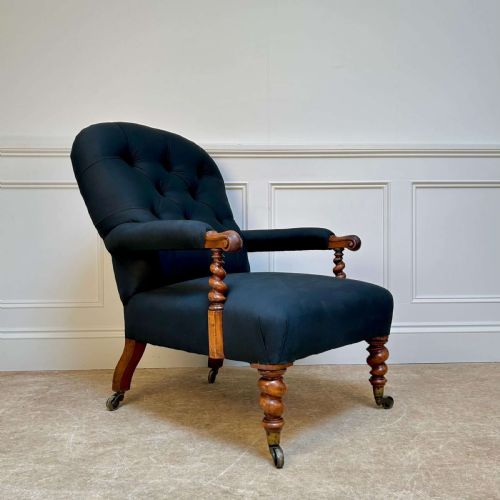
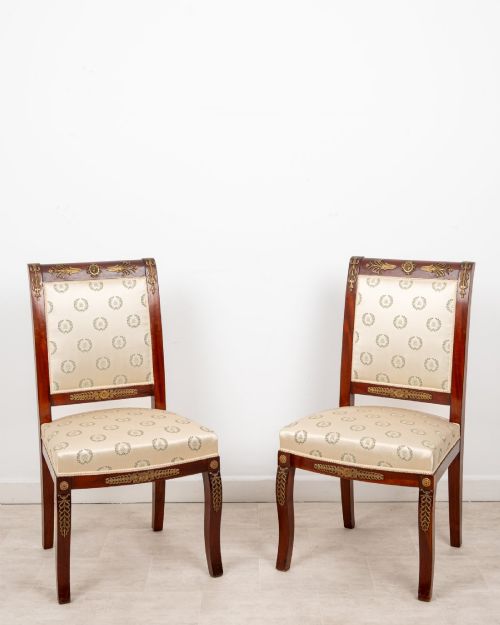
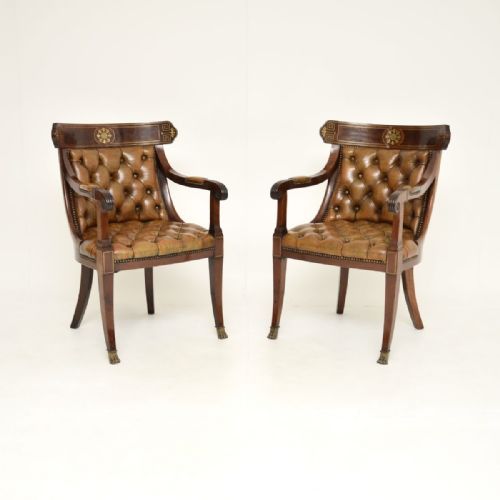
Brass desk chairs bring together sturdy timber frames, supple leather and gleaming metal highlights to create a practical workspace seating option.
Brass Desk Chairs
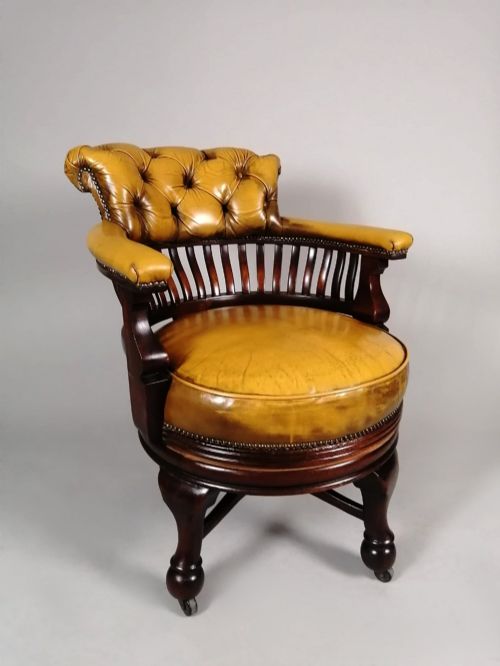
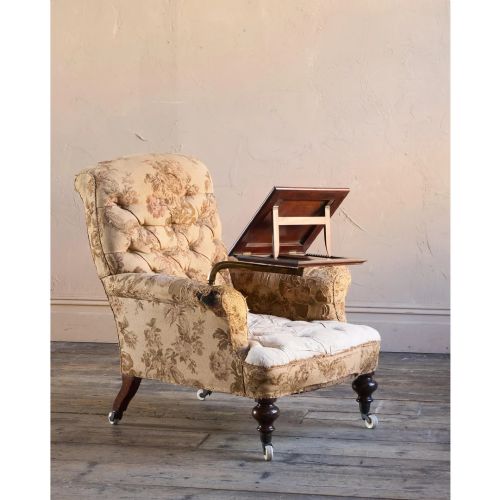
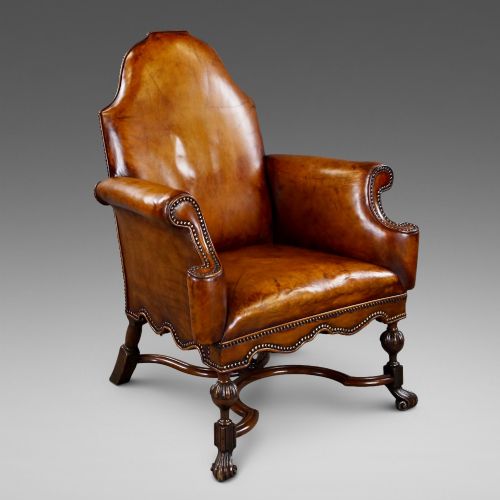
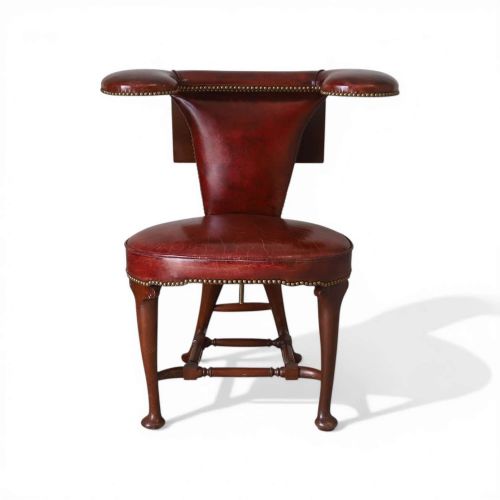
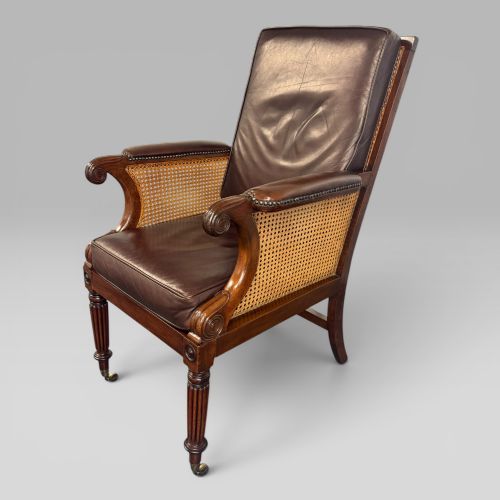
Brass desk chairs encompass library armchairs, captain's chairs and revolving office seats designed for study and writing tasks. These seating pieces emerge from periods spanning the Georgian era through to the twentieth century, reflecting shifting tastes in domestic and commercial interiors.
The materials visible across these listings combine structural hardwoods such as mahogany, oak and walnut with padded leather or fabric seats. Many examples incorporate brass through cast mounts, structural rods, inlaid stringing or polished frames.
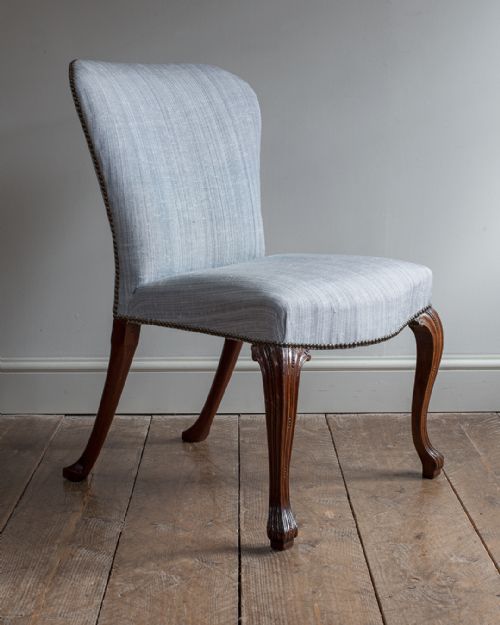
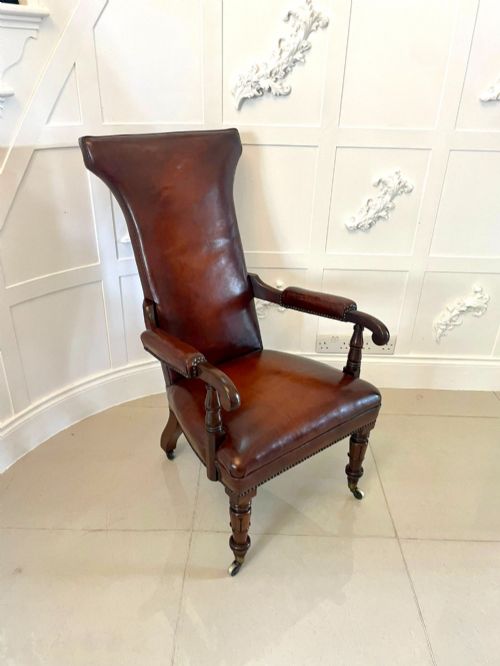
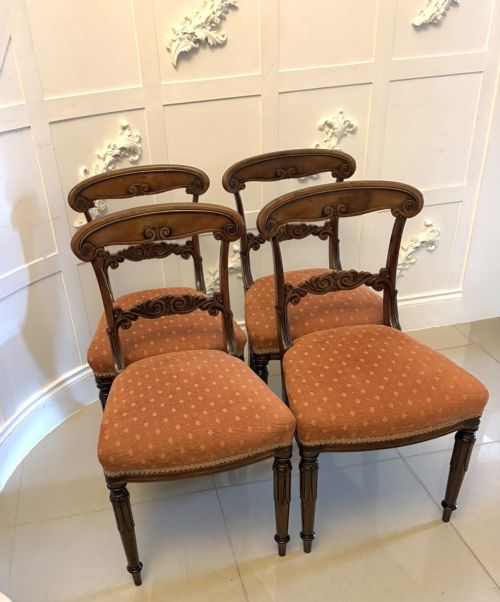
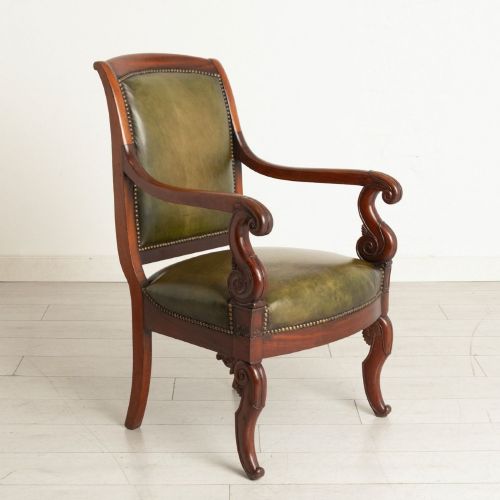
The predominant forms found on this page lean heavily toward Regency, Georgian and Victorian designs. Buyers encounter sturdy elbow chairs and reading chairs alongside revolving office models intended for daily administrative work.
Distinguishing quality factors
The standard of timber selection and joinery marks the difference between basic utility seating and fine cabinet work. Well-made examples display precise dovetails, tight joints and carefully matched wood veneers.
The integration of brass elements reveals workshop competence, from finely hand-chiselled ormolu mounts to crisp brass inlay set flush into mahogany surfaces. Inferior pieces rely on stamped sheet metal or glued surface decoration.
Upholstery execution and leather selection dictate comfort and longevity. Top-tier pieces feature hand-dyed leather, traditional horsehair stuffing and disciplined buttoning rather than modern foam and staples.
Listings feature brass accents combined with mahogany, oak, walnut and cane across Georgian, Regency and Victorian periods.
Hindley & Sons·Gillows·Howard & Co
The Brass Desk Chairs Glossary
- Bergere
- An enclosed upholstered armchair with a wooden frame, often featuring cane panels on the back and sides. This French-inspired form appeared frequently in Regency libraries.
- Gainsborough chair
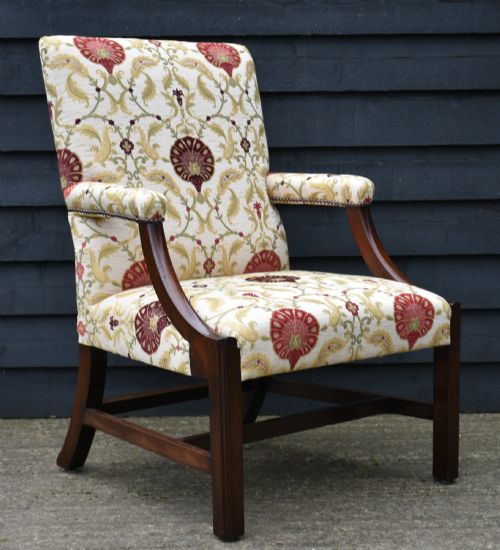
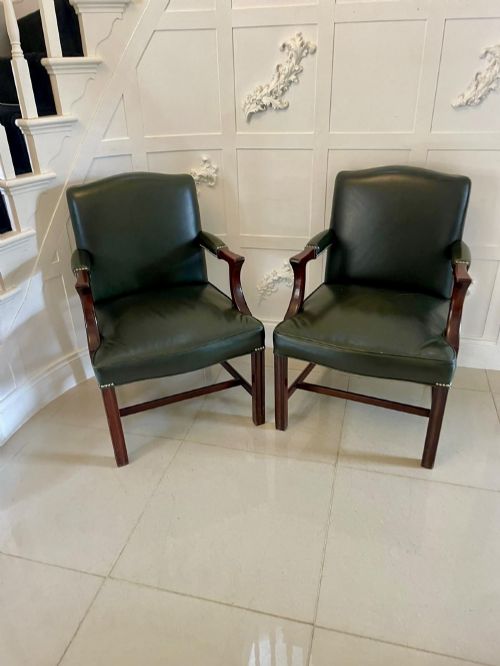
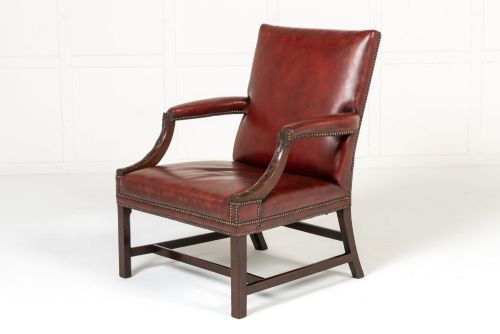
- A wide, open-armed easy chair with a padded back and seat, standing on short legs. Eighteenth-century versions often served as library or desk seating.
- Ormolu
- Gilded bronze or brass applied as decorative mounts to furniture frames. It adds metallic contrast to dark mahogany or rosewood surfaces.
- Reeded
- A decorative moulding formed of parallel convex strips resembling bundled reeds. Cabinet makers carved this detail onto chair legs and arm supports.
- Elbow chair
- A seating piece fitted with short armrests designed to support the arms while reading or writing. These chairs typically match larger dining or library suites.
Brass Desk Chairs: Frequently Asked Questions
How do I identify a genuine period brass desk chair?
Examine the construction methods visible beneath the seat and around the joints. Hand-cut fixings, timber shrinkage and traditional hand-stitching indicate genuine age.
Compare the brass components against known period examples. Authentic pieces show patination on the metal and integration into the wooden frame rather than modern retrofitting.
Are these chairs suitable for daily computer work?
Many historical desk chairs offer sturdy support and comfortable upholstered seating for regular tasks. Models featuring revolving mechanisms and adjustable heights provide modern ergonomic convenience.
Consider the seat height and arm clearance relative to your modern desk. Some antique reading and library chairs sit lower than contemporary office furniture.
How should I care for the leather and brass?
Apply a suitable leather conditioner periodically to keep the material supple and prevent cracking. Avoid placing leather seating in direct sunlight.
Clean brass elements gently with a soft cloth to preserve the natural aged patina. Avoid harsh chemical polishes that strip historical surface character.
What is the difference between a library chair and a captain's chair?
Library chairs generally feature expansive upholstered arms and wide proportions designed for long periods of reading. They often incorporate writing stands or book rests.
Captain's chairs typically feature a curved, continuous mid-height backrest supported by vertical spindles. They are traditionally compact and built for swivel desk use.