

Brass Accent Chairs
Brass accent chairs combine sturdy timber frames with metal mounts and polished salon seating.
Brass Accent Chairs
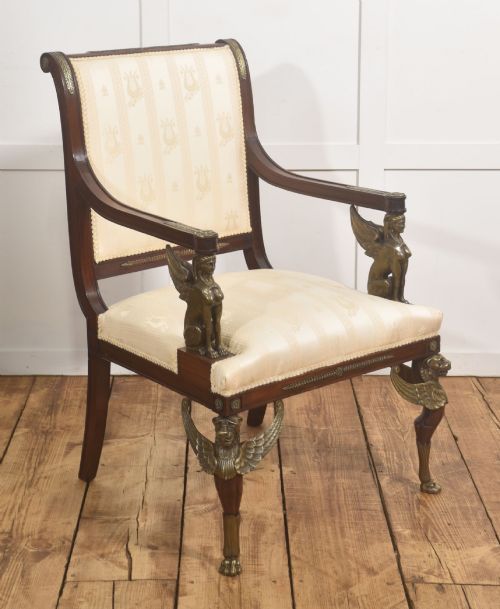
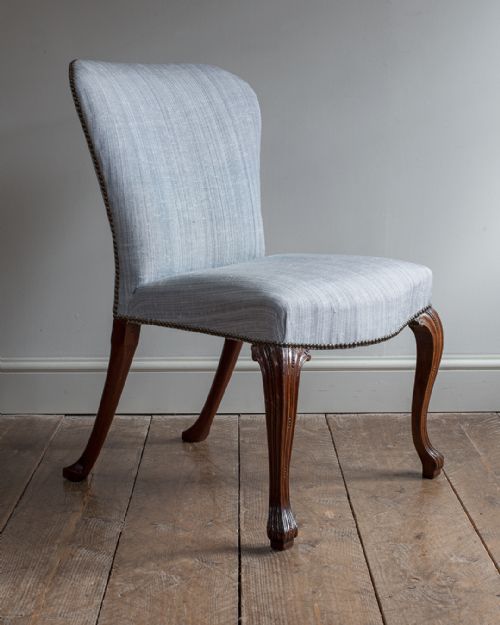
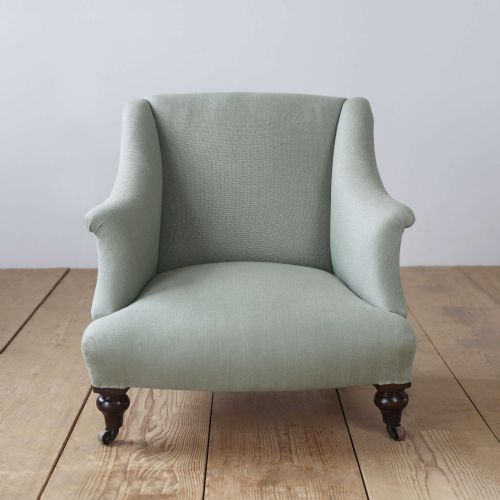
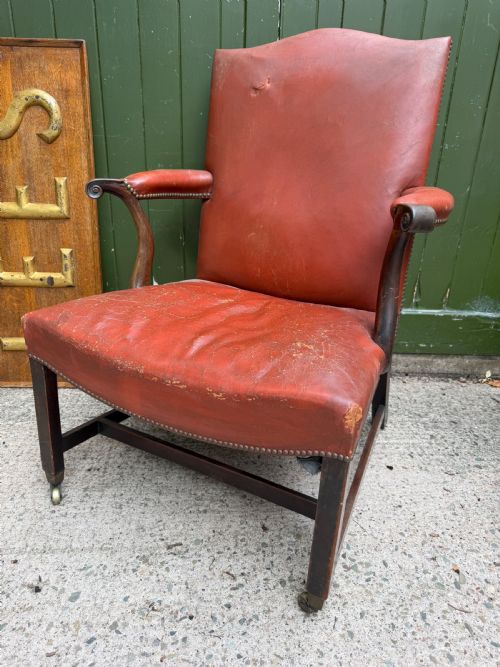
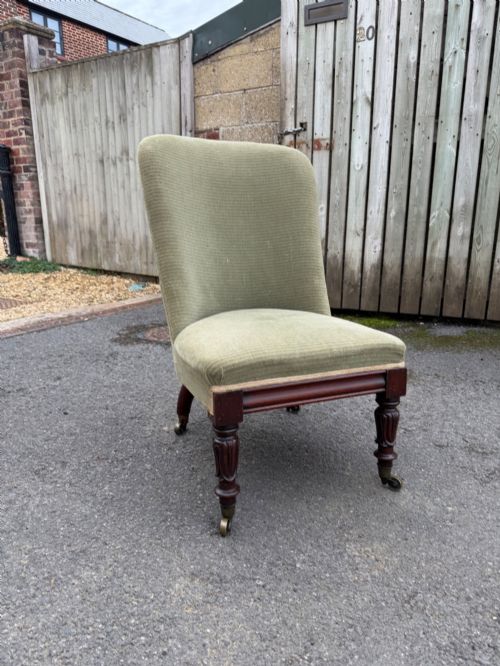
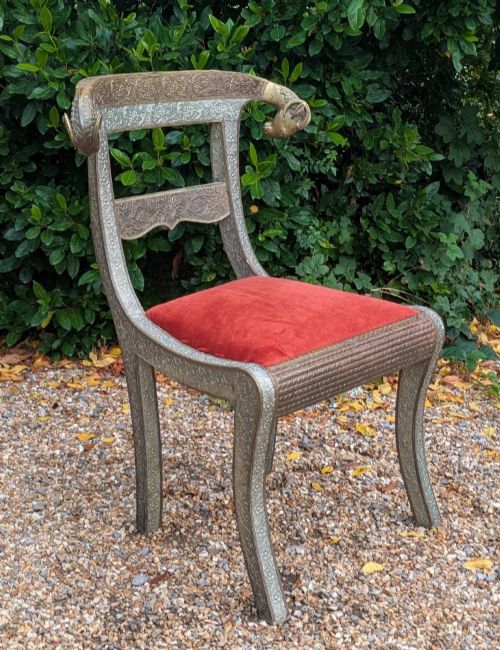
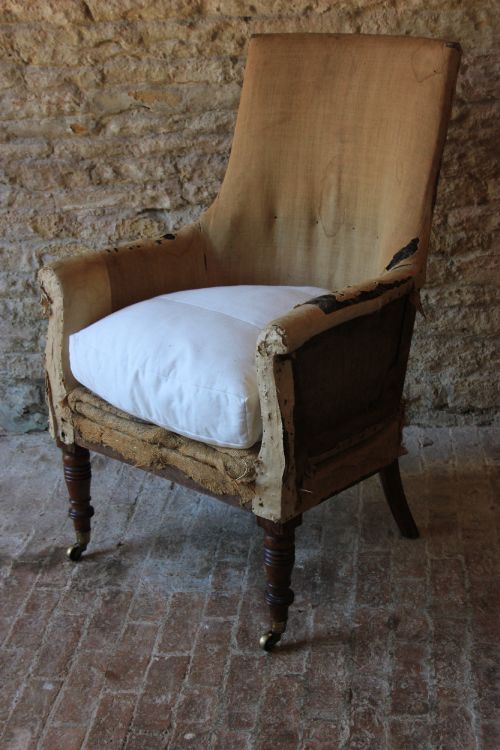
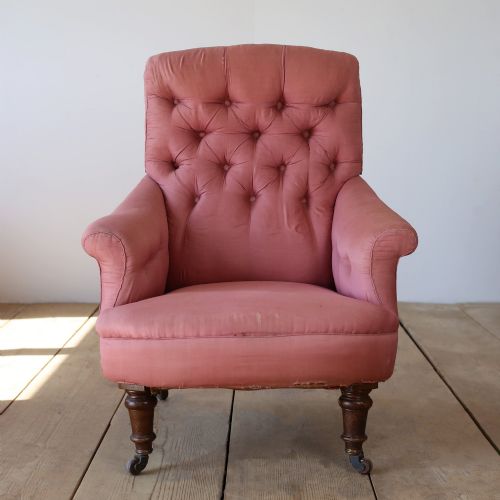
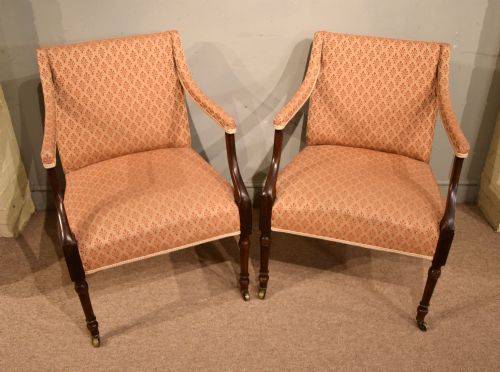
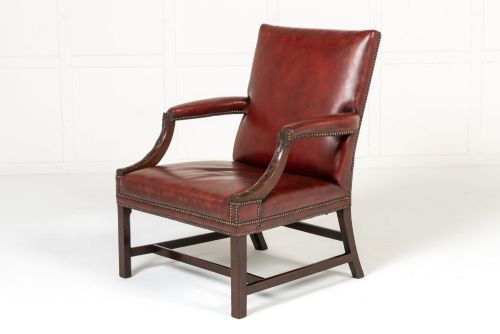
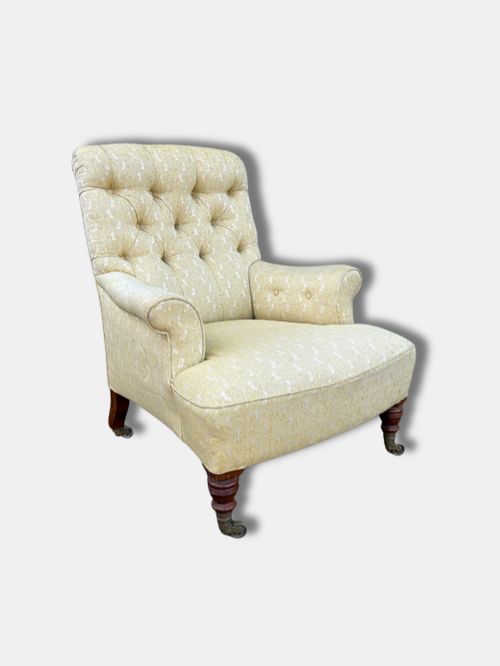
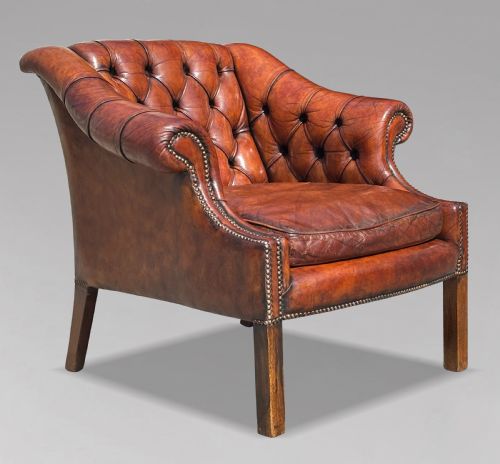
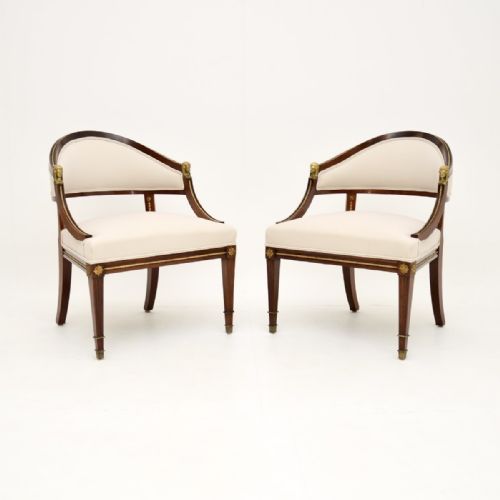
When you search for brass accent chairs, you encounter seating constructed across several centuries, primarily featuring mahogany, walnut, and oak frameworks paired with metal details. The selection spans distinct eras such as the Georgian, Victorian, and Edwardian periods, alongside styles like Regency, French Empire, and Art Deco. These pieces function as occasional chairs, armchairs, and side chairs designed to introduce metallic highlights to domestic interiors.
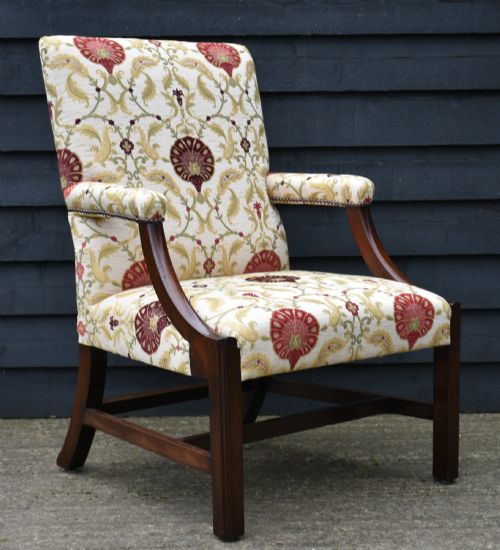
The most common examples on this page integrate brass fittings into wooden frames, ranging from polished salon chairs to library armchairs upholstered in leather, fabric, or velvet. Makers utilise structural woods like hardwood alongside decorative textiles, creating seating that balances functional support with ornamental metalwork. You will also discover occasional and bedroom chairs alongside grander library forms originating from English, French, and Anglo-Indian workshops.
Materials and construction
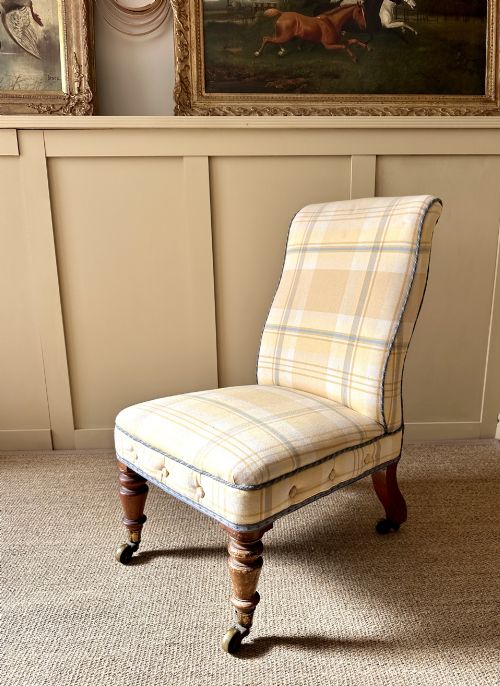
Makers construct the primary frames of these chairs using dense timbers such as mahogany, walnut, oak, and satinwood, often shaping the wood into scroll arms, cabriole legs, or barley twist supports. Upholstery techniques involve button backing, needlepoint panels, and fabric or leather coverings fixed over webbed or sprung bases.
Metal elements take the form of castors, ormolu mounts, or polished brass frames, screwed or fitted directly into the wood to accent the structural lines. Artisans combine these metal details with textiles like velvet, leather, and woven fabrics to complete the seating surface.
Object types include armchairs, side chairs, slipper chairs, dining chairs, occasional chairs, hall chairs, and specific library models.
Evaluating quality and execution
Quality rests in the crispness of the timber carving and the precision with which metal mounts are fitted to the wooden frame. Superior examples demonstrate harmonious proportions between the timber structure and the brass elements, avoiding heavy-handed additions or mismatched components.
The integrity of the underlying joinery and the authenticity of the period textiles or leather dictate the standing of a piece. Finer seating retains its original structural rigidity, complemented by metalwork that shows careful finishing rather than crude casting.
Howard and Sons·Hampton & sons pall mall·Hindley & Sons·Gillows·Miles & Edward’s
The Brass Accent Chairs Glossary
- Ormolu
- Gilded bronze or brass applied as a decorative mount to furniture frames. It provides a bright metallic contrast against dark timbers like mahogany.
- Bergère
- An enclosed upholstered armchair with wooden show frames. This style frequently incorporates cane panels or tight upholstery.
- Fauteuil
- An open-arm armchair with an exposed wooden frame originating in France. The arms typically feature upholstered pads.
- Barley twist
- A turning technique resembling a twisted rope applied to furniture legs and supports. It appears frequently on Victorian seating.
Brass Accent Chairs: Frequently Asked Questions
What periods do these chairs represent?
The listings span multiple eras, including Georgian, Regency, Victorian, Edwardian, and the 1920s to 1930s. Each era brings distinct aesthetic preferences, from Georgian mahogany frames to Victorian button-backed upholstery and later decorative variations.
Craftsmanship shifted over these centuries, moving from the refined lines of the early nineteenth century toward more eclectic revival styles and twentieth-century salon seating.
How do I identify different chair styles?
Styles are recognised through specific structural traits, such as French Empire or Rococo Revival curves, alongside the presence of ormolu mounts or brass castors. Examining the wood type, leg shape, and arm design helps clarify the era.
Looking closely at upholstery methods, such as button backing or needlepoint panels, also guides correct attribution.
What materials were used?
Frames rely on hardwoods including mahogany, walnut, oak, and satinwood, paired with brass fittings, castors, and ormolu mounts. Seating surfaces utilise leather, velvet, fabric, and textile covers.
Combinations vary from entirely wooden structures with metal accents to upholstered library and salon chairs supported on brass legs.
How were these chairs used?
They served as functional seating in libraries, bedrooms, dining rooms, and formal salons. Different forms, such as side chairs, armchairs, and occasional chairs, fulfilled specific domestic roles.
Grand library chairs provided comfort for reading, while smaller bedroom and salon chairs offered movable seating for guests.
How do I care for antique brass furniture?
Maintain the timber frames using appropriate wood waxes and clean the brass elements gently to preserve their finish. Avoid harsh chemical cleaners that might damage surrounding textiles or leather.
Keep the seating away from direct heat sources and strong sunlight to protect the wood, metal, and upholstery over time.