



Brass Regulator Clock
A brass regulator clock keeps precision time, and collectors seek these accurate pendulum timepieces for their elegant brass movements and glazed wooden or metal cases.
Brass Regulator Clock
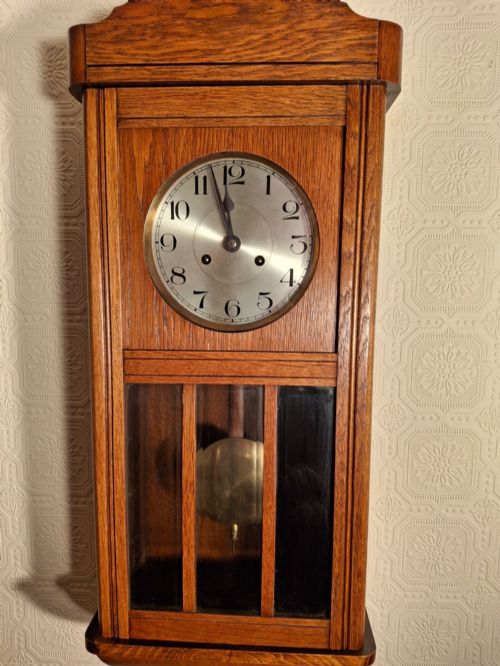
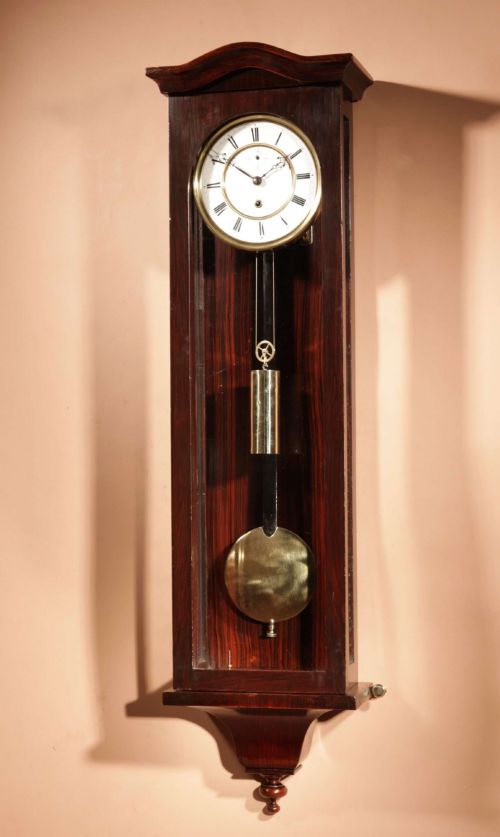
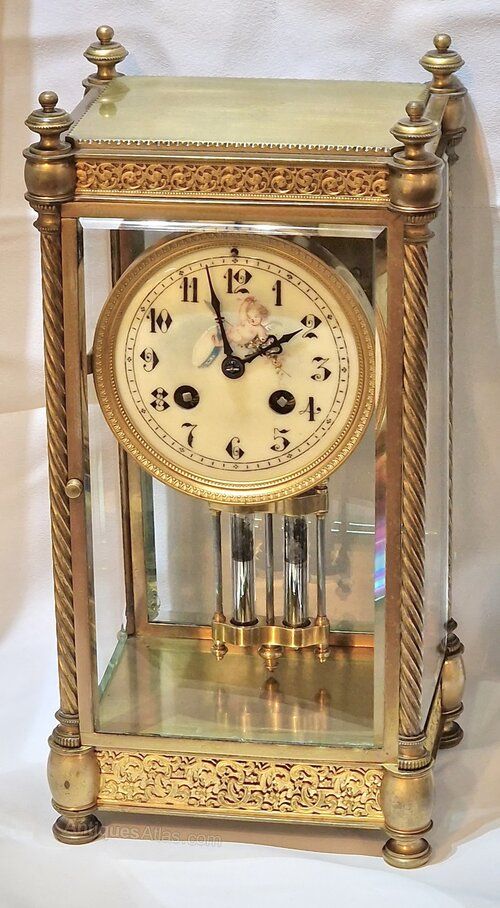
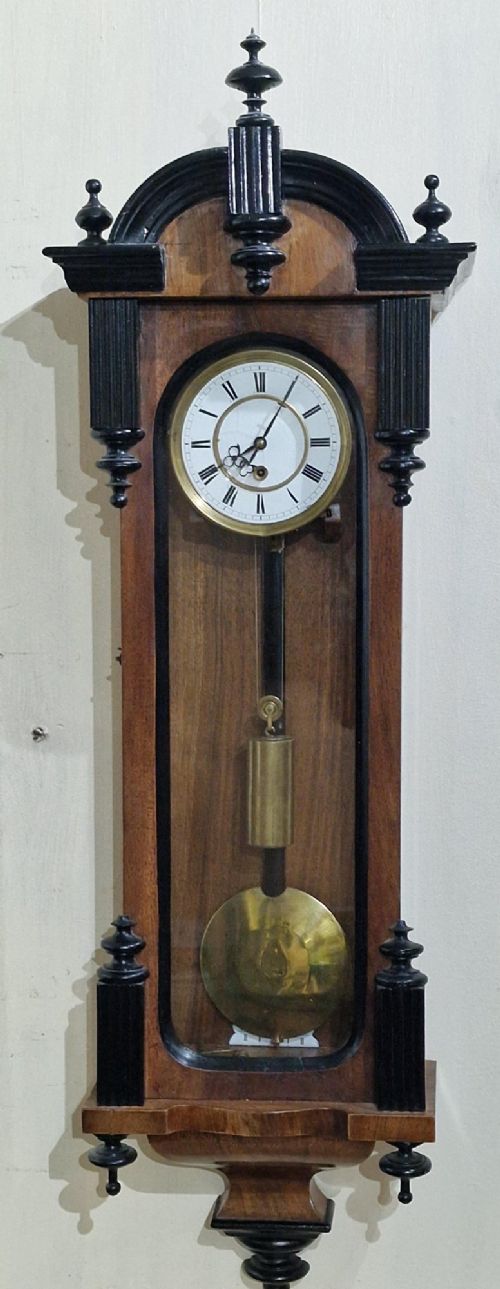
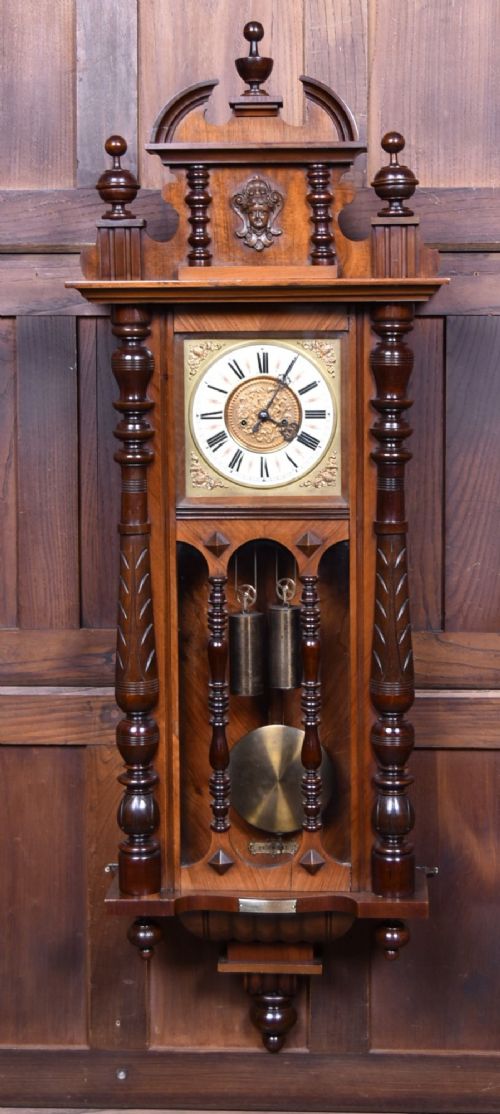
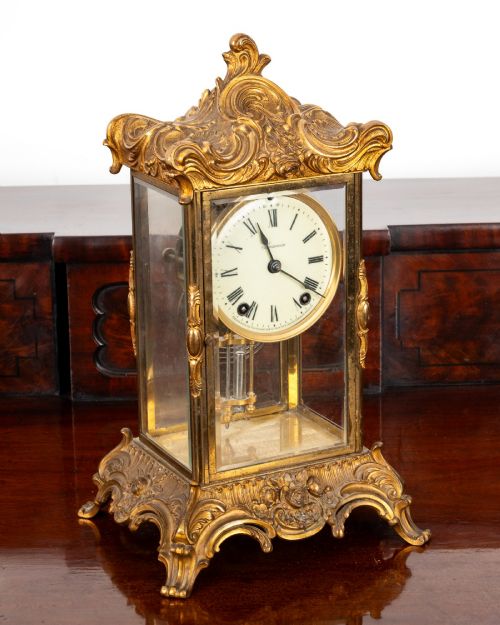
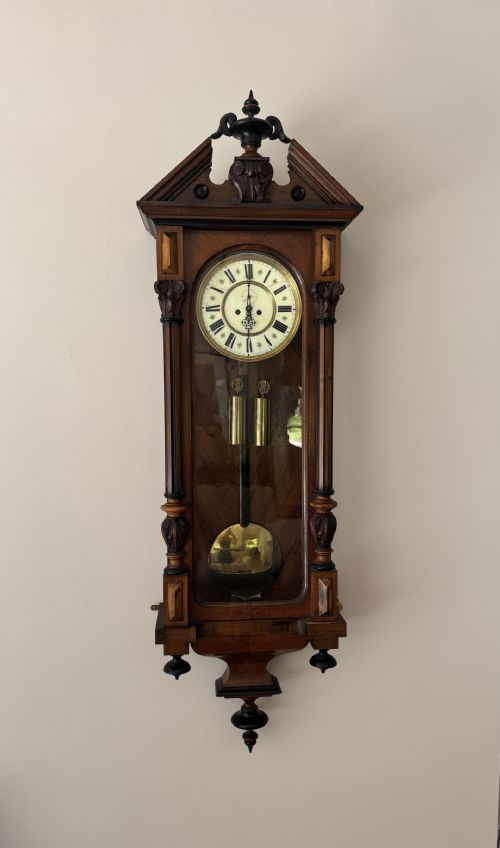
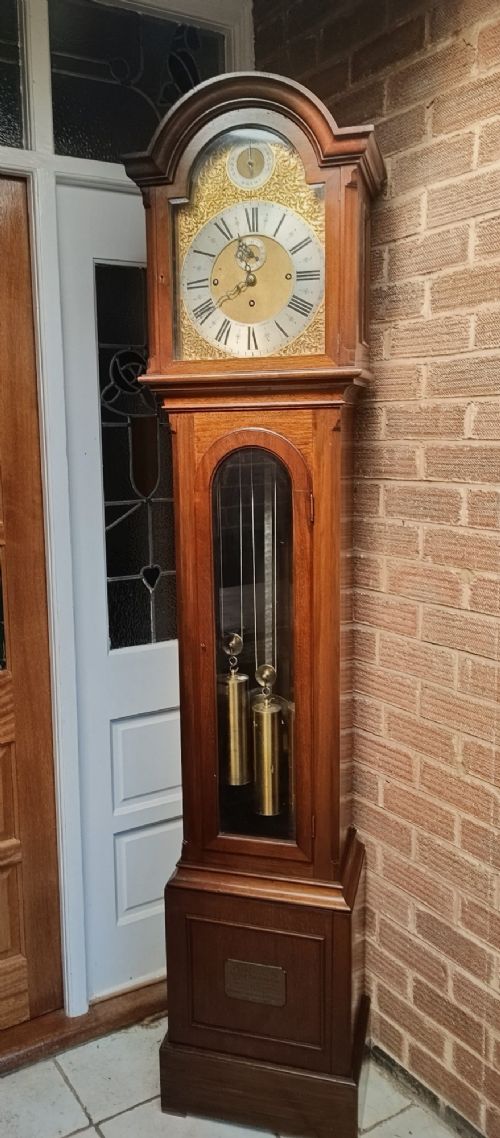
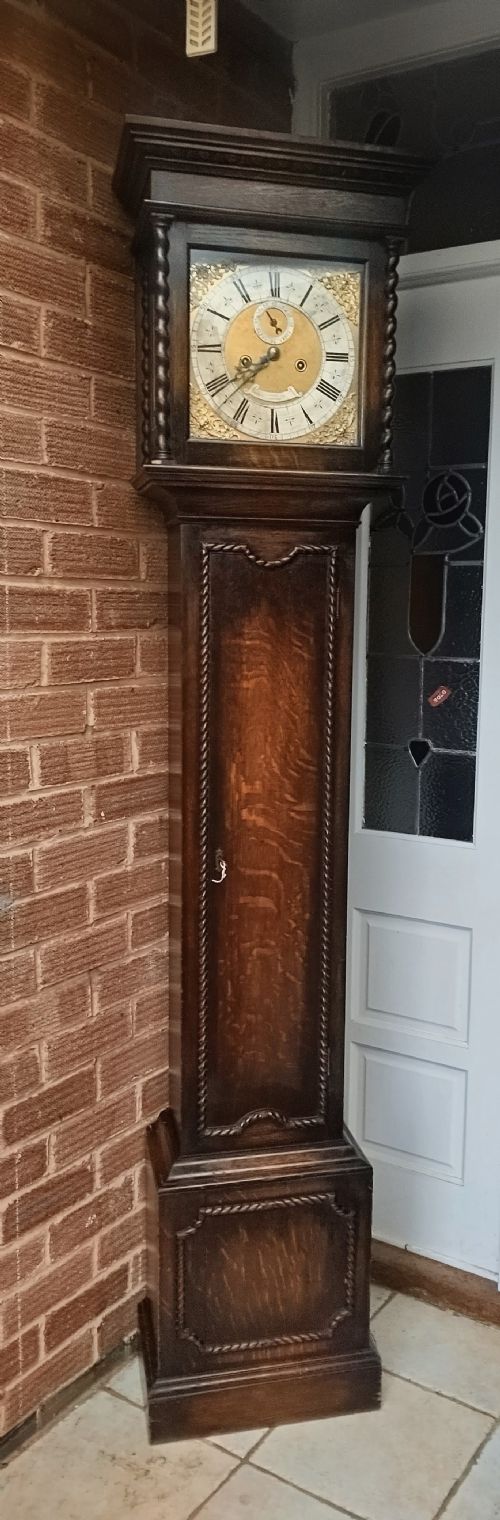
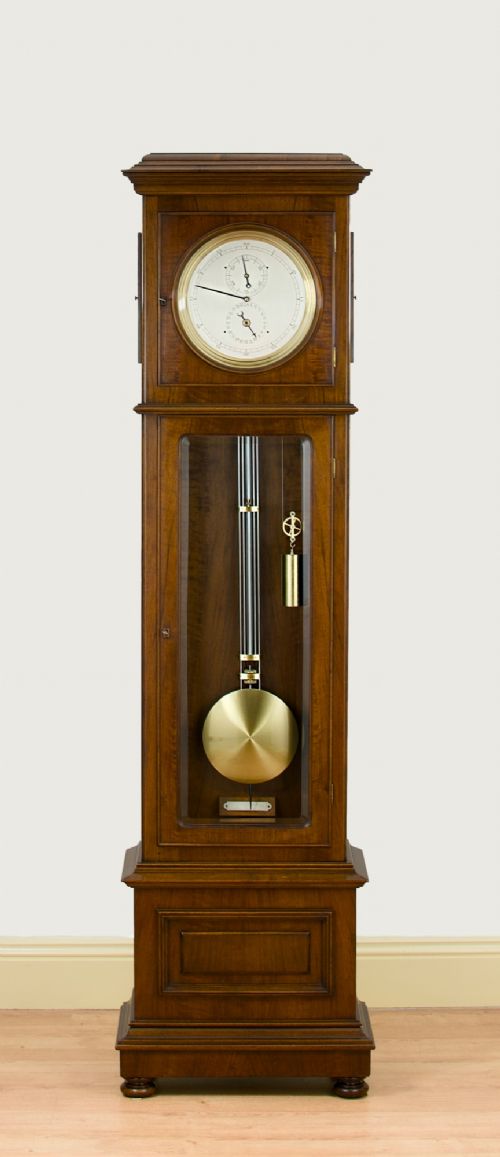
A brass regulator clock is a precision timepiece designed for accurate timekeeping, originating from observatory standards and spreading to domestic interiors during the nineteenth century. These clocks appear in several distinct forms on this page, including wall-hanging Vienna regulators, mantel clocks encased in glass, and freestanding longcase clocks.
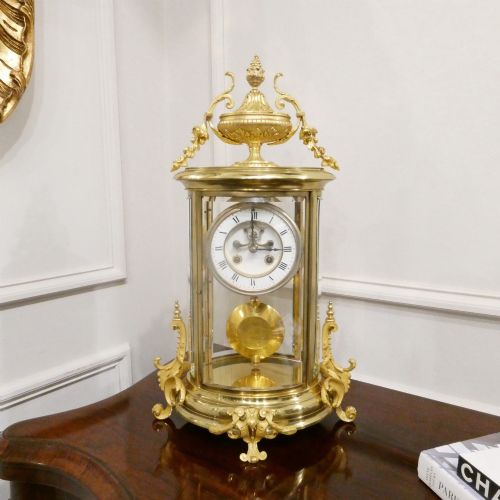
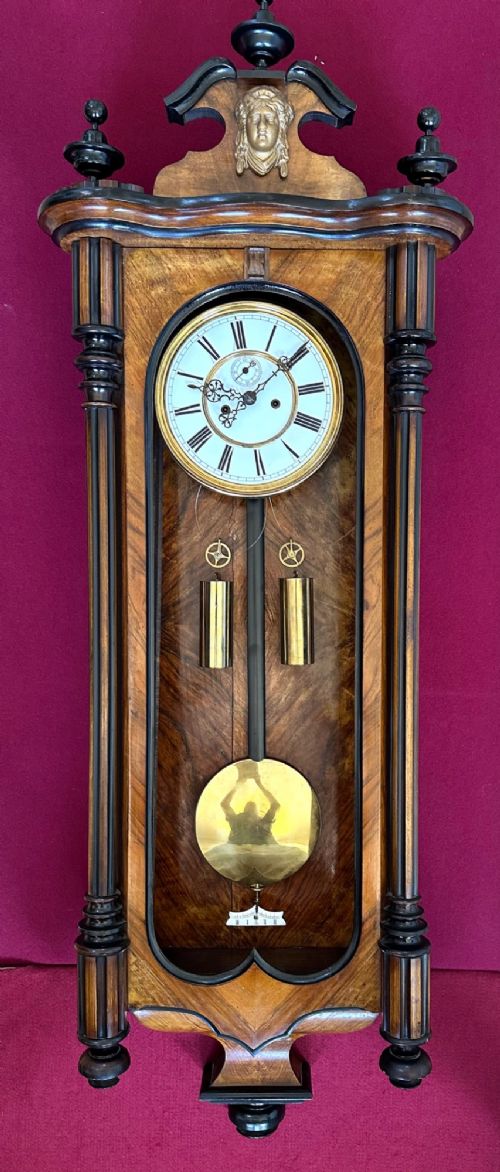
The Vienna style wall clock dominates the selection, often housed in a polished walnut case with hanging brass weights and a visible pendulum. French crystal regulators also feature prominently, enclosing mechanical movements within four glass panels and gilt bronze or brass frames.
Examples span the Victorian and Edwardian periods, stretching from the middle of the nineteenth century into the early twentieth century. Makers from Germany, Austria, France, and England contributed to this variety, employing different case woods and striking mechanisms.
How they were made
Clockmakers constructed the movements primarily from brass, cutting gear wheels and plates to exacting tolerances to ensure reliable timekeeping. Cases combined heavy plate glass with polished metals, utilising gilt bronze, gilt brass, and cast brass elements around the dials and bezels.
Cabinetmakers framed the wall and longcase versions in dense timbers, selecting walnut, mahogany, oak, and ebonised wood. Enamel dials carried painted Roman or Arabic numerals, while mercury or brass pendulums regulated the beat.
Listings feature wall-hanging Vienna regulators, glass-cased mantel pieces, and freestanding longcase clocks in walnut, mahogany, and gilt brass.
What varies in quality
The refinement of the brass movement separates standard production clocks from precision instruments bearing maker signatures. Heavier casework, intricate carved wood details on Vienna styles, and fire-gilt bronze mounts on French mantel pieces indicate higher workshop standards.
Dial execution also distinguishes the grade of a clock, with finely painted enamel faces, pierced brass hands, and delicate hand-painted porcelain panels marking superior craftsmanship.
Samuel Marti·Lenzkirch·Gillett and Johnston·Gustav Becker·Johann Baptist Beha
The Brass Regulator Clock Glossary
- Regulator
- A precision pendulum clock designed to keep exact time and often used as a standard to set other timepieces. These mechanisms use deadbeat escapements and gridiron pendulums to minimise temperature interference.
- Four glass clock
- A mantel clock enclosed by glass panels on the front, back, and sides, allowing the movement to be viewed from multiple angles. They frequently house mercury pendulums and strike on gongs.
- Vienna regulator
- A weight-driven wall clock originating in Austria, characterised by a long glazed door and a swinging pendulum. They typically feature heavy brass weights suspended by cords or chains.
- Fusee
- A conical pulley used in spring-driven clocks to maintain equal power as the mainspring unwinds. This device ensures consistent force reaches the gear train throughout the running period.
Brass Regulator Clock: Frequently Asked Questions
What is a brass regulator clock?
A brass regulator clock is a high-accuracy timepiece driven by weights or springs, featuring visible brass gear trains and pendulums.
They were developed to provide exact time standards for offices, railway stations, and wealthy homes during the nineteenth century.
How do you wind a Vienna regulator?
You wind a Vienna regulator by using a matching winding key on the arbors located on the enamel dial face. Care must be taken not to overwind the springs or pull the weight cords too quickly.
Most wall regulators require winding once a week, though some specialised movements run for a month or longer between windings.
Where should I place a wall clock?
A wall clock needs a sturdy, vibration-free interior wall that can support the weight of the timber case and heavy brass components. Avoid placing mechanical clocks near exterior doors or heating vents.
Positioning the clock at eye level allows easy reading of the dial and proper observation of the swinging pendulum.
How do I tell an Austrian clock from a French one?
Austrian clocks are typically wall-hanging Vienna regulators housed in polished walnut cases with hanging weights. French models more commonly appear as mantel clocks enclosed in four glass panels with gilt brass frames.
French movements often bear foundry stamps on the back plate, while Austrian and German Vienna styles display maker marks associated with specific regional workshops.