



Brass Preserving Pan
These heavy metal vessels, known as a brass preserving pan, bring tactile warmth and centuries of domestic utility straight into a modern interior.
Brass Preserving Pan
When you search for a brass preserving pan, you are looking at substantial metal cookware and hearth pieces designed for boiling fruit, sugar, and cream over an open fire or stove. These kitchenware items span the Georgian and Victorian periods, with pieces originating from around the middle of the eighteenth century through to 1900.
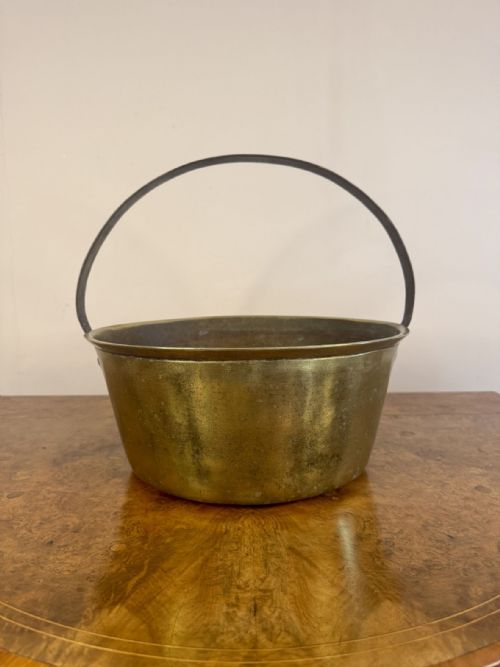
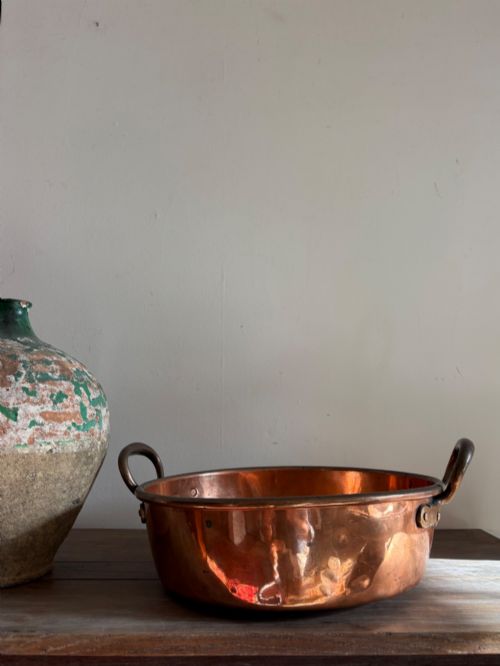
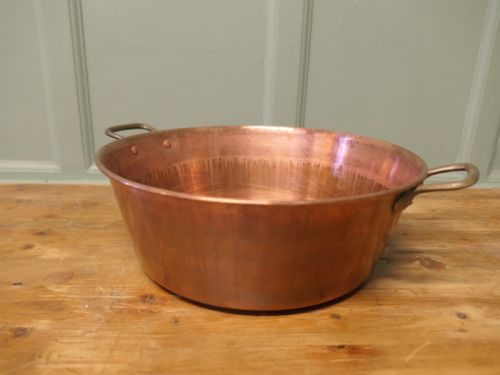
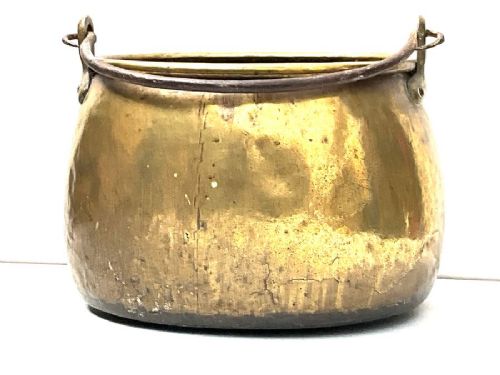
The versions you are most likely to meet on this page are large, heavy vessels fashioned from brass, bronze, or copper, frequently featuring robust iron handles or riveted swing handles. They appear under various descriptions including jam pans, preserve pans, jam pales, and even specialised kitchen vessels like cream setting pans and duck roasting pans.
How they were made
These items rely on heavy-gauge brass, bronze, and copper, materials chosen for their ability to conduct heat evenly across the base during long periods of boiling. Craftsmen often paired these gleaming metal bodies with sturdy wrought iron or iron handles, secured securely with visible rivets to manage the heavy weight of the contents.
Many examples show the marks of hand-shaping and hammering, creating mottled surfaces and solid, weighty structures intended for rigorous daily use in the kitchen or by the hearth.
Brass Preserving Pan Retail Price Guide 2026
Typical asking prices for brass preserving pan among the pieces listed under this phrase on Sellingantiques today, from the lower quarter to the upper quarter. They describe what is for sale here now, not the wider market.
Listings feature brass, copper, wrought iron, iron, and bronze across Georgian and Victorian periods.
What varies in quality
The distinction between a standard kitchen utility vessel and a superior piece lies in the thickness of the metal and the presence of thoughtful detailing, such as double handles or substantial iron mounts. Heavier gauge metal ensures the body retains its structural integrity without excessive warping from centuries of heat exposure.
Proportion and surface finish also dictate the tier of a piece, where smooth, patinated bronze or brass meets balanced, confident proportions suitable for display as well as fireside interest.
Hodges & Sons
The Brass Preserving Pan Glossary
- Swing handle
- A movable arched handle attached to opposite sides of a pan by lugs or rivets. It drops down flat against the side when not in use.
- Cream setting pan
- A shallow kitchen dish designed to hold milk while the cream rises to the surface for skimming. These are wider and shallower than standard boiling pans.
- Hearth accessories
- Items kept by or used around the domestic fireplace for cooking and tending the fire. This grouping includes large metal pans utilised near the hearth.
Brass Preserving Pan: Frequently Asked Questions
What were brass preserving pans used for?
These vessels were primarily utilised in the kitchen for boiling fruit and sugar mixtures to create jams and preserves. Their conductive metal properties made them ideal for sugar boiling and dairy work like cream setting.
Over time, many of these sturdy pans transitioned from active kitchen duty to fireside display and hearth decoration, valued for their warm metallic tones.
How do I date a brass preserving pan?
Dating relies heavily on material combinations, handle construction, and manufacturing marks recorded in the piece's history. Georgian and early nineteenth-century examples often feature heavy bronze or brass castings with distinct hand-finished surfaces.
Victorian pieces frequently incorporate riveted iron swing handles and bolder maker attributions. Comparing the weight and style against established period pieces helps narrow down the decade.
Are these pans safe for modern cooking?
While these antique vessels were originally built for culinary tasks, many modern buyers choose to display them as decorative hearth accessories rather than using them for food preparation. Unlined vintage brass and copper can react with acidic ingredients during modern cooking methods.
Their substantial weight and historic patination make them exceptional decorative objects for a country house or rustic interior setting.
How do I clean a vintage brass pan?
Cleaning depends entirely on whether you prefer a bright, polished metallic finish or a deep, aged historic patination. Most collectors prefer to retain the dark, warm tones accumulated over a century rather than aggressive polishing.
Gentle washing with warm soapy water removes dust and debris without disturbing the stable oxidation that gives these pieces their character.