




Victorian Brass Pan
A victorian brass pan brings utilitarian nineteenth-century metalwork into modern rooms as a durable hearth accessory or planter.
Victorian Brass Pan
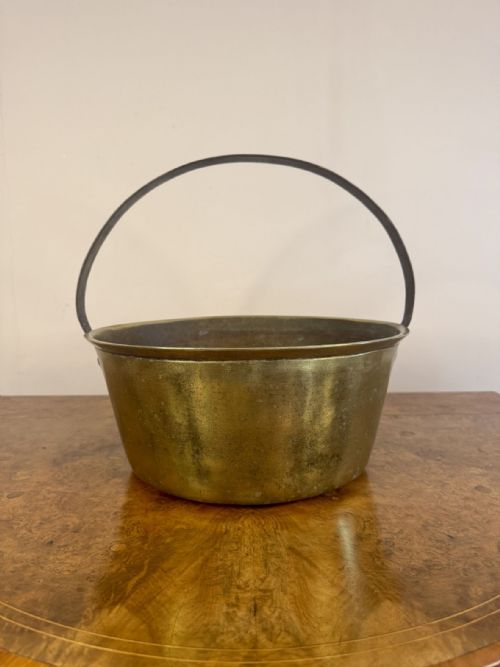
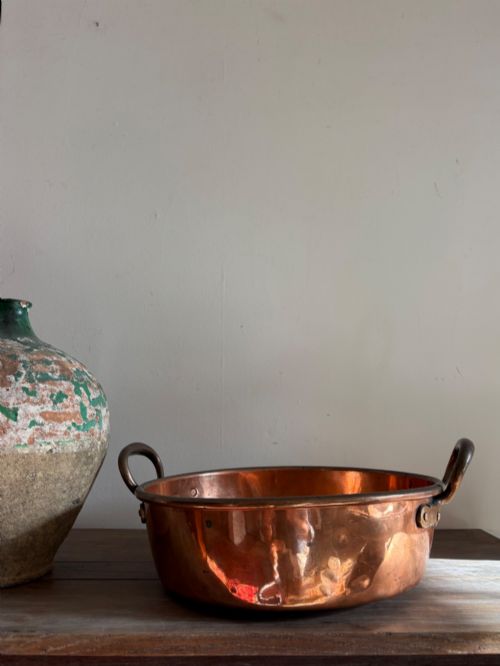
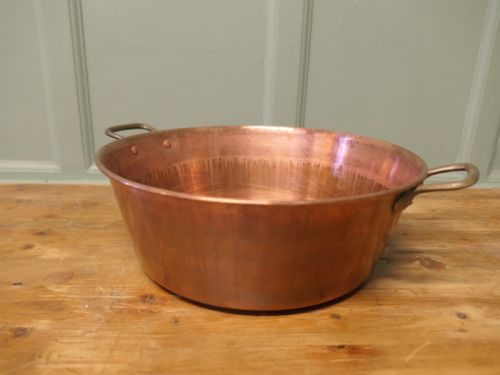
When you search for a victorian brass pan, you encounter heavy kitchen vessels and preserving dishes forged during the nineteenth century. These items include deep jam pans, preserves vessels, and heavy saucepans designed for open-fire or stove cooking.
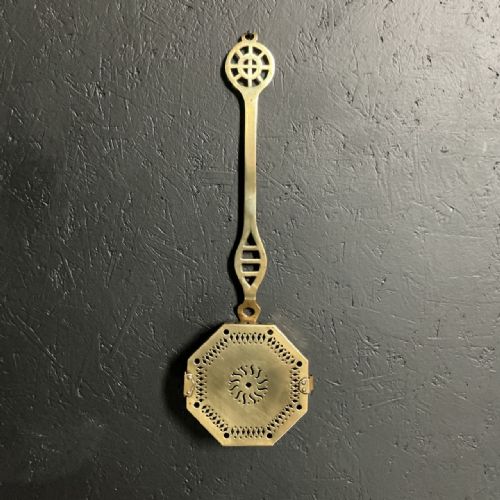
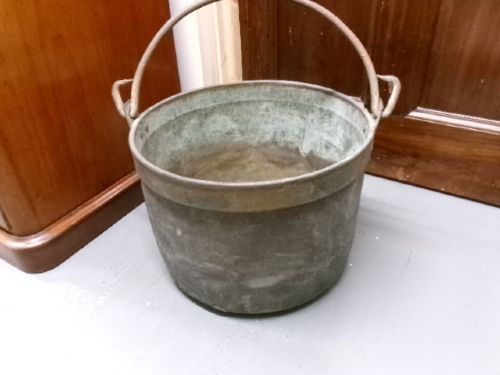
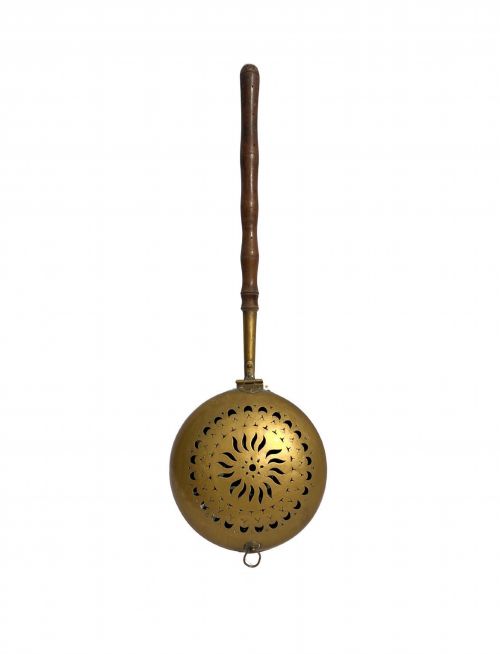
Many examples combine brass bodies with iron handles, riveted construction, and swing bales. Alongside standard culinary vessels, the category encompasses warming pans with wooden shafts and decorative planter dishes adapted from earlier kitchenware.
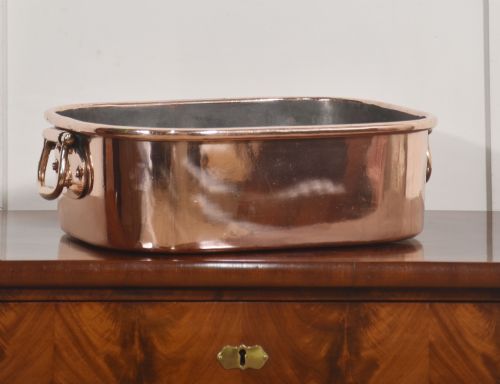
The selection ranges from plain utilitarian cookware to decorative garden jardinieres and heavy brass preserves pales. Most pieces originate from English and Welsh workshops dating from the eighteen-sixties through the nineteen-hundreds.
Materials and construction methods
The objects combine heavy sheet brass, cast brass, and beaten copper, often paired with wrought iron handles and iron mounting brackets. Rivets secure the side handles to the basin walls, showing hand-hammered or machine-formed heads depending on the decade of production.
Many vessels utilise thick cast brass rims to maintain structural rigidity during heavy kitchen use and preserving tasks. Warming pans incorporate turned wooden handles connected to brass lids via iron shafts.
Victorian Brass Pan Retail Price Guide 2026
Typical asking prices for victorian brass pan among the pieces listed under this phrase on Sellingantiques today, from the lower quarter to the upper quarter. They describe what is for sale here now, not the wider market.
Listings demonstrate combinations of brass, copper, iron, and oak across nineteenth-century cooking and fireplace accessories.
Distinguishing quality in metalware
Wall thickness and weight separate ordinary utilitarian kitchenware from heavier presentation vessels produced by established makers. A solid gauge of metal resists denting and maintains a consistent finish across the basin.
The neatness of the riveted joints and the integrity of the iron handle attachments indicate the standard of production. Superior examples retain original swing handles and proportional brass grips without replacement parts.
Hodges & Sons·Bartlett & Sons·De Grave & Co
The Victorian Brass Pan Glossary
- Jam pan
- A wide, open vessel designed for boiling fruit and sugar over a heat source. These bowls typically feature rounded bases and secure handles for lifting heavy contents.
- Swing handle
- A movable bail handle attached to opposite sides of a pan via riveted brackets. This allows the vessel to hang over a fire or fold flat against the rim.
- Preserving pan
- A deep metal basin utilised in nineteenth-century kitchens for making preserves and pickles. They are constructed from heavy brass or copper to distribute heat evenly.
- Warming pan
- A long-handled metal pan with a fitted lid used to heat bed linen with hot coals. The wooden shaft insulates the hand from the heated metal stem.
Victorian Brass Pan: Frequently Asked Questions
How were these pans used originally?
Nineteenth-century households utilised these heavy metal vessels over open hearths and kitchen ranges for boiling preserves, heating water, and preparing large quantities of food.
Smaller variants served specific domestic tasks such as warming beds with hot coals or roasting chestnuts over open flames.
Are these items suitable for modern cooking?
Most surviving examples function primarily as decorative items, indoor planters, or hearth accessories rather than active cookware due to their age and composition.
Examine the interior surface and structural joins carefully before attempting any restoration for modern culinary use.
How should I clean antique brass?
Light dusting and occasional wiping with a dry cloth preserve the natural patina developed over more than a century of existence.
Avoid harsh abrasive cleaners that strip the historic surface oxidation and reduce the depth of the metal colour.
What styles accompany these metal items?
The listings reveal associations with Victorian Country, Edwardian, Arts and Crafts, and Rustic Farmhouse interior aesthetics.
These pieces integrate naturally into traditional hearth settings or contemporary spaces seeking nineteenth-century utilitarian character.