
Brass Pot Handles
These brass pot handles secure vessels ranging from Georgian domestic copper pans to Victorian jardinières, offering solid functional metalwork for period interiors.
Brass Pot Handles
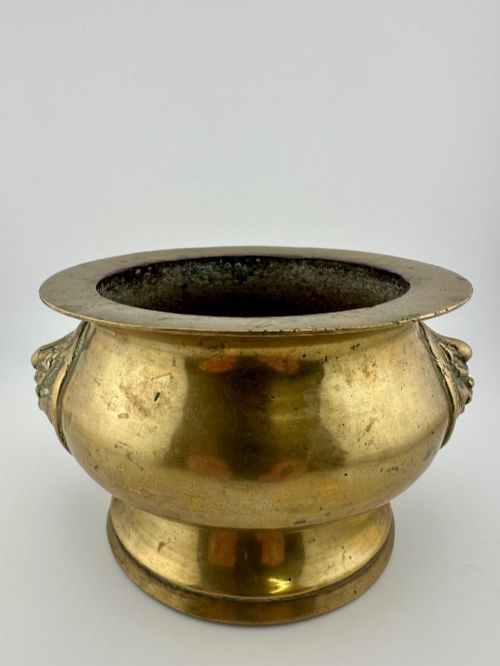
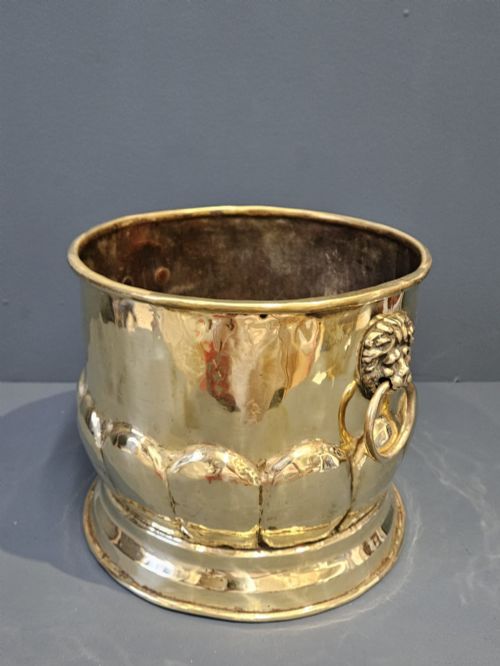
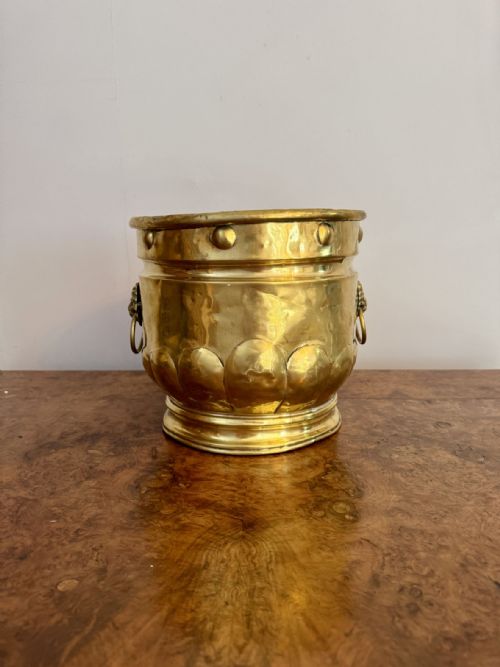
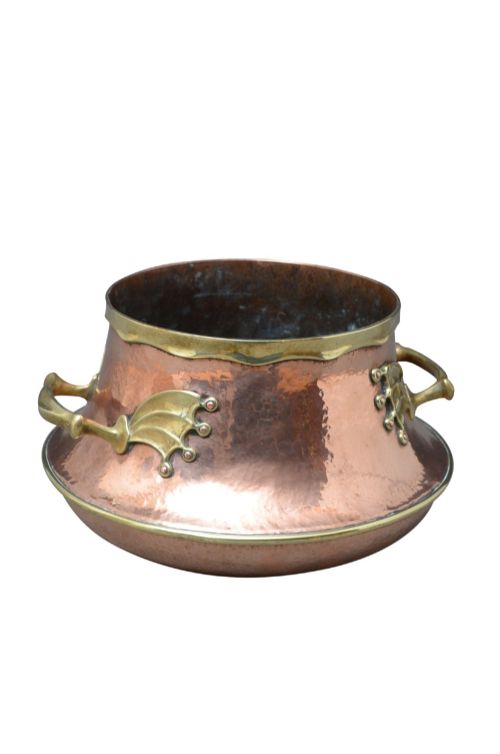
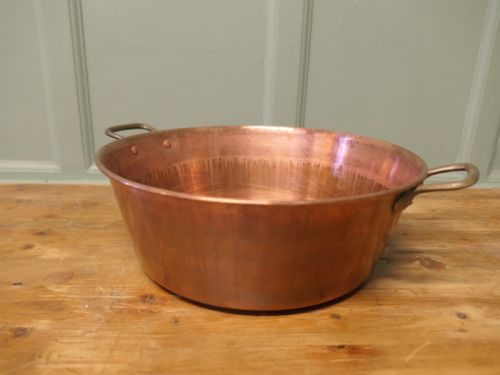
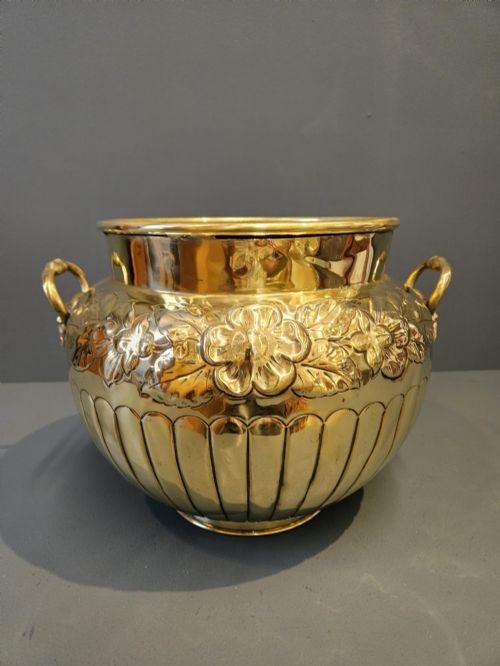
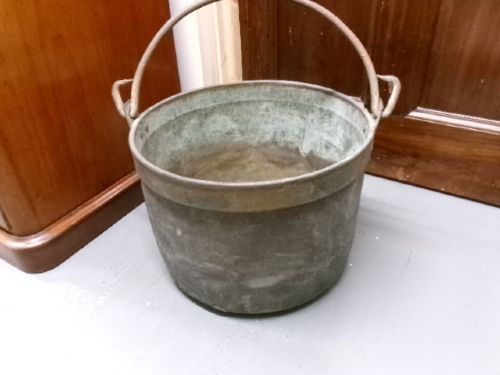
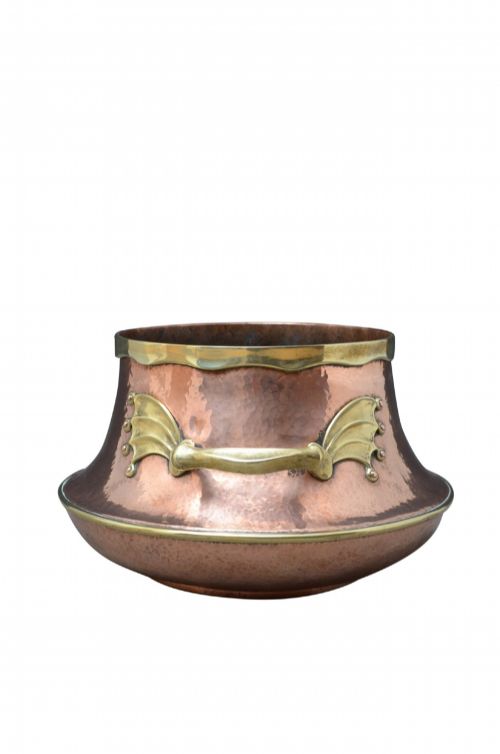
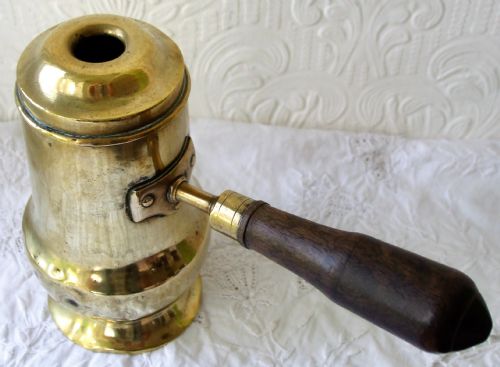
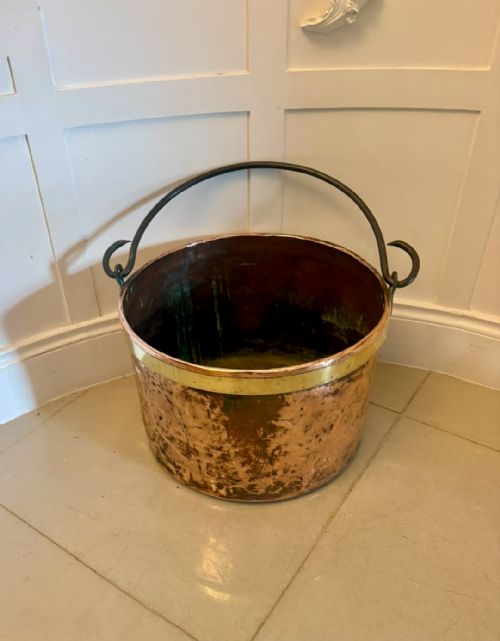
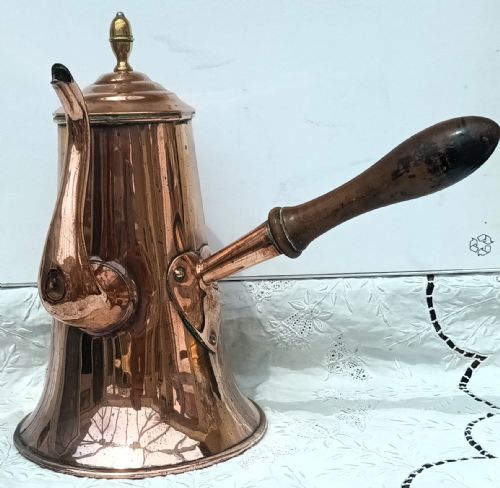
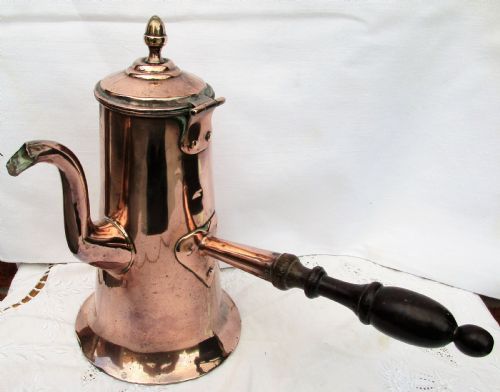
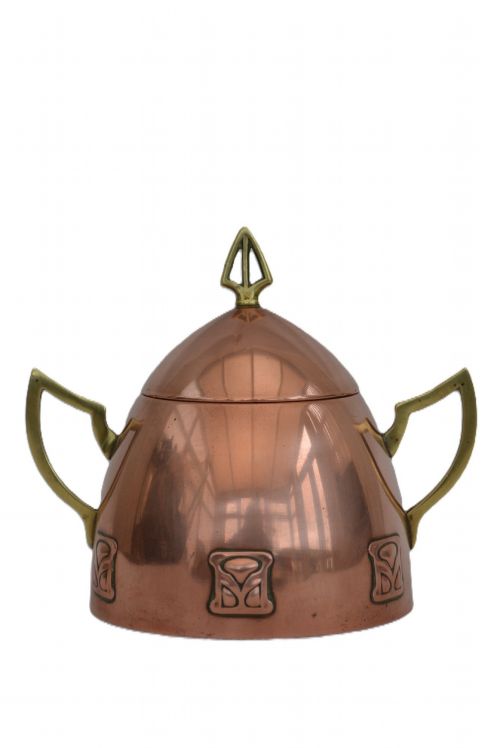
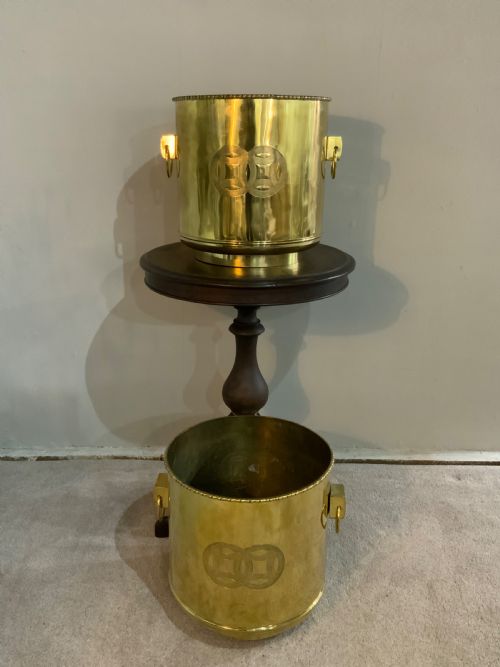
When you search for brass pot handles, you encounter functional metal fittings attached to copper, brass, and bronze domestic vessels spanning the eighteenth to the twentieth centuries. The selection centres heavily on Victorian and Georgian pieces, incorporating jardinières, coal buckets, jam pans, and kettles.
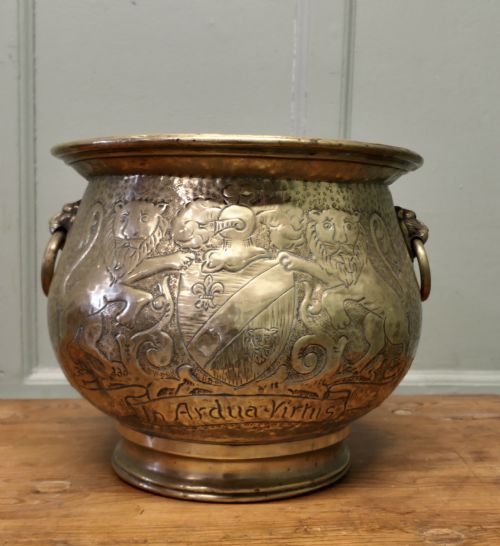
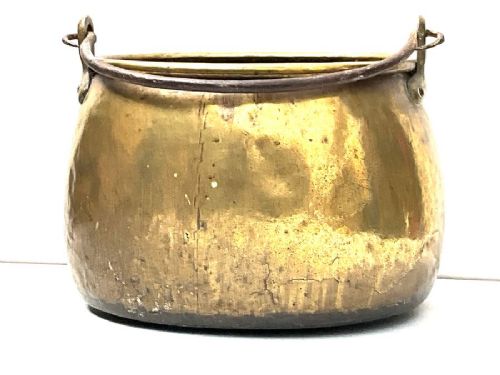
You meet heavy cast brass handles riveted to large copper preserving pans, alongside swing-handled cauldrons and decorative jardinières featuring lion masks or shields. These items reflect both utilitarian kitchen use and ornamental fireside display across different British and continental periods.
Construction and materials
Makers formed the vessels primarily from sheet copper, bronze, or brass, combining hammered bodies with robust cast brass handles secured by sturdy rivets. Iron and wrought iron appear on specific pieces, while mahogany and carved oak supplement the construction of related furniture items.
The fabrication relies on traditional metalworking methods, visible in the hand-beaten surfaces of jam pans and the chased details on Art Nouveau or Gothic Revival jardinières. Riveting and joining techniques connect the functional brass handles firmly to heavy metal containers designed for domestic labour or display.
Listings feature vessels spanning the Georgian, Victorian, and Arts and Crafts periods, constructed primarily from copper, brass, bronze, and iron.
Judging the standard of the metalwork
Quality rests on the weight of the metal and the integrity of the handle mountings, distinguishing heavy utilitarian cookware from lighter decorative pieces. Substantial gauge copper and solid cast brass handles demonstrate superior durability and authentic period substance.
Artistic execution separates standard kitchenware from finer examples adorned with hand-engraving, applied shields, or cast lion mask terminals. The harmony between the vessel body and the attached brass handles indicates the original purpose and the maker's attention to proportion.
William Soutter And Sons
The Brass Pot Handles Glossary
- Jardiniere
- An ornamental pot or stand for holding plants or flowers. These vessels frequently feature decorative brass handles and appear in copper, brass, or ceramic.
- Dinanderie
- Objects made of beaten or cast brass and copper. This term covers medieval and later European decorative metalware.
- Bombé
- A swelling or bulging shape typical of certain seventeenth and eighteenth-century vessels. This contour appears on specific bronze and copper censers.
- Cauldron
- A large metal pot with a swing handle and legs or a rounded base. These containers were used over open fires for boiling and cooking.
- Jam Pan
- A wide, shallow metal pan used for boiling fruit and sugar. They are usually fashioned from heavy copper with secure brass handles.
Brass Pot Handles: Frequently Asked Questions
What were brass pot handles used for?
The brass handles secured heavy cooking and heating vessels, allowing cooks or servants to lift boiling liquids, preserves, and hot coals.
They provided a durable grip on copper pans, cauldrons, and coal buckets that underwent frequent lifting and transport around the house.
How do I date brass pot handles?
Dating relies on the fastening methods, metal composition, and the overall style of the attached vessel, ranging from Georgian to Victorian eras.
Hand-beaten copper construction and specific handle profiles align with eighteenth and nineteenth-century domestic manufacturing techniques.
Can I use these pots for plants?
Many of these vessels, particularly Victorian and Arts and Crafts jardinières, function well as planters for indoor foliage.
Their metal construction and secure handles make them suitable for holding potted plants within period or contemporary rooms.
How do I clean brass handles?
Preserving the original aged surface is standard practice among collectors, avoiding harsh modern chemical polishes that remove historic patina.
Gentle dusting and occasional light cleaning maintain the natural appearance of the brass and copper without erasing signs of age.