


Brass Porcelain Table Lamp
A brass porcelain table lamp brings together polished metal and painted ceramic to create a warm, decorative pool of light.
Brass Porcelain Table Lamp
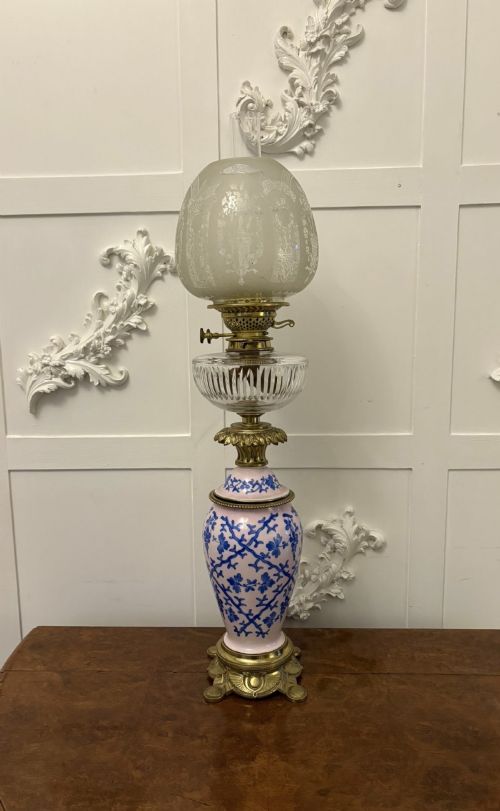
A brass porcelain table lamp merges the rigid structure of metalwork with the delicate painted surfaces of ceramic bodies. When searching for a brass porcelain table lamp, buyers encounter pieces that range from converted nineteenth-century oil lanterns to purpose-built electric lights.
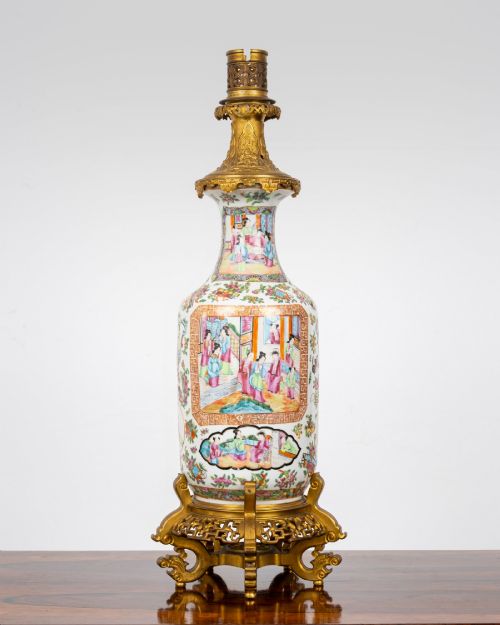
The selection on this page draws heavily from Victorian and Edwardian periods alongside imported Asian ceramics mounted in Europe. Forms include ginger jars, slender vases, and figural sculptures transformed into functional household illumination.
Origins span across nineteenth-century English, French, German, and Chinese workshops, often pairing hand-painted glazes with cast metal mounts.
How they were made
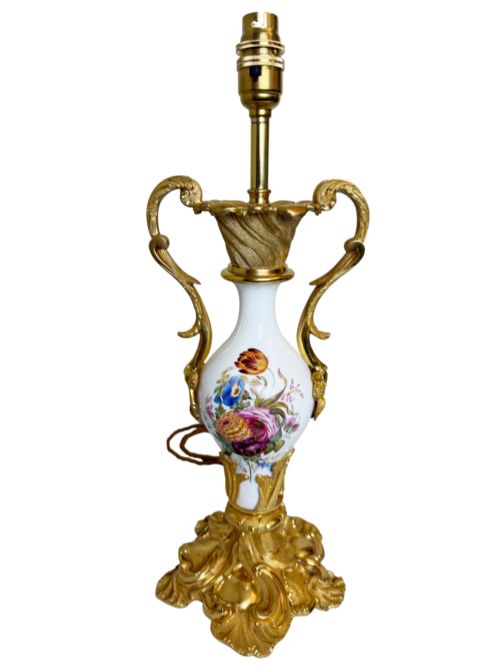
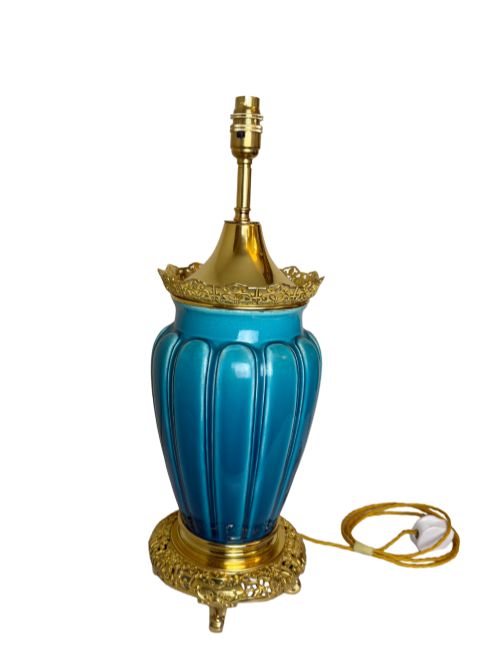
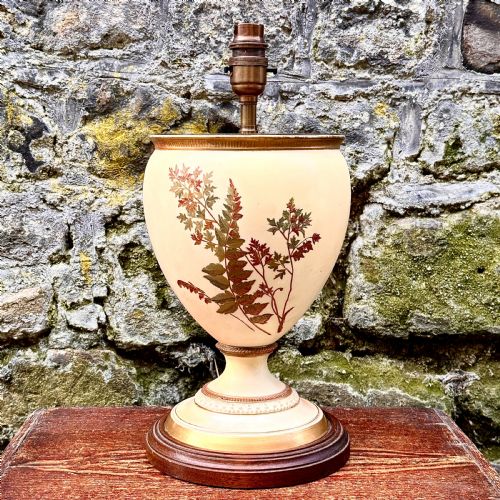
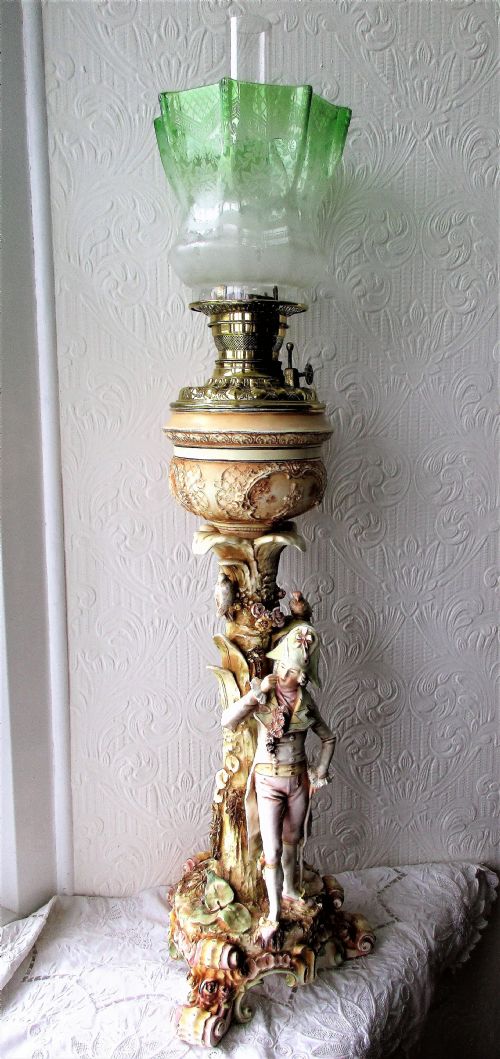
Maker assemblies combine cast brass or gilt bronze mounts with fired ceramic bodies, utilising fabric or silk shades for diffusion. Many older examples begin life as vases or oil lamps before undergoing conversion for electrical wiring.
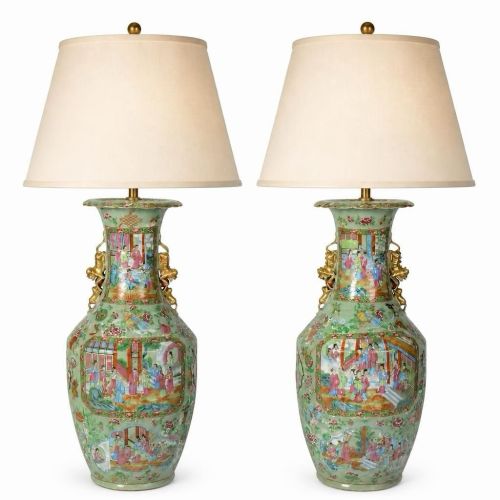
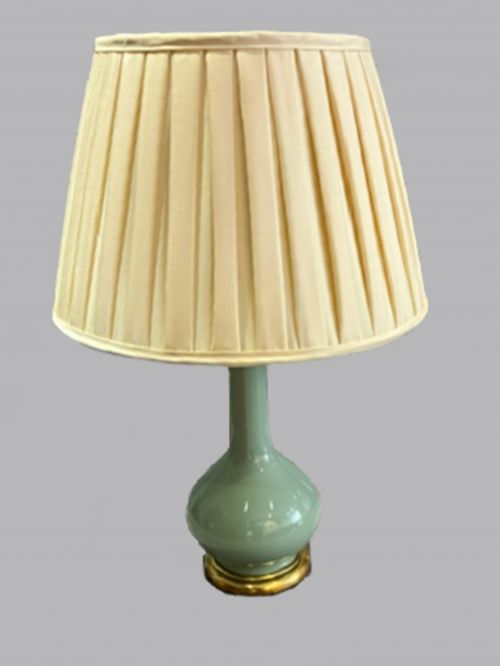
Ceramic sections display hand-painted enamel decoration, underglaze blue, or celadon glazes, whilst metal components provide structural stability through heavy bases and collars.
Among the ceramic figures guarding these lamps, a German spitz dog stands ready to illuminate the room.
What varies in quality
The refinement of the hand-painted ceramic details and the weight of the metal mounts determine the standing of each piece. Superior examples exhibit crisp brushwork on the porcelain and richly chased or gilded bronze rather than plain stamped brass.
Proportion also defines the better items, where the scale of the ceramic vessel balances harmoniously with the supporting metal hardware and the chosen shade.
Royal Worcester·Sitzendorf·Karl Ens·Anton Buschelberger·Gien·Meissen
The Brass Porcelain Table Lamp Glossary
- Ormolu
- Gilded bronze mounts applied to furniture and lighting. This technique involves coating bronze in a mercury-gold amalgam to achieve a bright, lasting finish.
- Famille Rose
- A palette of Chinese porcelain enamels dominated by opaque pink. The style emerged during the Qing Dynasty and appears frequently on converted nineteenth-century vases.
- Celadon
- A pale green jade-like glaze originating in China. It coats heavy stoneware and porcelain bodies with a subtle, translucent colour.
- Sitzendorf
- A nineteenth-century German porcelain factory known for ornate figural and floral work. Pieces often incorporate delicate hand-modelled petals and cherubs.
Brass Porcelain Table Lamp: Frequently Asked Questions
Are these lamps converted from old vases?
Many examples on this page started life as decorative vases, ginger jars, or oil burners before receiving modern electrical wiring.
This conversion process preserves historic ceramic bodies whilst adapting them for contemporary domestic lighting needs.
How do I identify a Victorian piece?
Victorian lighting typically displays heavier cast brass components, floral hand-painting, and robust proportions associated with the nineteenth century.
Maker marks and regional stylistic traits further help narrow down the exact manufacturing decade.
What maintenance do fabric shades need?
Silk and fabric shades require gentle dusting with a soft brush to prevent the accumulation of household particles over time.
Avoiding direct sunlight helps protect delicate textiles and painted details from fading.
Can I use standard LED bulbs?
Modern LED bulbs work well in these fixtures as long as they match the appropriate wattage and fitting size specified for the lamp holder.
Low heat output from LEDs also helps protect antique porcelain and wiring from thermal stress.