
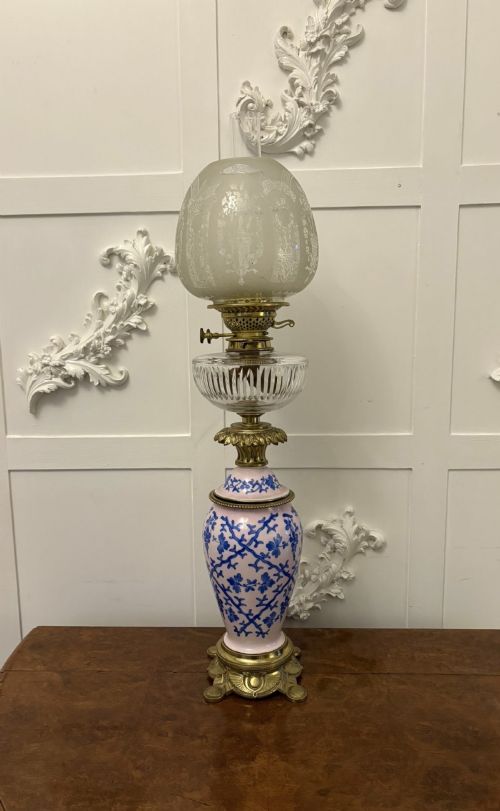
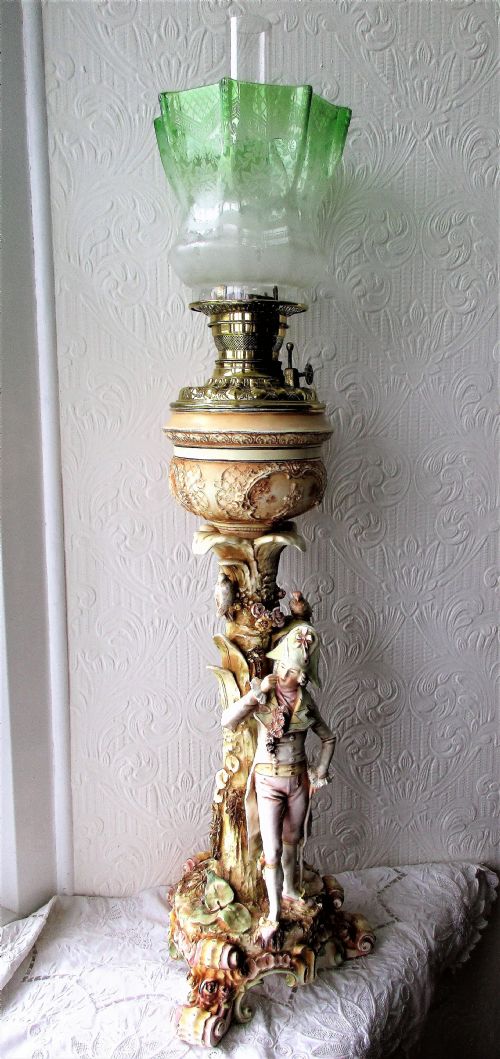


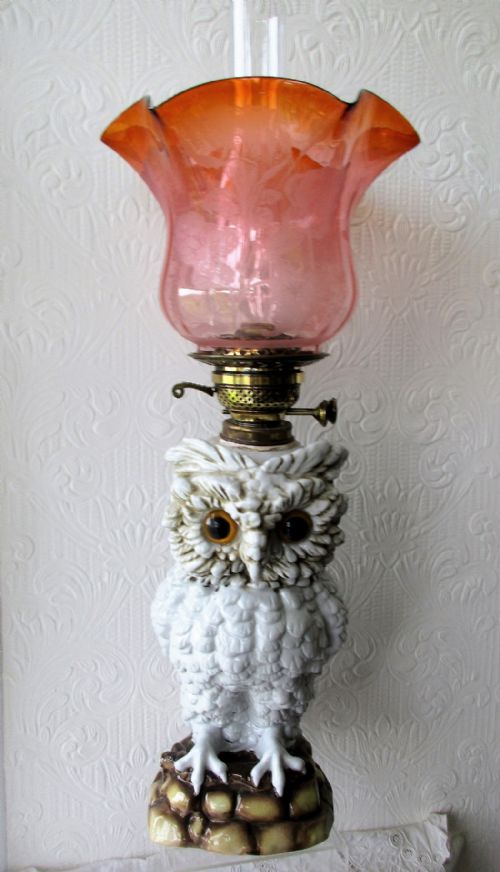

Brass Porcelain Oil Lamp
These brass porcelain oil lamp examples bring together metal mounts and decorated ceramic bodies to light a room with nineteenth-century character.
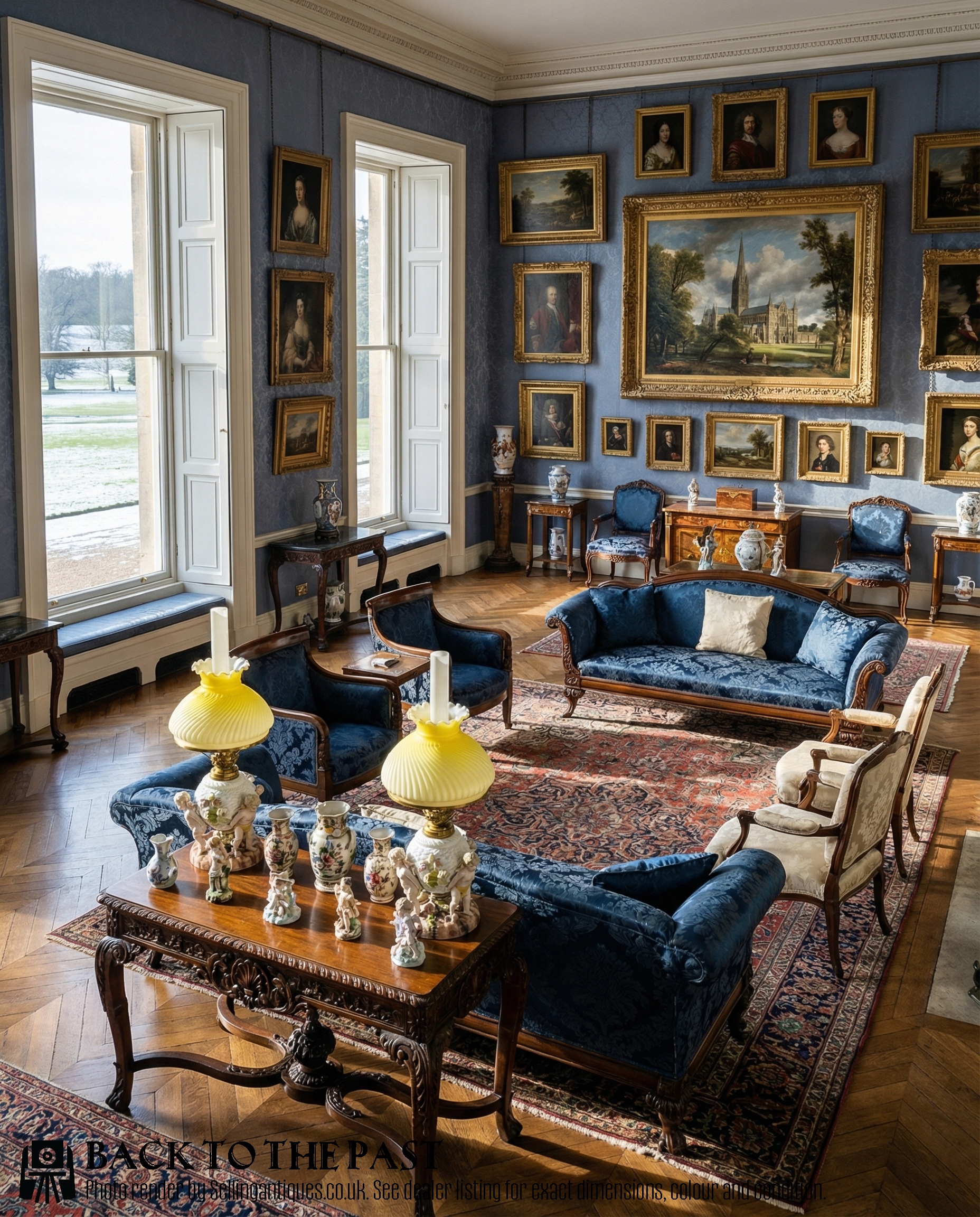
Brass Porcelain Oil Lamp
A brass porcelain oil lamp combines a ceramic or porcelain reservoir with metal mounts and a burner mechanism, often taking the form of a table lamp. The selection includes Victorian pieces alongside Chinese export items and continental European works.
Buyers encounter figures, vases converted into lamps, and patterned table lights from the nineteenth century. These objects bridge the gap between functional household lighting and decorative arts from the Victorian era and the late nineteenth century.
The styles range from English and French Rococo Revival to Chinese Canton and Qing Dynasty designs. Many retain their original proportions while having been adapted safely for modern electrical use.
Materials and construction
The construction relies on heavy cast brass bases and mounts combined with hand-painted porcelain or ceramic bodies. Gilt brass and bronze frequently provide structural support and decorative collars for the fragile ceramic reservoirs.
Makers utilised opaline glass, standard glass, and patterned fabrics for shades to complement the main body. The ceramic sections often feature intricate hand-painted enamels, floral motifs, or figural details such as cherubs and owls.
Listings feature items from the nineteenth century, including specific years like 1860, 1880, 1890, and 1900, alongside general Victorian periods.
Assessing quality and craftsmanship
Quality reveals itself in the crispness of the brass casting and the fineness of the porcelain painting. Finer examples display detailed hand-applied enamels and substantial, well-finished metal components rather than mass-produced uniformity.
The integrity of the partnership between the brass mount and the porcelain body distinguishes finer pieces from ordinary ones. Well-executed mounts fit the ceramic contour precisely without excessive adhesive or loose fittings.
Meissen·Sitzendorf·Fischer J Budapest
The Brass Porcelain Oil Lamp Glossary
- Famille rose
- A Chinese porcelain palette characterised by pink enamel colours. It appears frequently on nineteenth-century export vases and lanterns.
- Bleu celeste
- A bright turquoise blue glaze associated with French porcelain factories. This colour decorates several nineteenth-century European vases and lamps.
- Gilt brass
- Brass that has been treated with a thin layer of gold or gold-colored finish. It provides a bright, reflective surface for lamp bases and mounts.
- Opaline glass
- A semi-opaque glass used for shades and bodies. It diffuses light softly and was popular during the Victorian period.
Brass Porcelain Oil Lamp: Frequently Asked Questions
Can these oil lamps be used safely today?
Most of these pieces have been converted from oil burning to electricity for modern household use. Rewiring allows them to function as standard table lamps while preserving their nineteenth-century appearance.
Buyers should have any vintage electrical components checked by a qualified professional before daily use in a home.
How do I identify a Victorian piece?
Victorian examples often display characteristic revival styles such as Rococo curves, heavy gilt brass mounts, and specific ceramic bodies like white porcelain or painted earthenware. Dating relies on stylistic clues and construction methods typical of the nineteenth century.
Markings on the base or interior porcelain can sometimes provide further clues to the origin and period.
Where should I place a table lamp?
These lamps suit side tables, desks, or living room surfaces where their decorative brass and porcelain details can be appreciated. Their substantial weight makes them stable for everyday placement.
Keep them away from high-traffic edges where the delicate ceramic bodies or fabric shades might be knocked.
What is the difference between Chinese export and European styles?
Chinese export pieces, such as Canton or Rose Medallion items, feature traditional Asian motifs and specific enamel palettes like famille rose. European versions often draw on French Rococo Revival or Victorian aesthetic preferences.
Both traditions utilised brass mounts, but the ceramic painting and form reflect their distinct geographical origins.