



Brass Plant Pot Holder
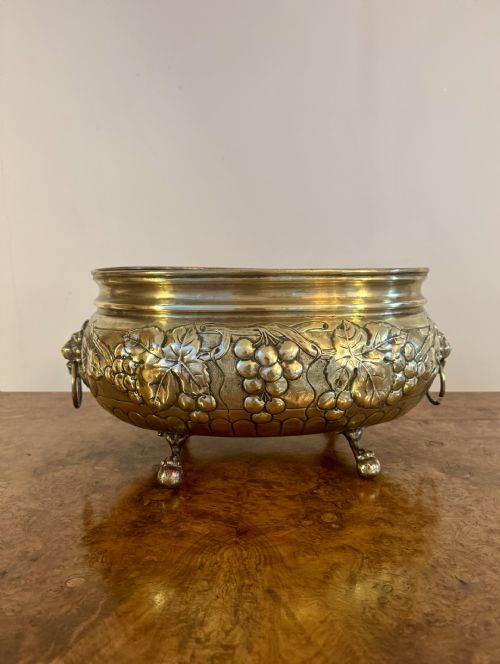
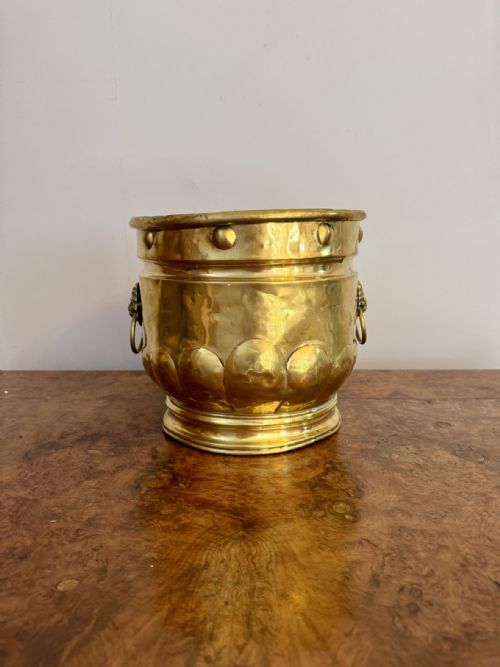
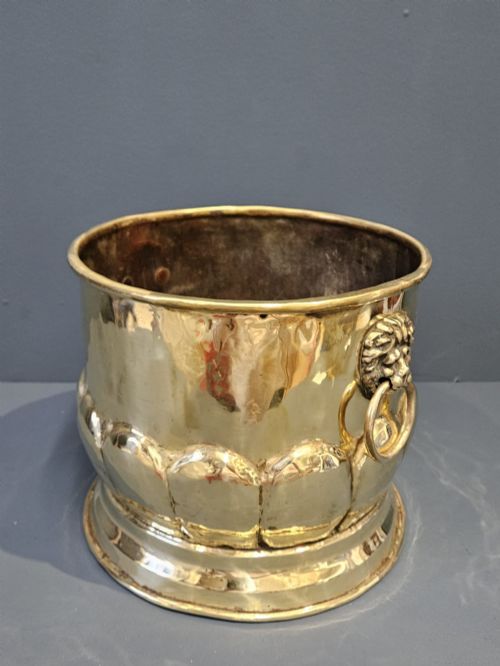
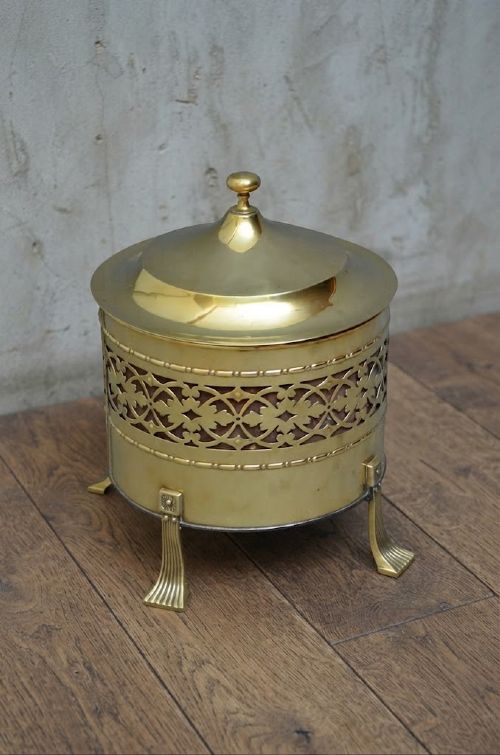
A brass plant pot holder brings warmth and metallic texture to an interior, housing greenery in vessels ranging from Victorian jardinieres to Edwardian cachepots.

Brass Plant Pot Holder
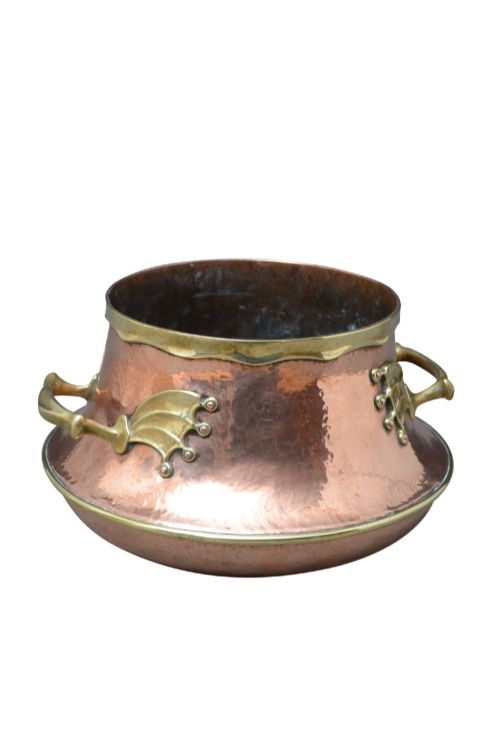
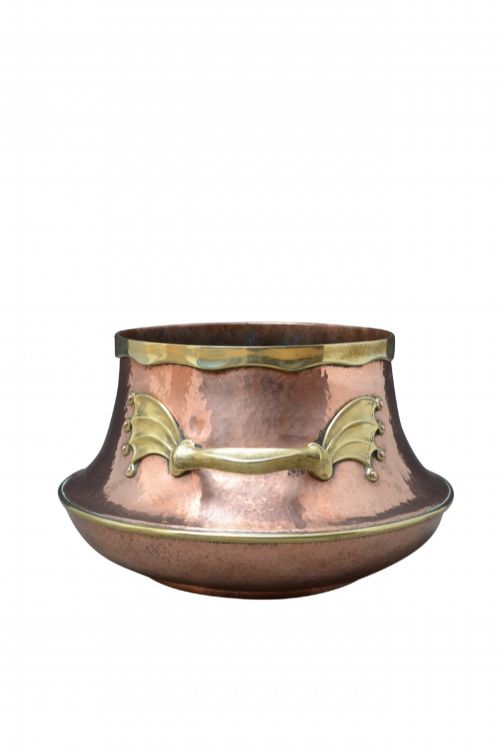
A brass plant pot holder functions as a decorative vessel for housing potted greenery within domestic interiors, appearing frequently across this selection as jardinieres, cachepots, and plant stands. These items originate predominantly from the nineteenth and early twentieth centuries, spanning Victorian, Edwardian, and Art Nouveau periods.
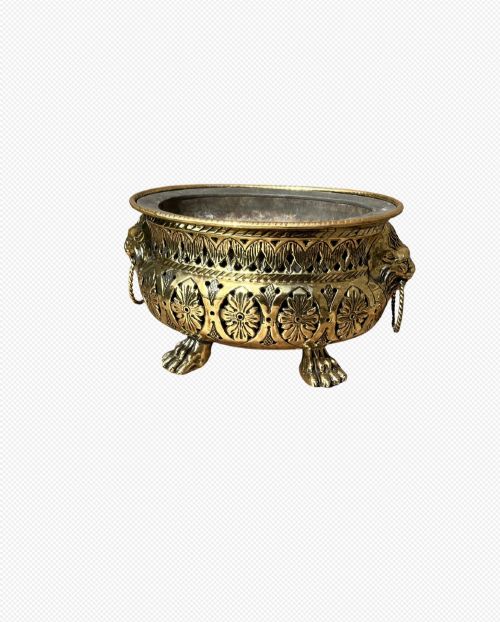
Buyers encounter forms that include cylindrical bodies, square plant stands, coal buckets adapted for flora, and footed vessels fitted with handles. Materials extend beyond plain brass to incorporate copper, mahogany, oak, and marble accents, reflecting diverse stylistic lineages from Gothic Revival to Arts and Crafts and French Rococo Revival.
How they were made
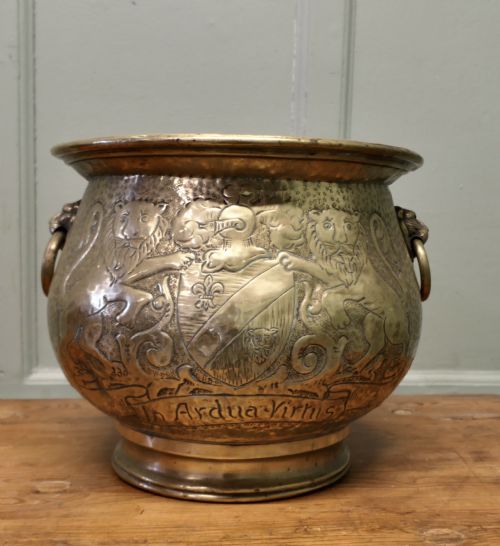
Makers utilised sheet brass and copper, shaping metal through hammering, repoussé relief work, and piercing to achieve textured surface decoration. Many vessels incorporate structural elements of timber such as mahogany and oak, particularly in coopered barrel designs and dedicated plant stands.
Detailing often involves cast components such as lion mask handles, shields, and animal heads affixed to the main body. Finished items rely on the natural lustre of polished brass or patinated copper, sometimes combined with iron or marble bases to ensure stability.
Brass Plant Pot Holder Retail Price Guide 2026
Typical asking prices for brass plant pot holder among the pieces listed under this phrase on Sellingantiques today, from the lower quarter to the upper quarter. They describe what is for sale here now, not the wider market.
What varies in quality
Quality reveals itself through the thickness and weight of the metal used in the vessel, separating substantial cast or heavy gauge pieces from thinner stamped alternatives. The dexterity of the handwork in repoussé panels, chased motifs, and pierced fretwork dictates the refinement of the finished item.
Design integration also separates standard production from superior examples, visible in the harmony between original stands, applied handles, and auxiliary materials like timber or marble. Superior pieces maintain crisp structural integrity and balanced proportions across their decorative elements.
J Sankey and Sons
The Brass Plant Pot Holder Glossary
- Jardiniere
- A large decorative pot or stand designed to hold growing plants or flowers. These vessels often sit on the floor or upon dedicated tables.
- Cachepot
- An ornamental outer pot or container used to conceal a plain flowerpot. The word derives from the French for hiding a pot.
- Repoussé
- A metalworking technique where a malleable metal is hammered from the reverse side to create a raised design in relief. This method produces tactile surface ornament on brass and copper.
- Fretwork
- An ornamental design created with piercing or perforating techniques that lets light pass through the pattern. It appears on borders and bodies of metal vessels.
- Coopered
- Constructed from wooden staves bound together with metal hoops, resembling barrel-making techniques applied to jardiniere stands.
Brass Plant Pot Holder: Frequently Asked Questions
What is a jardiniere?
A jardiniere is an ornamental container designed to hold potted plants and flowers inside the home. These vessels provide a decorative exterior housing that elevates everyday greenery.
Historically placed in reception rooms or hallways, they offer a stable base for substantial indoor displays.
How do I clean brass plant holders?
Cleaning requires a soft cloth and warm soapy water to remove dust and dirt from the metal surface. Avoid harsh chemical polishes that strip away historical patination.
Preserving the natural ageing of the brass maintains the visual depth of repoussé and hammered details.
Can these hold water directly?
Many older metal vessels lack waterproof seals due to their construction methods and joint separations over time. Placing a modern plastic liner inside protects the interior from moisture.
Using an inner pot prevents standing water from causing corrosion on the base of the antique container.
How do I date a brass planter?
Dating relies on stylistic clues such as Art Nouveau plant motifs, Victorian Gothic revival elements, or Edwardian fretwork designs. Construction marks, screw types, and fastening methods also help determine the period.
Comparing the manufacturing technique against known historical eras narrows down the decade of production.