

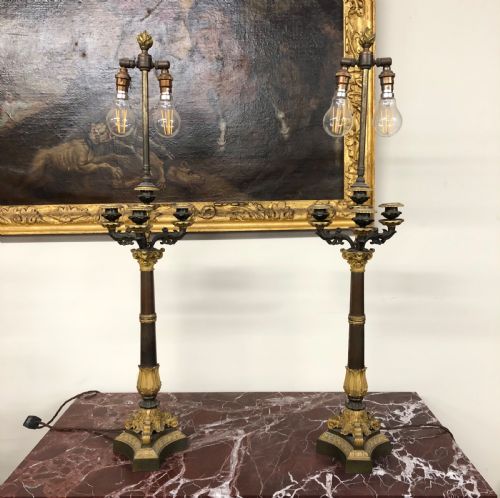
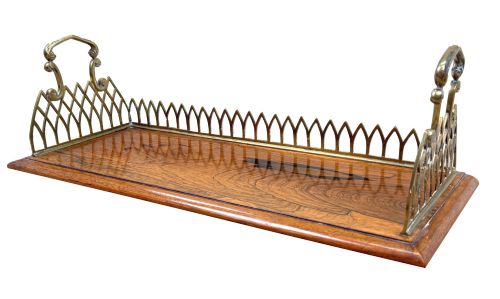
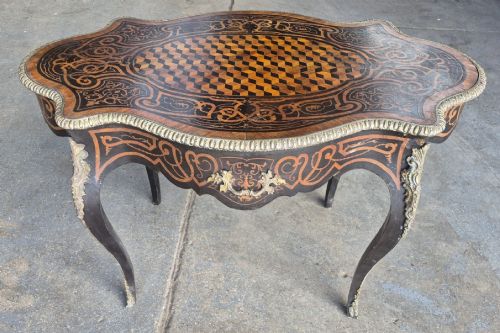
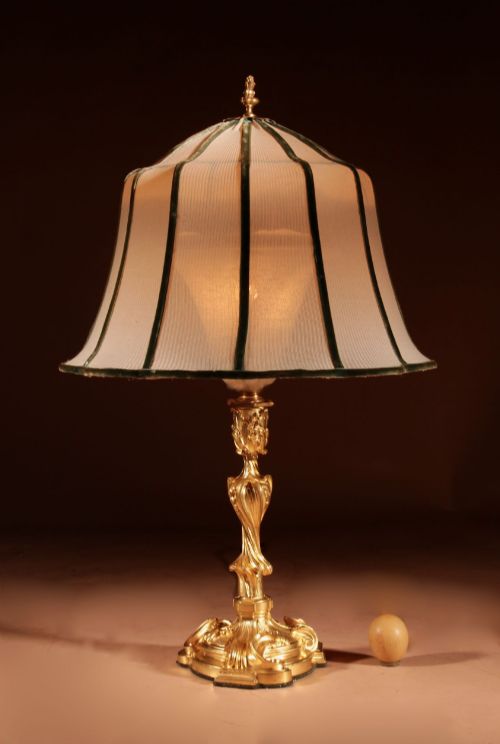



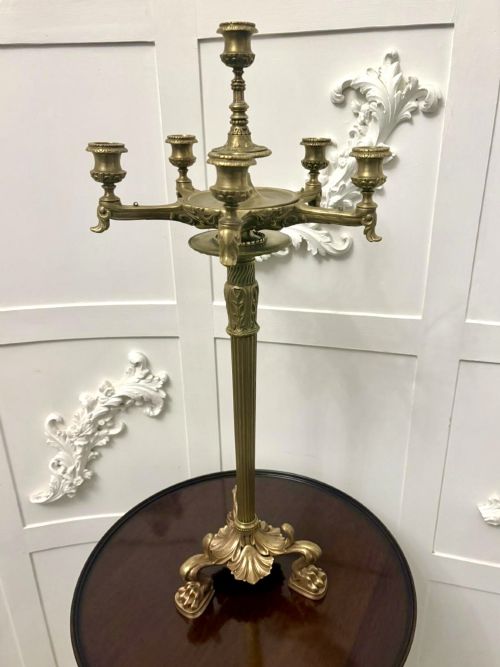
Brass Ormolu Table
These pieces of brass ormolu table bring gilt bronze mounts and French revival design to a room.
Brass Ormolu Table
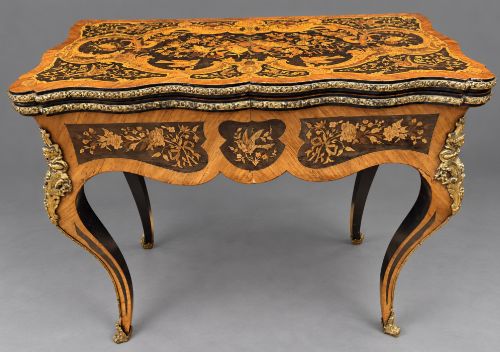
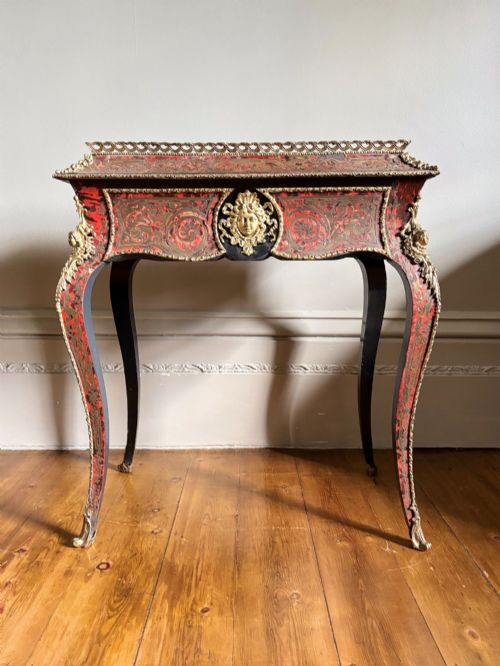
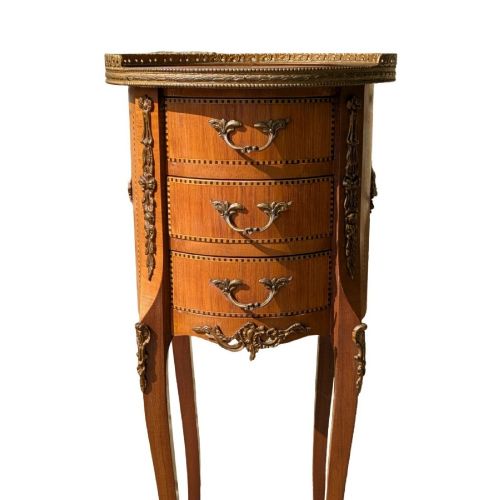
A brass ormolu table is typically a surface designed for display or occasional use, heavily decorated with gilt metal mounts. The selection on this page centres primarily on side tables, coffee tables, display cabinets, and occasional tables originating from the nineteenth and early twentieth centuries.
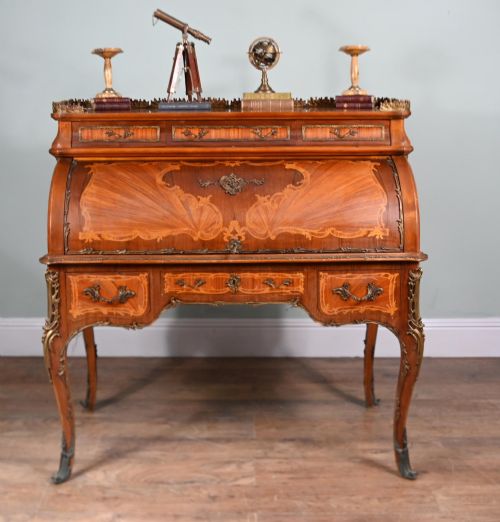
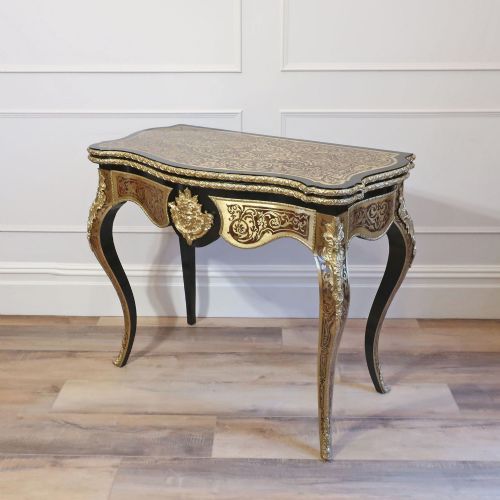
Most examples lean towards French design vocabularies, particularly the Louis XV and Louis XVI revivals, alongside Victorian interpretations. These forms often incorporate shaped tops, slender legs, and intricate marquetry or parquetry in woods like kingwood, mahogany, and walnut.
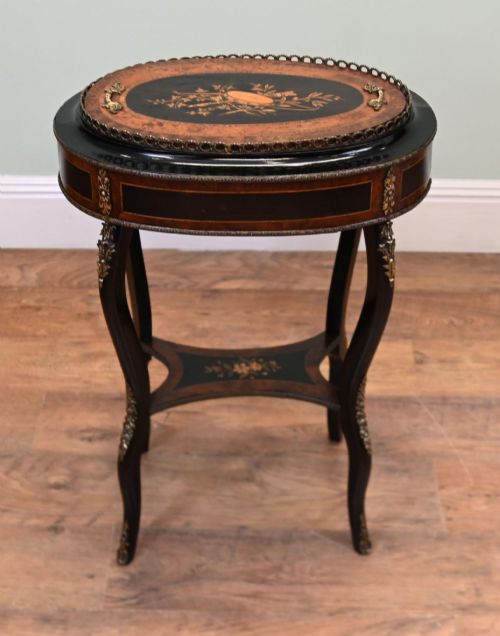
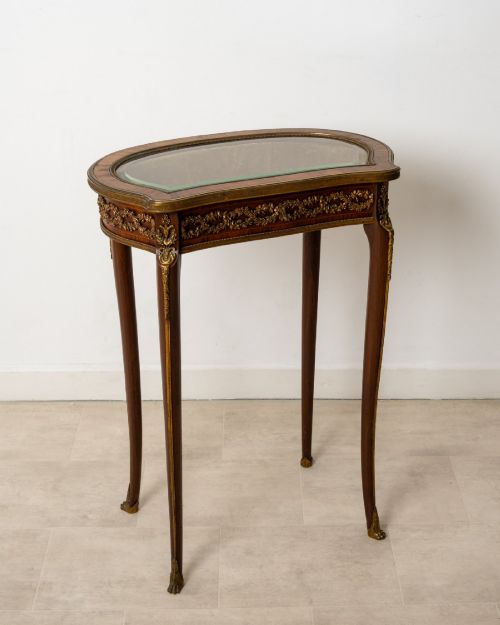
Buyers also encounter related decorative forms within this category, such as vitrines and jardiniere stands, which share the characteristic gilt bronze mounts. These pieces function both as practical furniture and as decorative focal points within a room.
How they were made
The construction relies on a combination of cabinetmaking and metalworking techniques, uniting timber frames with cast and gilded bronze mounts. Woods such as mahogany, rosewood, and walnut form the structural carcasses, often decorated with delicate parquetry or marquetry patterns.
Ormolu mounts, strictly speaking mercury-gilt bronze, are cast and chased by hand to achieve crisp detail before being fixed to the furniture. These metal elements outline table edges, capitals, and aprons, highlighting the curves of the French revival styles.
Brass Ormolu Table Retail Price Guide 2026
Typical asking prices for brass ormolu table among the pieces listed under this phrase on Sellingantiques today, from the lower quarter to the upper quarter. They describe what is for sale here now, not the wider market.
The listings on this page span the nineteenth and early twentieth centuries, featuring materials such as ormolu, kingwood, porcelain, and marble.
What varies in quality
The standard of a brass ormolu table rests significantly on the crispness of the bronze casting and the precision of the hand-chasing. Superior pieces exhibit sharp detail in the acanthus leaves, scrollwork, and figural mounts, whereas lesser examples show softer, shallower casting marks.
Cabinetwork also dictates value, seen in the tightness of the wood veneers, the complexity of the parquetry, and the integration of the mounts into the structure. Finer pieces maintain balanced proportions and flush mountings that demonstrate expert joinery.
Jean Baptiste Delettrez·Achille Brocot·Henry Marc·Maison Millet
The Brass Ormolu Table Glossary
- Ormolu
- Gilt bronze, derived from the French term for ground gold. It involves applying a gold amalgam to cast bronze before heating to drive off the mercury.
- Marquetry
- The art of applying small pieces of veneer to a structure to form decorative patterns or pictures. It often utilises contrasting timbers like kingwood and mahogany.
- Parquetry
- A geometric mosaic of wood pieces used for surface decoration on floors and furniture tops. It creates repeatable patterns such as cubes or chevrons.
- Vitrine
- A glass-panelled display cabinet or table designed for showcasing small objects. They frequently feature extensive ormolu mounts and glazed sides.
Brass Ormolu Table: Frequently Asked Questions
What is a brass ormolu table?
A brass ormolu table is a piece of furniture decorated with finely cast and gilded bronze mounts. These tables range from small coffee tables to display cabinets.
They draw heavily on French design periods like the Louis XV and Louis XVI revivals. The combination of warm wood veneers and bright metal mounts creates a distinct decorative object.
How do I clean ormolu mounts?
Cleaning ormolu requires gentle dusting with a soft brush to remove dirt from crevices. Avoid abrasive metal polishes which strip the original mercury gilding.
Water and harsh chemicals should also be kept away from the gilt bronze and the surrounding wood veneers. Consult a professional conservator for deep cleaning.
Are these tables sturdy enough for daily use?
Many of these tables were built for formal display rather than heavy utility. Occasional tables and vitrines serve well for holding lamps or small decorative items.
Care must be taken with delicate parquetry surfaces and projecting bronze mounts. Placing coasters and pads underneath objects helps protect the antique veneer.
How can I tell a nineteenth-century piece from a later revival?
Dating requires examining the construction methods of the timber carcass and the wear on the bronze mounts. Nineteenth-century pieces often show hand-cut dovetails and period-appropriate secondary woods.
Later twentieth-century revivals may display machine-made uniformity in the screws and internal framing. Comparing the casting sharpness against known period examples helps clarify the age.