



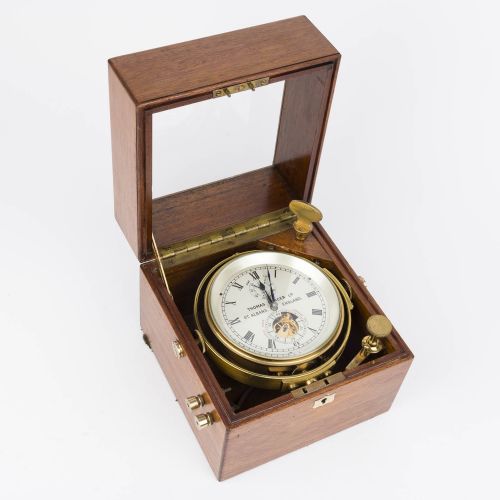


Brass Nautical Instrument
These brass nautical instrument examples combine utilitarian precision with maritime history, offering collectors tangible links to navigation at sea.
Brass Nautical Instrument
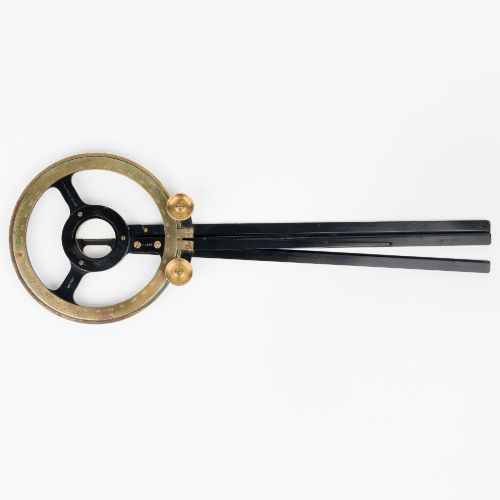
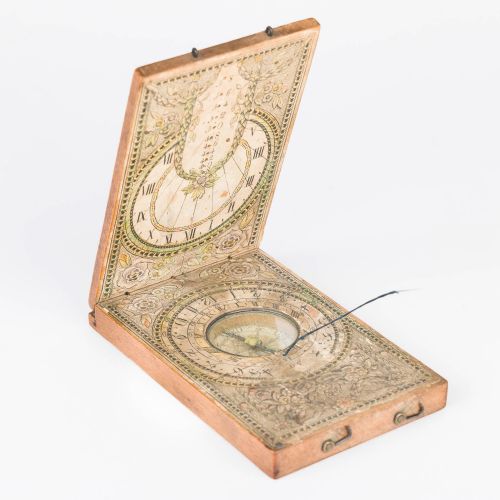
A brass nautical instrument represents the pinnacle of historic seafaring technology, encompassing functional devices designed for observation, measurement, and direction. When exploring brass nautical instrument selections, buyers frequently encounter telescopes, barometers, compasses, and chronometers spanning the Georgian, Victorian, and Edwardian periods.
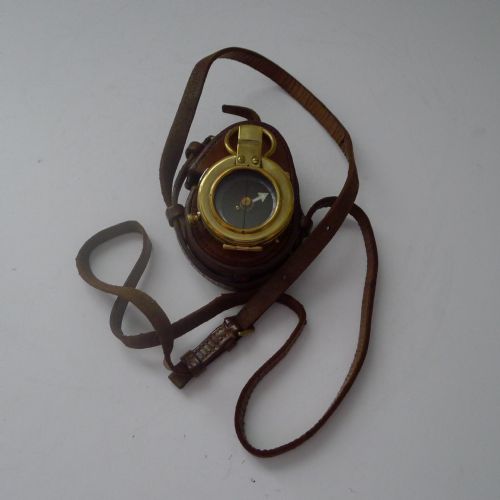
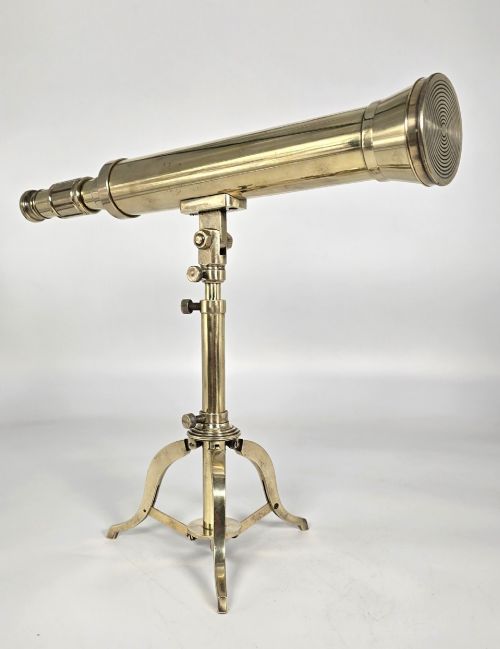
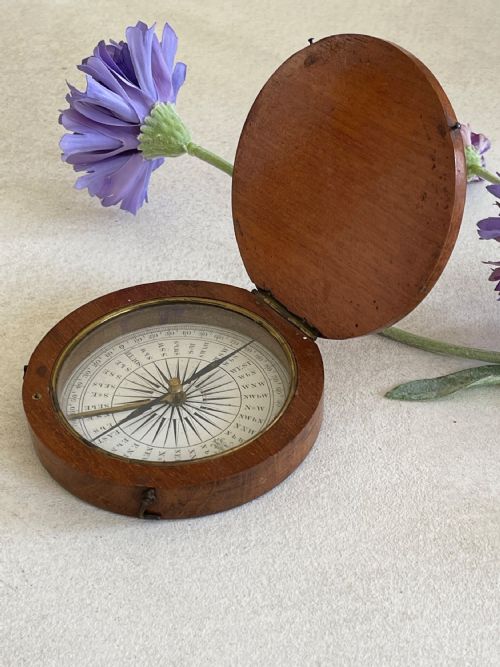
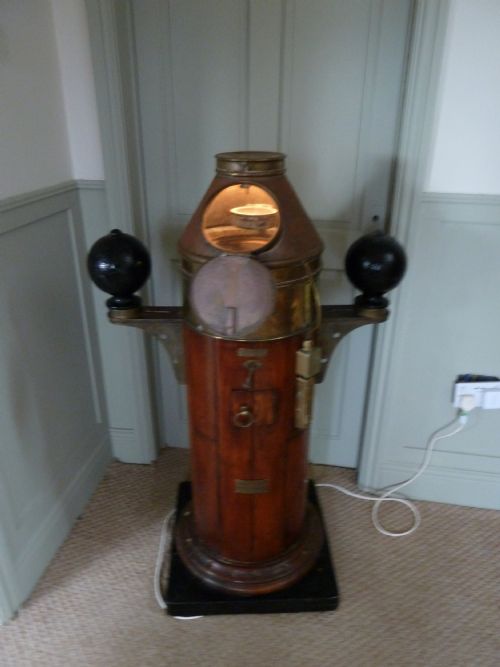
The assortment on this page includes items ranging from portable pocket compasses and multi-draw spyglasses to substantial desk binnacles and cased marine chronometers. These pieces originate from workshops across Britain and Europe, reflecting the changing technical demands of explorers, naval officers, and merchant mariners over two centuries.
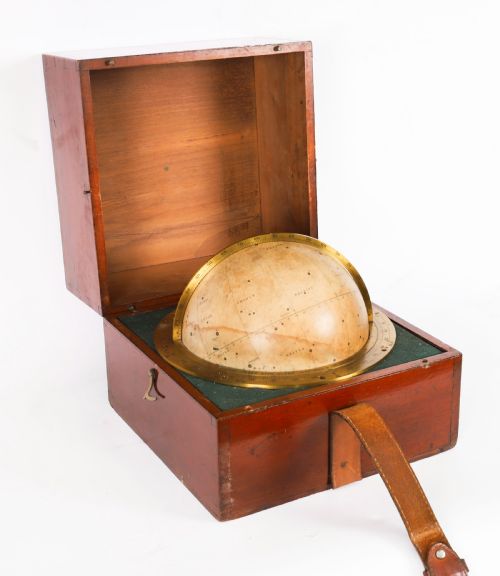
Victorian and nineteenth-century examples dominate the offerings, showcasing both scientific utility and aesthetic appeal through polished metal and fitted timber cases. Whether housing a celestial globe or an aneroid barometer, each object serves as a direct artefact of maritime exploration and domestic scientific collecting.
Materials and Construction Techniques
Makers constructed each brass nautical instrument primarily from heavy gauge cast and turned brass, chosen for its corrosion resistance and durability in maritime environments. This metal framework was frequently paired with optical glass for lenses, alongside seasoned secondary timbers like mahogany, oak, and rosewood for protective outer cases.
Artisans incorporated leather coverings, fruitwood drawer linings, and delicate paper scales to complete portable instruments such as spyglasses and pocket compasses. Metal components received precise thread cutting and hand-polishing, while dials and compass cards utilised engraved paper or silvered brass plates for clear legibility at sea.
Early mariners relied on telescopes officially designated as day or night glasses, hoping the larger lenses would pierce the evening gloom.
Evaluating Craftsmanship and Preservation
Quality in a brass nautical instrument rests upon the crispness of maker signatures, the precision of mechanical fittings, and the survival of original components like fitted wooden boxes or tripod stands. Finer workshops employed thicker gauge metals, sharper engraving on vernier scales, and superior optical glass that maintained clarity across extended draws.
The degree of original preservation significantly influences the standing of an item, particularly when moving parts operate smoothly without excessive play or replacement elements. Examples bearing signed attributions to renowned opticians and instrument makers demonstrate higher standards of period production than unmarked commercial pieces.
Nairne & Blunt·French Ltd·Hughes & Son·Elliott Brothers·Thomas Mercer·Litherland Davies·Voigtländer & Sohn AG·Clarkson·Steward of London·Richardson·Henri de Magnac·Newton & Co·A Hurlimann Paris·Cary London·Bate of London·Stanley London·Negretti & Zambra·L Casella·Alexander Adie·Chadburn Brothers
The Brass Nautical Instrument Glossary
- Binnacle
- A built-in housing or stand on a ship that held the ship's compass and a navigation light. It protected the compass from weather and iron interference.
- Chronometer
- A highly accurate marine timekeeper used to determine longitude at sea by observing celestial bodies. These spring-detent clocks were housed in gimbaled wooden boxes to keep them level.
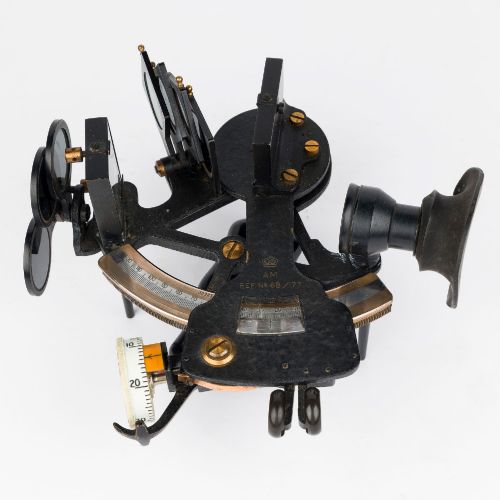
- Sextant
- An instrument used to measure the angle between an astronomical object and the horizon for the purpose of celestial navigation. It utilises mirrors and a graduated arc spanning sixty degrees.
- Spyglass
- A small, handheld refracting telescope that typically collapses into multiple sliding brass draws. They were widely used by officers and explorers for daytime land and sea observations.
- Aneroid barometer
- A device that measures atmospheric pressure without using liquid mercury, relying instead on a flexible sealed metal box. These instruments were housed in carved oak, rosewood, or brass cases for domestic and marine use.
Brass Nautical Instrument: Frequently Asked Questions
How do I clean brass instruments?
Dust brass instruments gently with a soft, dry cloth to preserve their historic patina. Avoid abrasive metal polishes that can wear away original engraving and surface age.
Store them in stable, dry environments away from direct sunlight to protect wooden cases and leather dressings from cracking.
Are these old instruments still accurate?
While many historic instruments retain their mechanical function, centuries of wear mean they serve primarily as display pieces. Calibration can drift over time due to age in delicate components like aneroid barometers and compasses.
Treat them as historical artefacts rather than reliable tools for modern navigation or weather forecasting.
Why do some have wooden cases?
Fitted wooden cases made from mahogany, oak, or ebony protected delicate scientific instruments from moisture, salt air, and rough handling aboard ship. Lined with velvet or leather, these boxes kept lenses, compasses, and accessories secure during transport.
Original matching cases significantly enhance the historical context and completeness of the instrument.