
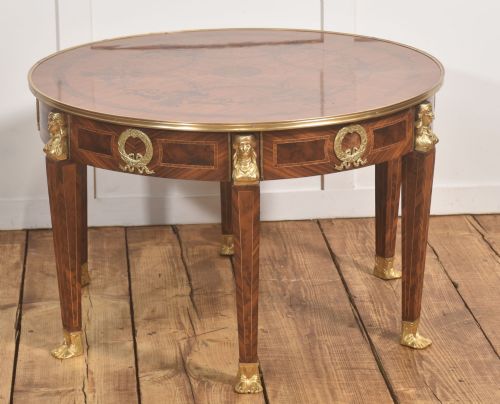
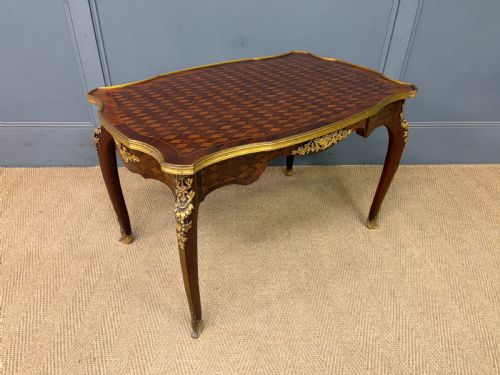
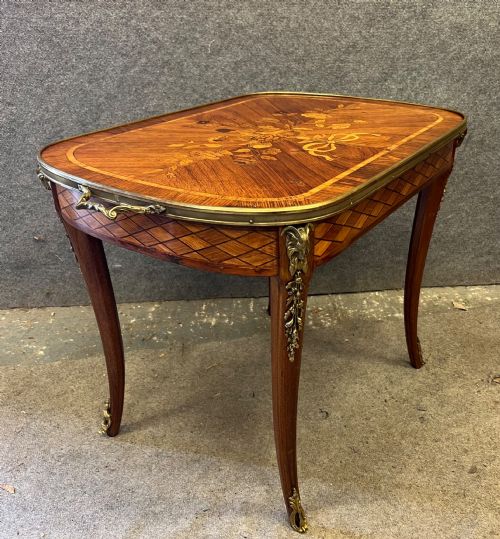
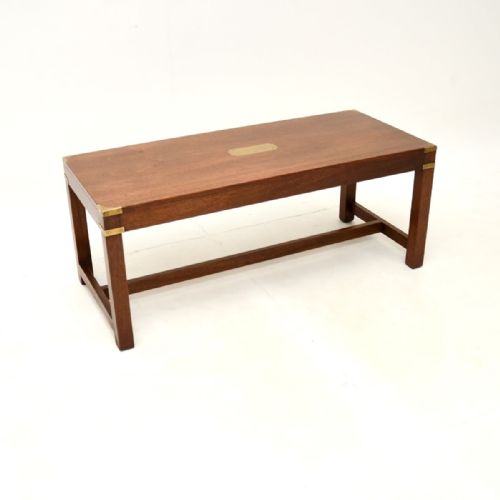
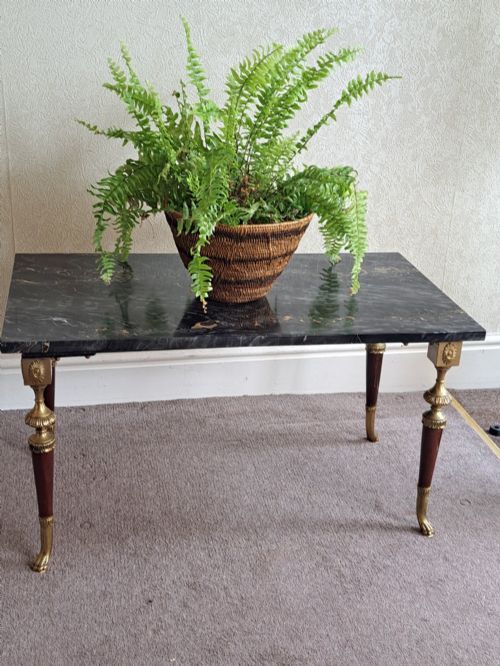


Brass Mounted Low Table
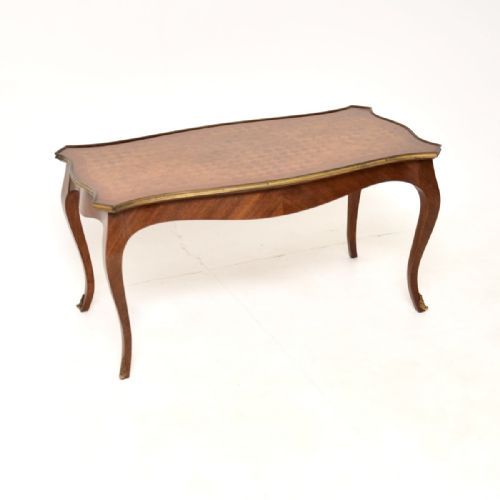
These brass mounted low table designs bring useful low surfaces and refined metalwork into a room.
Brass Mounted Low Table
A brass mounted low table unites low-slung surfaces with metal mounts, appearing across periods from the eighteenth century to the twentieth. You will frequently encounter coffee tables and occasional tables bearing this description.
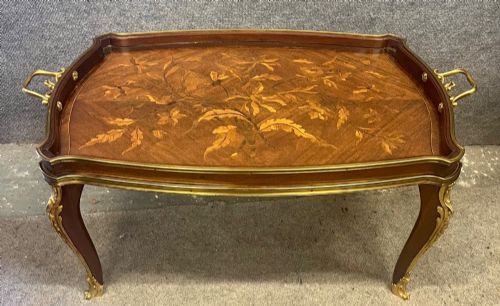
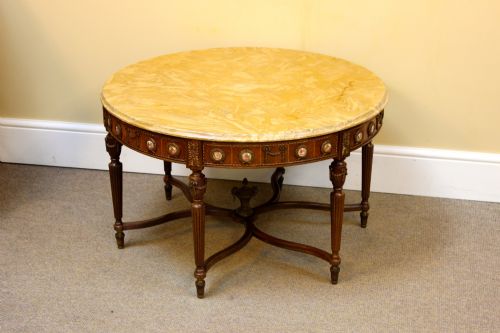
The selection ranges from French inlaid parquetry coffee tables to English chinoiserie lacquer tray tables and nineteenth-century Indian low tables. Forms include circular, square, and oval coffee tables alongside occasional and centre tables.
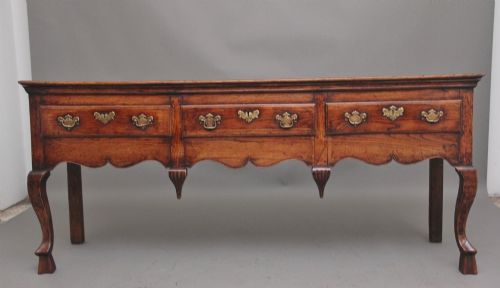
Origin styles stretch from Louis XV revival and Louis XVI style to Neoclassical, Regency, and Colonial Indian aesthetics. Walnut, mahogany, oak, and kingwood form the primary wooden bodies beneath marble tops and wooden trays.
How they were made
Cabinetmakers constructed these frames using solid and veneered timbers including mahogany, walnut, oak, and kingwood. Surfaces often feature intricate parquetry, marquetry, or black lacquer work.
Metal enrichment relies on brass and ormolu mounts, applied as trims, feet, and gallery edges. Marble inserts provide durable stone tops on specific Edwardian and later coffee table examples.
Even a tray can decide to settle down and become a table when nobody is looking.
What varies in quality
The refinement of the brass mounts and ormolu detailing distinguishes finer examples from simpler workshops. Crisp casting and precise fitting to the wood elevate the overall appearance.
The complexity of the timber work, from parquetry and marquetry to Chinoiserie lacquer, dictates the standard of execution. Well-balanced proportions and harmonious wood selection mark the more accomplished pieces.
Gillows
The Brass Mounted Low Table Glossary
- Brass mount
- Metal enrichment fixed to furniture corners, legs, and edges for decoration and protection. It provides a bright contrast against dark timbers like mahogany and walnut.
- Parquetry
- Geometric wood veneer patterns arranged in repetitive motifs across a tabletop. This technique demonstrates the precision of the cabinetmaker.
- Marquetry
- Pictorial veneer work using various coloured woods to form floral or figurative scenes. It is frequently seen on French revival occasional tables.
- Ormolu
- Gilt bronze ornamentation applied to fine antique furniture. The finish offers a rich, golden metallic lustre.
- Tray top
- A tabletop designed with a raised rim to contain small objects or serving items. These removable or fixed trays sit upon low frames.
Brass Mounted Low Table: Frequently Asked Questions
What periods do these low tables cover?
The selection spans from the eighteenth century through the nineteenth century, including Edwardian examples and pieces from the 1910s, 1920s, and 1930s.
Earlier items often reflect Regency or Queen Anne influences, while later decades favour Louis XV and Louis XVI revival styles.
Which materials are most common?
Wood forms the primary structure, with mahogany, walnut, oak, and kingwood appearing regularly in the listings. Brass mounts and marble tops provide contrasting textures and finishes.
Lacquer and parquetry also feature prominently on specific decorative surfaces.
How were tray tables used originally?
Tray tables served practical functions for holding porcelain tea services or small daily items. The raised edges kept objects secure while transported or placed near seating.
Over time, these adaptable frames evolved into low coffee tables suitable for modern living rooms.
How do French and English styles differ?
French examples frequently display Louis styles, marquetry, parquetry, and ormolu mounts. Black lacquer and ornate curves define many of these continental pieces.
English and colonial interpretations tend to showcase mahogany, oak, or chinoiserie finishes with different proportioning and edge details.