

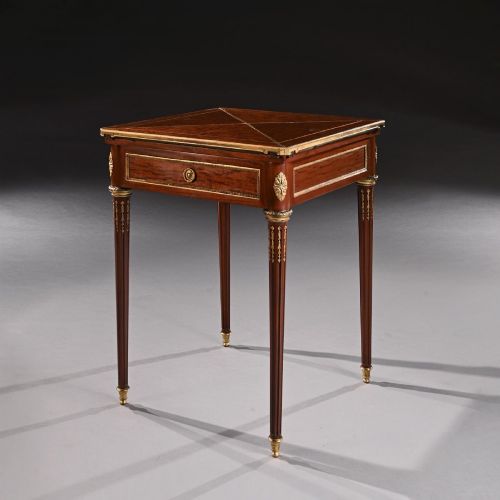
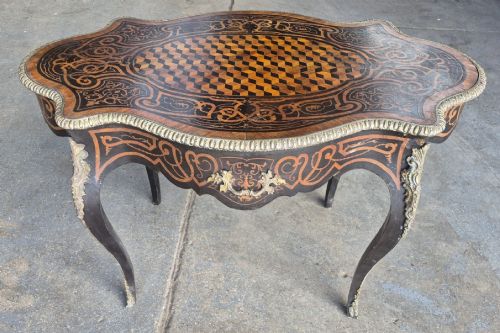
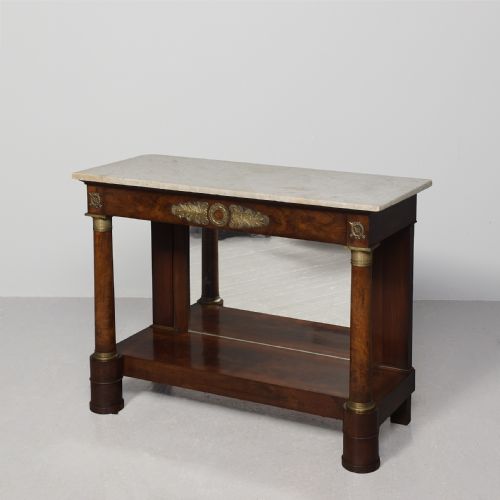
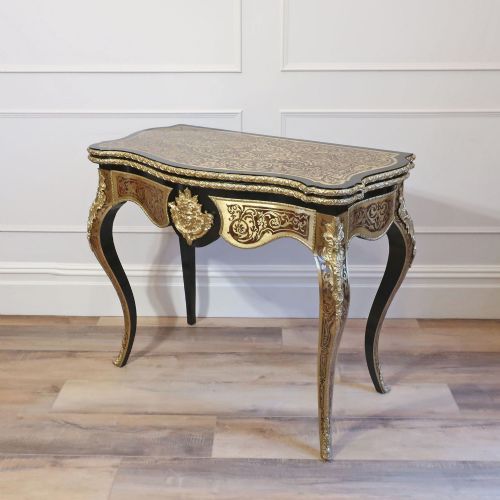
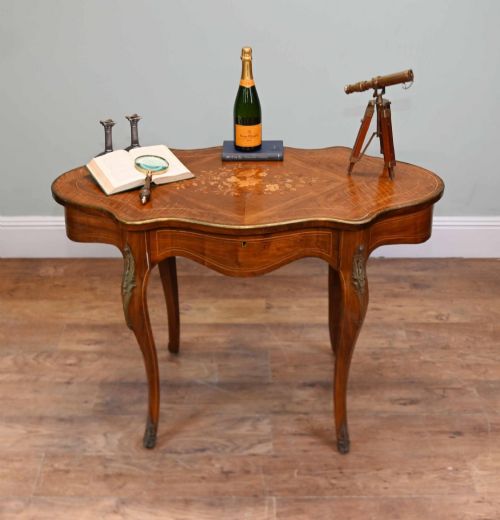
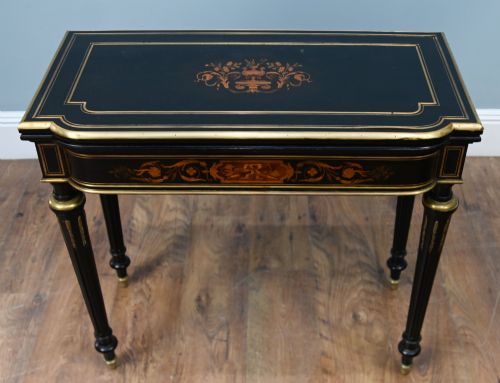
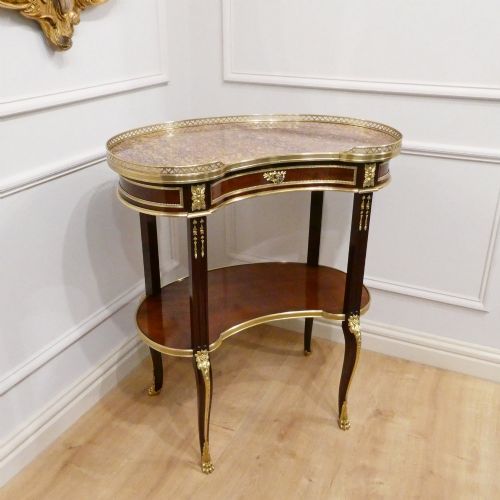
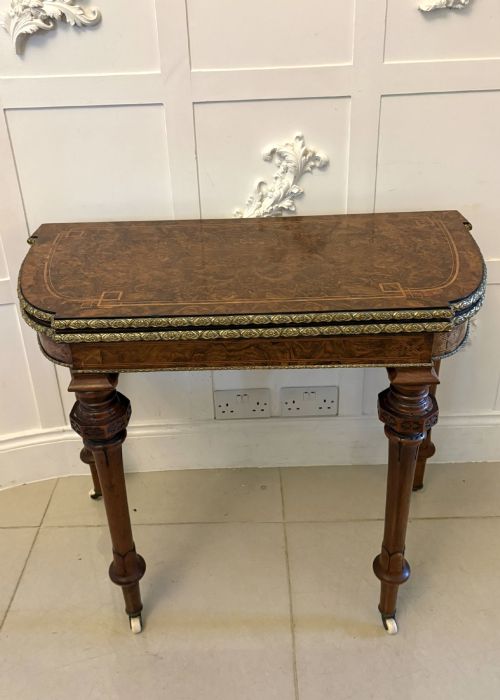
Brass Mounted Console Table
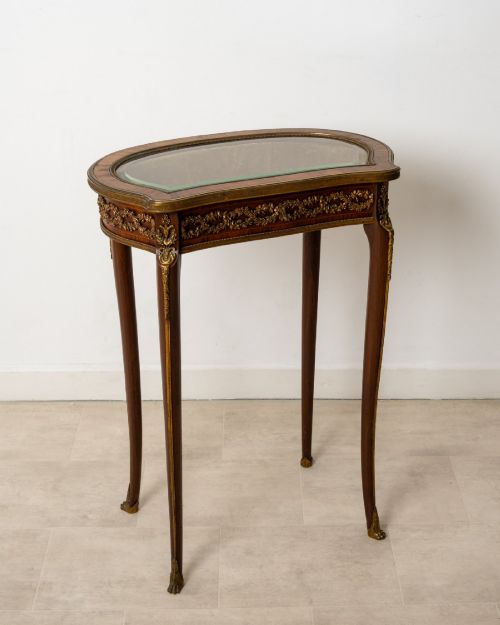
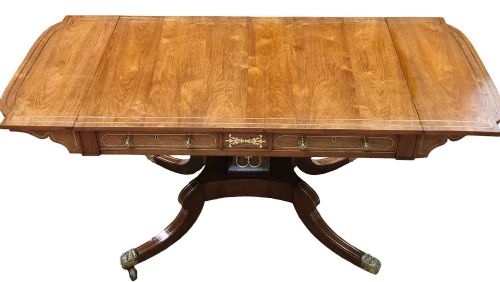
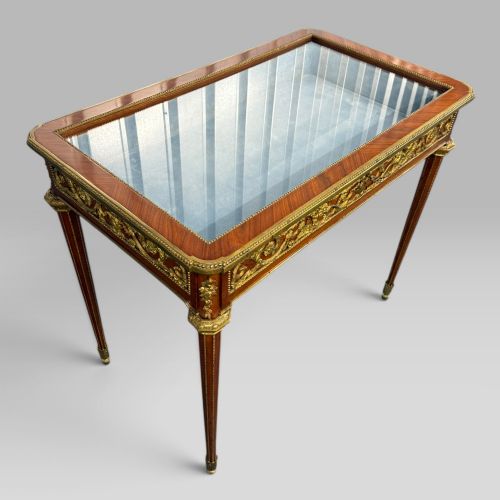
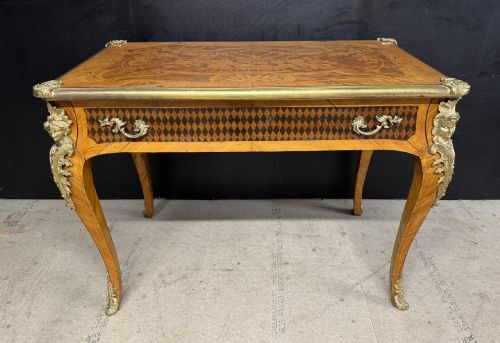
A brass mounted console table brings architectural presence to a hall or reception room through striking timber and metallic detail.

Brass Mounted Console Table
A brass mounted console table is a slim wall-standing support surface shaped by diverse historical revivals and formal dining requirements. When you search for this phrase, you meet forms spanning the nineteenth century alongside twentieth-century iterations, each designed to sit flush against a wall.
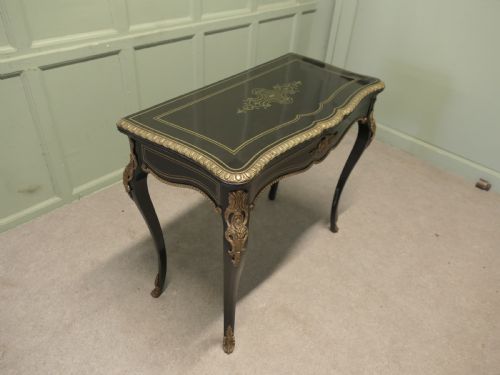
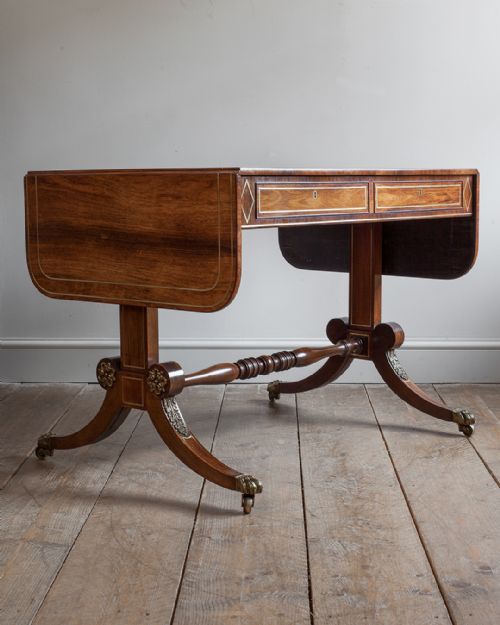
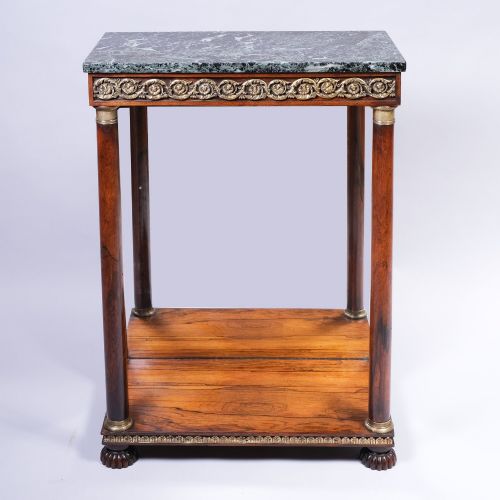
The selections here range from formal Regency and French Empire pieces to military campaign variations and later revival works. Timber choices stretch from rich rosewood and figured mahogany to bleached mahogany, walnut, and ebonized surfaces.
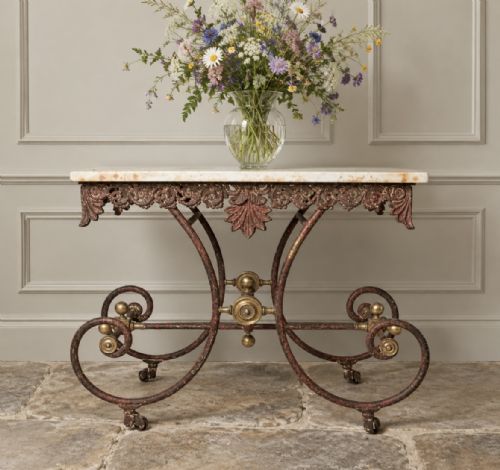
Many examples double as card or games tables featuring fold-over tops designed for evening entertainment. Marble top variations also appear, offering robust display surfaces paired with decorative metalwork.
Materials and construction methods
Cabinet makers utilised dense hardwoods including mahogany, rosewood, and walnut as structural carcasses for these tables. Marquetry inlay and exotic woods appear across specific surfaces to create visual depth and intricate geometric or floral patterns.
Metal enrichment relies heavily on brass and ormolu mounts, cast and applied to corners, friezes, and legs. Gilded brass elements provide sharp contrast against dark timbers like ebonized wood or black lacquer.
Brass Mounted Console Table Retail Price Guide 2026
Typical asking prices for brass mounted console table among the pieces listed under this phrase on Sellingantiques today, from the lower quarter to the upper quarter. They describe what is for sale here now, not the wider market.
Recorded styles span Regency, French Empire, Neoclassical, and military campaign forms.
Distinguishing quality across examples
Quality reveals itself in the crispness of the brass casting and the precision of the timber grain selection. Finer pieces demonstrate superior joinery in their fold-over mechanisms and cabinet carcasses.
The integration of materials dictates the overall success of the piece, from the weight of the marble tops to the subtlety of the marquetry inlay. Superior proportion and harmonious scaling separate standard production from exceptional examples.
The Brass Mounted Console Table Glossary
- Console table
- A table designed to stand against a wall, traditionally fixed with brackets or supported by front legs. These pieces provide surface space for decorative objects in hallways and reception rooms.
- Ormolu
- Gilded bronze or brass applied to furniture as decorative mounts. This technique provides a bright golden accent against dark woods.
- Marquetry inlay
- Decorative patterns formed by fitting contrasting pieces of veneer into a wood foundation. It creates intricate surface designs across tabletops and friezes.
- Regency
- An English design style spanning the early nineteenth century defined by classical restraint and archaeological influence. Pieces from this period often incorporate bold brass detailing and rich mahogany.
- Fold over table
- A dual-purpose table featuring a hinged top that opens to reveal a larger surface for cards or dining. This mechanism requires precise cabinet work to ensure stability when open.
Brass Mounted Console Table: Frequently Asked Questions
What is a brass mounted console table used for?
These tables traditionally stand against walls in entrance halls, drawing rooms, or dining spaces to hold decorative objects or lighting. Many variations incorporate fold-over mechanisms that transform the narrow furniture into a functional card or games table.
The slim profile allows them to occupy circulation spaces without obstructing movement. Marble top variants additionally provide robust, heat-resistant surfaces for serving or display.
How do I identify a Regency console table?
Regency pieces typically feature classical proportions inspired by ancient Greece and Rome, utilising dense timbers like figured mahogany. Look for characteristic gilded brass mounts and structural restraint that typifies early nineteenth-century British design.
Cabinet makers of this era focused on clean architectural lines and refined contrast between dark wood and bright metal fittings.
What distinguishes French Empire style?
French Empire furniture draws heavily on Napoleonic neoclassical motifs, often employing ebonized finishes, dark rosewood, and striking ormolu mounts. These designs prioritise monumental presence and symmetry.
The aesthetic frequently incorporates military symbols, classical foliage, and heavy contrasting metallic highlights.
How do I care for antique timber and brass?
Maintain antique timber by avoiding direct sunlight and excessive humidity fluctuations that cause wood to split or warp. Regular dusting with a soft, dry cloth preserves the finish without stripping natural oils.
Brass and ormolu mounts should remain unpolished unless active tarnish threatens the metal. Gentle cleaning prevents damage to the underlying surface or surrounding wood.